National Park Lists
Curated rankings based on data, not opinions. Each list uses specific criteria to help you find the right park for how you travel.
Cost
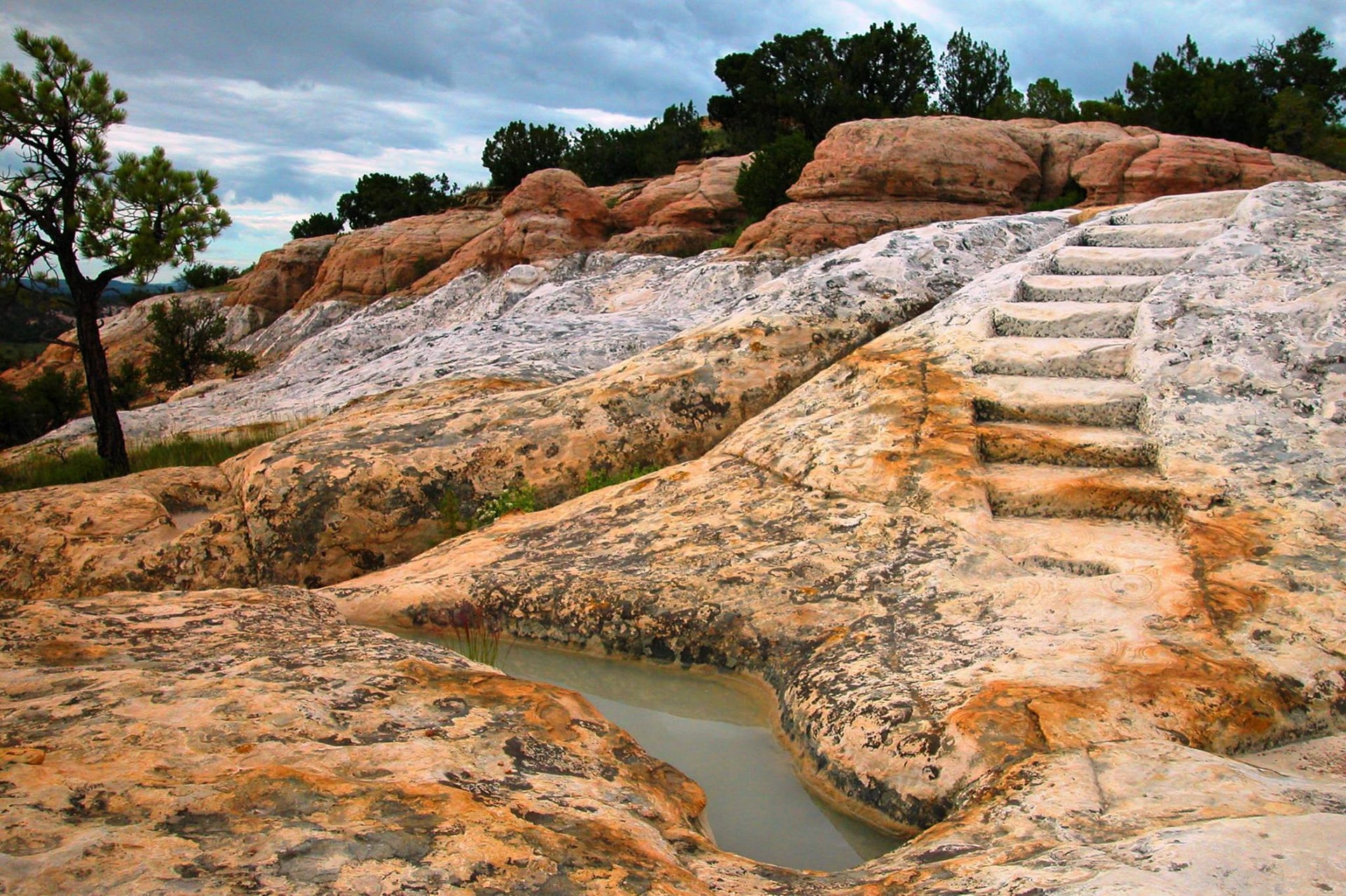
Most Affordable National Parks
The most expensive part of visiting a national park is usually getting there. These parks combine easy road access with affordable gateway towns, free or low-cost camping, and no entrance fees. Budget travel means stretching your trip, not cutting it short.
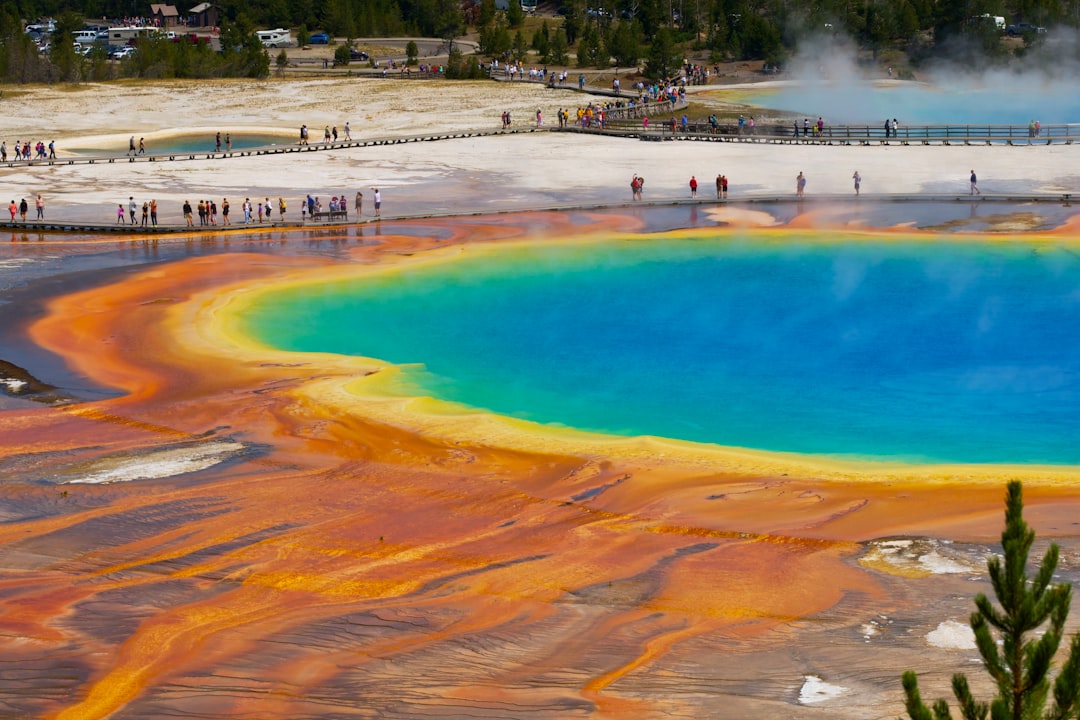
Best National Parks for Luxury Travelers
Not every park trip needs to be a roughing-it adventure. These parks offer the infrastructure to splurge: historic lodges with white-tablecloth dining, glamping with real beds and hot showers, charter boats and guided tours that take the logistics off your plate. The wilderness stays wild; your accommodations don't have to.
Access

Easiest National Parks to Reach
You don't need a bush plane or a four-hour drive from the nearest airport to reach a national park. These parks sit within easy reach of major cities and airports, making them ideal for weekend trips, business travel add-ons, or anyone who wants to skip the logistics and get straight to the scenery.
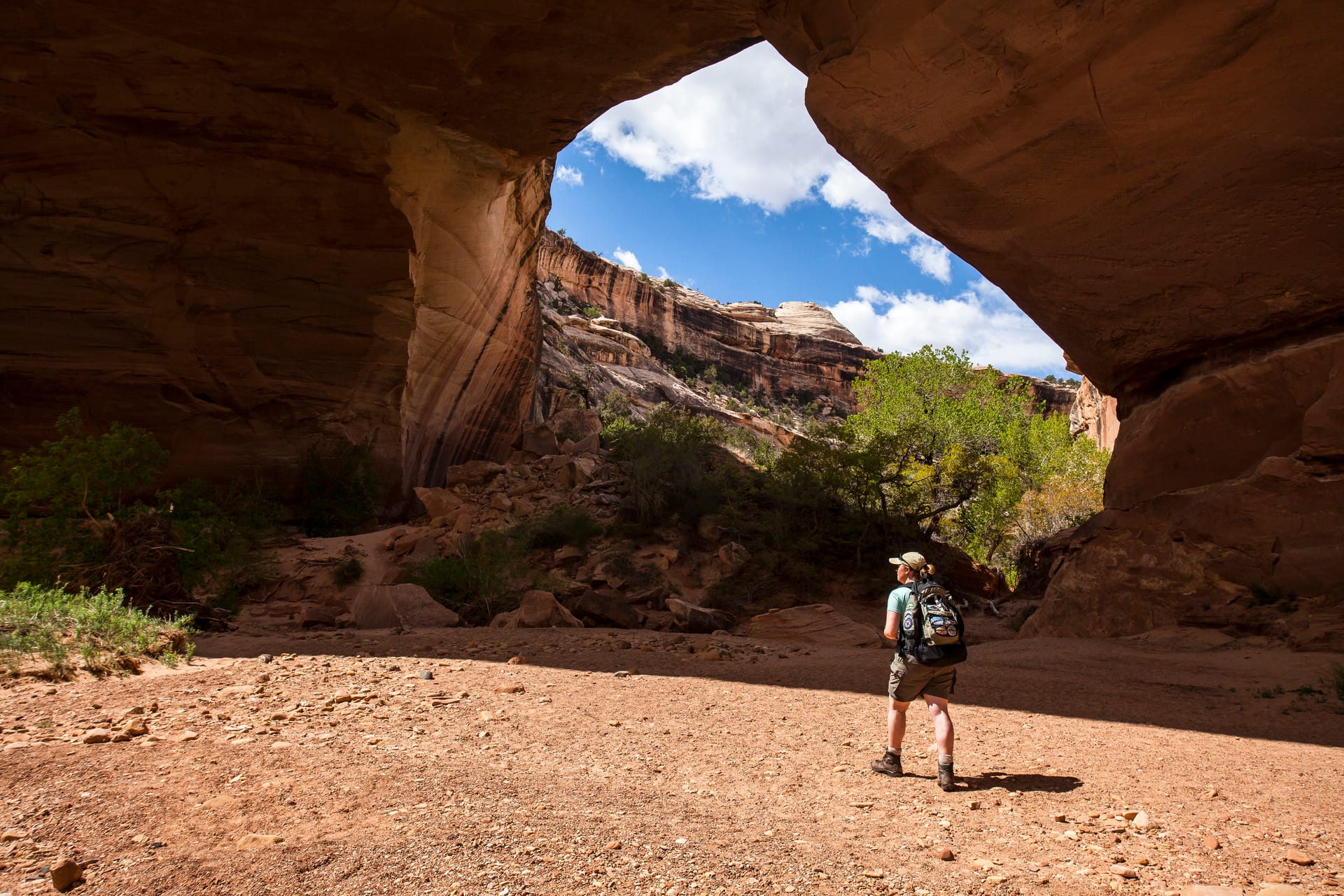
Hardest National Parks to Reach
These parks reward effort with exclusivity. No roads, no cell service, sometimes no commercial flights. Getting there requires bush planes, ferries, or days of travel. The crowds thin out when the logistics get complicated, and what remains is wilderness that feels earned. The score shown reflects accessibility: lower means harder to reach.
Trip Length
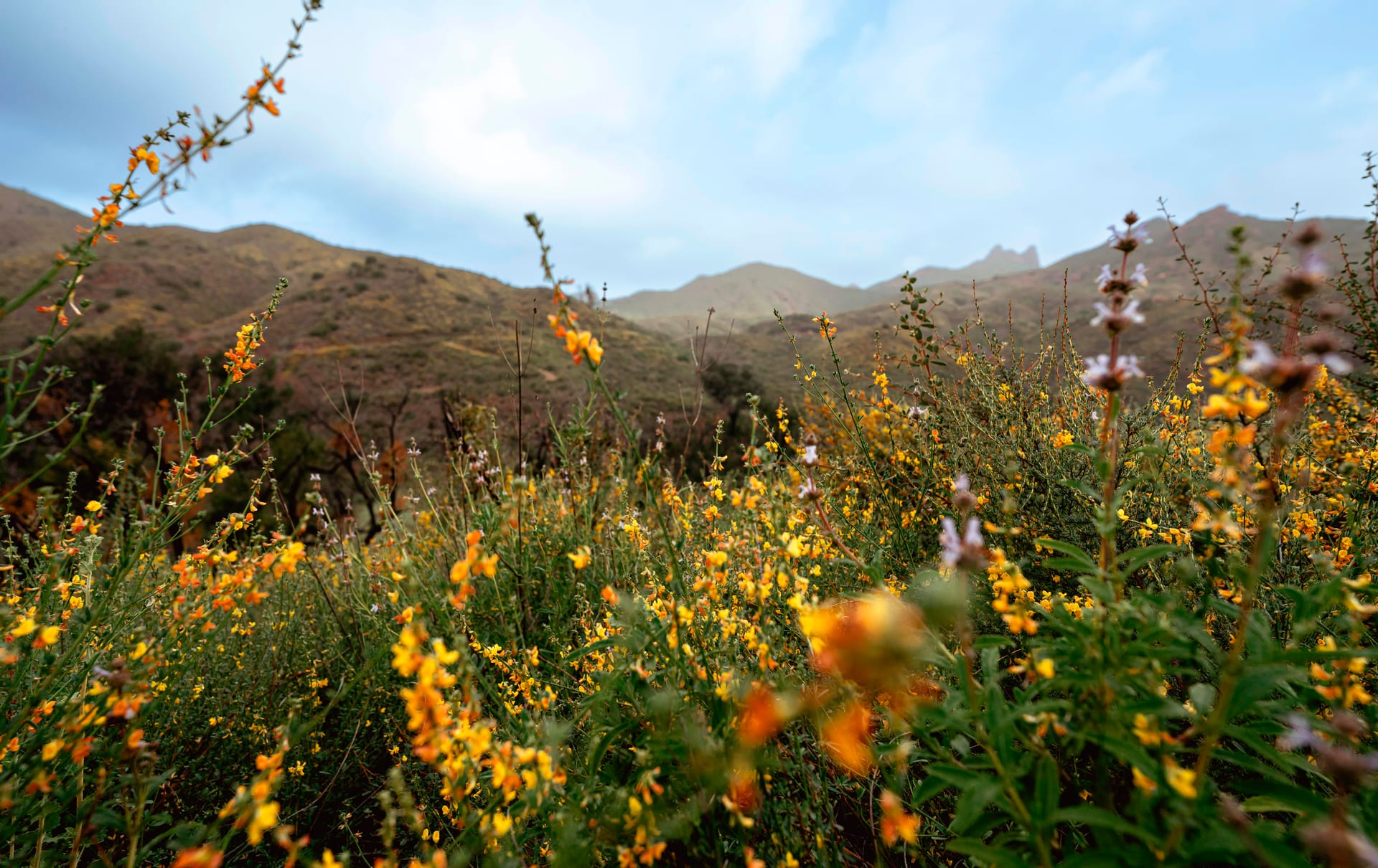
Best National Parks for Day Trips
Not every national park requires a week of planning and a backcountry permit. These parks deliver complete experiences in a single day: drive the scenic loop, hike the signature trail, catch the sunset, and still make it home for dinner. Perfect for spontaneous outings, visiting family road trips, or squeezing nature into a busy schedule.
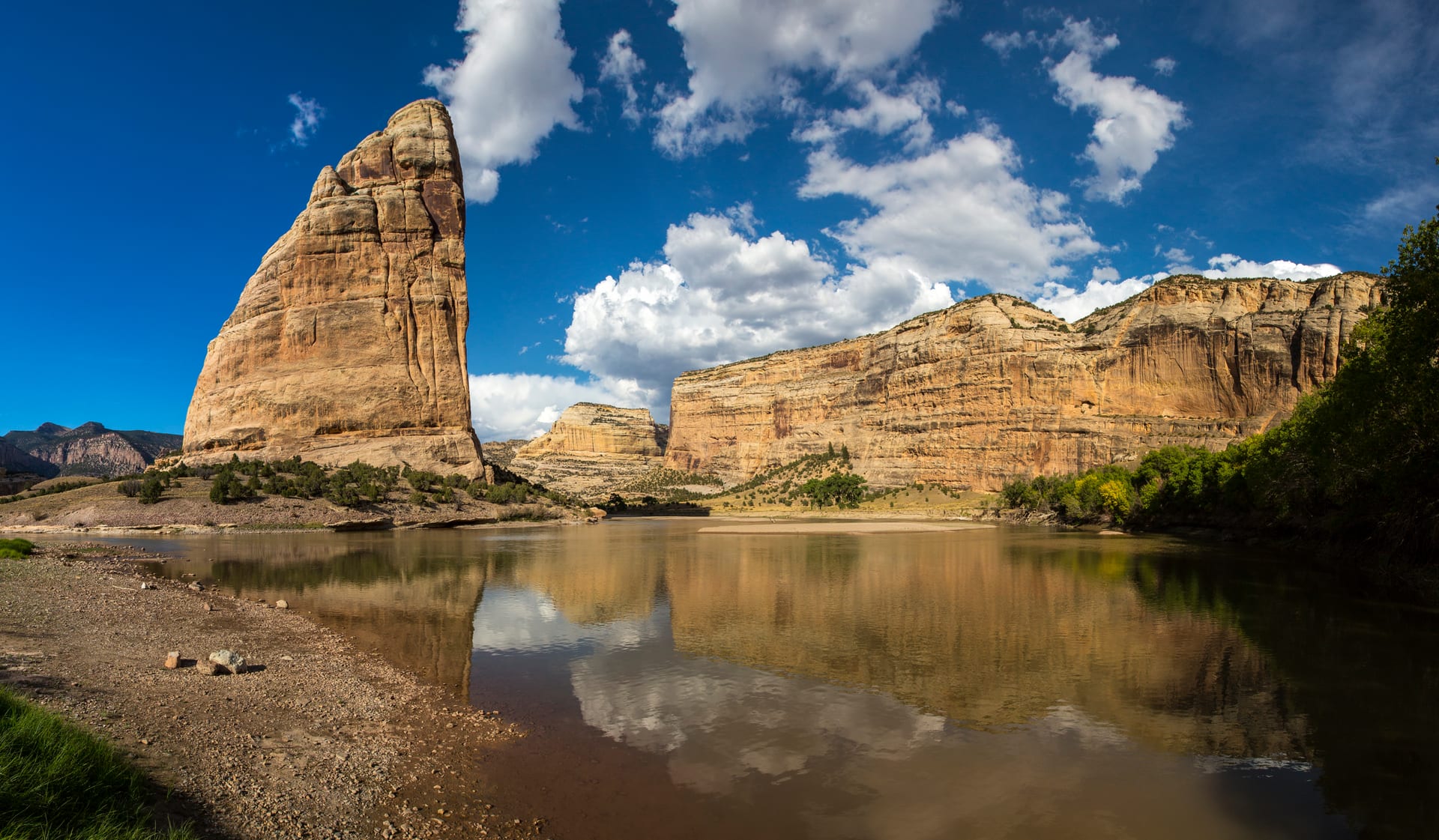
Best National Parks for a Weekend Trip
Two to three days: enough time to hike the signature trails, catch both sunrise and sunset, and leave feeling like you actually experienced the place. These parks have enough to fill a weekend without overwhelming it, close enough to fly in Friday night and out Sunday afternoon.
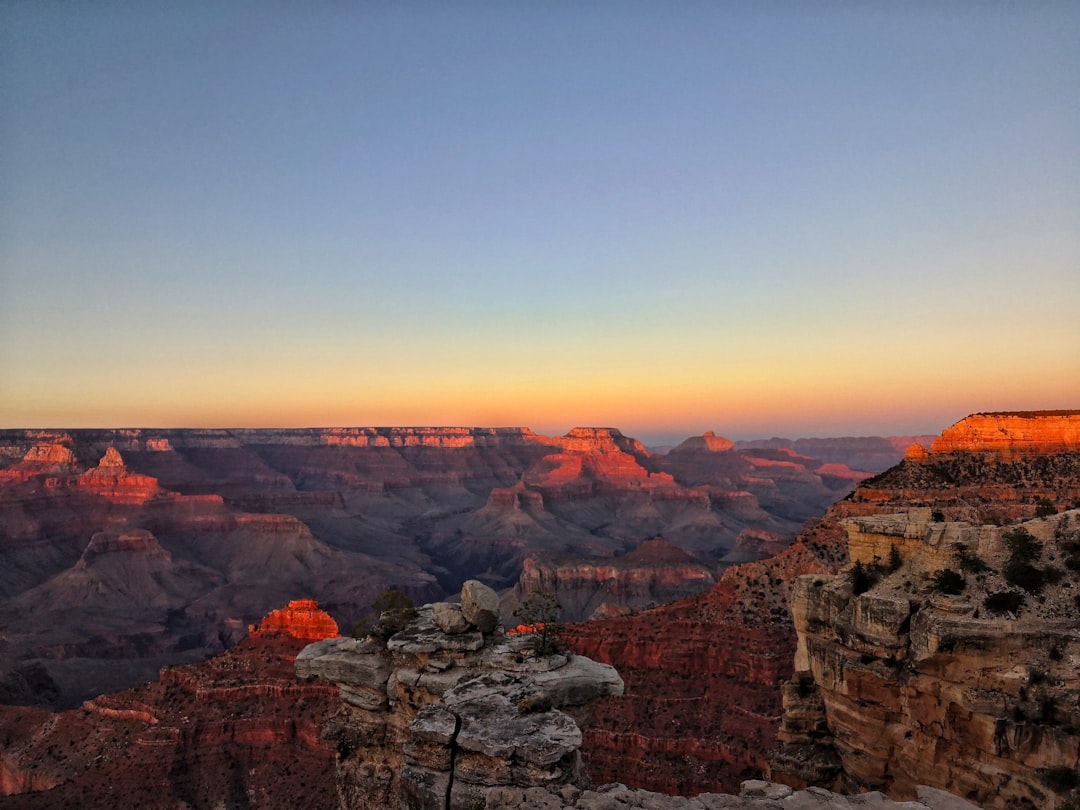
Best National Parks for a Week-Long Trip
Some parks are too big for a weekend. These destinations reward a week or more of exploration, with enough trails, viewpoints, and backcountry to fill days without repetition. Plan to stay; the logistics of getting here are worth the payoff.
When to Visit
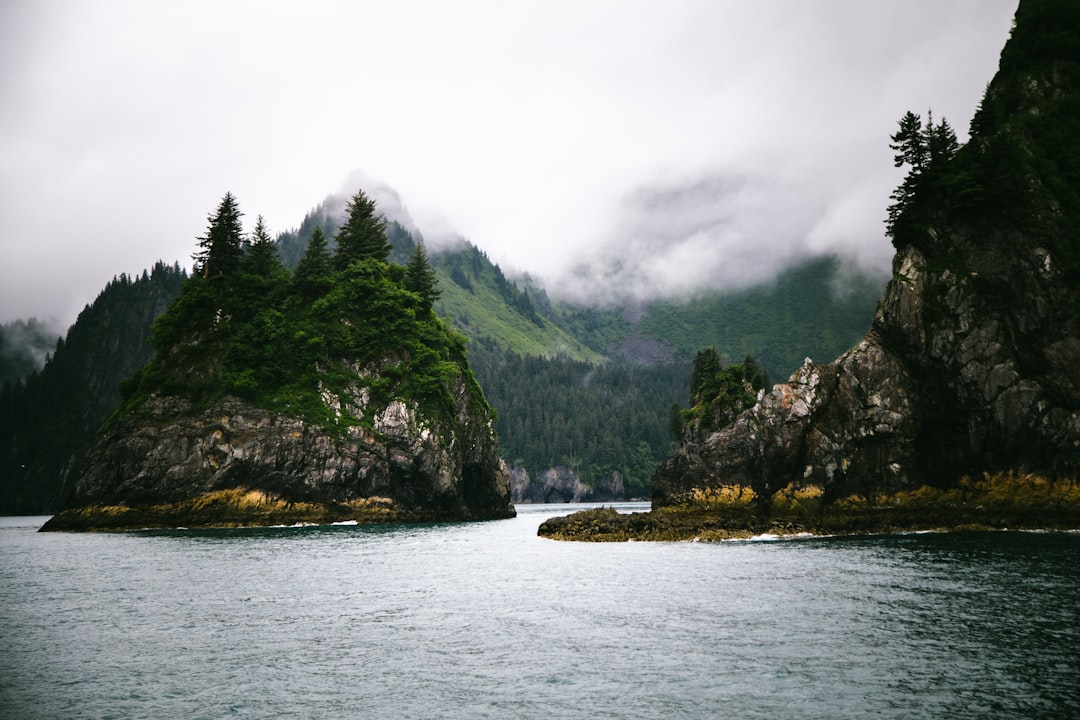
Best National Parks to Visit in Summer
Summer opens doors. High-altitude passes thaw, Alaska's endless daylight extends hiking hours, and northern parks reach their brief windows of accessibility. These parks are at their best from June through August, when roads, trails, and facilities finally operate at full capacity.
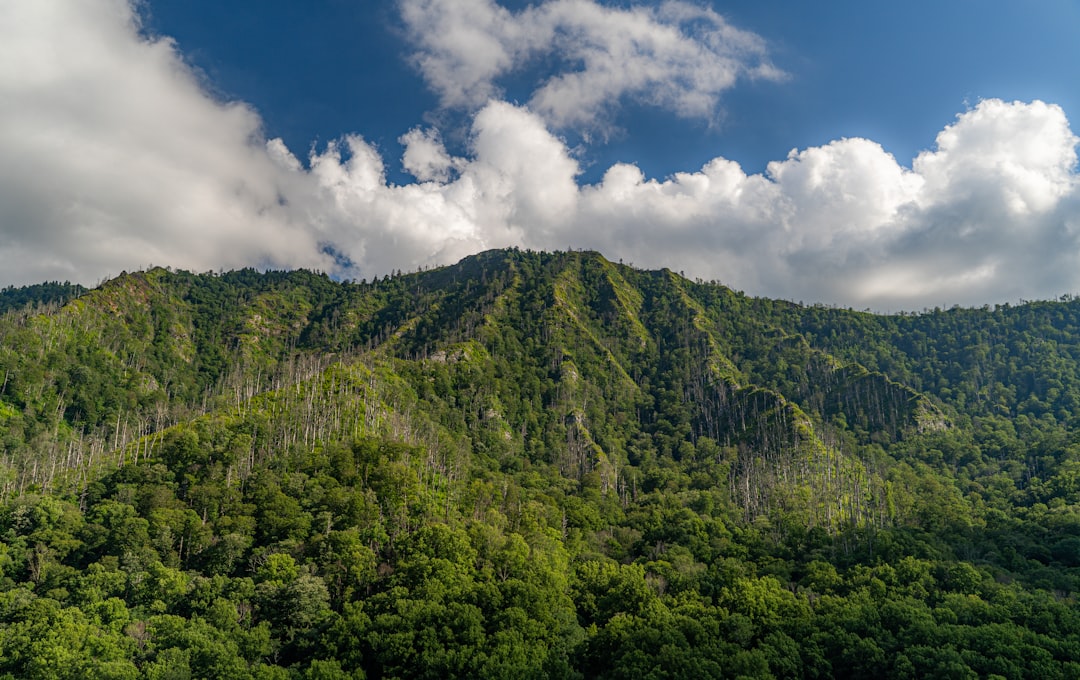
Best National Parks to Visit in Spring
Spring means wildflowers in the desert, waterfalls at peak flow, and comfortable temperatures before the summer crowds arrive. These parks hit their stride from March through May, when the landscape wakes up and the weather cooperates.
Best National Parks to Visit in Fall
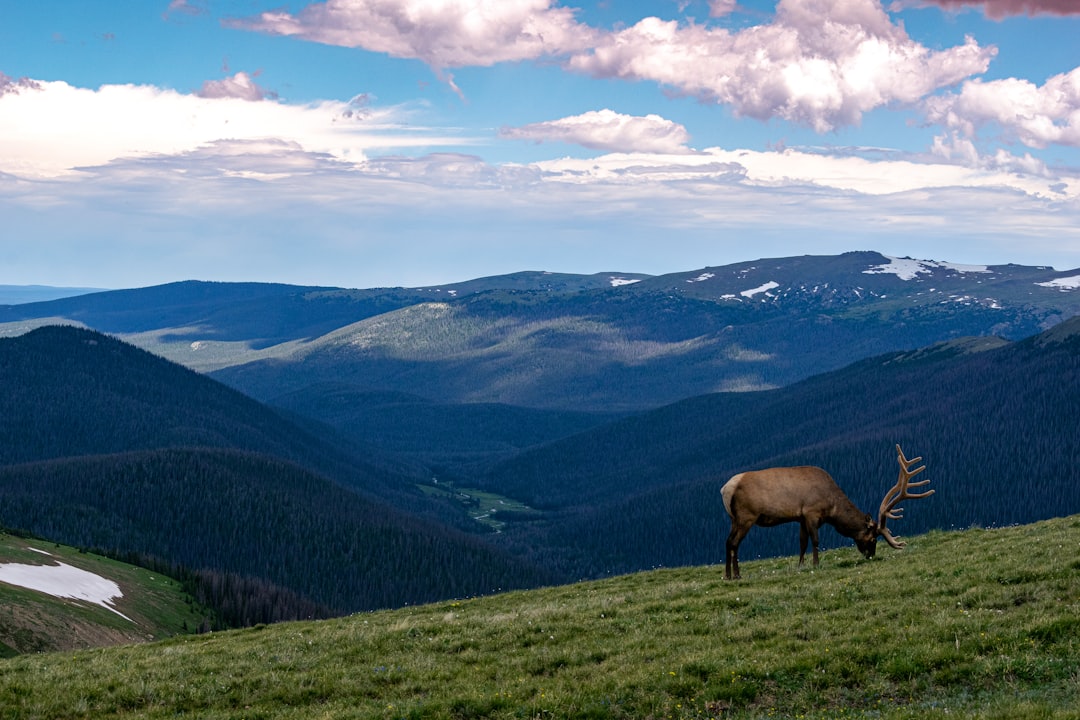
Fall color transforms certain parks into destinations worth planning a year around. Aspens turn gold, maples go crimson, and the summer crowds thin out while the weather stays cooperative. These parks peak from September through November.

Best National Parks to Escape Winter
When home is frozen, these parks offer warmth. December through February is peak season for desert parks, subtropical coastlines, and Hawaiian preserves. Trade your snow boots for hiking shoes and find sun where others find ice.
Best National Parks to Experience Winter
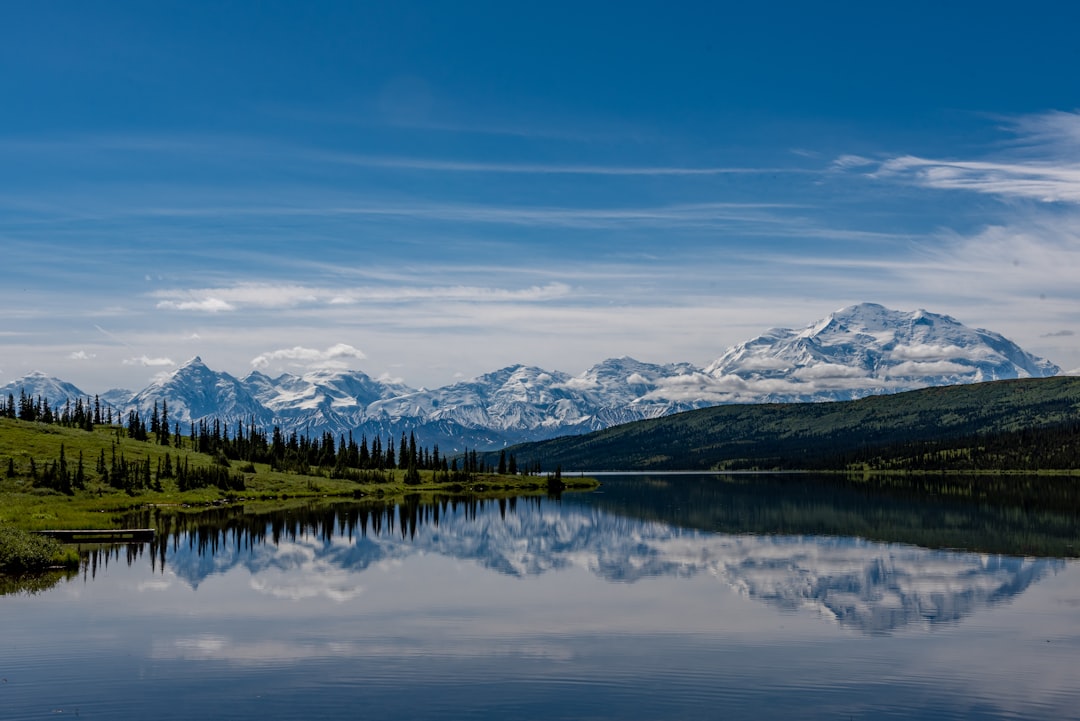
Some parks become different places under snow. Cross-country skiing replaces hiking, wildlife adapts to the cold, and the summer crowds vanish completely. These parks reward those who embrace winter rather than flee it.
Safety

Safest National Parks
Safety in national parks depends on many factors: terrain, wildlife, weather, and the inherent risks of outdoor recreation. These parks offer lower risk profiles, with established infrastructure, predictable conditions, and fewer hazards that require specialized skills or equipment.
National Parks with the Best Cell Service
Remote work has changed how people travel. These parks offer reliable cellular coverage, making them good choices for those who need to stay connected, whether for work obligations, family check-ins, or peace of mind. Not every park experience requires going off the grid.
National Parks with the Worst Cell Service
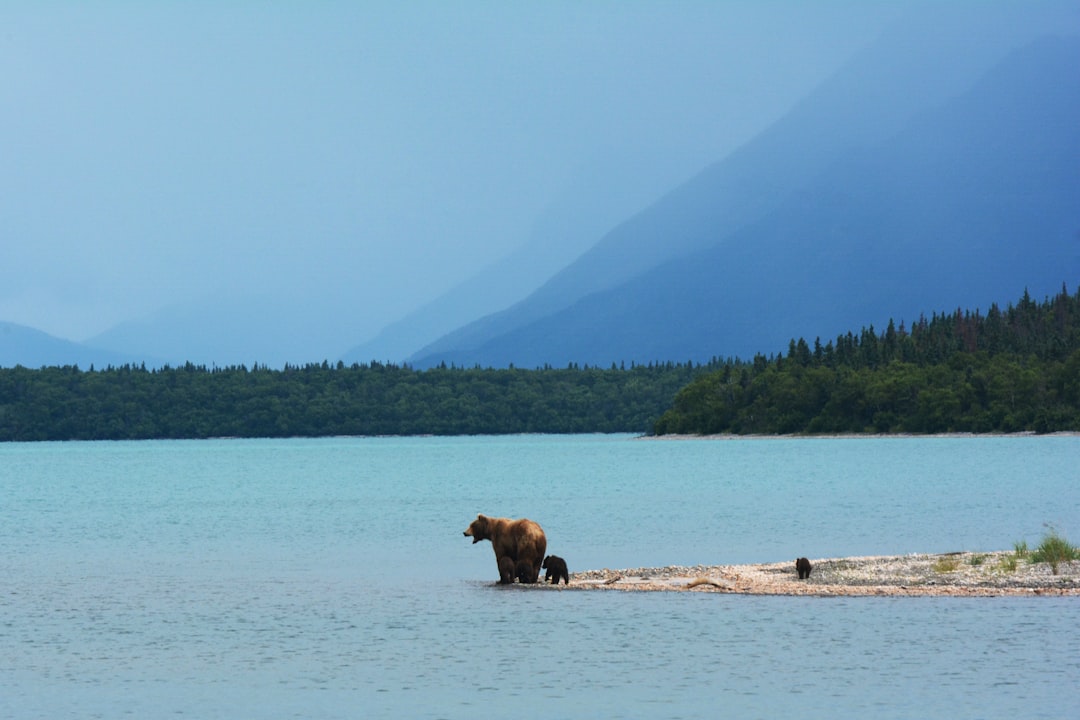
Sometimes disconnecting is the point. These parks have minimal to no cellular coverage, whether by geography, remoteness, or deliberate preservation of quiet. If you need to be unreachable, these parks make it easy. The score shown reflects connectivity: lower means less coverage.
Weather
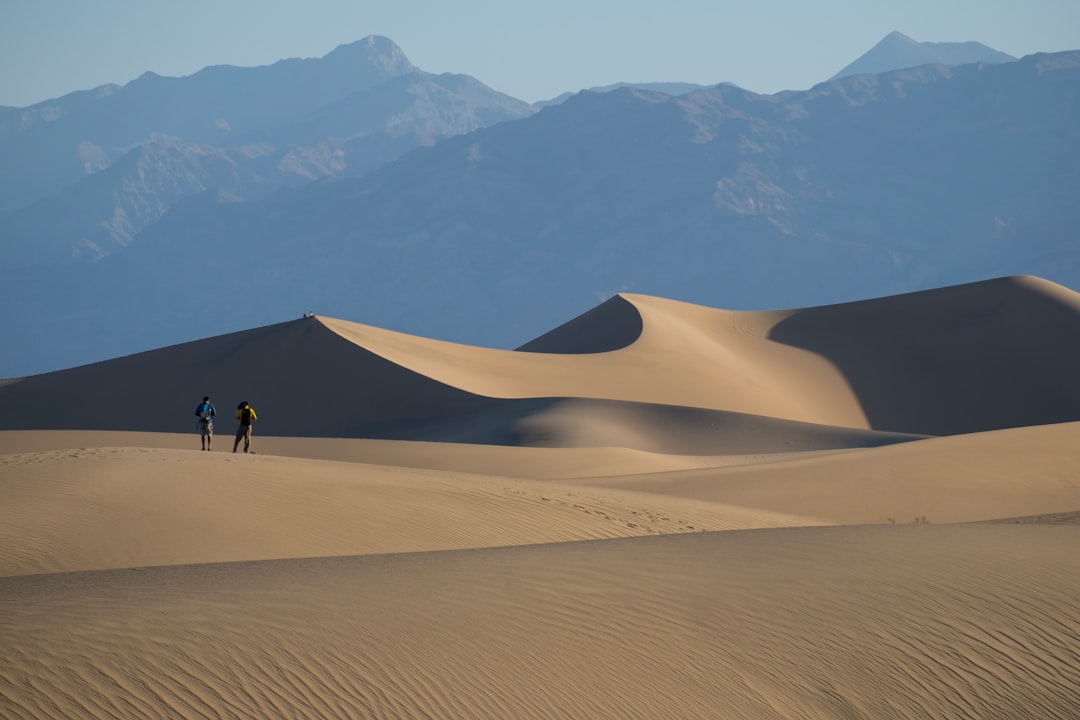
Hottest National Parks
Heat defines these parks. Summer temperatures regularly exceed 100°F, and some record highs approach 130°F. Visiting requires planning around extreme conditions: early mornings, shade-seeking afternoons, and serious hydration. The payoff is desert solitude and landscapes forged by sun.
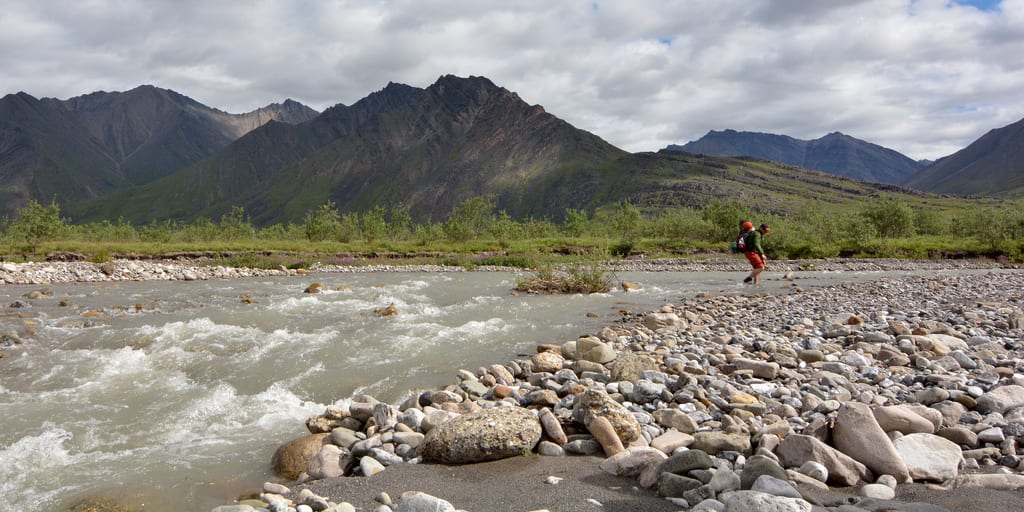
Coldest National Parks
Alaska dominates this list, and that's not a coincidence. These parks experience true arctic and subarctic cold: winter temperatures dropping to -40°F, 200+ freezing days per year, and summers that barely reach 60°F. Visiting means planning for conditions that would shut down most of the country.
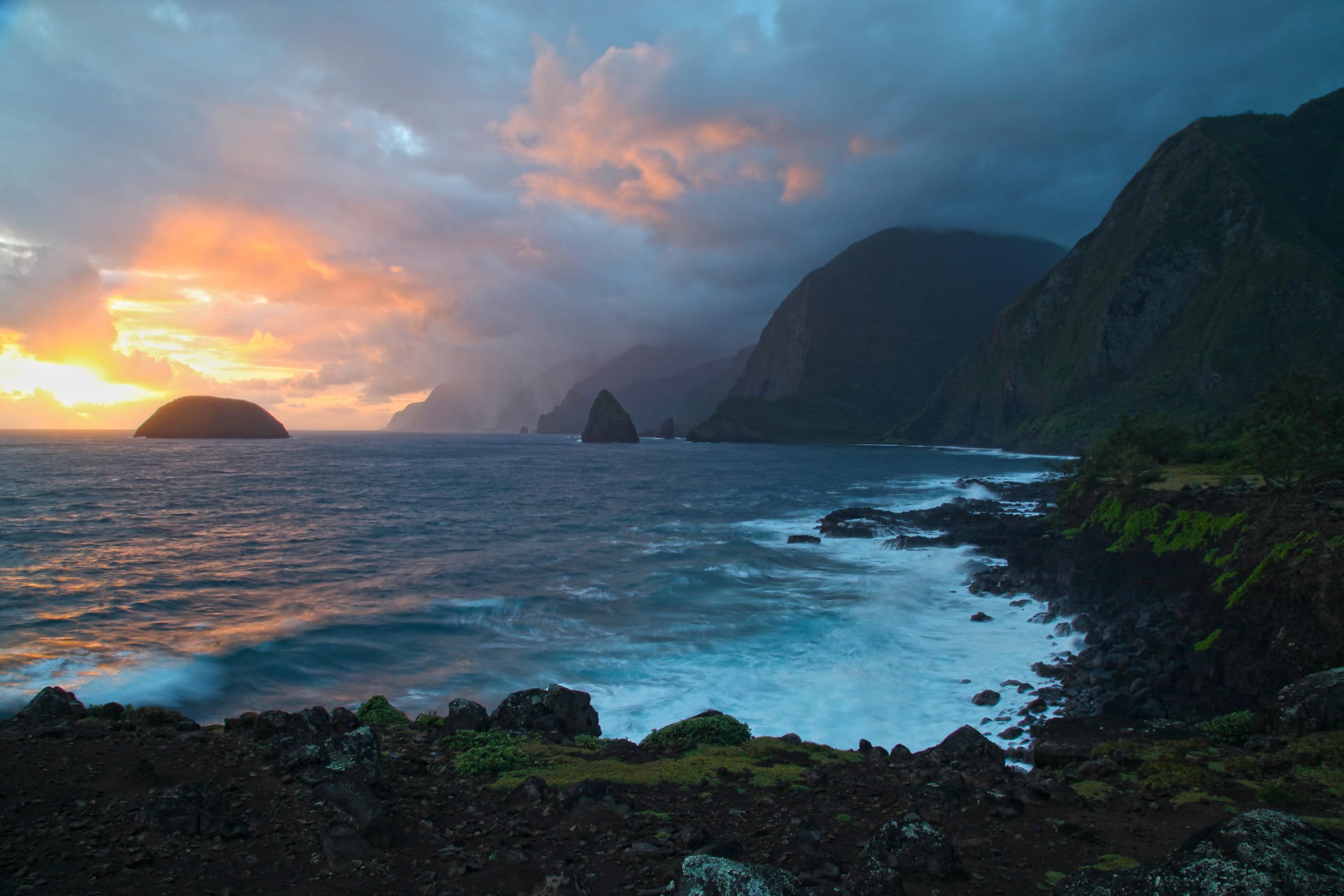
National Parks with the Mildest Weather
These parks stay comfortable year-round. No scorching summers, no brutal winters, just temperatures that hover in the pleasant range regardless of when you visit. Hawaii and the Caribbean dominate this list, along with coastal California parks where the Pacific moderates everything.

Sunniest National Parks
Blue skies as a near-guarantee. These parks average 85% or more sunshine year-round, with some topping 3,900 annual sunshine hours. The Caribbean, Hawaii, and desert Southwest dominate this list. Pack sunscreen and expect clear conditions almost every day you visit.
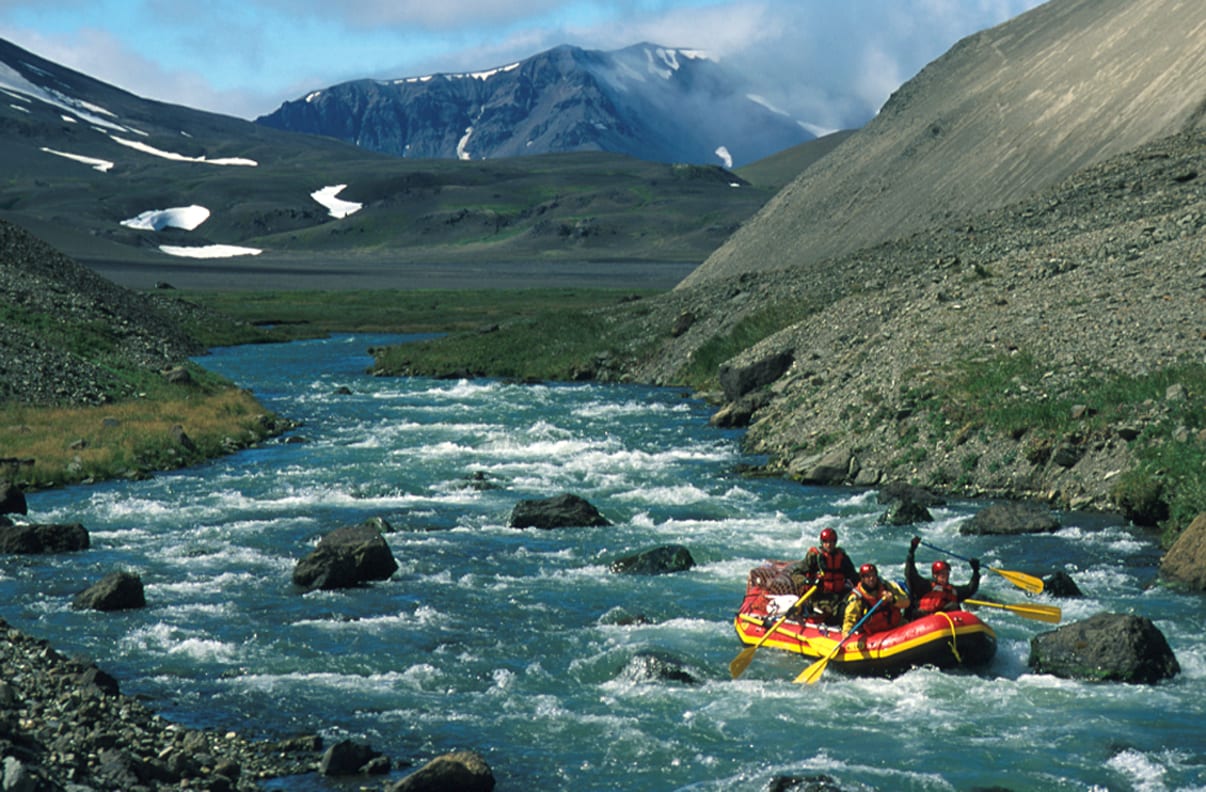
Foggiest National Parks
Atmosphere over clarity. These parks see clouds, mist, and fog more often than sun, creating moody landscapes that photographers and solitude-seekers prize. Alaskan coastal parks dominate, along with Great Lakes islands where lake effect weather keeps skies perpetually overcast.
Driest National Parks
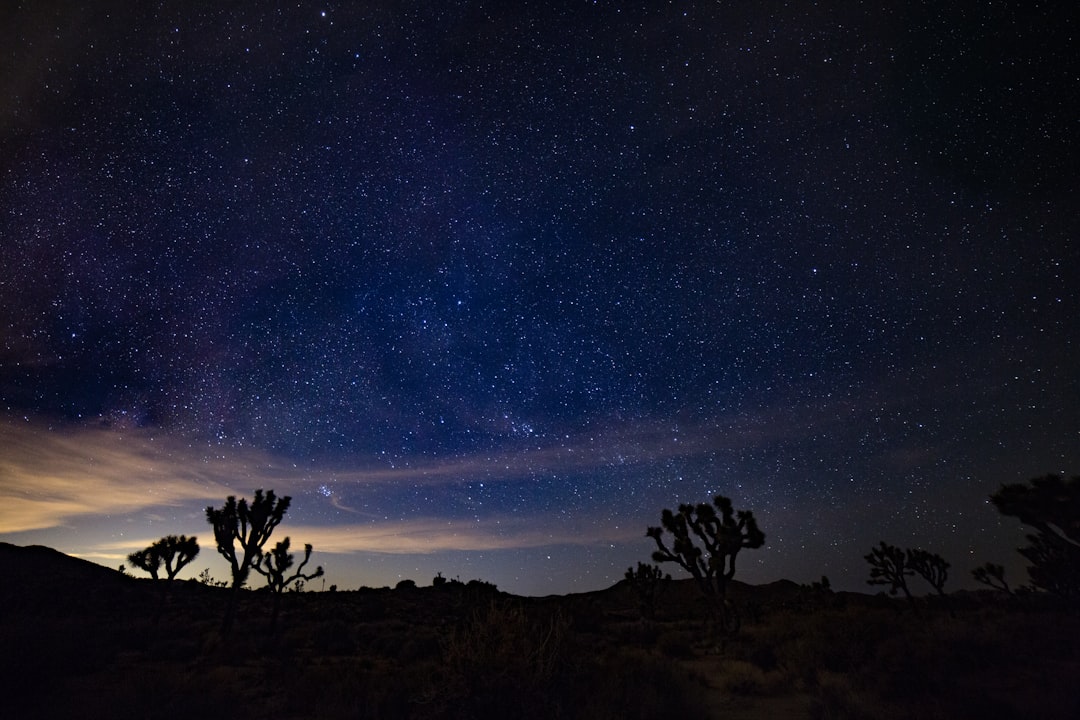
Desert parks where rain is the exception, not the rule. These parks average less than 10 inches of precipitation per year, with some seeing barely enough to measure. Plan for relentless sun, carry extra water, and enjoy landscapes shaped by aridity rather than obscured by clouds.
Rainiest National Parks
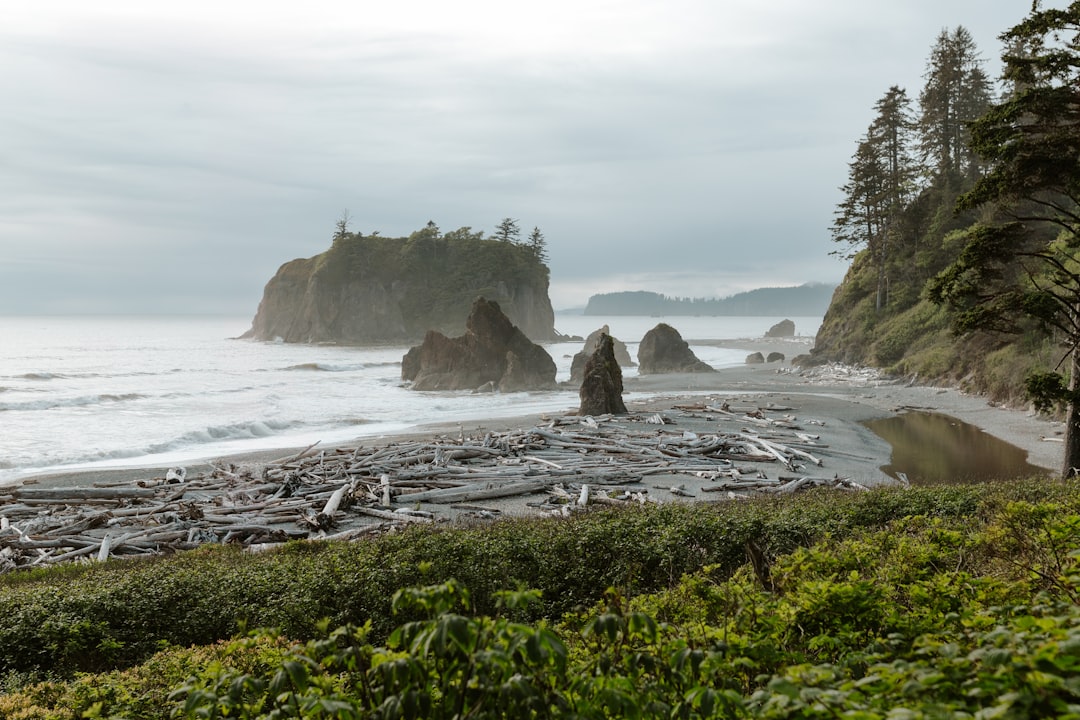
Pack your rain gear. These parks measure annual precipitation in feet, not inches. Temperate rainforests, glacial valleys, and tropical islands all share one thing: they're wet. The payoff is lush vegetation, roaring waterfalls, and ecosystems that depend on the constant moisture.
Snowiest National Parks
Measured in feet, not inches. These parks receive extraordinary snowfall, burying roads under 20+ feet and creating landscapes defined by glaciers, avalanche chutes, and winter recreation. Plan visits carefully, as many roads and facilities close under the weight of accumulation.
National Parks with the Most Predictable Weather
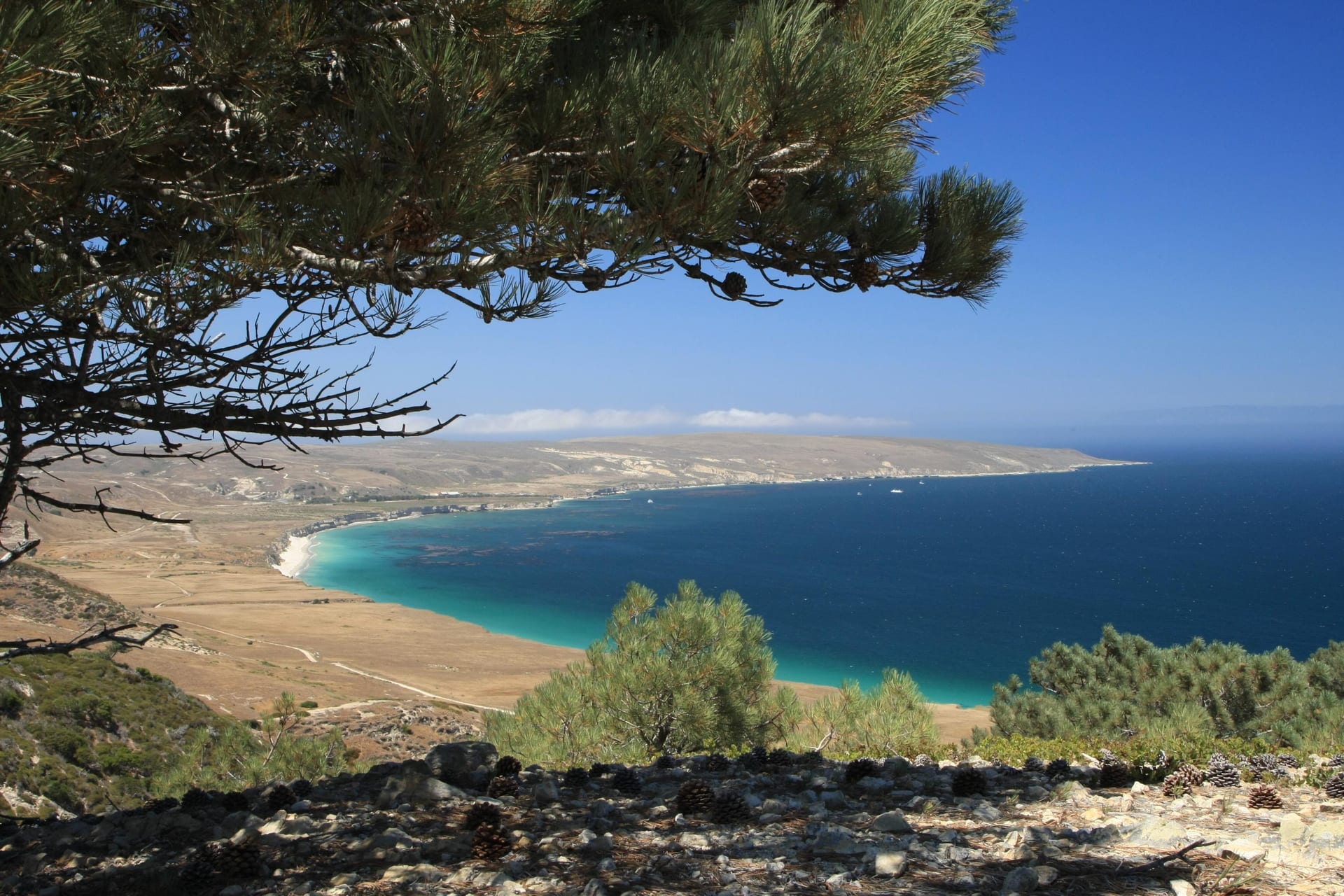
Plan with confidence. These parks experience minimal weather variability, with temperatures that barely fluctuate between seasons and conditions you can count on. California's coastal parks dominate, where the Pacific Ocean acts as a thermostat keeping conditions stable year-round.