- 10.
 0
0Dry Tortugas
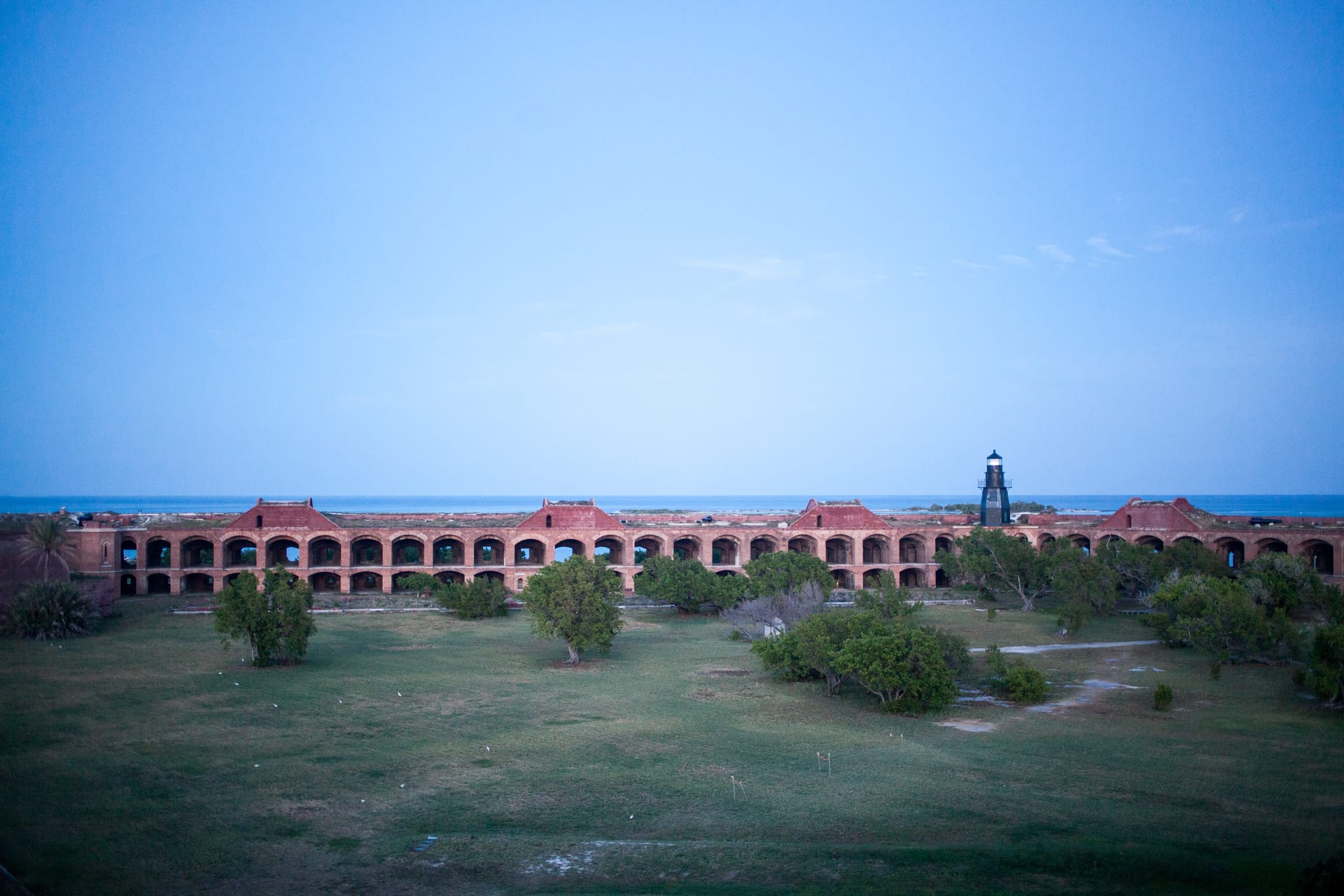
Seventy miles west of Key West, accessible only by boat or seaplane. The ferry takes 2.5 hours each way through open Gulf waters. The seaplane takes 40 minutes and costs accordingly. There is no overnight lodging on the island, only camping with composting toilets inside a Civil War-era fort. All water and supplies must come with you or arrive on the ferry. The isolation that made Fort Jefferson a perfect military prison now makes it a perfect escape, surrounded by clear water and coral reefs.
Explore:Park Profile - 9.
 0
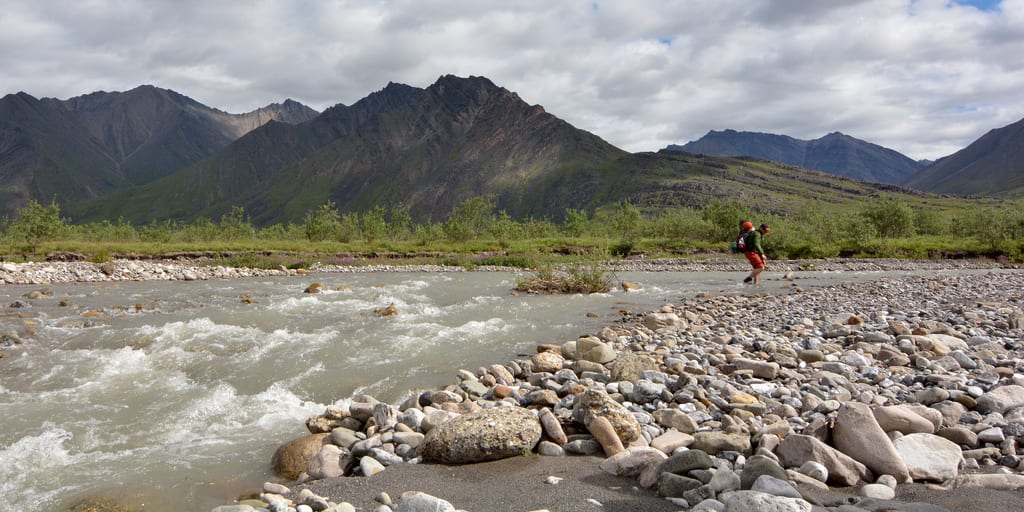
0Gates of the Arctic
No roads enter or cross Gates of the Arctic. No marked trails. No visitor facilities beyond two remote ranger stations accessible only by bush plane. This is wilderness as policy: 8.4 million acres of Brooks Range tundra and boreal forest, larger than Belgium, deliberately left without infrastructure. Most visitors fly from Fairbanks to the villages of Bettles or Coldfoot, then charter a floatplane to a gravel bar or alpine lake. The park sees fewer than 10,000 visitors per year. Some summers, you could camp for a week without seeing another person.
Explore:Park Profile - 8.
 0
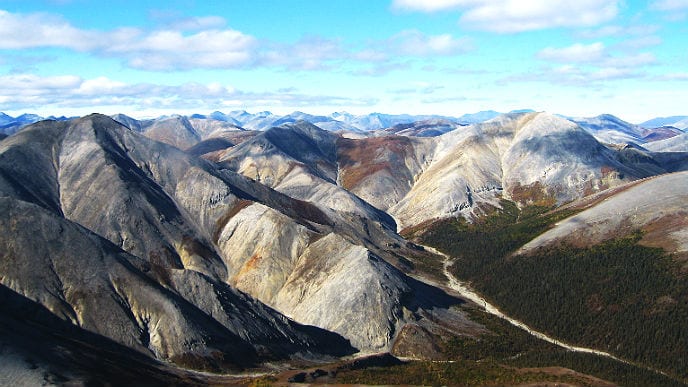
0Kobuk Valley
Above the Arctic Circle in northwest Alaska, Kobuk Valley protects the Great Kobuk Sand Dunes and the caribou migration routes the Inupiat have followed for 12,000 years. No roads reach the park. Access is by bush plane from Kotzebue, itself a flight from Anchorage with no road connections. The dunes cover 25 square miles and rise 100 feet above the tundra, remnants of glacial outwash from the last ice age. Half a million caribou pass through twice yearly. Visitors number in the hundreds.
Explore:Park Profile - 7.
 0
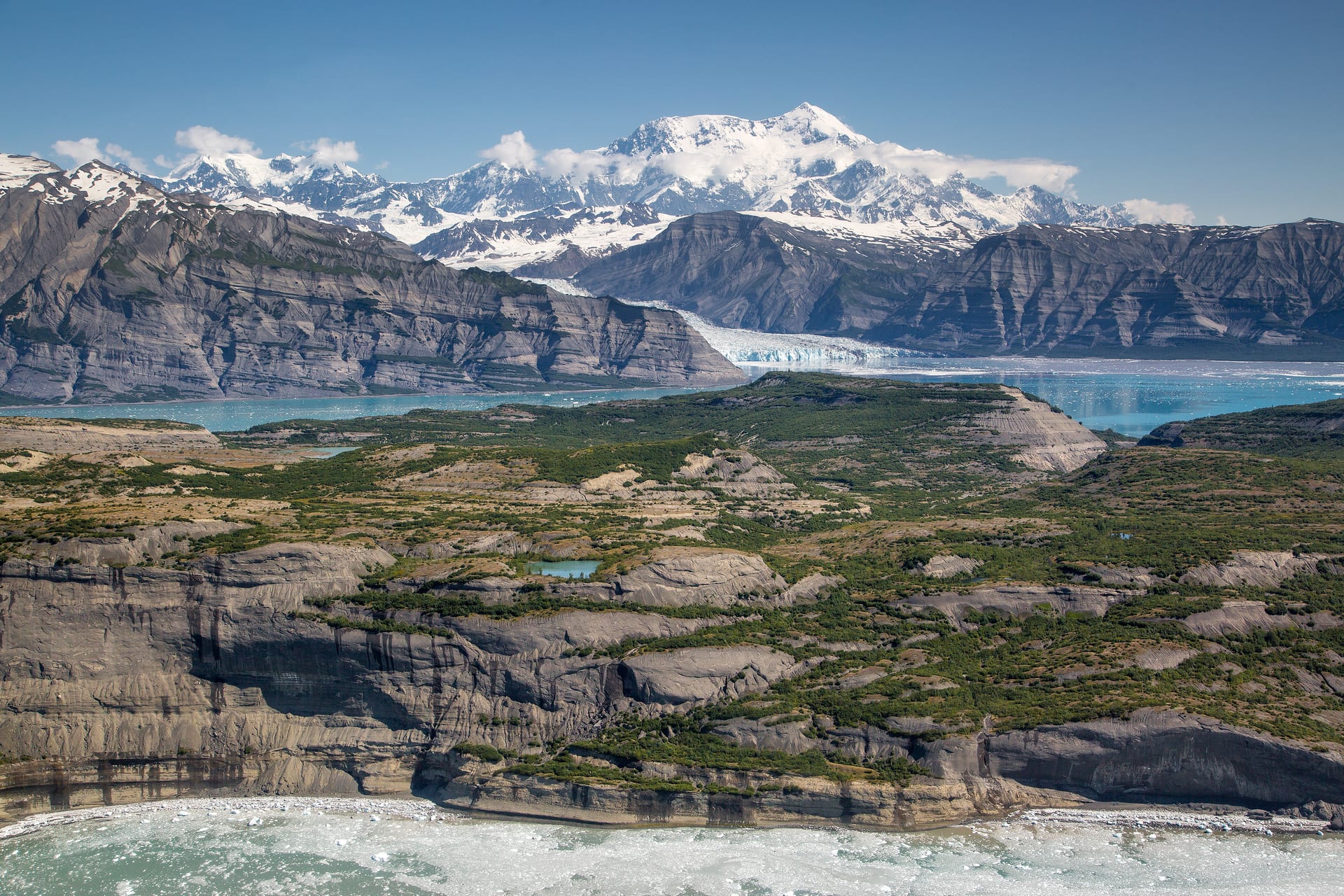
0Wrangell-St. Elias
The largest national park in America, six times the size of Yellowstone, with only two rough roads penetrating its edges. The McCarthy Road follows an old railroad grade 60 miles to a footbridge over the Kennicott River; there is no vehicle access to the town itself. The other road dead-ends at Nabesna, population minimal. The rest of the park, including nine of the sixteen highest peaks in North America, is accessible only by bush plane or weeks of hiking. Glaciers larger than states. Mountain ranges that would be centerpieces anywhere else serving as backdrop.
Explore:Park Profile - 6.
 0
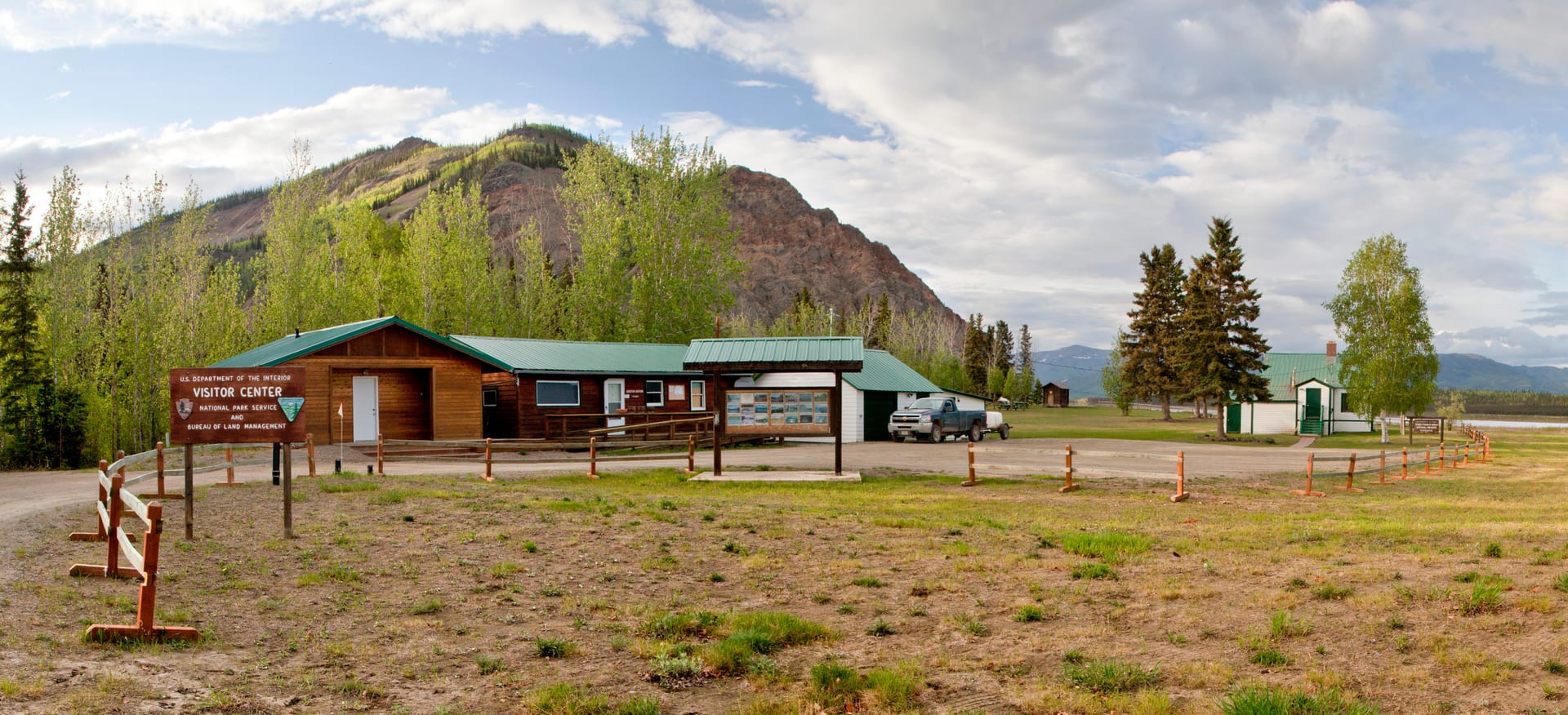
0Yukon-Charley Rivers
Two wild rivers meet in Alaska's interior, where the Yukon flows through a canyon flanked by 2,000-foot bluffs and the Charley drops from the headwaters to the confluence untouched by development. There is no road access. The Taylor Highway reaches Eagle on the Yukon's edge, but from there access is by boat or chartered flight. Peregrine falcons nest on the cliffs. Caribou migrate through. Paddlers who float the Yukon pass the remains of gold rush cabins abandoned a century ago.
Explore:Park Profile - 5.
 0
0Lake Clark
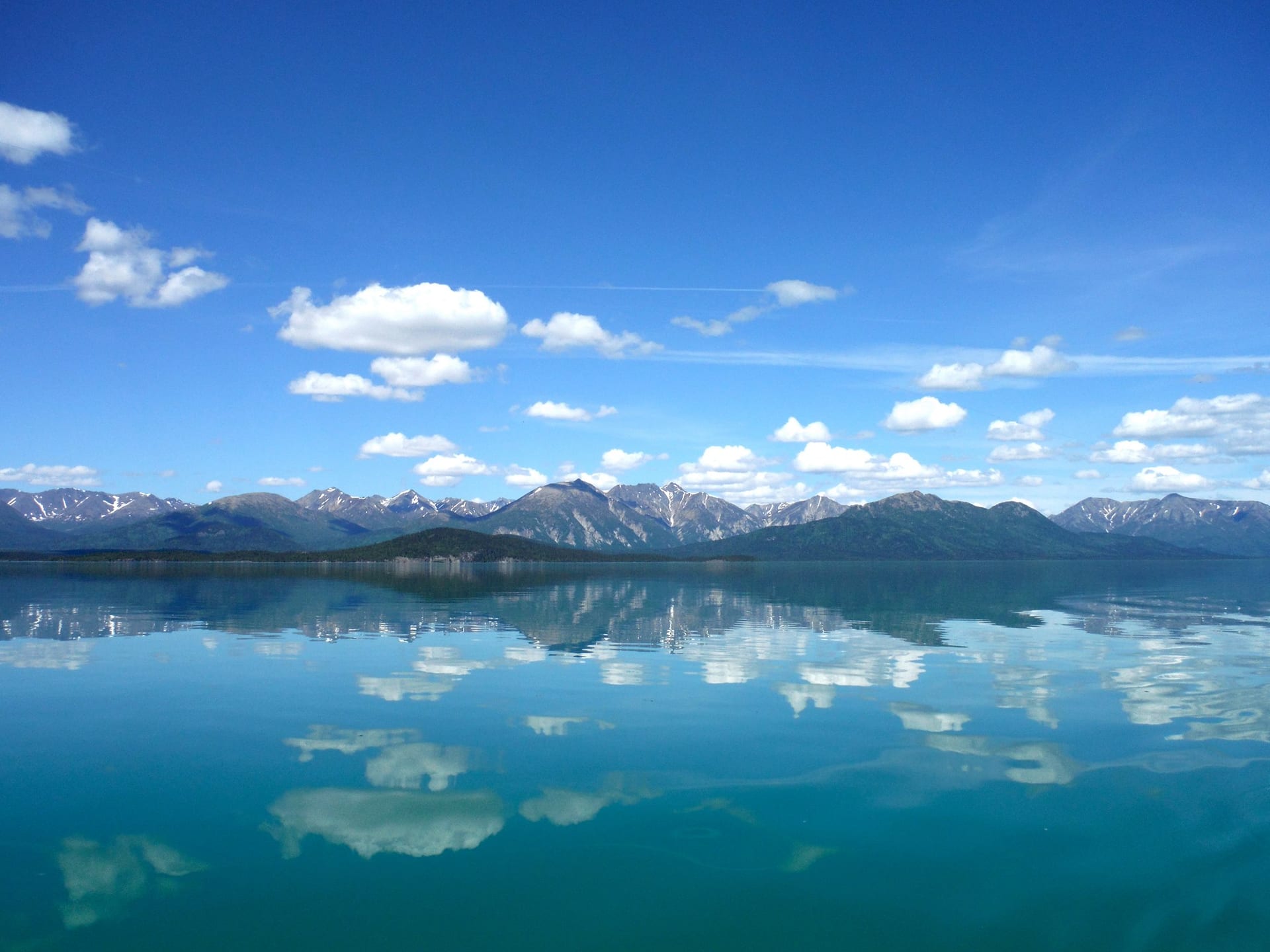
Four million acres of Alaskan wilderness where the Alaska and Aleutian ranges meet, with no road access and limited floatplane infrastructure. Most visitors fly from Anchorage to Port Alsworth, population 159, the park's unofficial gateway. From there, charter flights reach the coastline where brown bears fish for salmon, or the turquoise lakes that give the park its name. Lodge options exist for those willing to pay; everyone else comes prepared for backcountry self-sufficiency.
Explore:Park Profile - 4.
 0
0Virgin Islands
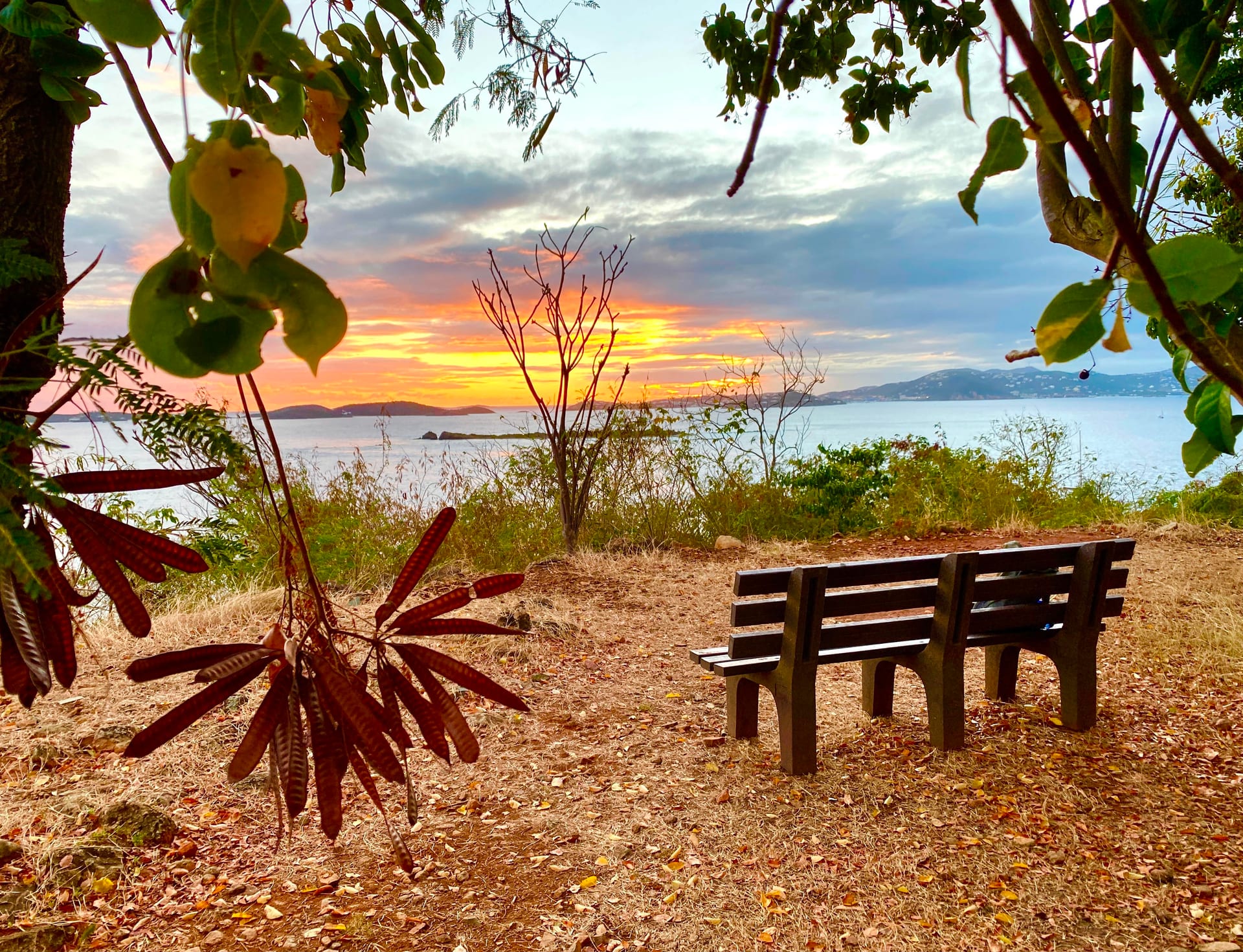
Two-thirds of St. John in the U.S. Virgin Islands, reachable only by ferry from St. Thomas or Red Hook. No commercial airport on St. John; no flights direct. Once there, the beaches rival anywhere in the Caribbean, with underwater snorkel trails through the coral. But getting there means connecting through San Juan or Miami, then flying to St. Thomas, then taking a ferry, then renting a vehicle on an island with left-side driving inherited from the Danish. The logistics filter out casual visitors.
Explore:Park Profile - 3.
 0
0Highlight’s Favorite: Noatak
Noatak scores third on this list, and it’s our favorite of the group.
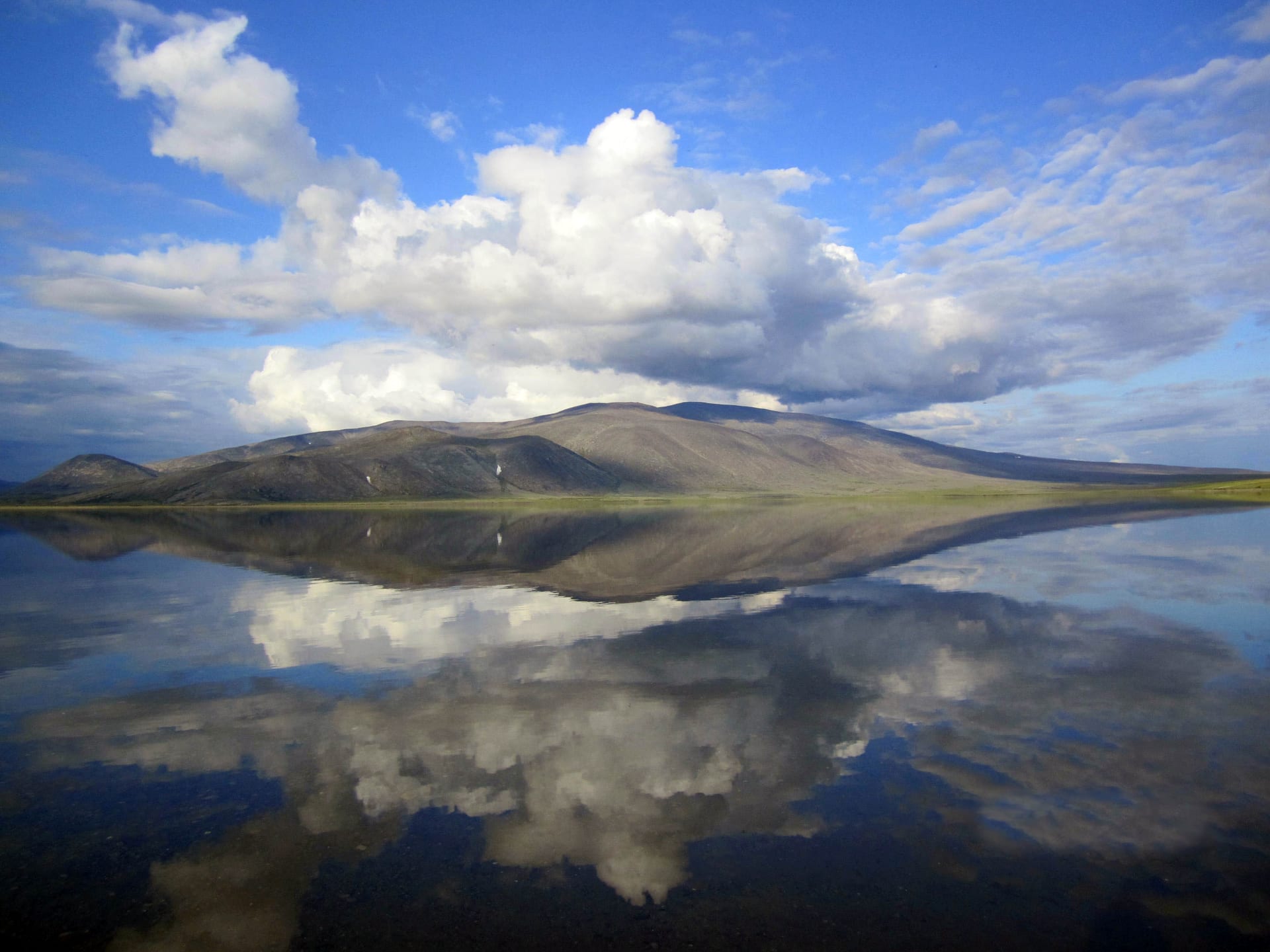
Gates of the Arctic and Kobuk Valley are harder to reach, but Noatak captures something about inaccessibility that raw logistics don’t fully explain. The Noatak River drains the western Brooks Range through a basin 65 miles wide and 200 miles long. The entire watershed lies within the preserve, unaltered by development. No roads. No trails. No structures. The preserve is larger than Yellowstone and Grand Canyon combined, and annual visitation fits in a high school gymnasium.
Getting here means flying to Kotzebue, which itself has no road connections, then chartering a bush plane to a drop point upstream. Most visitors float the river for days or weeks, paddling through tundra valleys above the Arctic Circle. The Western Arctic caribou herd migrates through. Wolves and grizzlies follow.
Every park on this list is hard to reach. Noatak is the one where the scale of the emptiness matches the effort required to get there.
Explore:Park Profile - 2.
 0
0Isle Royale
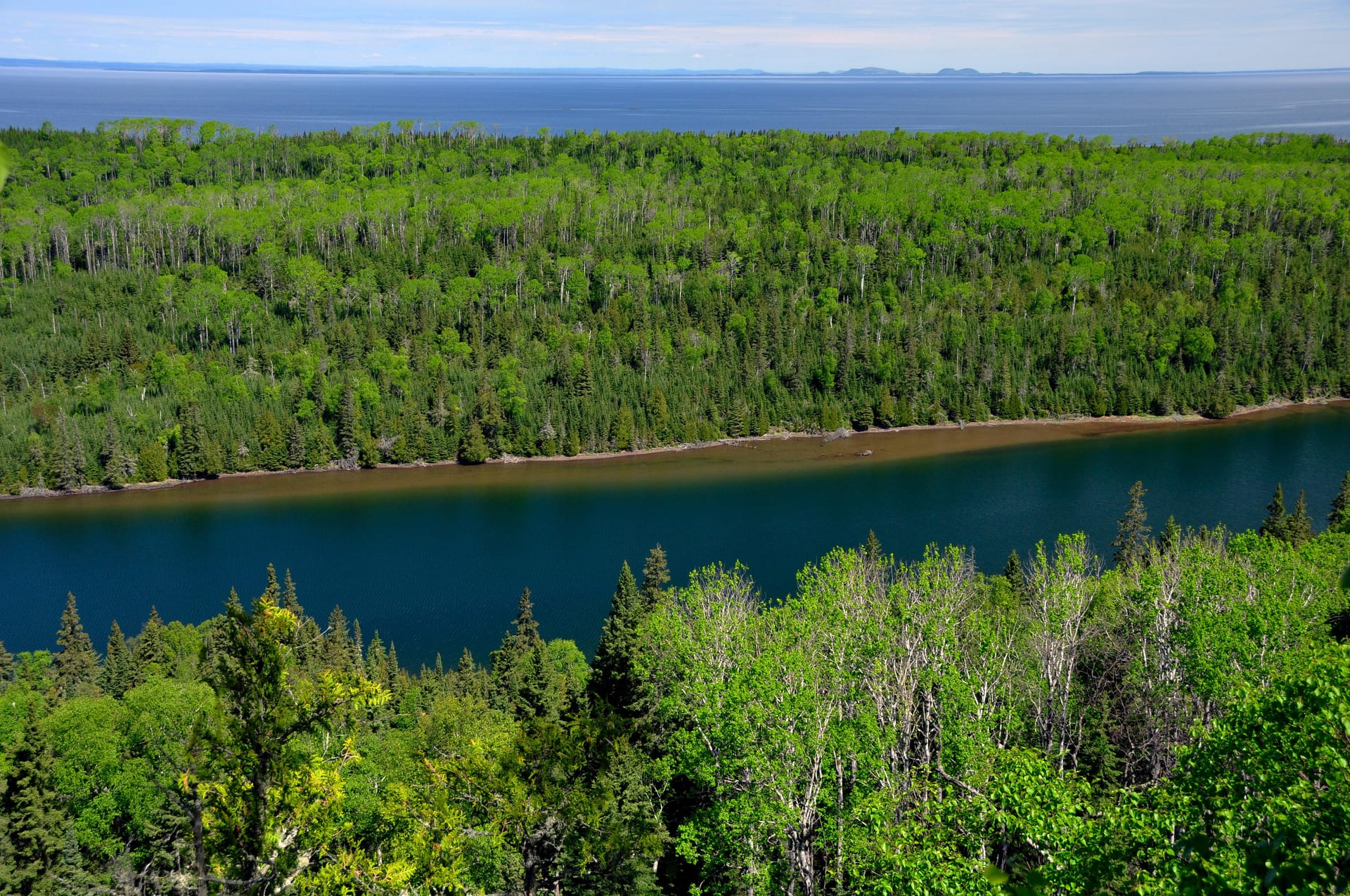
An island in Lake Superior, 45 miles from the nearest road. Ferries run from Houghton and Copper Harbor, Michigan, or Grand Portage, Minnesota, taking three to six hours depending on the route. Seaplanes offer faster access for those who can afford them. Once on the island, the only way around is on foot or by canoe. There are no cars, no bikes, no wheeled vehicles of any kind. Moose outnumber visitors on most days. The ferry schedule dictates everything; miss your boat and you're staying until the next one.
Explore:Park Profile - 1.
 0
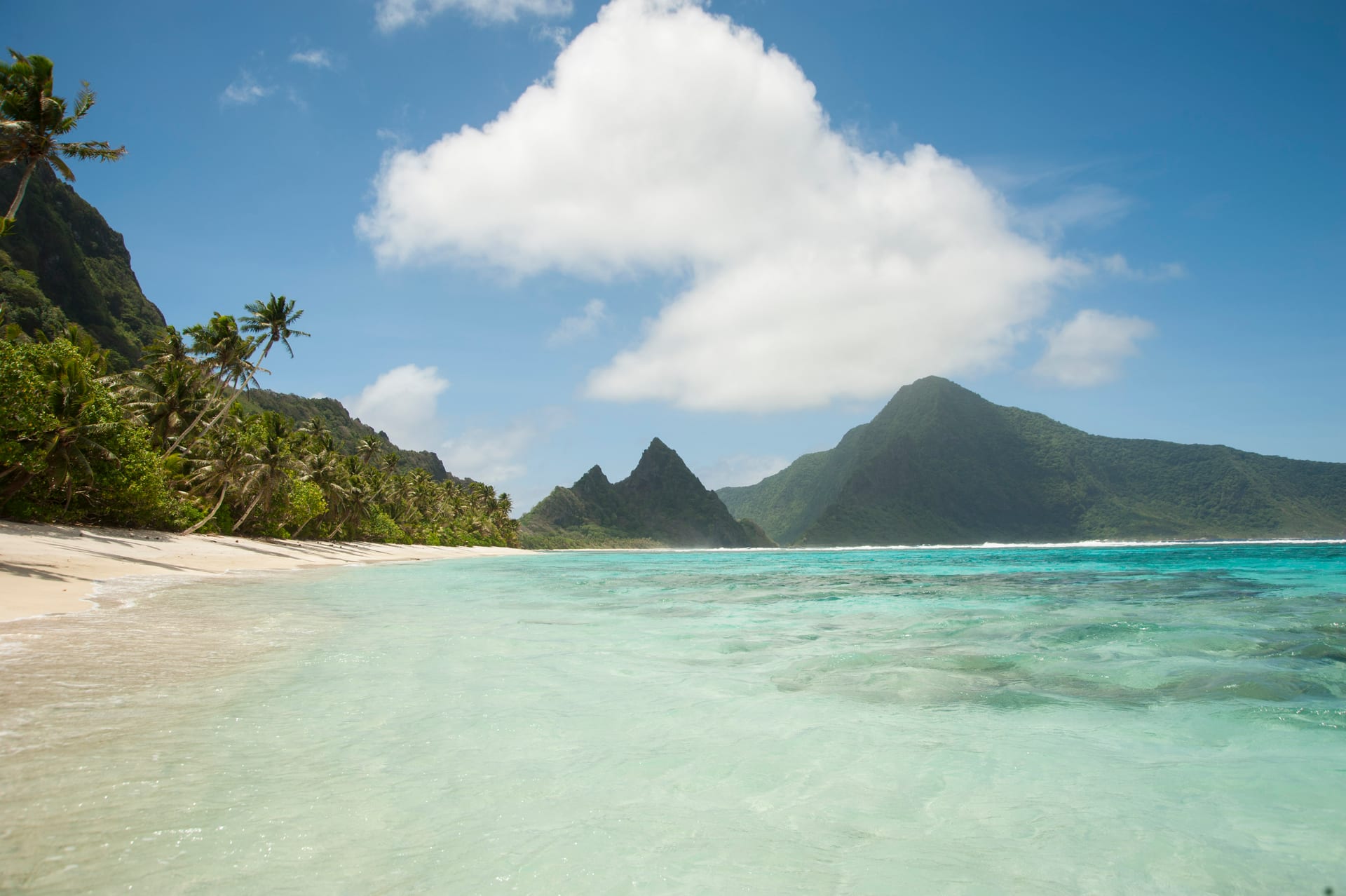
0American Samoa
The most remote unit of the National Park System, 2,600 miles southwest of Hawaii across the International Date Line. Three islands protect tropical rainforest, coral reefs, and 3,000-year-old Samoan cultural traditions. Flights go through Honolulu to Pago Pago, the territorial capital. No camping in the park; visitors stay with local families through a homestay program. The combination of distance, limited flights, and cultural immersion requirements keeps visitation to a few thousand per year.
Explore:Park Profile
185 parks scored on 85 criteria
Discover your perfect park
Find a destination that matches how you actually want to travel.
Get Started