- 10.
 100
100Ice Age
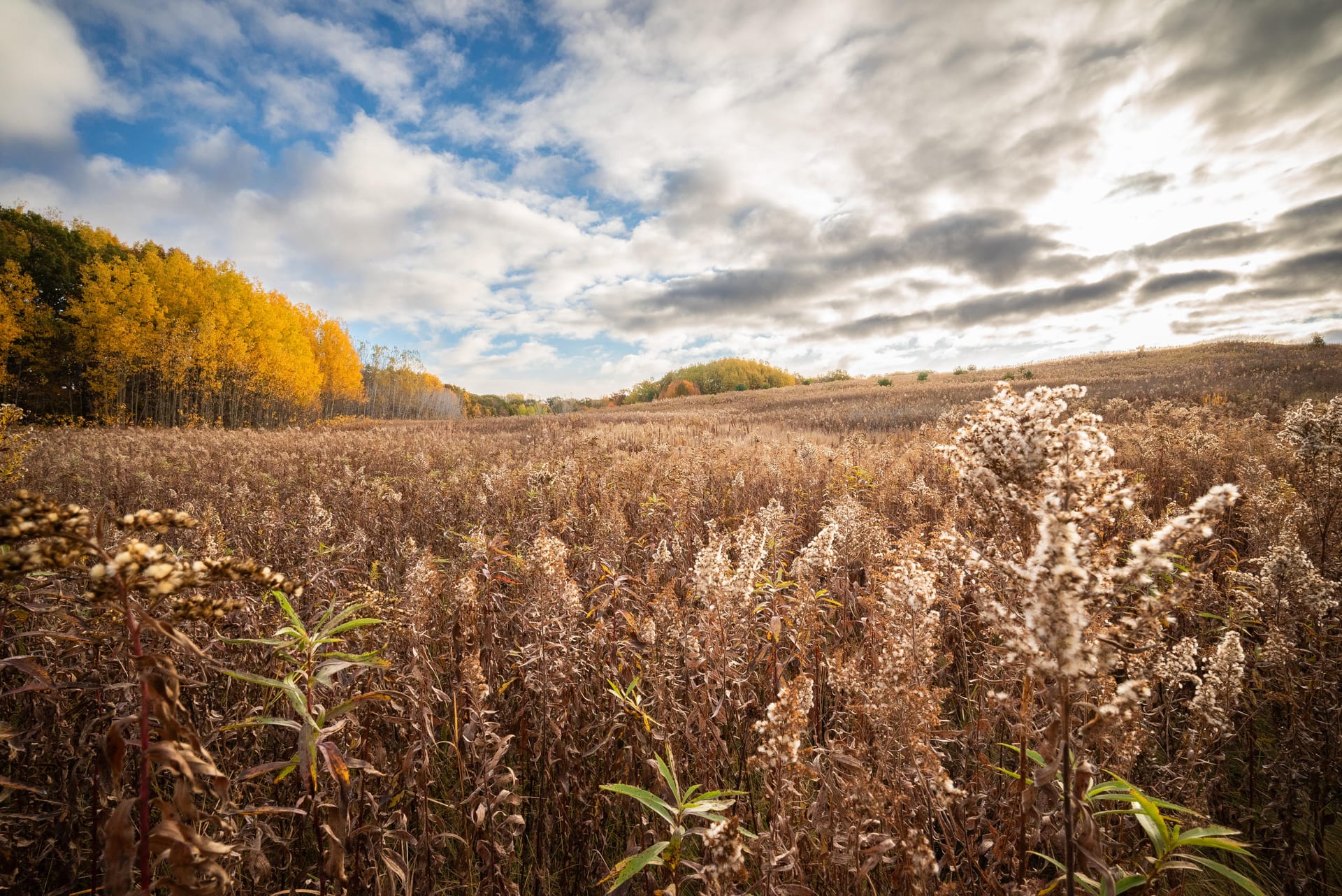
A thousand miles of trail across Wisconsin, following the edge of the last glacial advance. Most sections are rolling terrain through forest and farmland, hikeable without technical skills. The climate is Midwestern: predictable, if sometimes harsh. This is a trail that welcomes walkers of all abilities.
Explore:Park Profile - 9.
 100
100Wind Cave
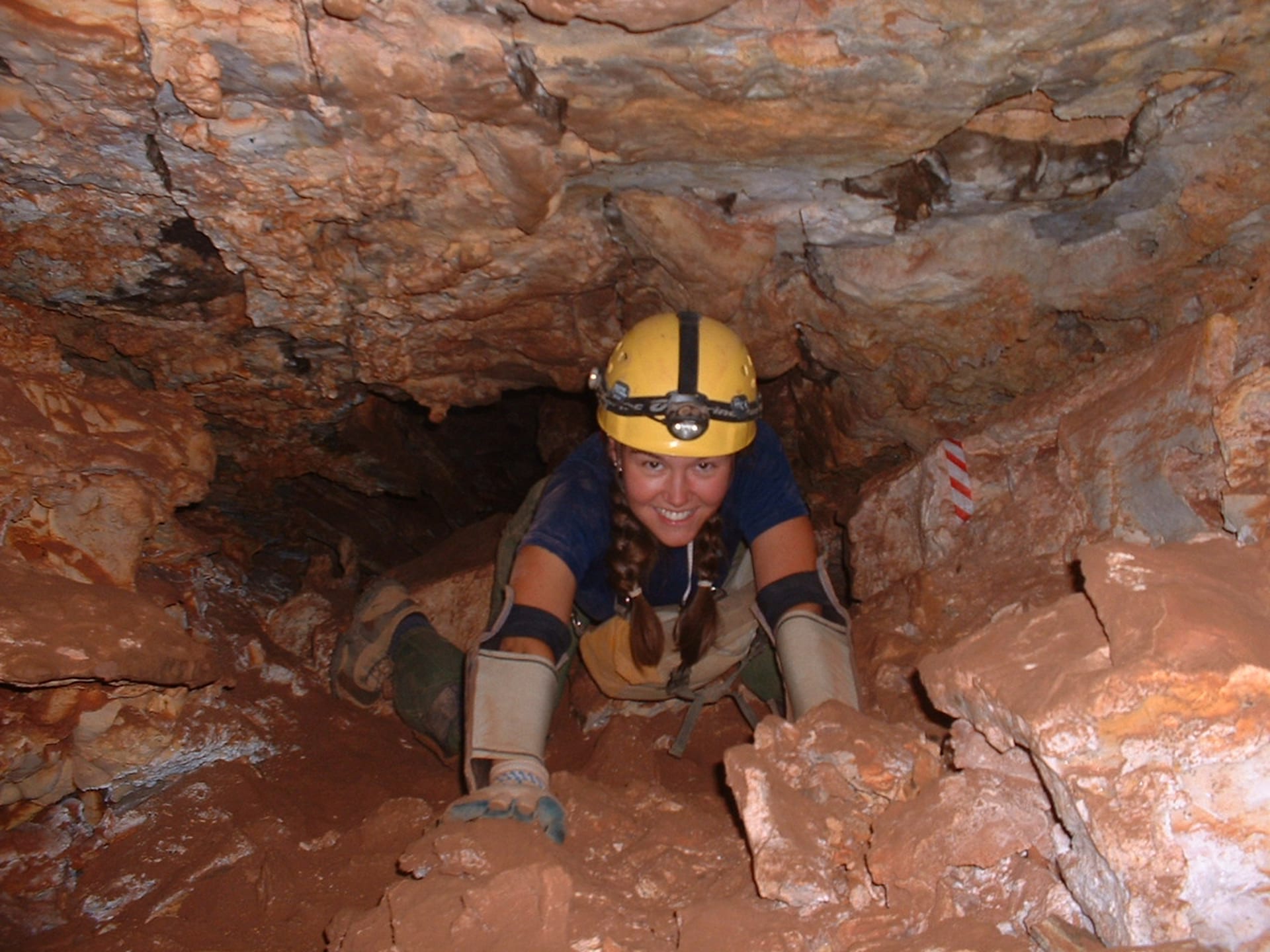
Above ground, bison and elk roam gentle prairie. Below, one of the world's longest caves is explored on guided tours with handrails and lighting. The cave tours are the only way in, and rangers manage all the hazards. The surface trails are moderate. This is wilderness made safe by infrastructure.
Explore:Park Profile - 8.
 100
100Devils Tower
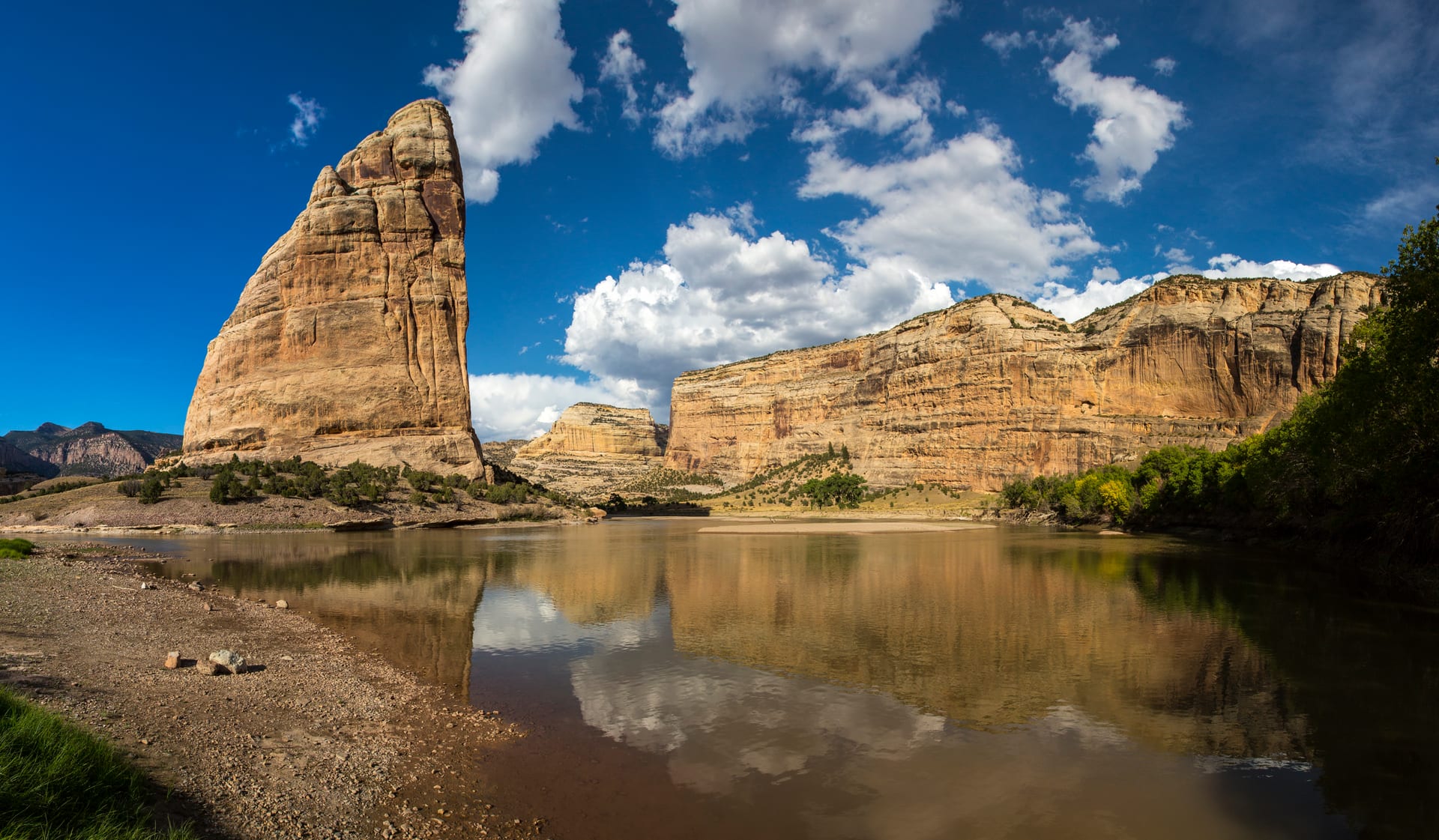
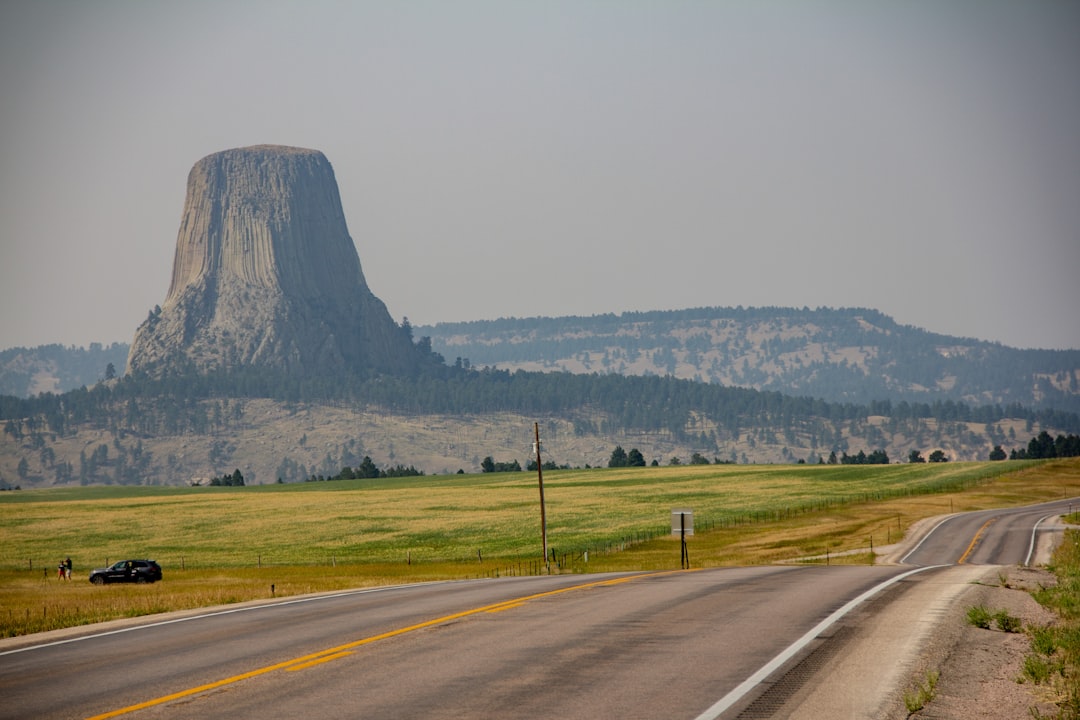
The tower itself draws technical climbers, but the base can be circled on a 1.3-mile paved trail. The prairie dog towns are the main attraction for most visitors. Rattlesnakes exist but are rarely encountered on maintained trails. The monument is small, well-signed, and difficult to get lost in.
Explore:Park Profile - 7.
 100
100Highlight’s Favorite: San Juan Island
San Juan Island scores seventh on this list with a perfect 100, and it’s our favorite for safety.
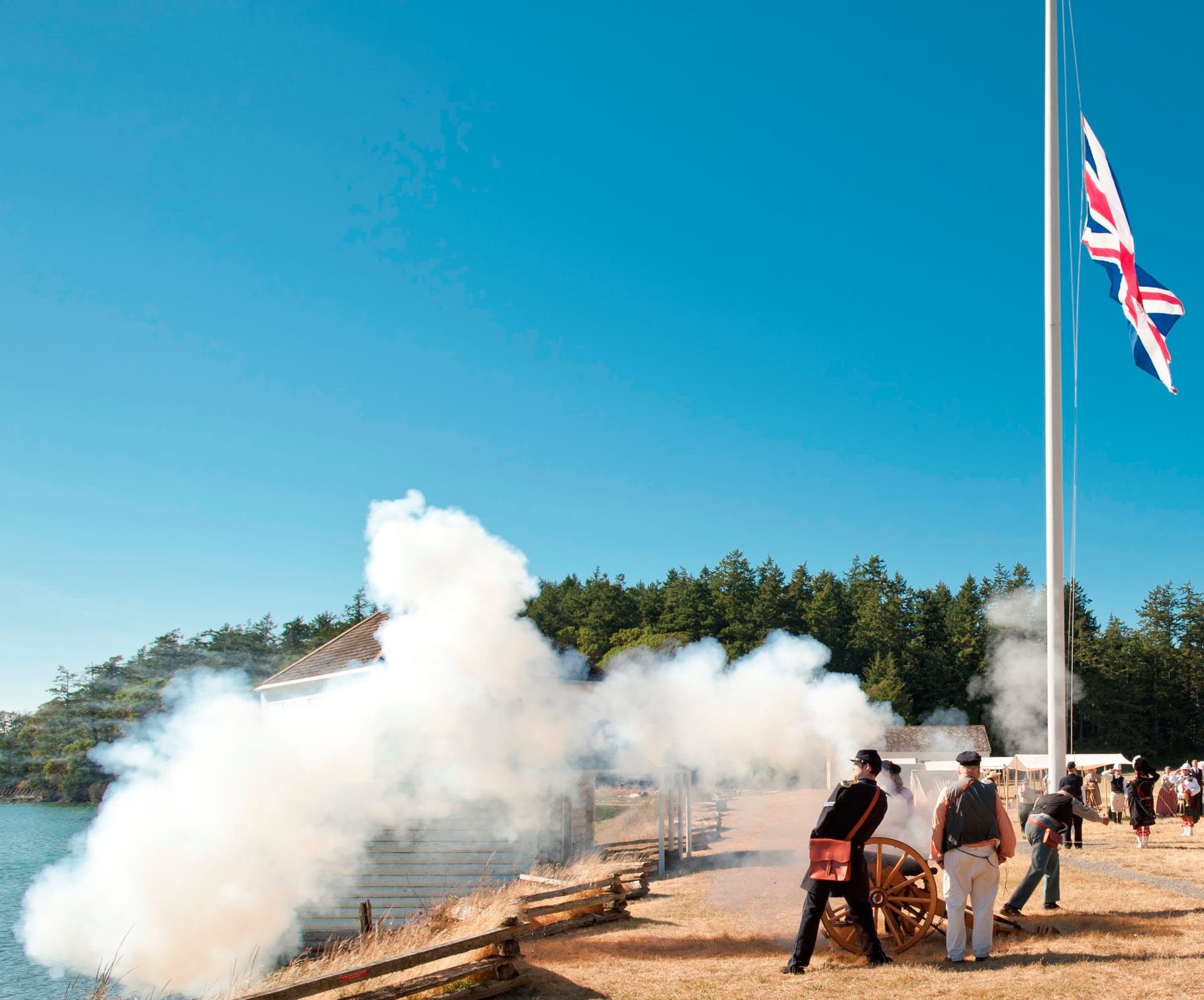
The park preserves the sites of the Pig War, an 1859 boundary dispute between the United States and Britain that started when an American farmer shot a British-owned pig rooting through his potato patch. The dispute escalated to warships and troop deployments before cooler heads prevailed. It lasted 12 years of joint military occupation. Total human casualties: zero. The war itself had a perfect safety record.
Orca whales are visible from the shoreline at Lime Kiln Point. The trails are gentle, winding through prairie and forest on Puget Sound islands accessible by Washington State Ferry. No technical terrain, no serious wildlife hazards, no elevation to speak of. This is Pacific Northwest scenery with essentially nothing that can hurt you. Several parks on this list score 100 for safety. San Juan Island is the one with a backstory that matches.
Explore:Park Profile - 6.
 100
100Theodore Roosevelt
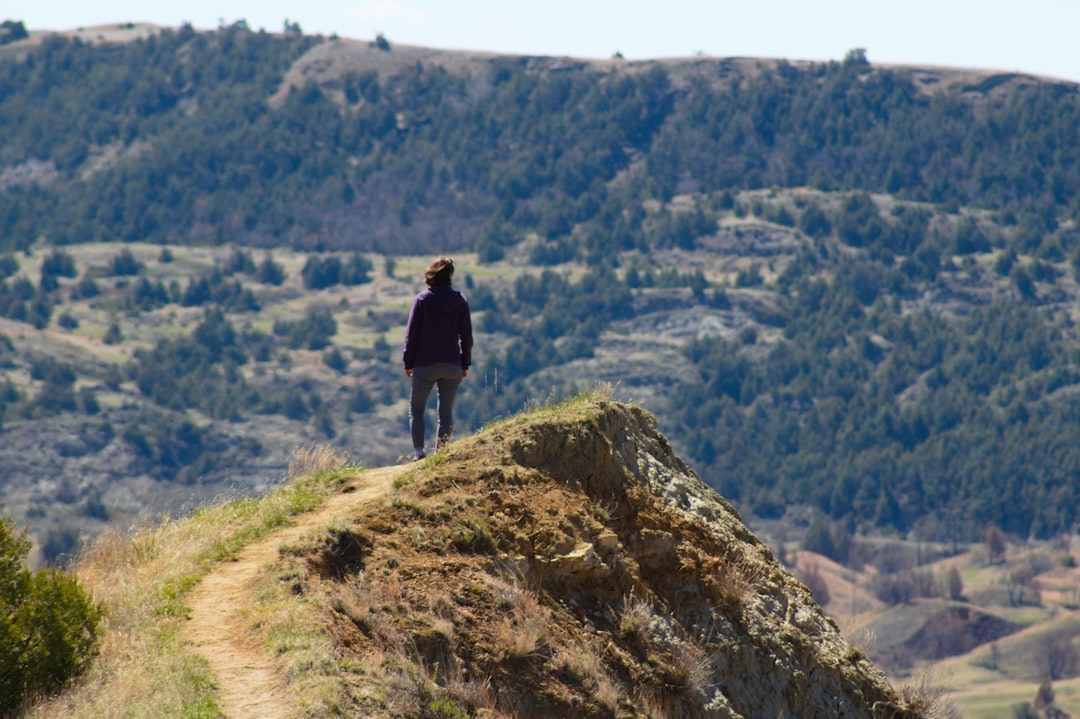
North Dakota badlands with bison, wild horses, and prairie dog towns, all viewable from the scenic loop drives. The trails are moderate and well-maintained. The weather can be extreme, but the park's infrastructure keeps visitors oriented. Roosevelt himself found this landscape healing after personal tragedy.
- 5.
 100
100Badlands
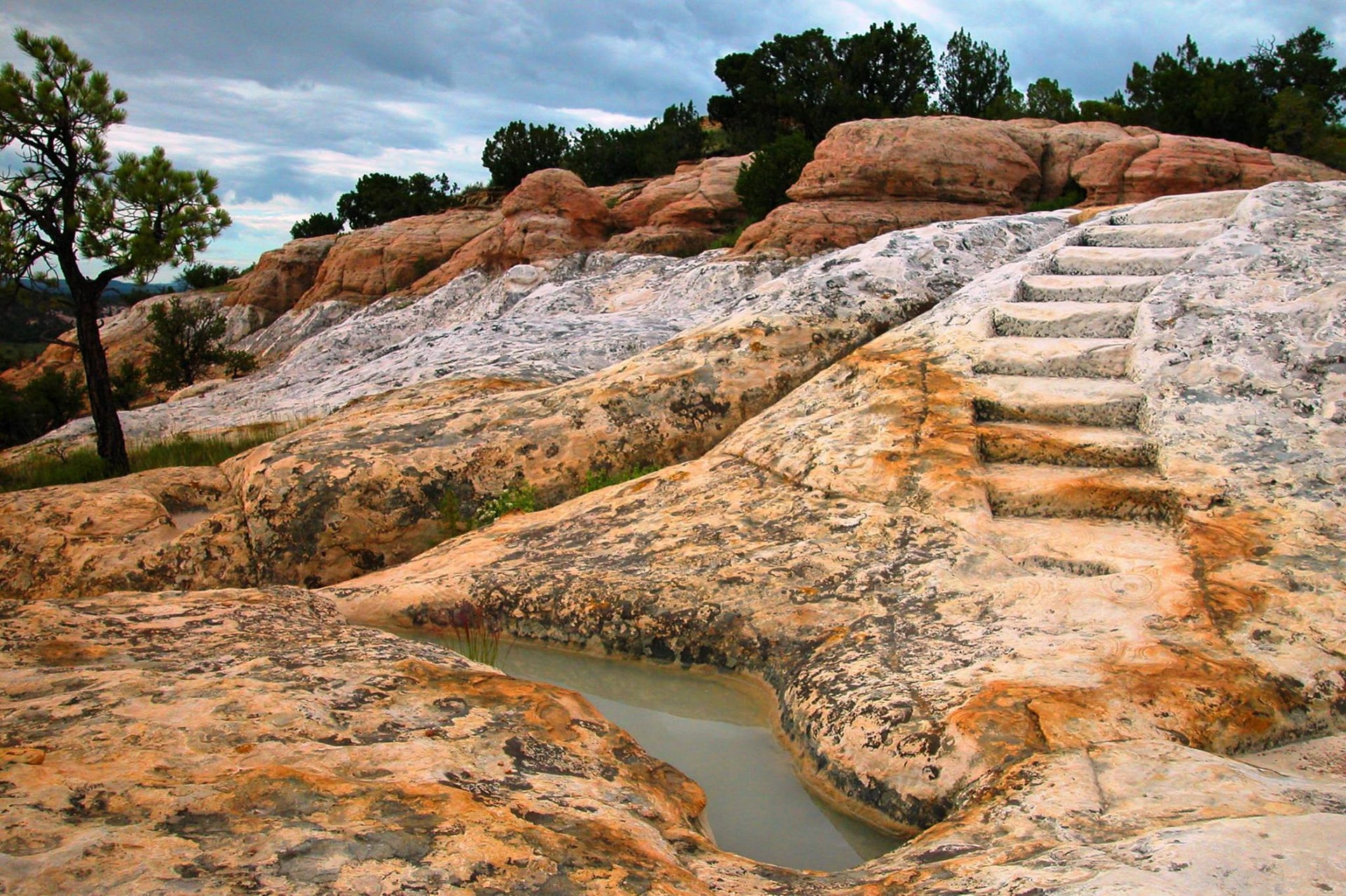
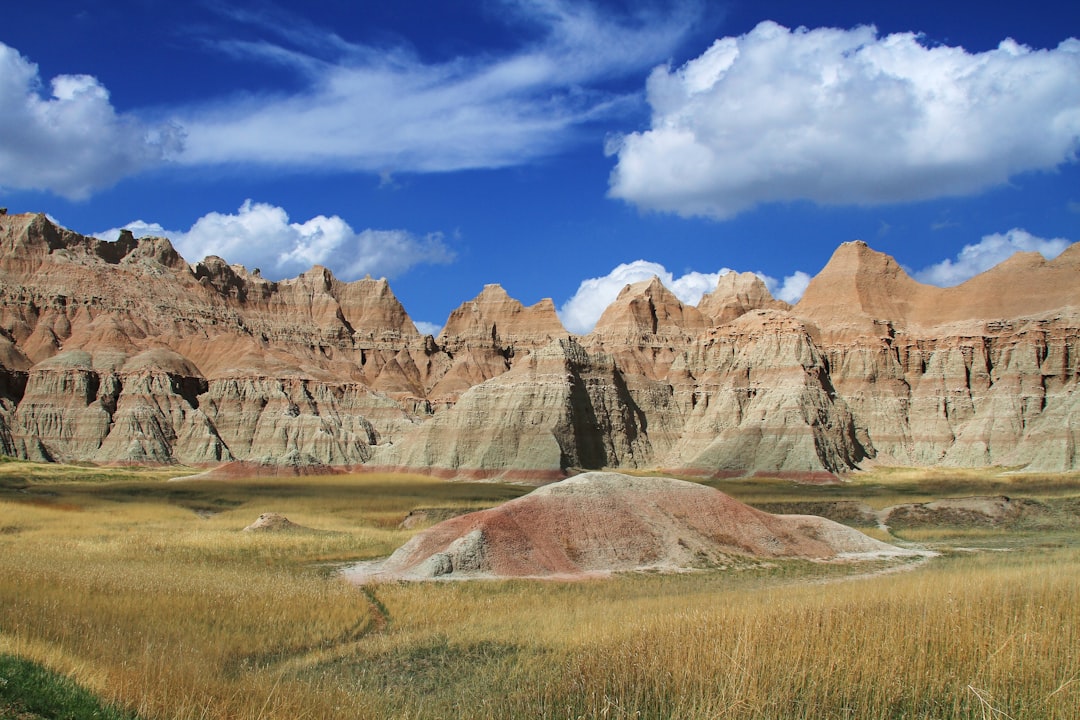
The formations look dramatic, but the hiking is straightforward. Notch Trail has a ladder section that's the most technical feature in the park. The climate is harsh in extremes, but the terrain itself is forgiving. Bison are present but accustomed to visitors. This is prairie landscape made accessible.
- 4.
 100
100Assateague Island
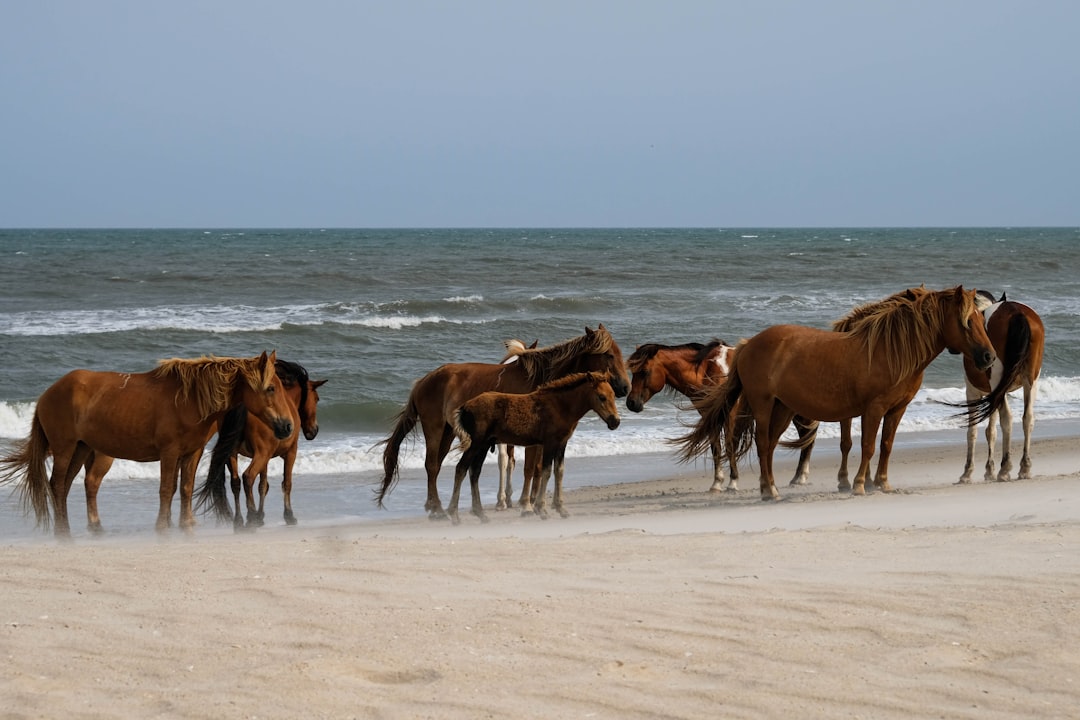
A barrier island with wild horses, accessible beaches, and flat terrain that requires no technical skills to explore. The horses are the main hazard, and they're avoidable with basic awareness. Kayak the back bays, walk the beach, camp in the dunes. The worst that typically happens here is a bad sunburn or a mosquito-filled evening.
Explore:Park Profile - 3.
 100
100Sleeping Bear Dunes
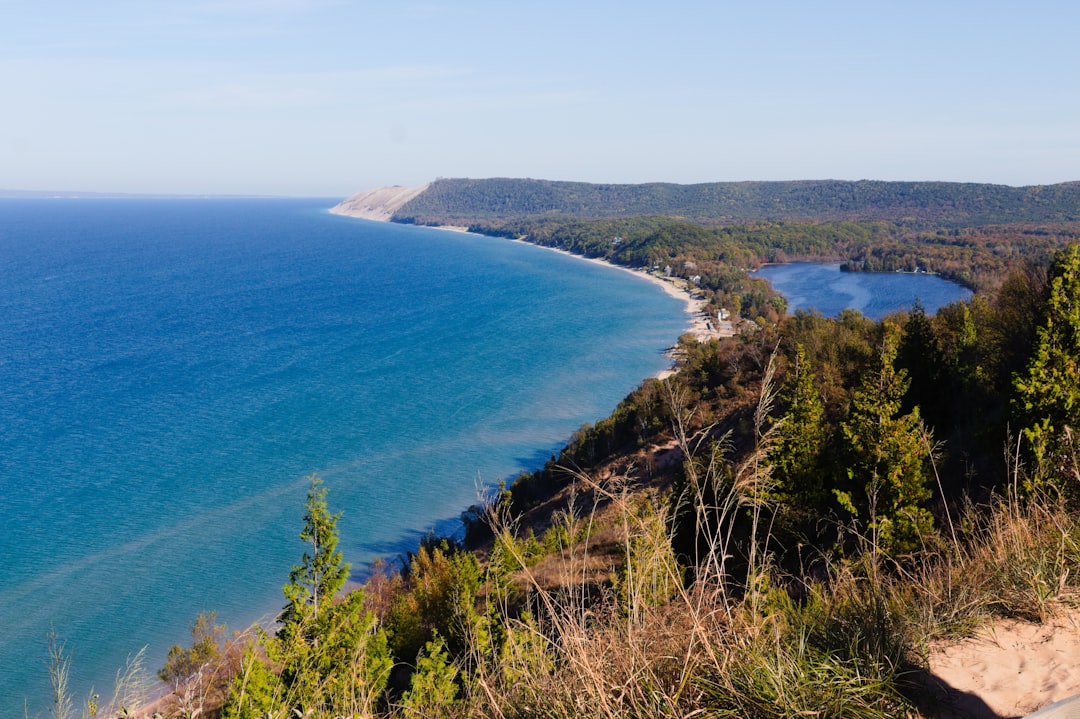
The Dune Climb is strenuous but not technical. The beaches are some of the safest swimming on the Great Lakes. The Manitou Islands add adventure for those who want it, but the mainland sections are family-friendly. Lake Michigan can be cold, but the terrain forgives mistakes.
Explore:Park Profile - 2.
 100
100Cape Cod
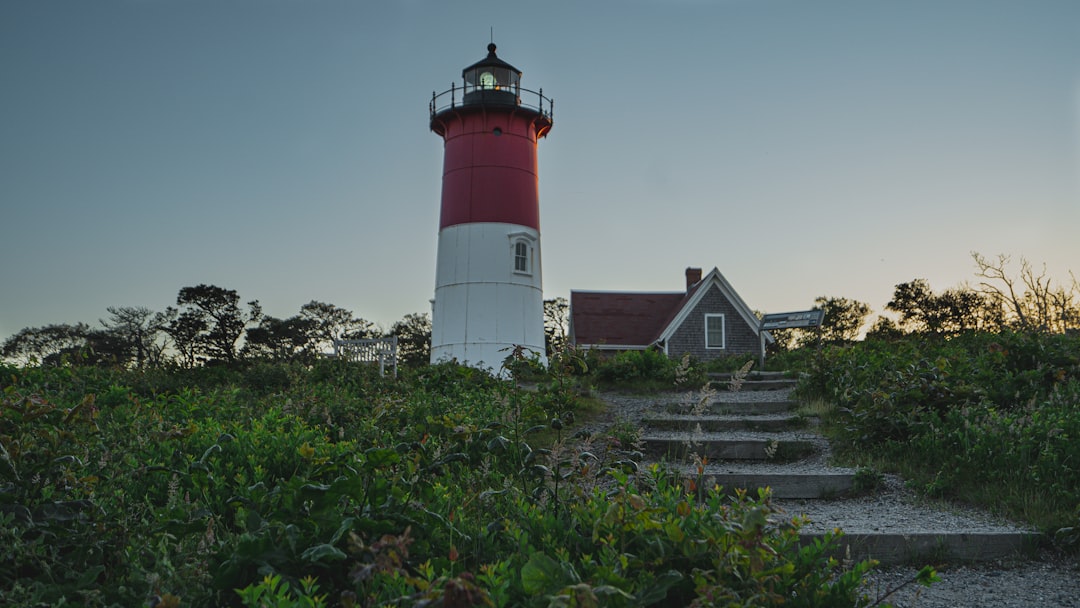
Forty miles of Atlantic beach backed by dunes and kettle ponds. The swimming can have undertow, but the park's beaches are lifeguarded in summer. The Province Lands trails wander through pine and dune without serious elevation. Seals attract great white sharks offshore, but the beaches are monitored. Mostly, this is sand, water, and sun.
- 1.
 100
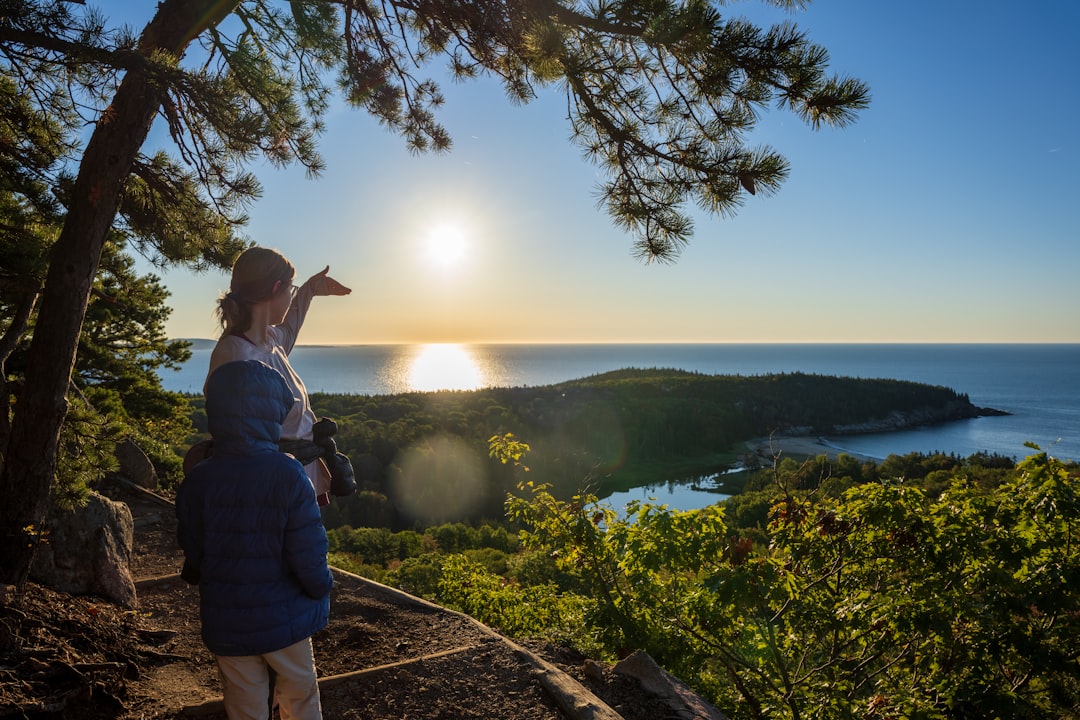
100Acadia
Carriage roads offer 45 miles of car-free walking and biking on crushed stone paths, originally built for horse-drawn carriages. The terrain is challenging enough to be interesting but rarely dangerous. Cadillac Mountain is driveable. The loop road connects all major attractions. The Atlantic coast can be rough, but the park's infrastructure makes it accessible without specialized skills.
185 parks scored on 85 criteria
Discover your perfect park
Find a destination that matches how you actually want to travel.
Get Started