- 10.
 95
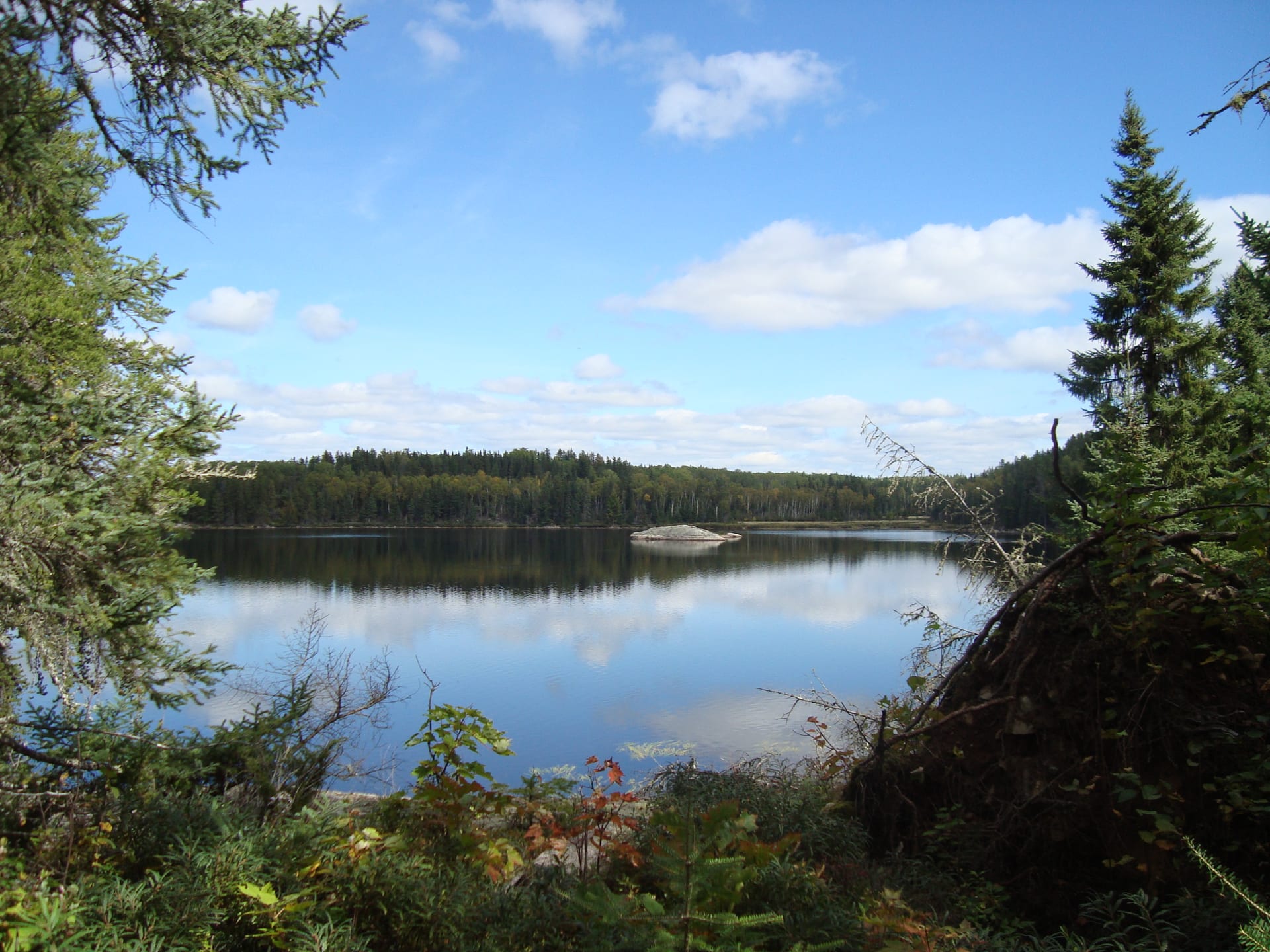
95Voyageurs
Explore:Park Profile - 9.
 96
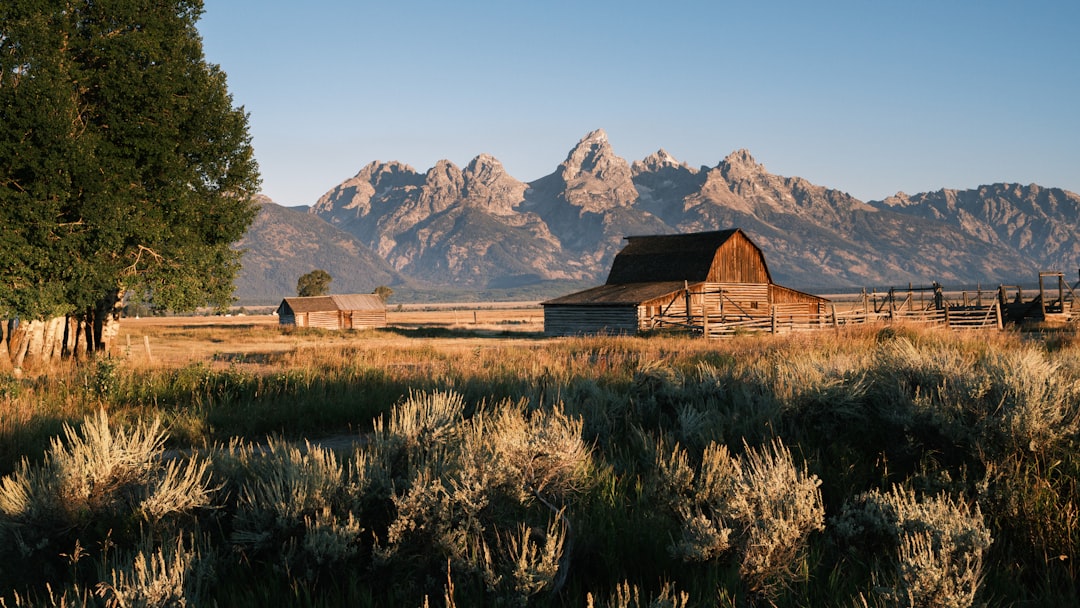
96Grand Teton
The Tetons wear their best in winter white, rising above Jackson Hole's world-class skiing. Cross-country trails wind through the sagebrush flats. Wildlife concentrates in the snow-free areas near the Snake River. The elk refuge hosts thousands of wintering elk, viewable from sleigh rides that run through their midst.
- 8.
 96
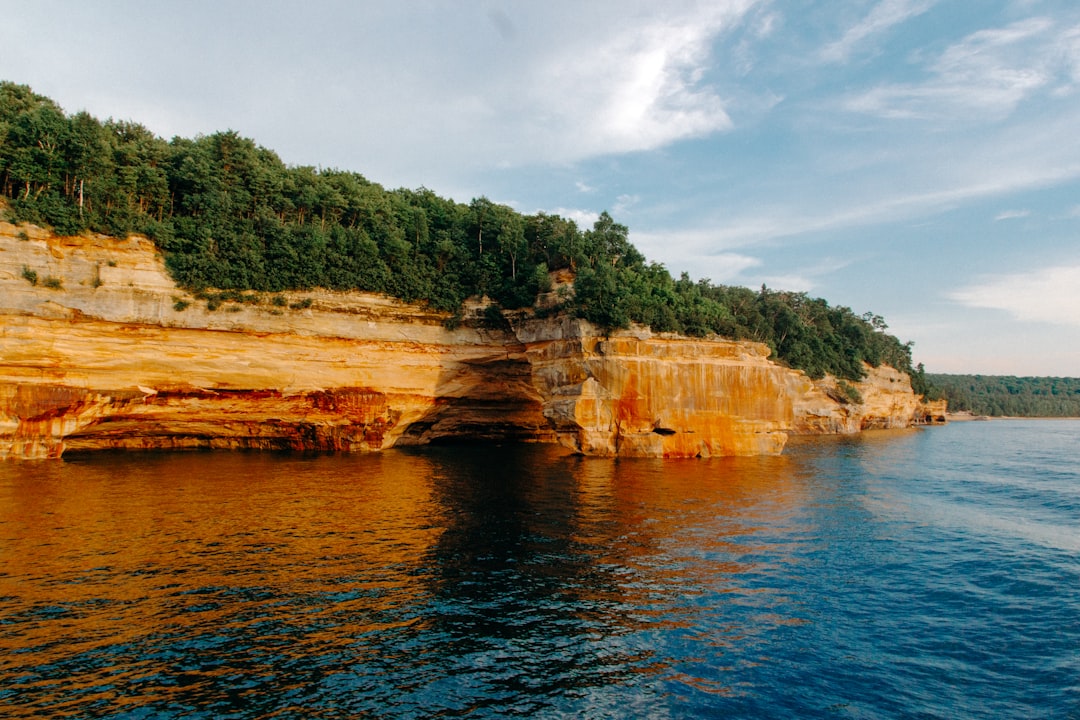
96Pictured Rocks
Ice caves form along the sandstone cliffs when Lake Superior freezes. The Pictured Rocks Ice Curtains are among the most spectacular frozen waterfalls in the country, accessible by hiking when conditions allow. Snowfall exceeds 150 inches. Cross-country skiing covers the summer hiking trails. The Upper Peninsula winter is not for the casual visitor.
Explore:Park Profile - 7.
 97
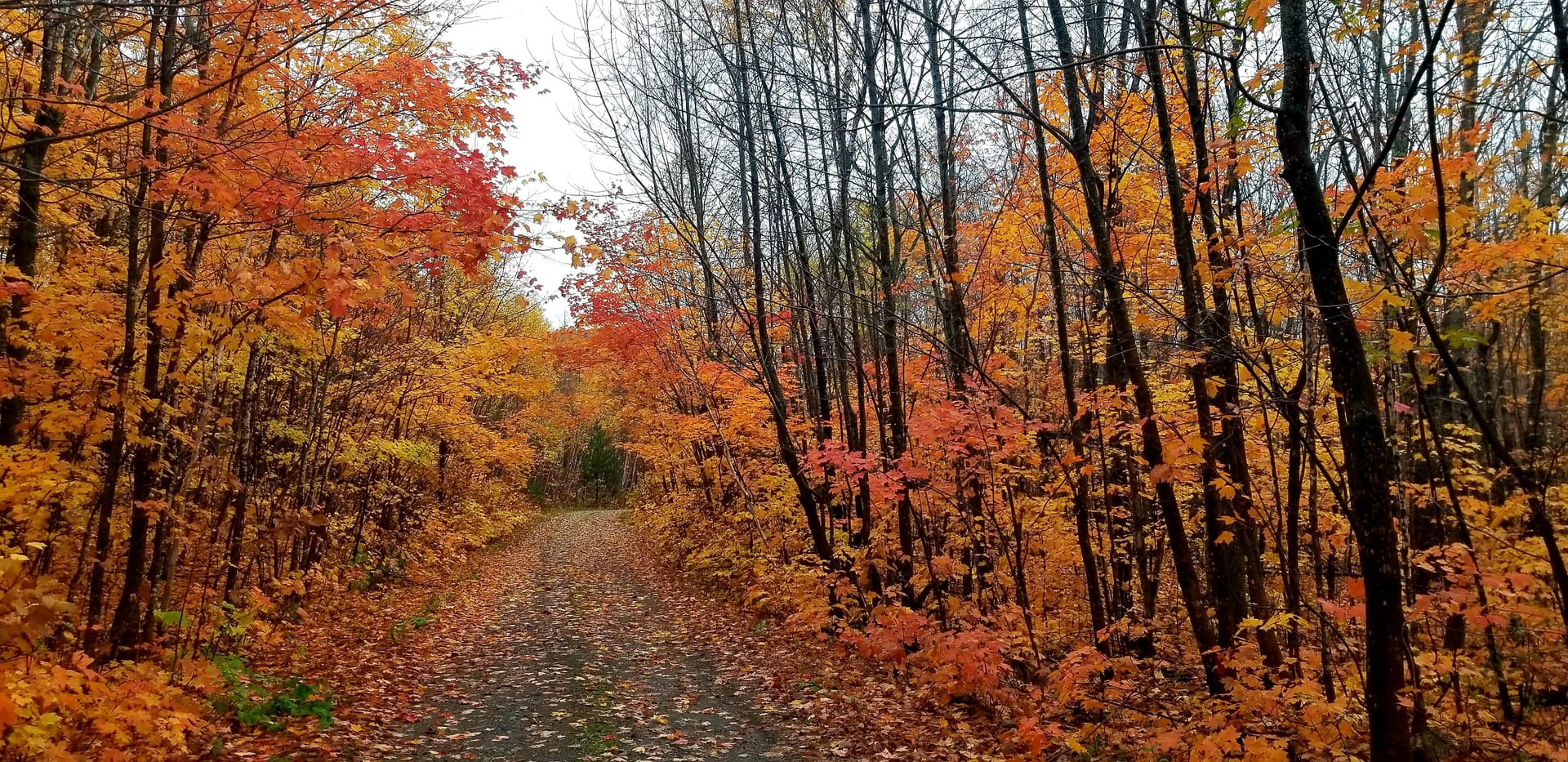
97Highlight’s Favorite: Katahdin Woods and Waters
Katahdin Woods and Waters scores sixth on this list, and it’s our favorite for winter.
Maine’s newest national monument receives over 100 inches of snow annually. Cross-country ski trails wind through the North Woods. Moose retreat to winter yards. And the night sky, free of the light pollution that blankets most of the eastern seaboard, shows the Milky Way on clear nights with a clarity that draws comparisons to parks ten times farther from civilization.
Alaska dominates this list, and fairly. But Katahdin Woods offers something the Alaska parks don’t: winter wilderness within a day’s drive of 70 million people in the northeastern United States. Denali and Glacier require flights and serious logistics. Katahdin Woods requires a drive to northern Maine and a willingness to be cold. That’s a lower bar, and it makes real winter accessible to people who might otherwise never experience it. The monument was designated in 2016. Most people haven’t heard of it yet.
Explore:Park Profile - 6.
 97
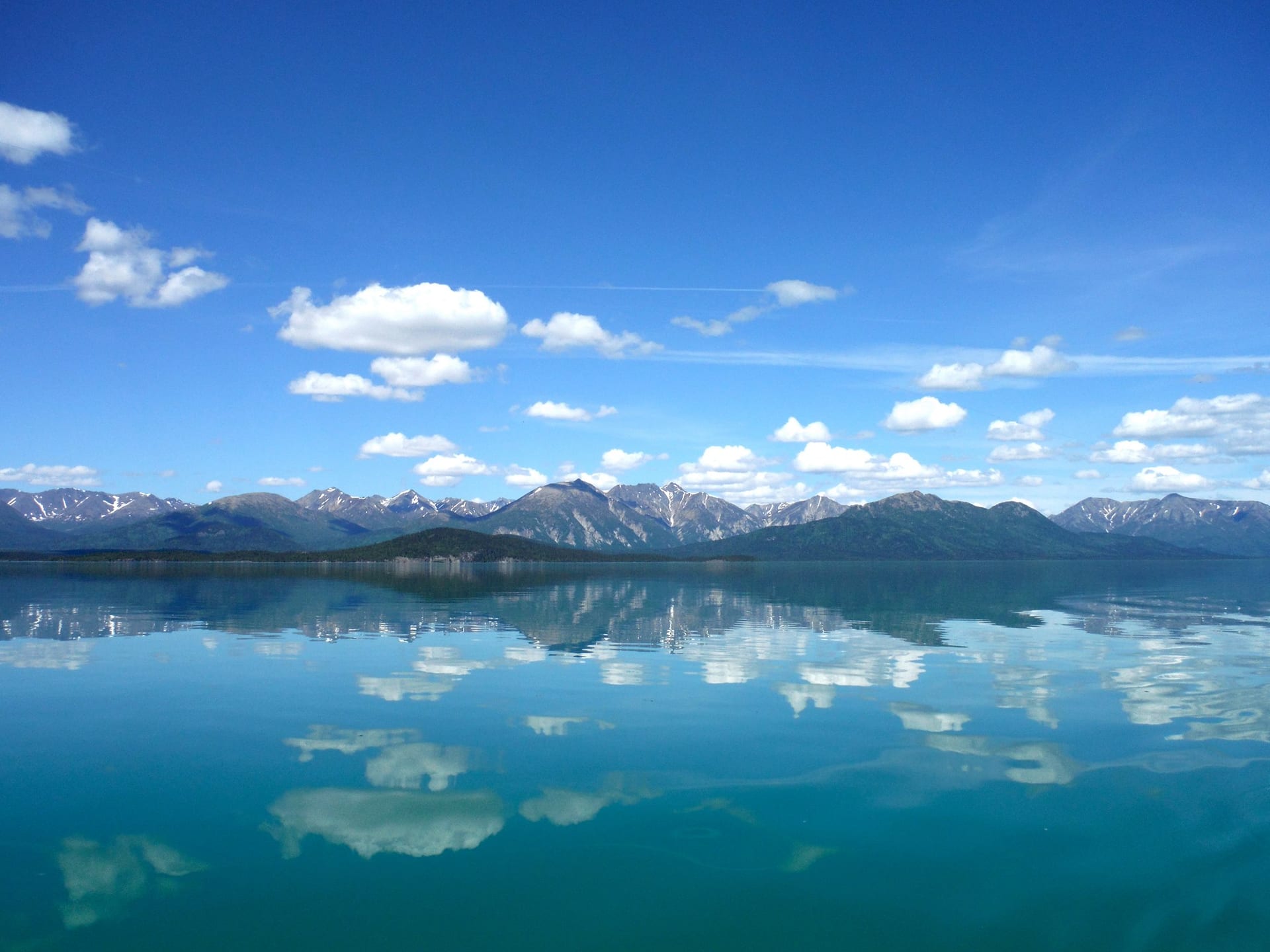
97Lake Clark
Fly-in wilderness lodges offer access to frozen lakes, snow-covered volcanoes, and some of the most remote winter landscapes in Alaska. Ski touring across frozen Lake Clark. Aurora viewing on clear nights. Bear dens buried under snowdrifts. Winter here requires planning and self-sufficiency, and rewards both.
Explore:Park Profile - 5.
 98
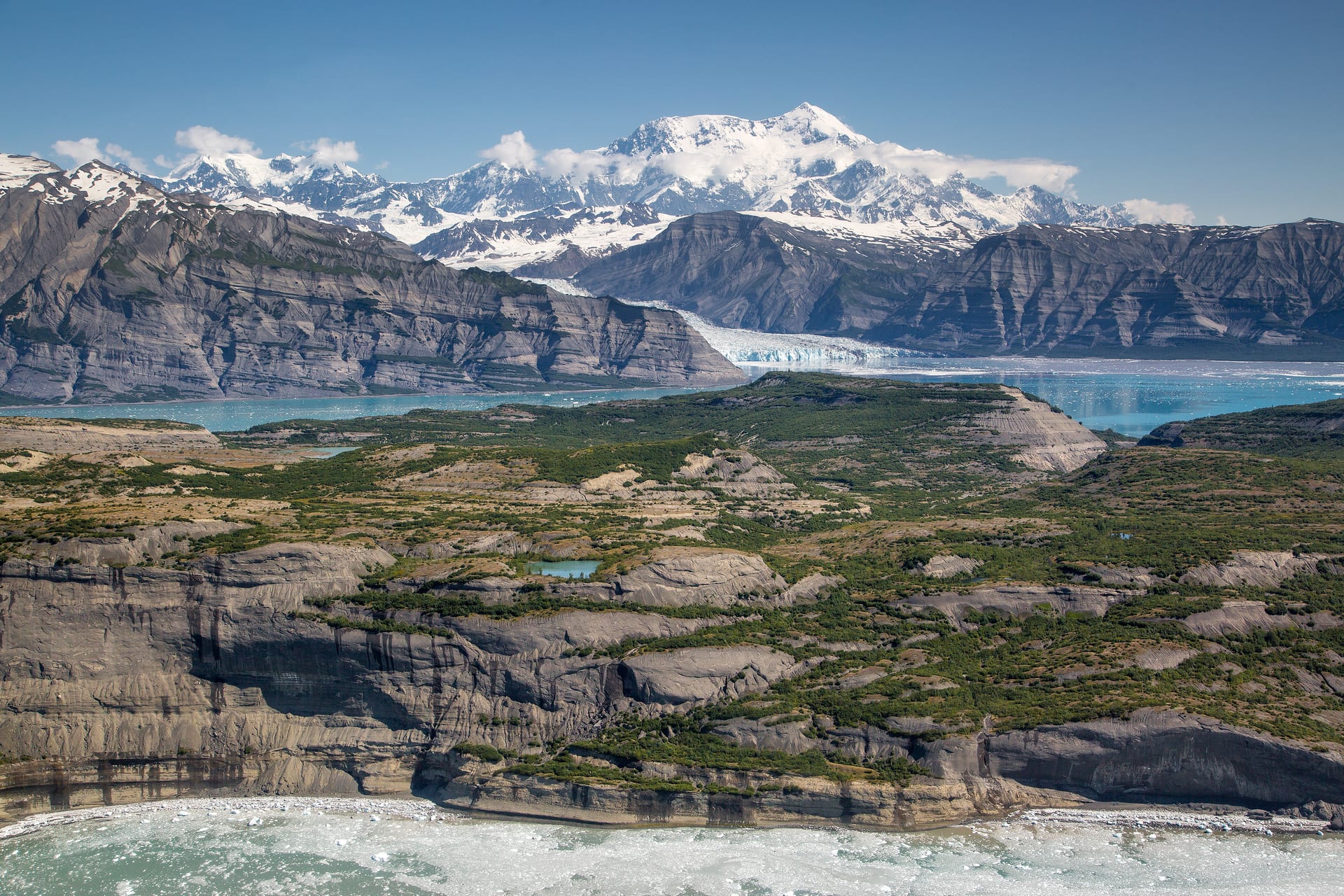
98Wrangell-St. Elias
America's largest national park becomes even larger in winter, when the glaciers and icefields dominate and the mountains rise impossibly white. Access is by ski plane to remote cabins or lodges. The scale is difficult to comprehend: glaciers larger than some states, peaks rivaling the Himalaya. Serious winter expedition territory.
Explore:Park Profile - 4.
 98
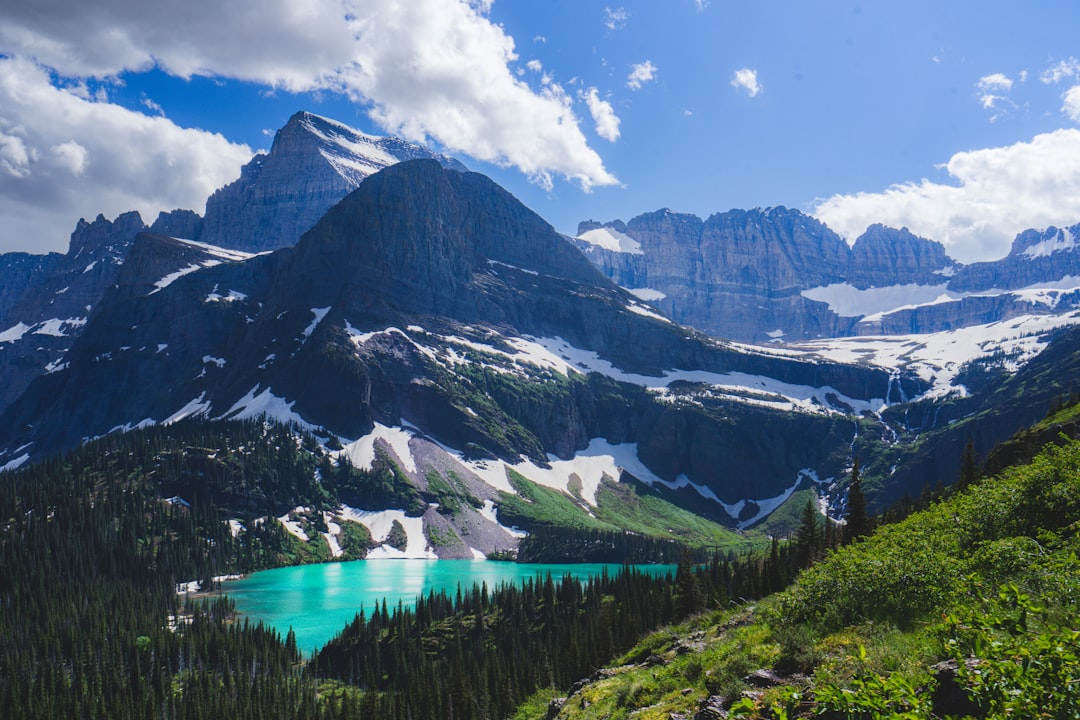
98Glacier
Going-to-the-Sun Road closes, but the backcountry opens to skiers and snowshoers. The park receives 400 inches of snow annually, creating conditions for serious winter recreation. Avalanche hazard requires knowledge and equipment. Lake McDonald Lodge offers winter access from the west. The glaciers that give the park its name are most visible against winter white.
- 3.
 99
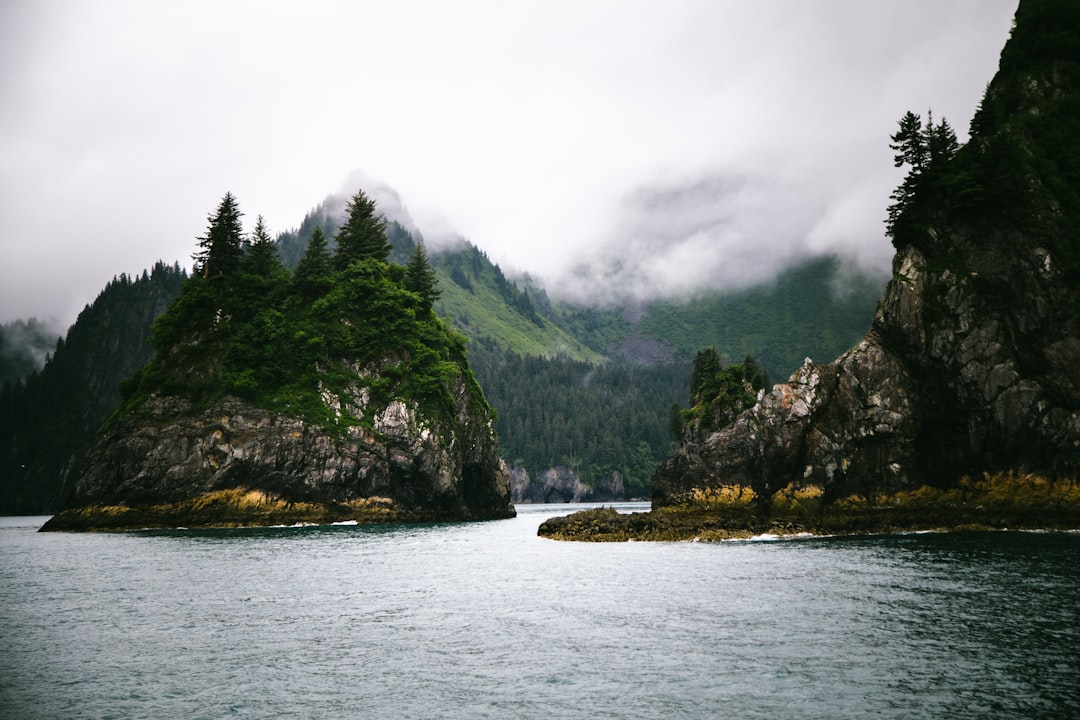
99Kenai Fjords
Exit Glacier transforms into an ice-climbing destination, and the Harding Icefield Trail becomes a ski touring route for the experienced. The fjords remain accessible by boat on calm winter days, with sea otters and sea lions hauled out on rocky shores. Snow drapes the peaks that rise directly from the sea. Cold, beautiful, and empty.
Explore:Park Profile - 2.
 99
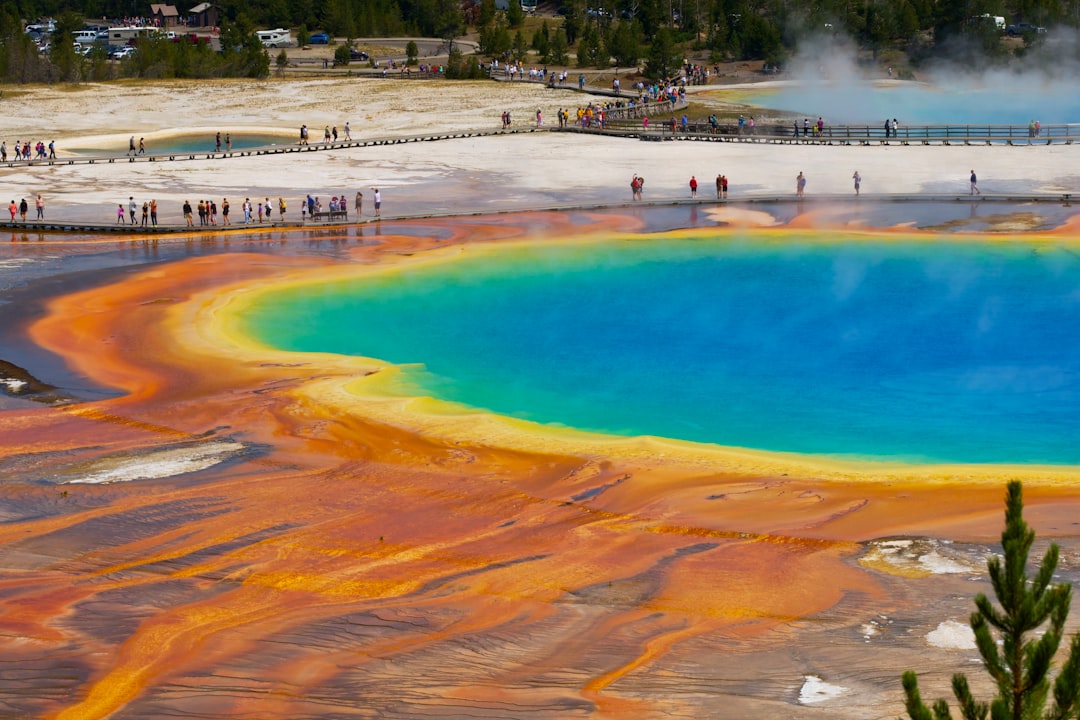
99Yellowstone
Steam rises from the geysers into sub-zero air, creating clouds visible for miles. Bison push through chest-deep snow. Wolves hunt elk weakened by winter conditions. The park is accessible only by snowcoach or snowmobile to Old Faithful and beyond, creating an exclusivity that summer's millions never experience. Winter Yellowstone is a different park entirely.
- 1.
 100
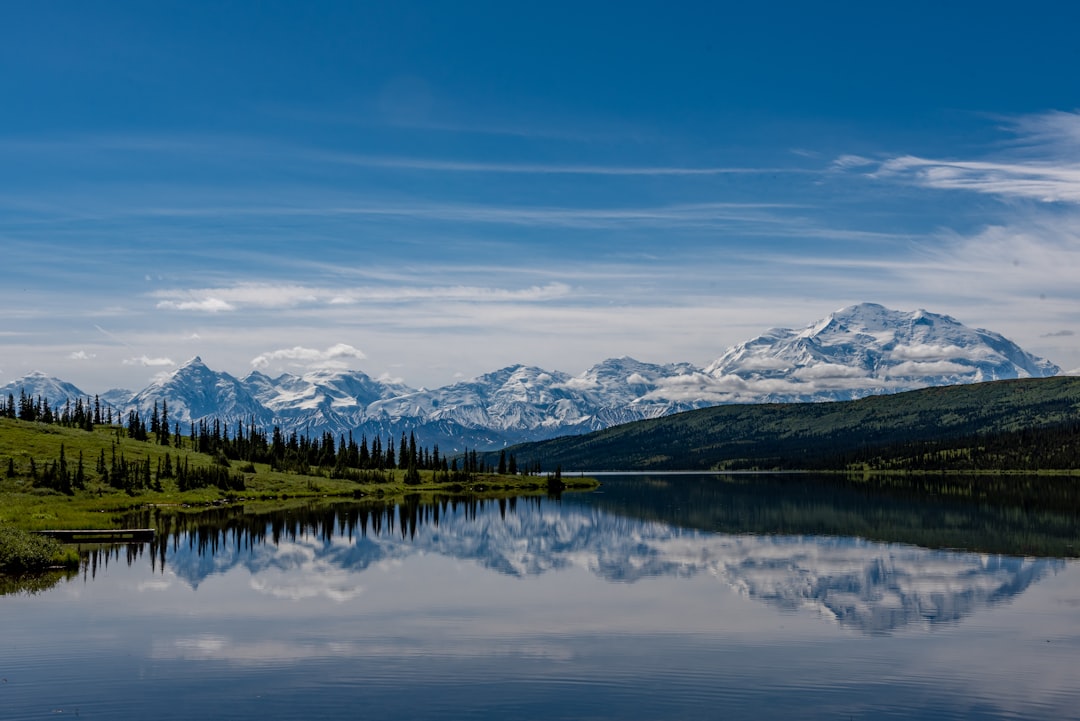
100Denali
The park road closes to vehicles beyond mile 3, but the wilderness opens up to those on skis, snowshoes, or dog sleds. Denali itself is more likely to be visible in winter's clear cold than summer's clouds. The northern lights dance above the Alaska Range. Dog mushing trips and ranger-led snowshoe hikes make the backcountry accessible. This is Alaska at its most Alaska.
185 parks scored on 85 criteria
Discover your perfect park
Find a destination that matches how you actually want to travel.
Get Started