- 10.
 95
95Big Bend
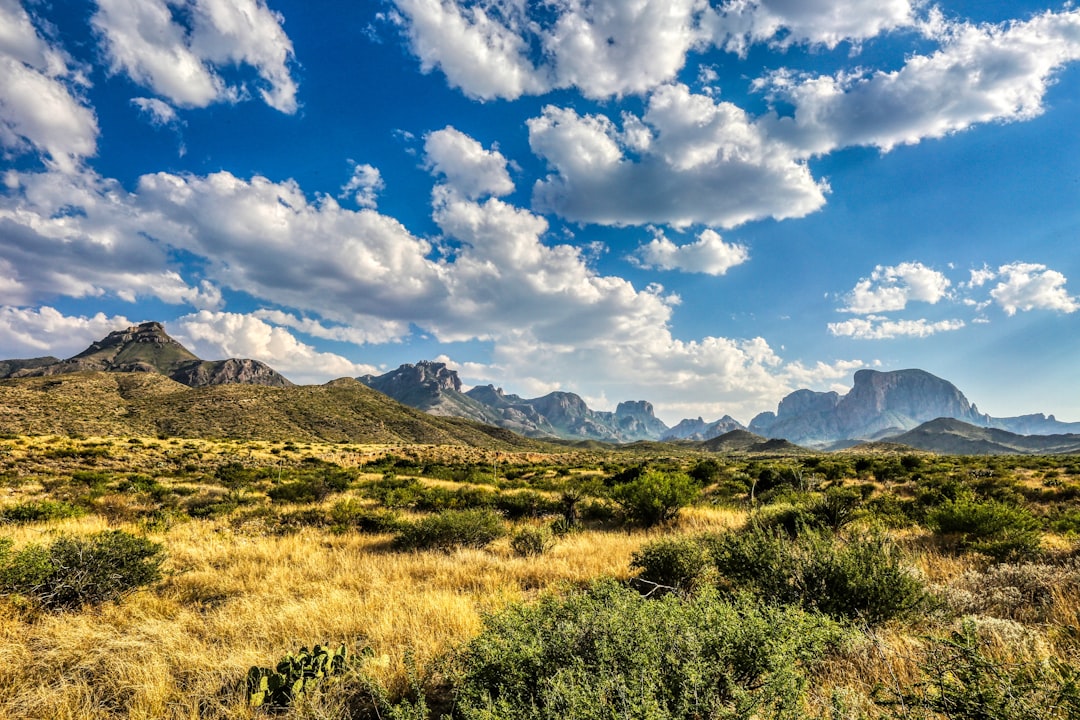
The Rio Grande bends around the southernmost mountains in Texas, creating one of the most isolated parks in the continental United States. A week covers the three main ecosystems: the Chisos Basin's mountain trails, the river canyons carved through Santa Elena and Boquillas, and the Chihuahuan Desert spreading to every horizon. The distances between trailheads require planning; the lack of services means self-sufficiency. Big Bend rewards those who accept its isolation and stay long enough to understand its rhythms.
- 9.
 96
96Denali
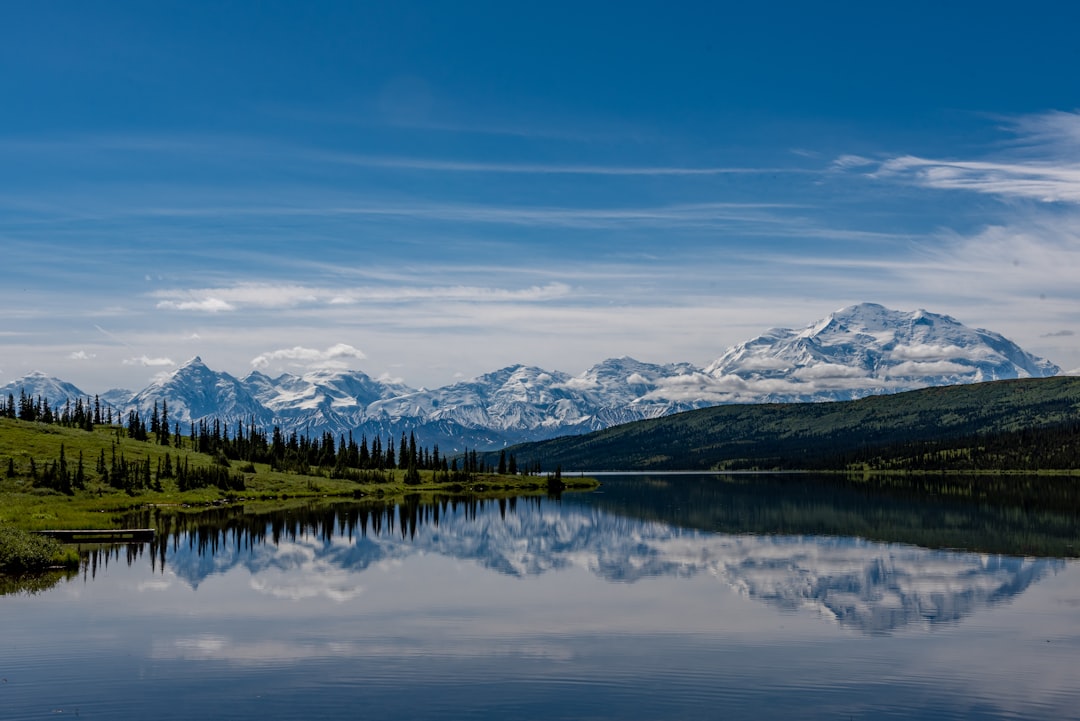
Six million acres of Alaska Range wilderness, most of it accessible only on foot or by bush plane. The park road extends 92 miles from the entrance to Wonder Lake, with shuttle buses offering wildlife viewing along the way. But Denali has no marked backcountry trails: hiking here means navigation across tundra and braided glacial rivers. A week allows time for the road, for day hikes from the campgrounds, and for understanding the scale of a park where the mountain itself is often hidden by weather.
- 8.
 96
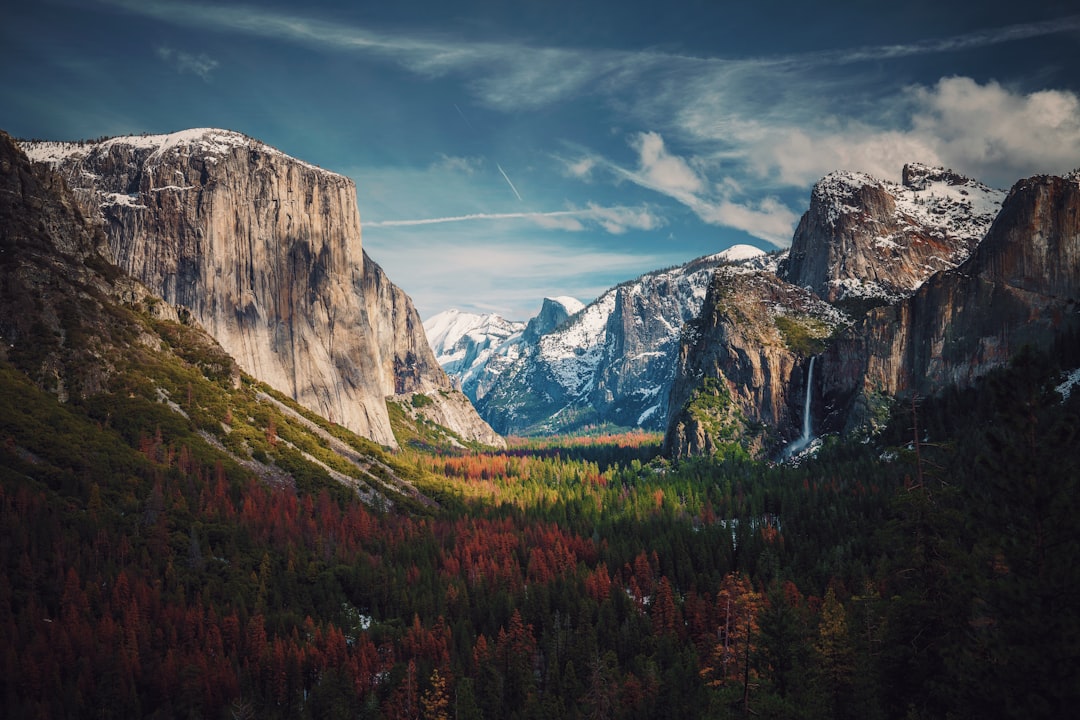
96Yosemite
The Valley walls that define Yosemite are only a fraction of a park that stretches from oak woodlands to 13,000-foot peaks. A week means time for Tuolumne Meadows, where the high country opens into granite domes and subalpine lakes. It means the backcountry beyond Half Dome, the Clark Range, the Cathedral Lakes. Day hikers crowd the Valley floor; a week moves you into the wilderness where John Muir built his cabin and stayed for seasons. The Sierra rewards those who linger.
- 7.
 97
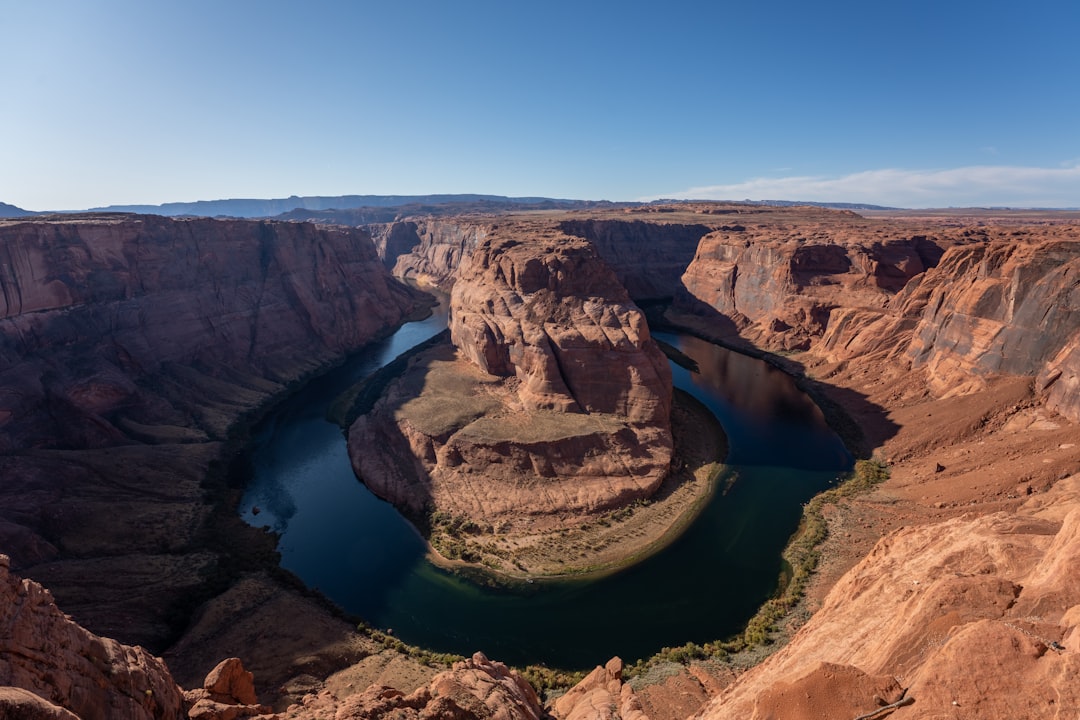
97Glen Canyon
Lake Powell stretches 186 miles behind Glen Canyon Dam, with side canyons that branch into sandstone labyrinths for hundreds more miles. A houseboat week is the classic Glen Canyon experience: anchor in a different cove each night, explore slot canyons by kayak during the day, swim in water that glows turquoise against red rock walls. Rainbow Bridge, the largest natural bridge in the world, requires a full day by boat. The recreation area is too dispersed for anything less than extended stays.
Explore:Park Profile - 6.
 97
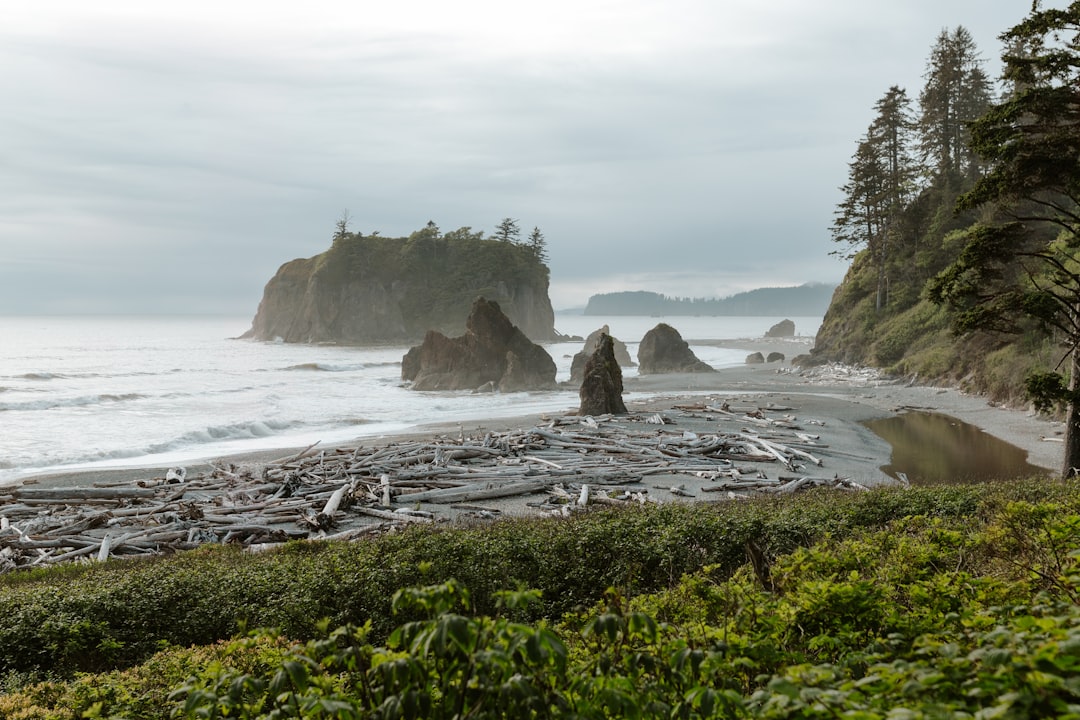
97Olympic
Glacier-capped peaks, temperate rainforest, and wild Pacific coastline in a single park. A week allows time for all three ecosystems: hike into the Hoh Rainforest where annual rainfall exceeds 140 inches, climb to the alpine meadows of Hurricane Ridge, walk the wilderness beaches between Rialto and Shi Shi. Each section of Olympic requires separate trips from different access points; the park's roads don't connect through the interior. Seven days covers the variety without rushing.
- 5.
 98
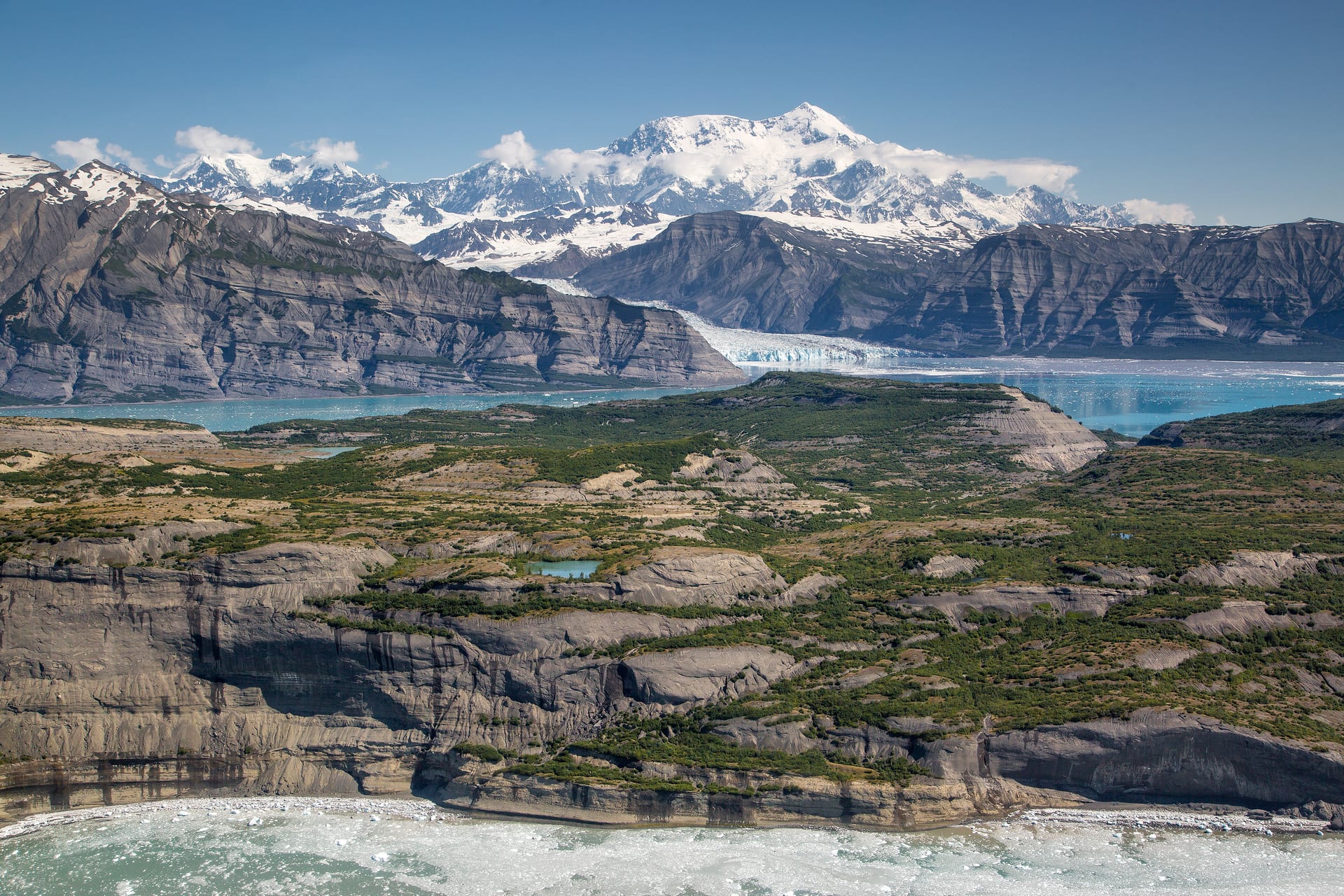
98Wrangell-St. Elias
The largest national park in America, six times the size of Yellowstone, with nine of the sixteen highest peaks on the continent. A week here might mean basecamp at McCarthy, exploring the Kennecott copper mine ruins and hiking into the Root Glacier. Or it might mean a fly-in backpacking trip across tundra that has never seen a maintained trail. The scale defies quick visits. Even the drive in takes half a day on gravel roads. A week is the minimum; two weeks reveals more.
Explore:Park Profile - 4.
 98
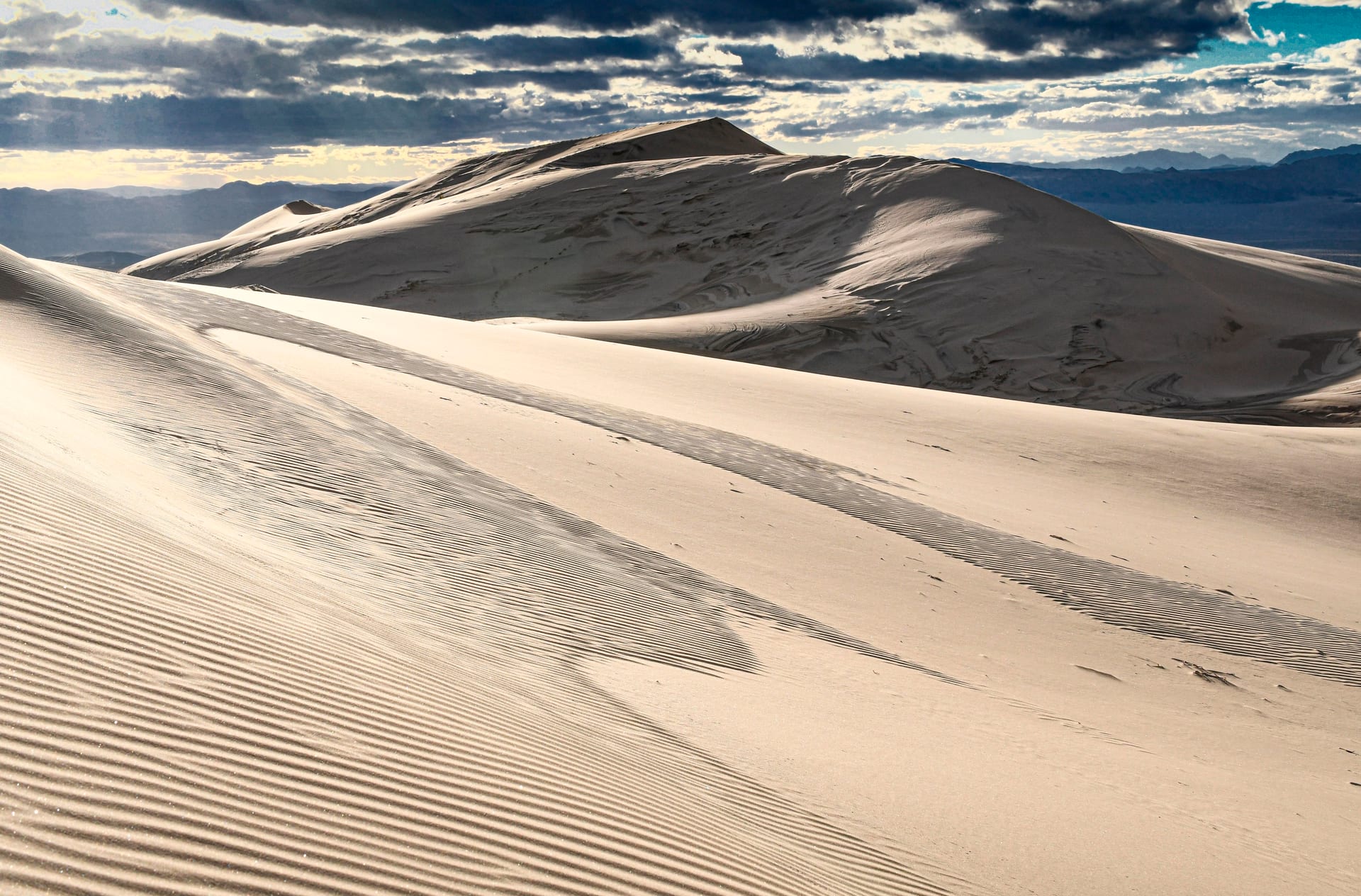
98Highlight’s Favorite: Mojave
Mojave scores fourth on this list, and it’s our favorite for a week-long trip.
It sits between Death Valley and Joshua Tree, sharing their desert geology without their name recognition. 1.6 million acres of sand dunes, volcanic cinder cones, Joshua tree forests, and the Kelso Depot, a restored 1920s railroad station serving as an improbable visitor center. The preserve is too large and too spread out for shorter visits to cover more than a fraction. A week lets you work through each ecosystem at the right time of day: the dunes at sunrise when the sand is cool, the higher elevations at midday, the volcanic craters at sunset.
Death Valley draws the extreme-seekers. Joshua Tree draws the weekend crowd from LA. Mojave draws almost nobody, despite covering more ground than either. That ratio of acreage to visitors is rare in the lower 48, and a week is what it takes to understand why the space matters.
- 3.
 99
99North Cascades
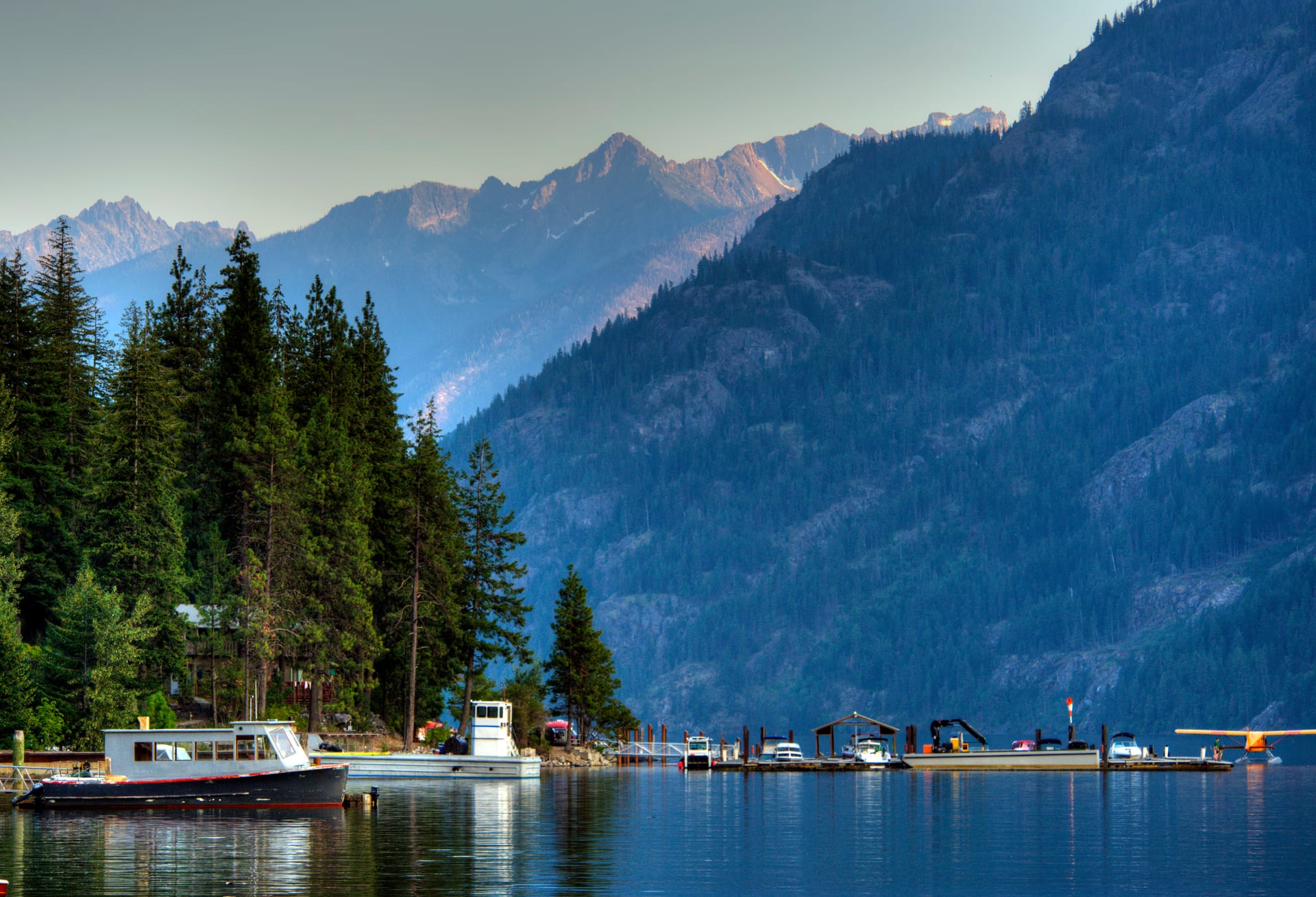
The most heavily glaciated park in the lower 48, with over 300 glaciers still carving the peaks. A week allows time for the backcountry: multi-day trips to Cascade Pass, into the remote Picket Range, or along the traverse to Ross Lake. The North Cascades Highway closes in winter, compressing visitors into a few summer months. Day hikers crowd the popular trailheads; backpackers disperse into wilderness that rivals Alaska without the logistics. Seven days barely scratches what's here.
- 2.
 99
99The Appalachian Trail
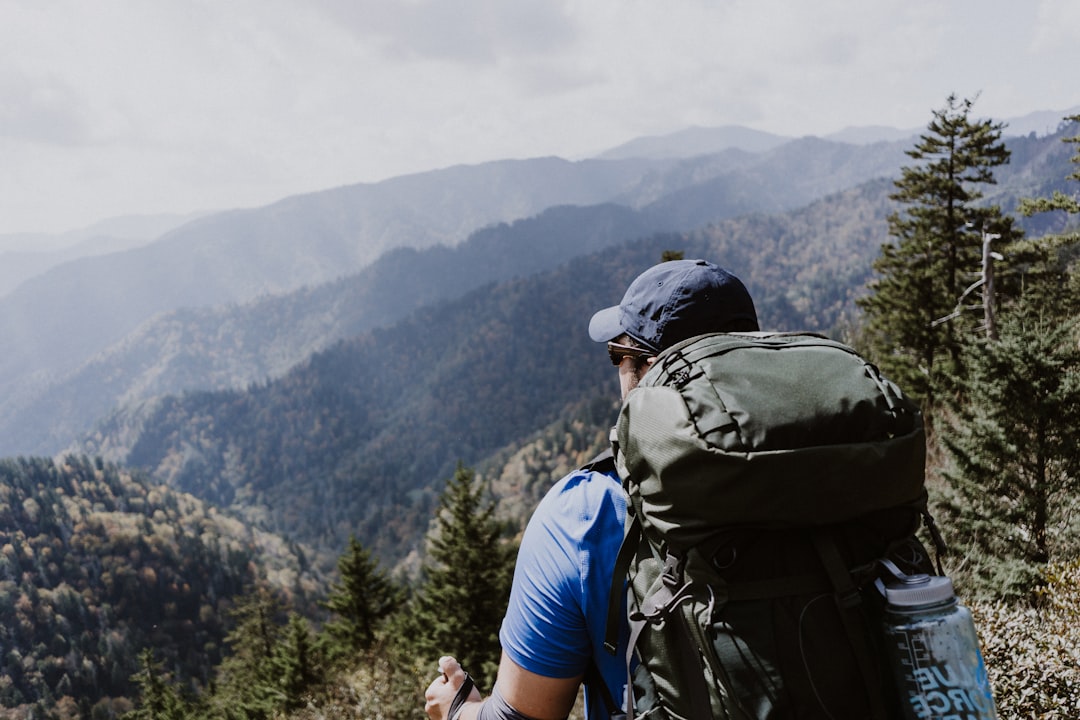
Two thousand miles from Georgia to Maine, but a week on the Appalachian Trail offers a genuine through-hiking experience without quitting your job. Choose a section that matches your ambitions: the Smokies demand steep climbs through rhododendron tunnels, the Whites require scrambling above treeline, the Virginia rollercoaster delivers miles. Shelters every 8-12 miles mean you can travel light. A week covers 50-70 miles, enough to find your rhythm and understand what draws people to walk for months.
Explore:Park Profile - 1.
 100
100Grand Canyon
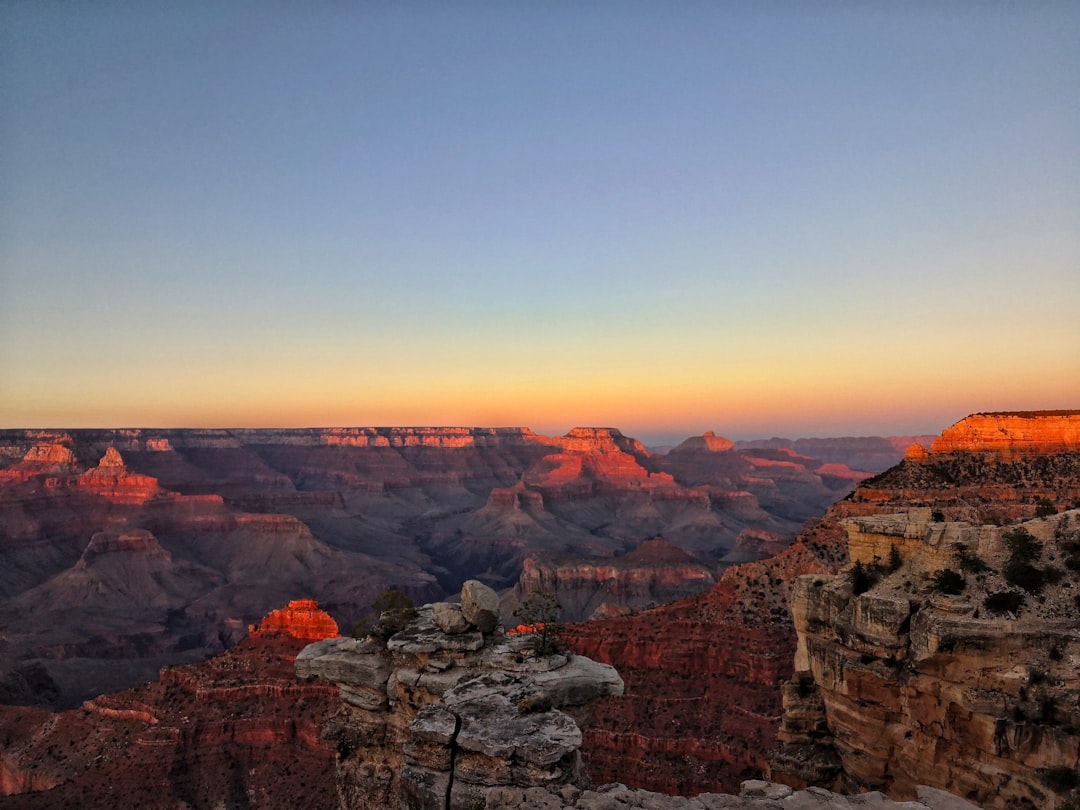
A week at Grand Canyon means going beyond the rim viewpoints. Descend to Phantom Ranch on foot or by mule, spend nights in the cabins at the canyon bottom, watch the light change on two billion years of exposed geology. Rim-to-rim hikers need three days minimum; a week lets you rest, explore side trails to Ribbon Falls or Clear Creek, and experience the canyon's scale at walking pace. The river trip takes longer still, but a week on the rim and below reveals why this is a destination, not a stop.
185 parks scored on 85 criteria
Discover your perfect park
Find a destination that matches how you actually want to travel.
Get Started