- 10.
 96
96Paterson Great Falls
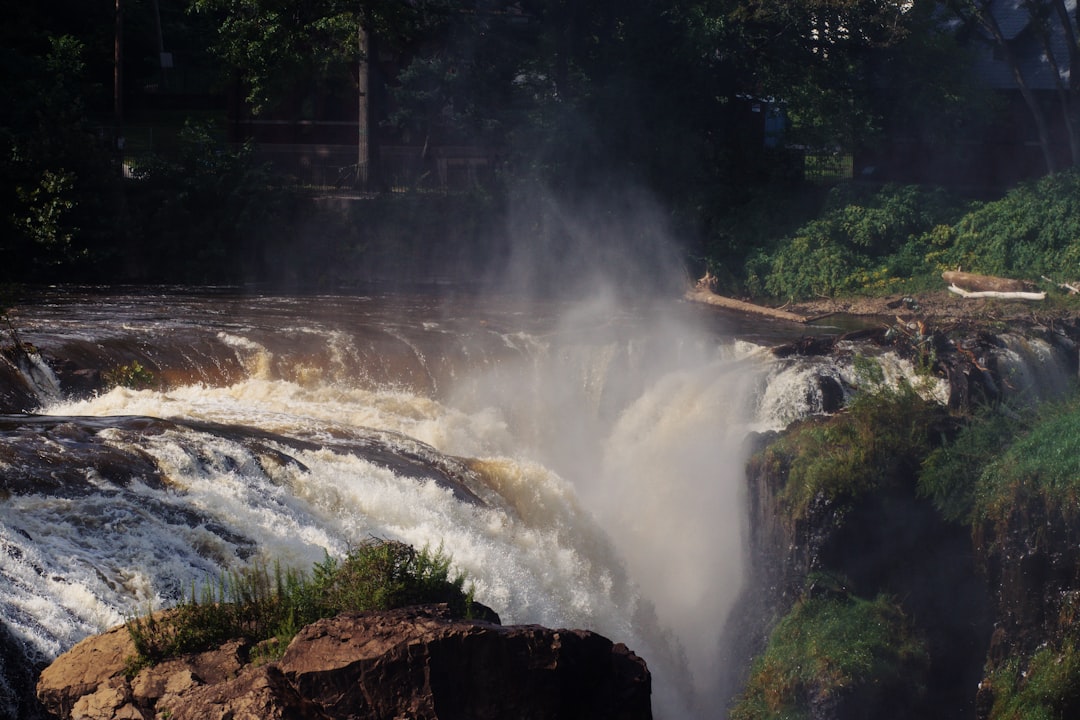
A 77-foot waterfall in the middle of urban New Jersey, surrounded by the ruins of America's first planned industrial city. Free admission, free parking, free ranger-led tours on weekends. Alexander Hamilton chose this site in 1792 to power the mills that would prove a new nation could manufacture its own goods. Silk, locomotives, firearms, aircraft engines: industries that defined American manufacturing started here. The falls themselves are the second-largest by volume east of the Mississippi, and you can walk from the Visitor Center in two minutes.
Explore:Park Profile - 9.
 96
96Buffalo
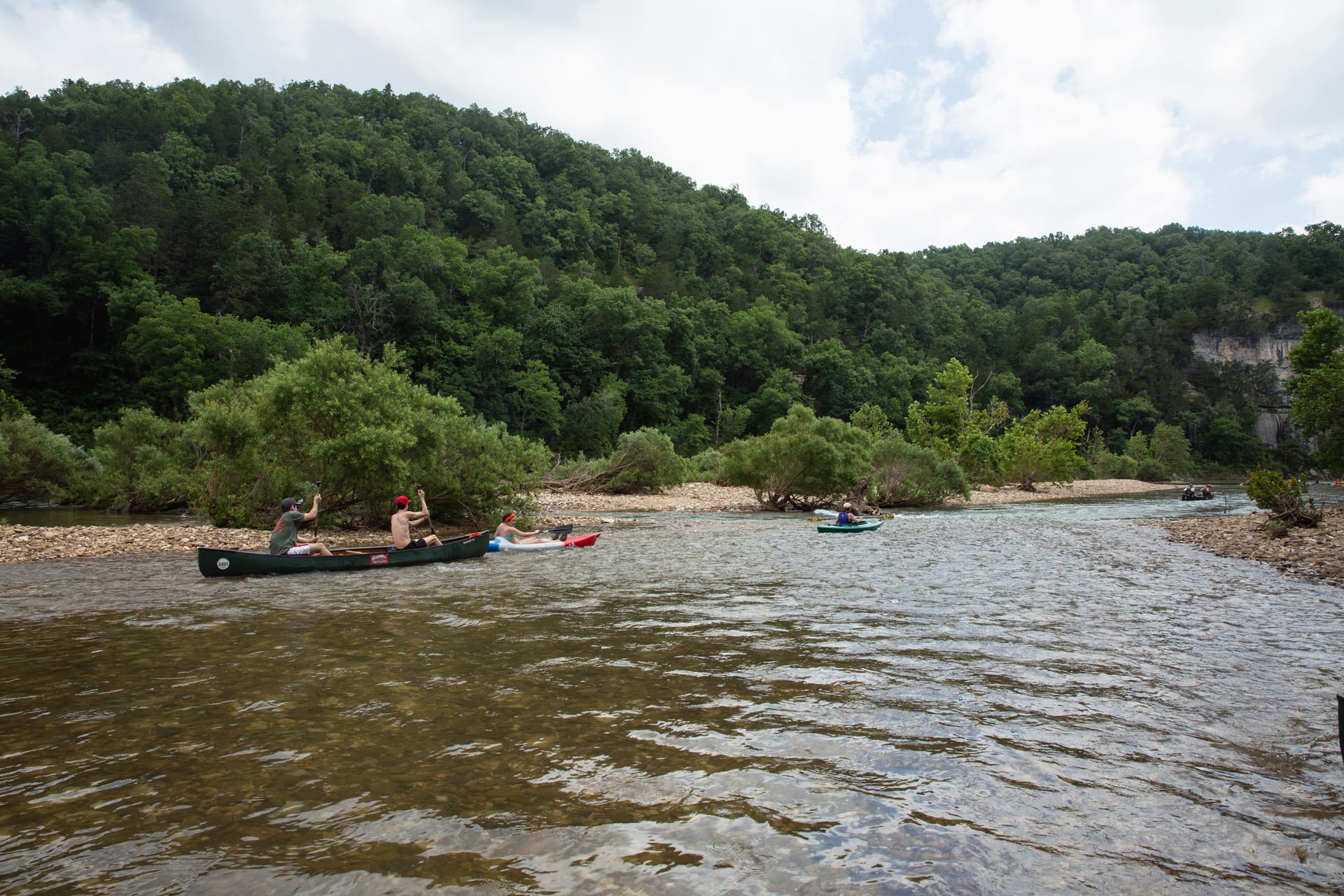
One of the few remaining undammed rivers in the lower 48, flowing 135 miles through Ozark bluffs and hardwood forest. No entrance fee and free primitive camping along the riverbanks for paddlers. The Ghost Town of Rush offers free camping on land once home to a zinc mining boomtown. Canoe and kayak outfitters in towns like Ponca and Jasper keep rental prices reasonable, and the river itself does the rest. Spring flooding brings Class II-III rapids; summer means lazy floats between towering limestone bluffs.
Explore:Park Profile - 8.
 96
96Wind Cave
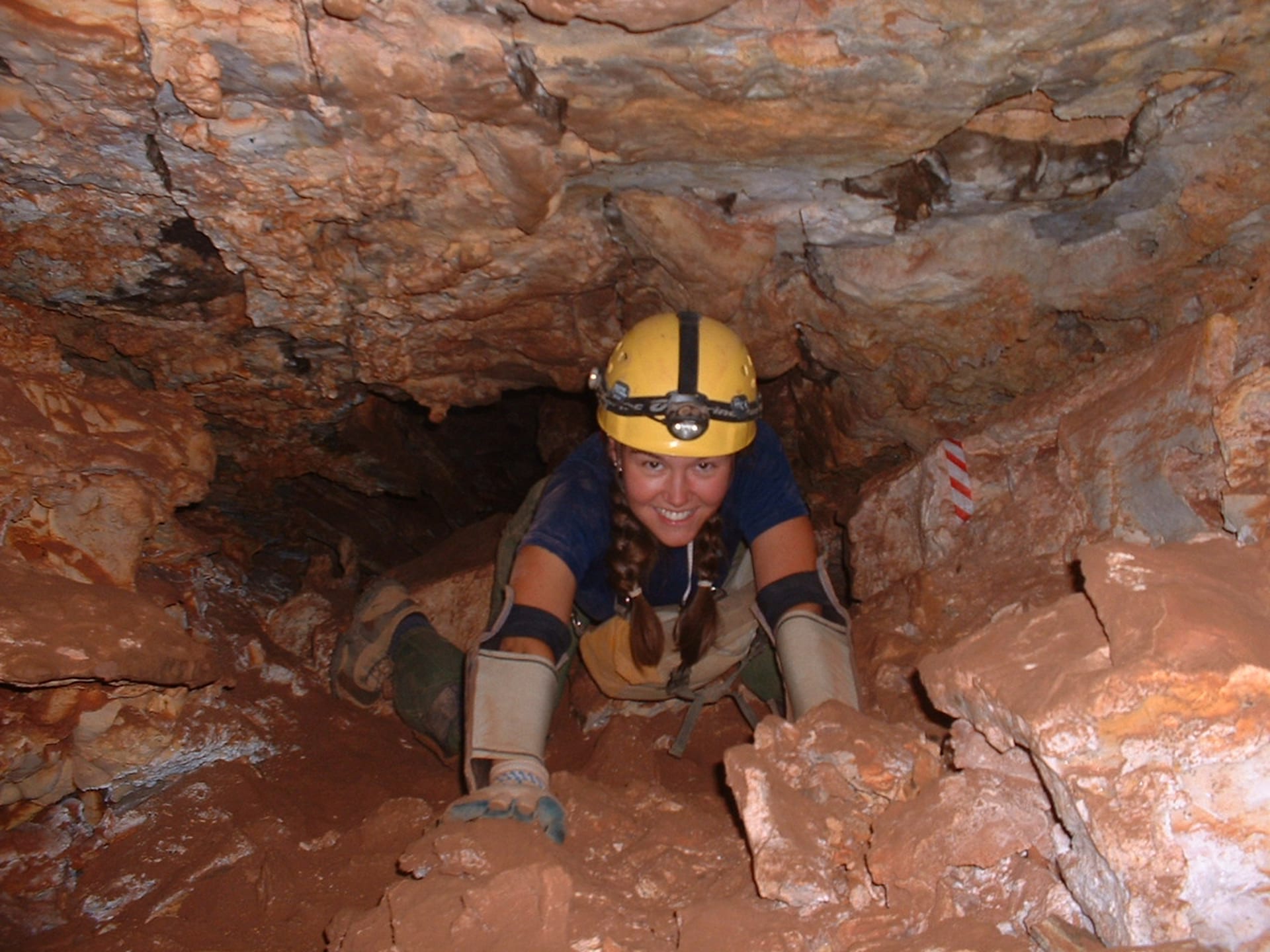
Two parks in one: above ground, bison and elk roam mixed-grass prairie; below, one of the longest caves in the world breathes through a single natural entrance. No entrance fee for the surface, and cave tours run $8-16 depending on the route. Free backcountry camping permits let you spend nights on the prairie, while Elk Mountain Campground drops to $9 per night in winter when the water is turned off. Hot Springs, South Dakota is 20 minutes away with affordable lodging and the park's historic namesake bathhouses.
Explore:Park Profile - 7.
 97
97Big Cypress
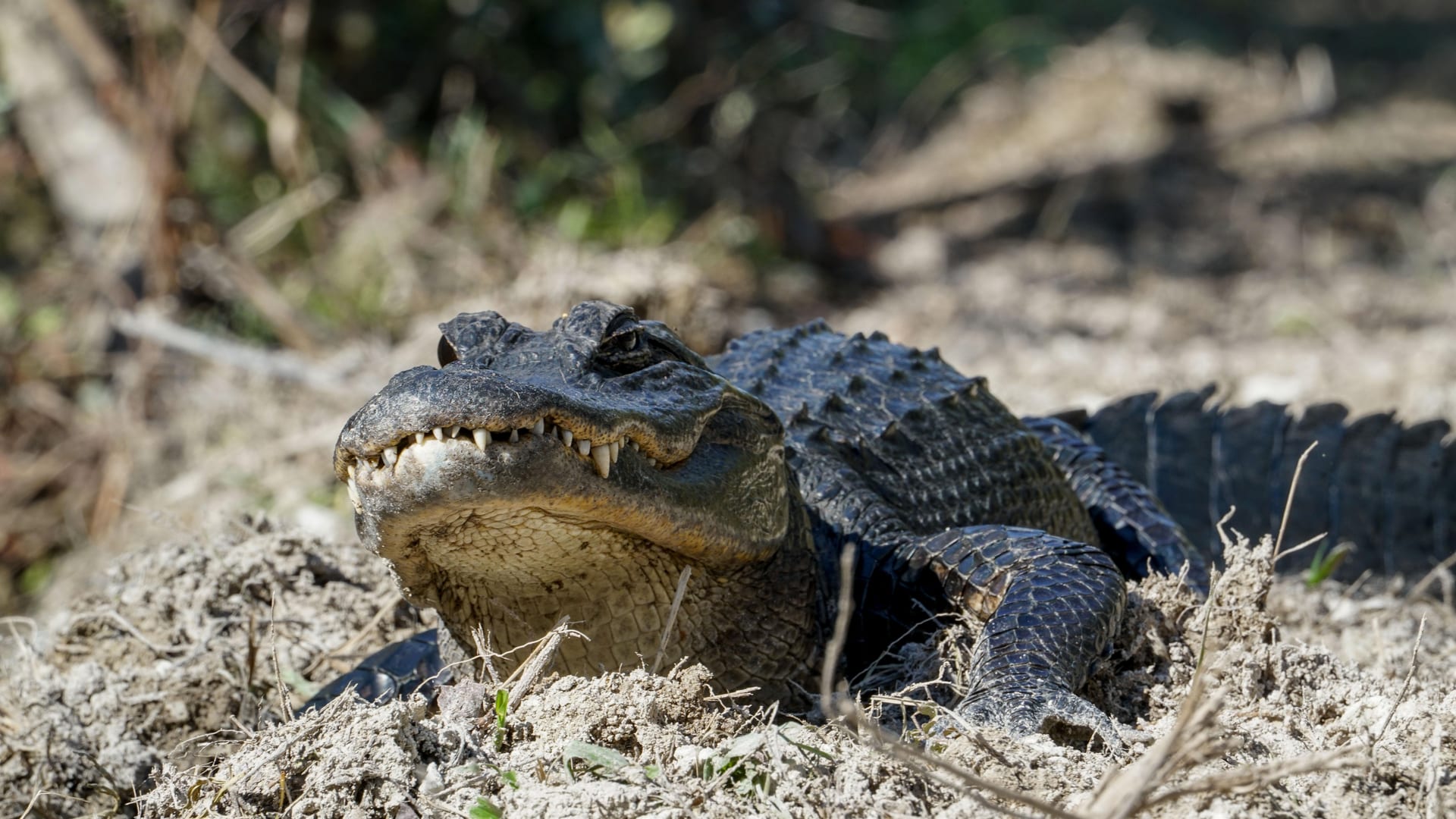
Three-quarters of a million acres of subtropical swamp essential to the health of the Everglades, and one of the last strongholds of the Florida panther. No entrance fee, camping from $10 per night, and free backcountry camping with a permit. The Tamiami Trail (US-41) runs straight through, making Big Cypress one of the most accessible wilderness areas in Florida. Airboat tours and swamp walks reveal a world that feels removed from the nearby Miami sprawl, at a fraction of Everglades National Park's prices.
- 6.
 97
97Ozark
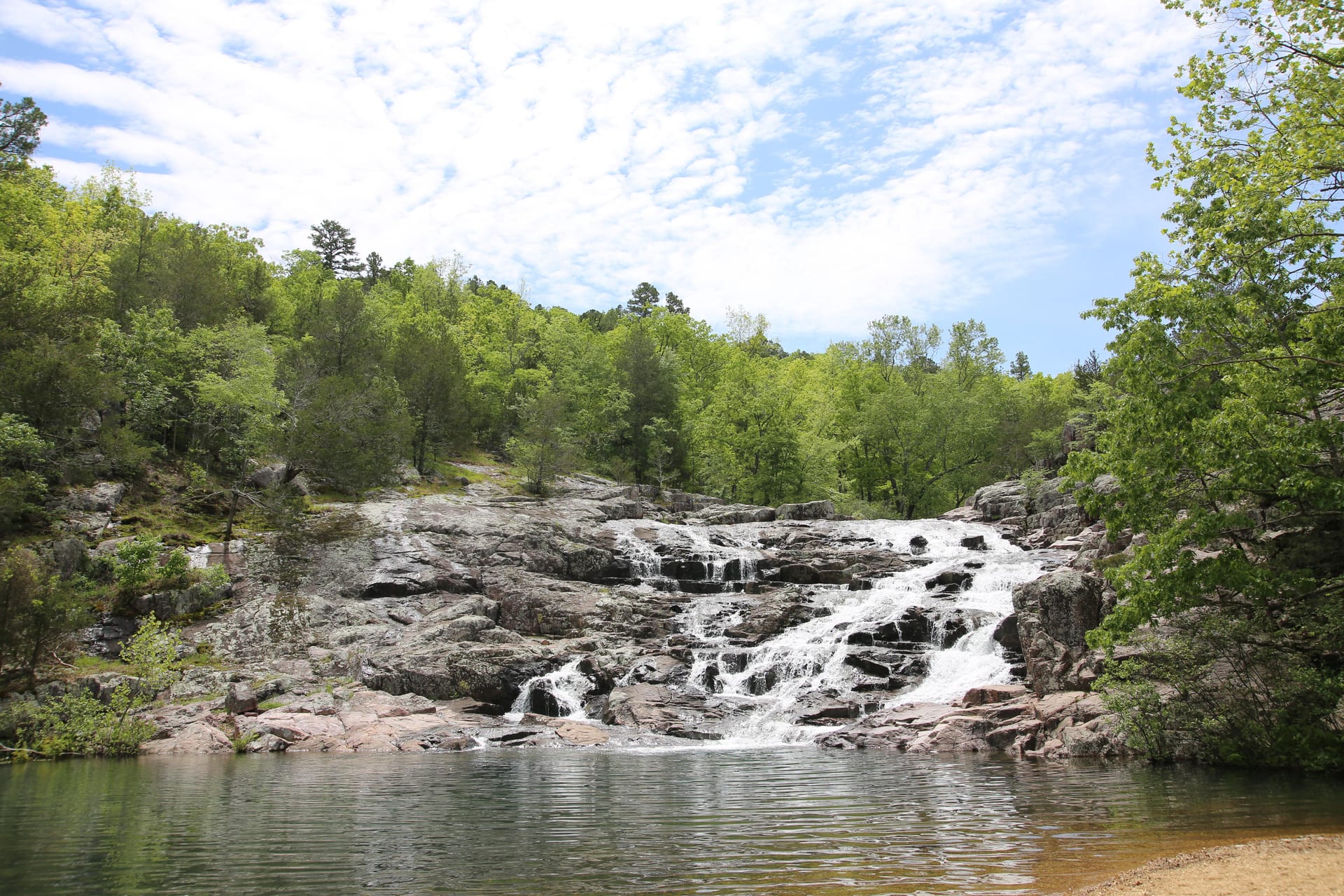
The first national park established specifically to protect a river system, and still one of the best places in America to float spring-fed water through Ozark forest. The Current and Jacks Fork rivers stay cold and clear year-round, fed by some of the largest springs in the country. No entrance fee, camping from $10 per night, and free primitive sites for paddlers doing multi-day floats. Eminence and Van Buren serve as affordable base camps with canoe rental outfitters lining the main roads.
Explore:Park Profile - 5.
 99
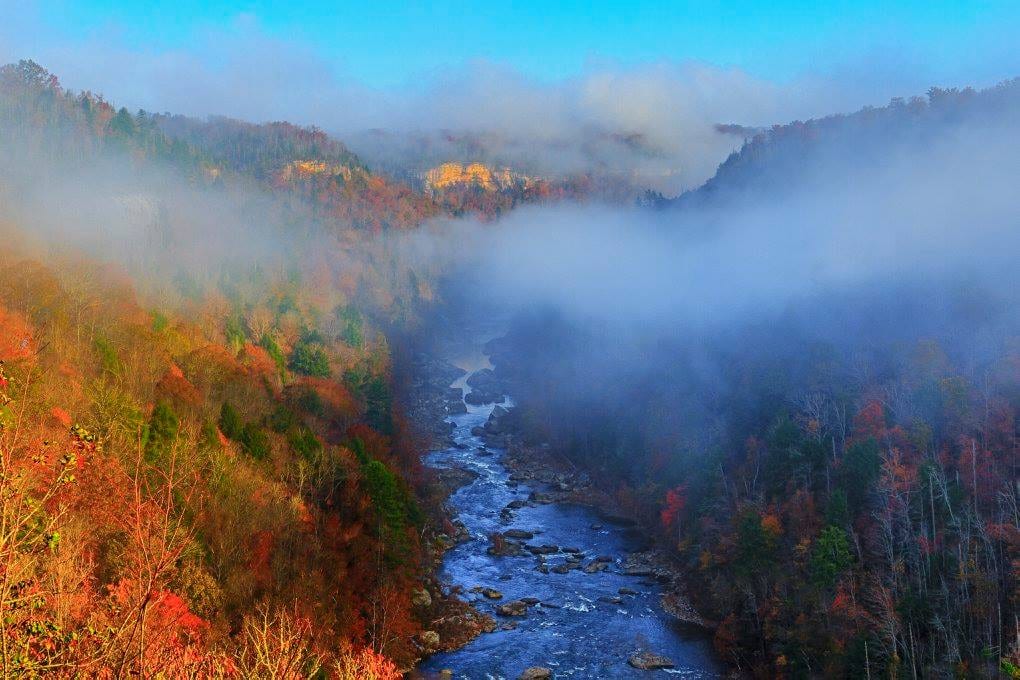
99Highlight’s Favorite: Big South Fork
Big South Fork ranks fifth on this list, but it's our favorite of the group.
It's sitting at a 99 affordability score with camping from $5 a night, no entrance fee, and free backcountry sites throughout. But what makes it special is the sheer range of what that buys: whitewater paddling on the Cumberland River, 180 miles of horseback riding trails, rock climbing on a natural sandstone arch, and 125,000 acres of plateau gorges straddling the Tennessee-Kentucky border. That's a lot of park for almost no money.
Most people driving through that part of the country are headed to Great Smoky Mountains or maybe Mammoth Cave. Big South Fork gets overlooked because it's a National River and Recreation Area rather than a capital-N capital-P National Park, and the gateway towns of Oneida and Jamestown aren't exactly tourist destinations. Which is exactly why it stays affordable and uncrowded.
Explore:Park Profile - 4.
 99
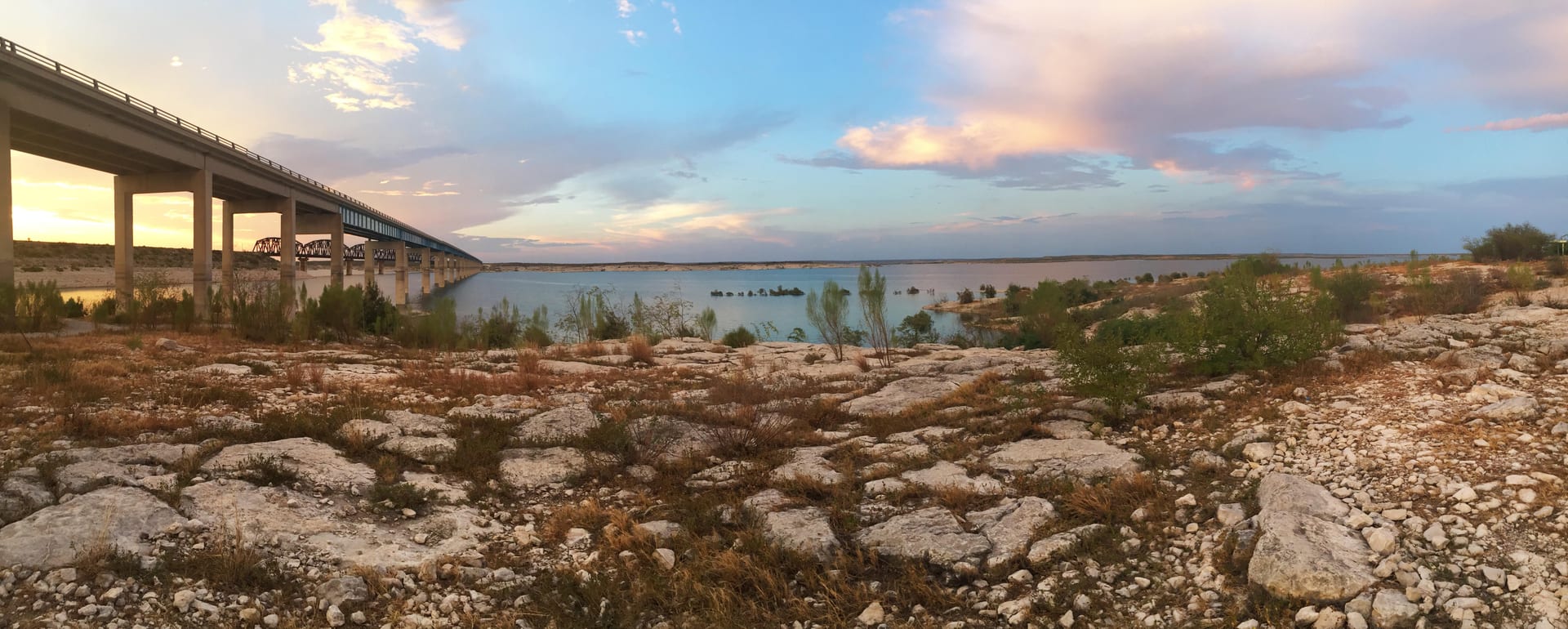
99Amistad
Where the Rio Grande meets the Devils and Pecos rivers, Amistad Reservoir stretches into a desert landscape that has drawn people for nearly 5,000 years. Camping starts at $3 per night, entrance is free, and Del Rio has affordable motels within minutes of the water. The real draw is the water itself: some of the clearest lake swimming in Texas, plus excellent bass fishing and scuba diving in the flooded canyons. Rock art sites along the lake's shores date back millennia.
Explore:Park Profile - 3.
 100
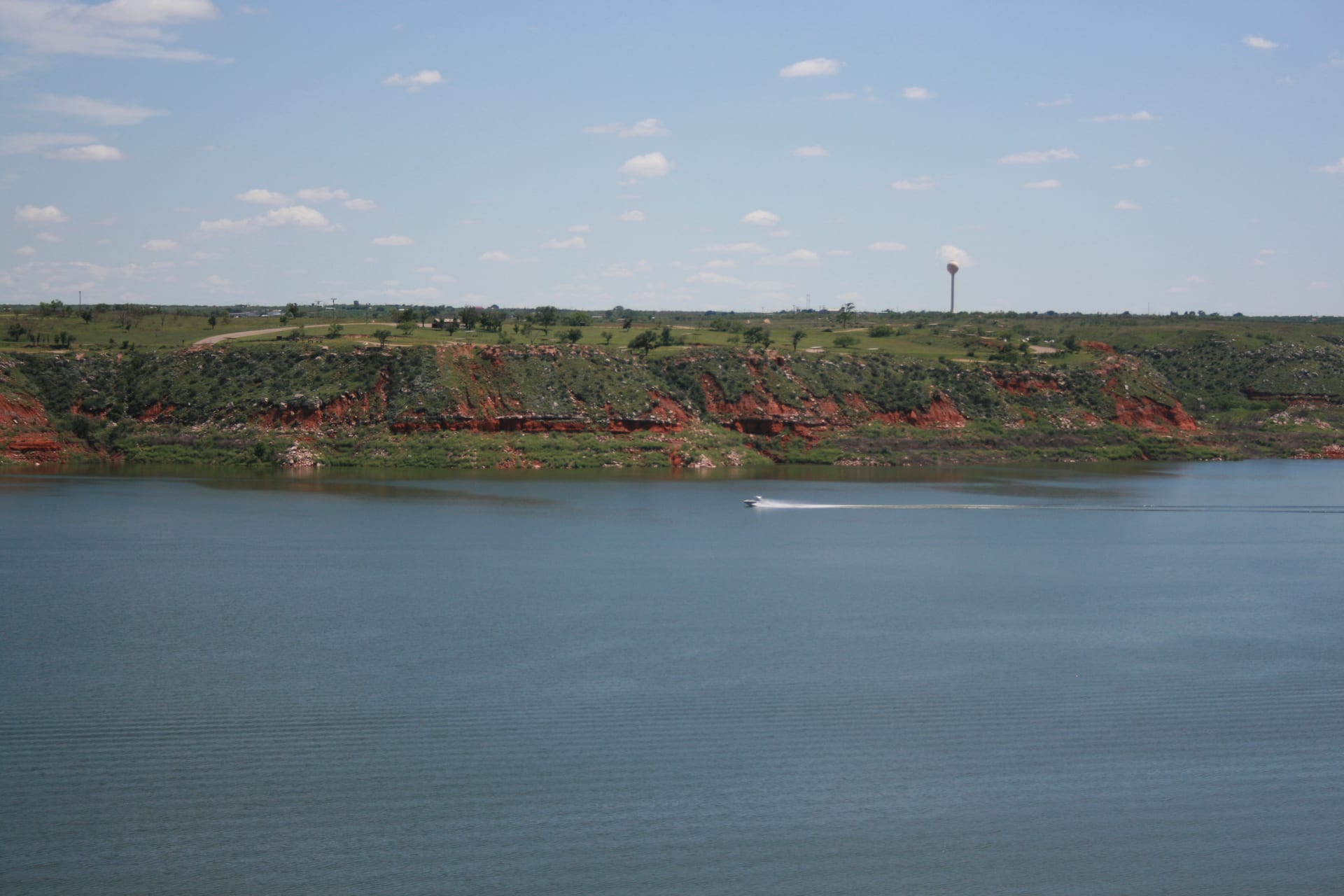
100Lake Meredith
An unlikely oasis in the Texas Panhandle, where the Canadian River carved 200-foot canyon breaks into the surrounding grassland. No entrance fee, free primitive camping throughout the recreation area, and nearby towns with lodging that won't empty your wallet. Lake Meredith sees a fraction of the crowds that descend on Big Bend or Guadalupe Mountains, despite offering boating, swimming, and hiking through diverse canyon ecosystems. The drive from Amarillo takes under an hour.
Explore:Park Profile - 2.
 100
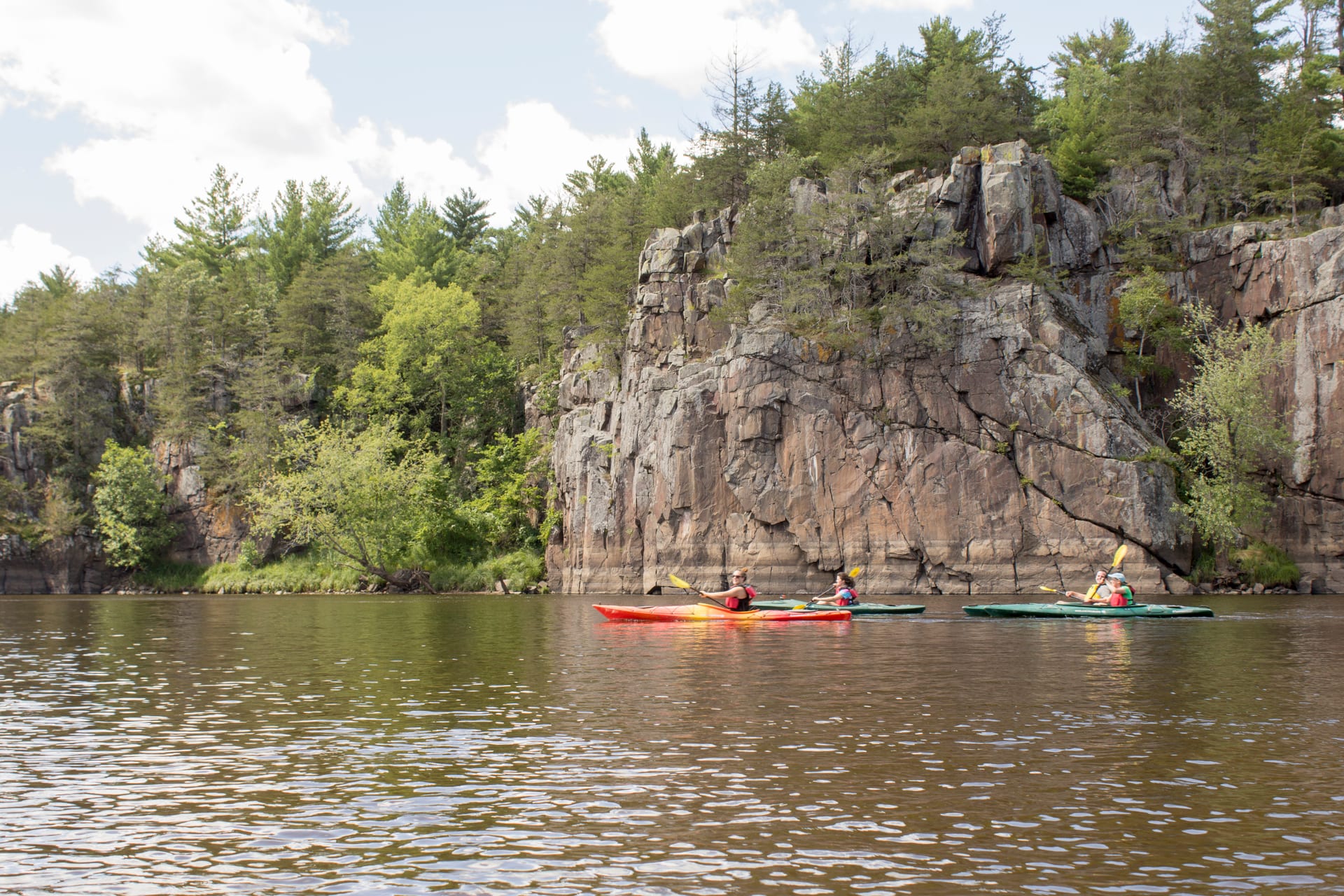
100Saint Croix
More than 200 miles of clean, paddleable water through northern Wisconsin and Minnesota forest, and no entrance fee to access any of it. The St. Croix and Namekagon rivers offer everything from Class I riffles to quiet stretches perfect for beginners. Free primitive camping along the riverbanks means multi-day trips cost almost nothing beyond gear rental. Small towns like Trego and Grantsburg have cheap motels and reasonably priced canoe outfitters.
Explore:Park Profile - 1.
 100
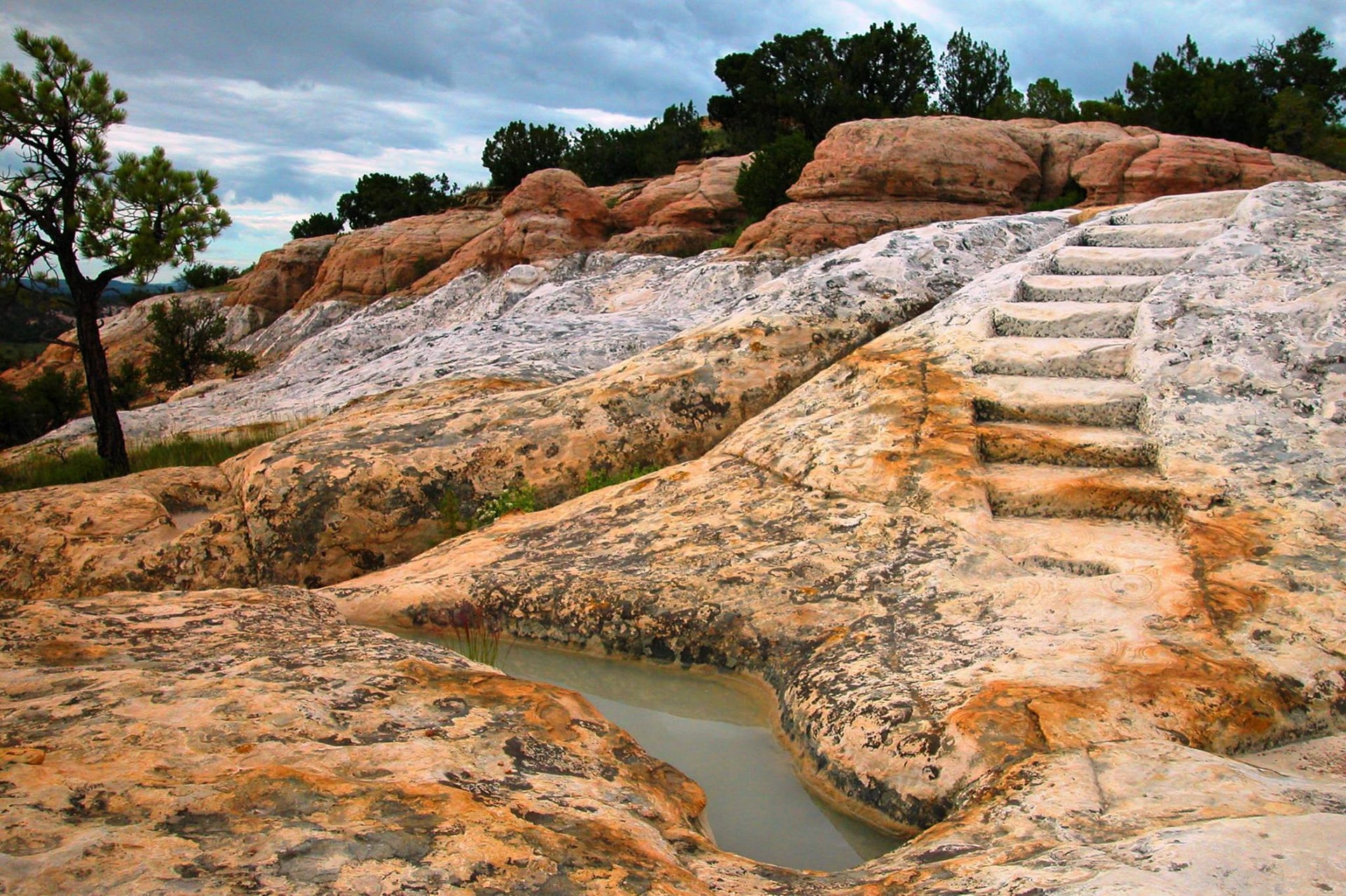
100El Morro
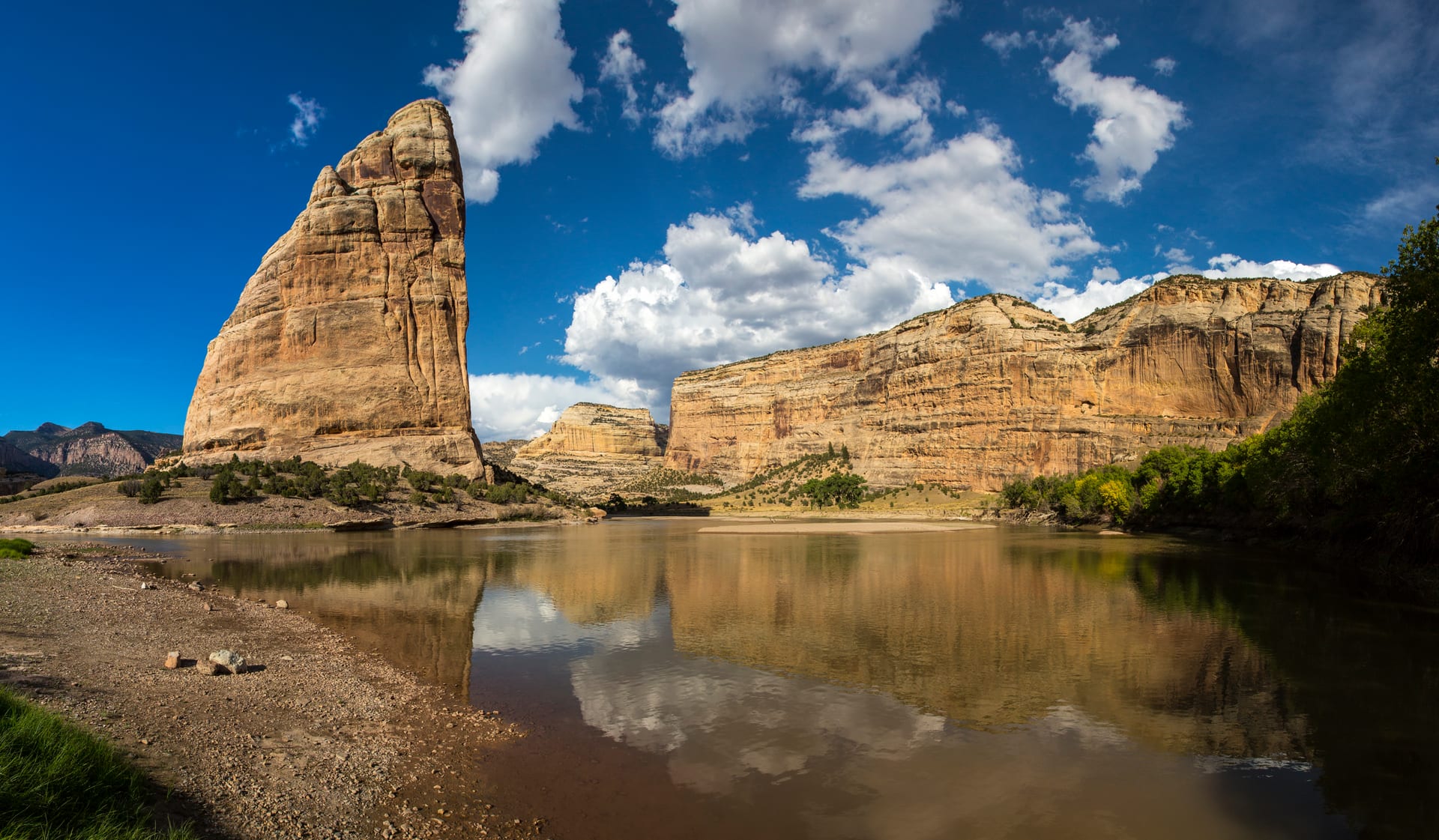
Travelers have been stopping at El Morro for centuries, drawn by the same thing that draws budget travelers today: a reliable oasis that costs nothing to visit. Over 2,000 signatures carved into the sandstone bluff document everyone from ancestral Puebloans to Spanish conquistadors to nineteenth-century Army surveyors. No entrance fee, free primitive camping, and a small-town New Mexico gateway keep costs minimal. The inscription trail is a half-mile loop that takes about an hour, but the real attraction is imagining what it meant to find water here after days crossing the desert.
Explore:Park Profile
185 parks scored on 85 criteria
Discover your perfect park
Find a destination that matches how you actually want to travel.
Get Started