- 10.
 95
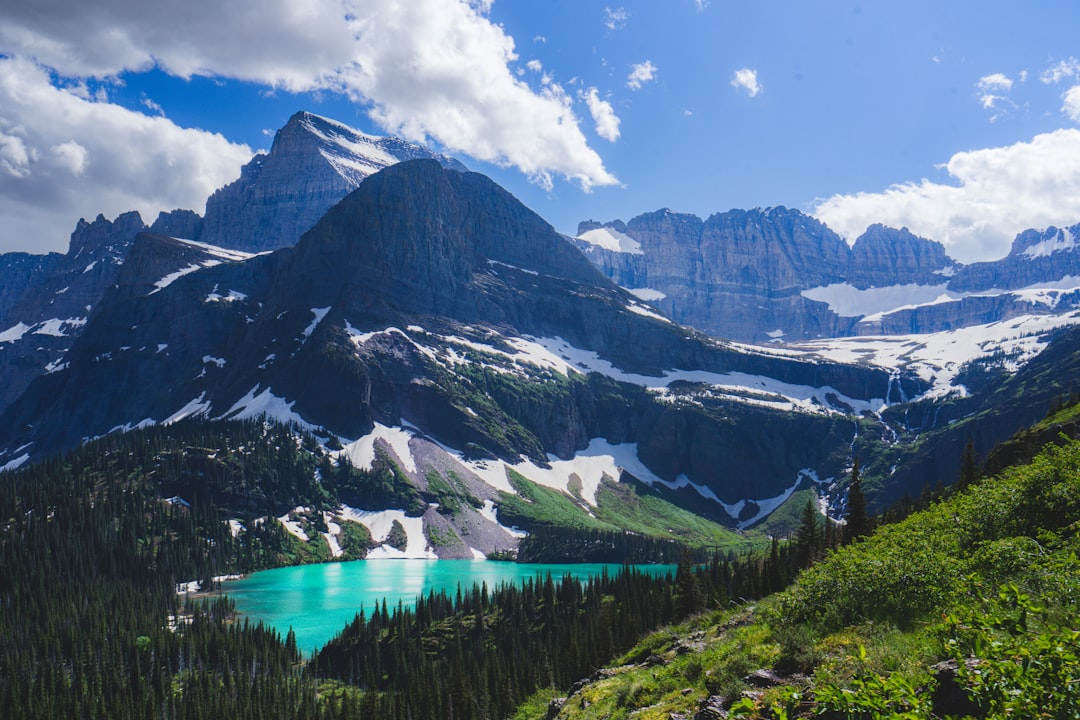
95Glacier
- 9.
 96
96Highlight’s Favorite: Indiana Dunes
Indiana Dunes scores ninth on this list, and it’s our favorite for fall.
Nobody puts Indiana on their fall foliage list. The state doesn’t compete with New England maples or Rocky Mountain aspens in anyone’s imagination. But Indiana Dunes has something those destinations don’t: 15 miles of Lake Michigan shoreline where fall color meets a major bird migration flyway, with the Chicago skyline visible across the water.
The beaches empty out after summer. Hiking temperatures turn comfortable. Songbirds funnel along the lakeshore during their southward migration. The interdunal wetlands and oak savannas show fall color against sand dunes, a combination that doesn’t exist anywhere else on this list. And the South Shore Line still runs from Chicago’s Millennium Station to Dune Park, so you can watch the leaves change without ever needing a car. Shenandoah and the Smokies rank higher for a reason. Indiana Dunes ranks here because nobody expected it to.
Explore:Park Profile - 8.
 96
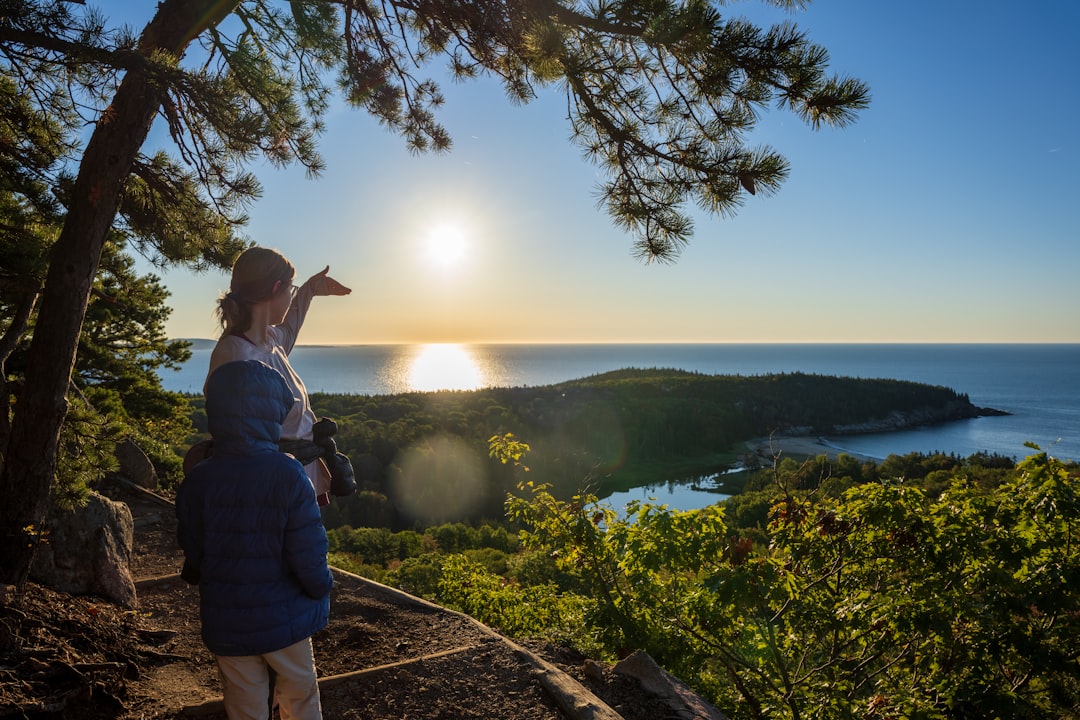
96Acadia
New England foliage meets the Atlantic coast. The maples on Cadillac Mountain turn crimson, the birches go gold, and the granite outcrops provide contrast. October mornings are cold and clear, perfect for sunrise from the first place in the United States to see it. Crowds thin dramatically after Columbus Day.
- 7.
 97
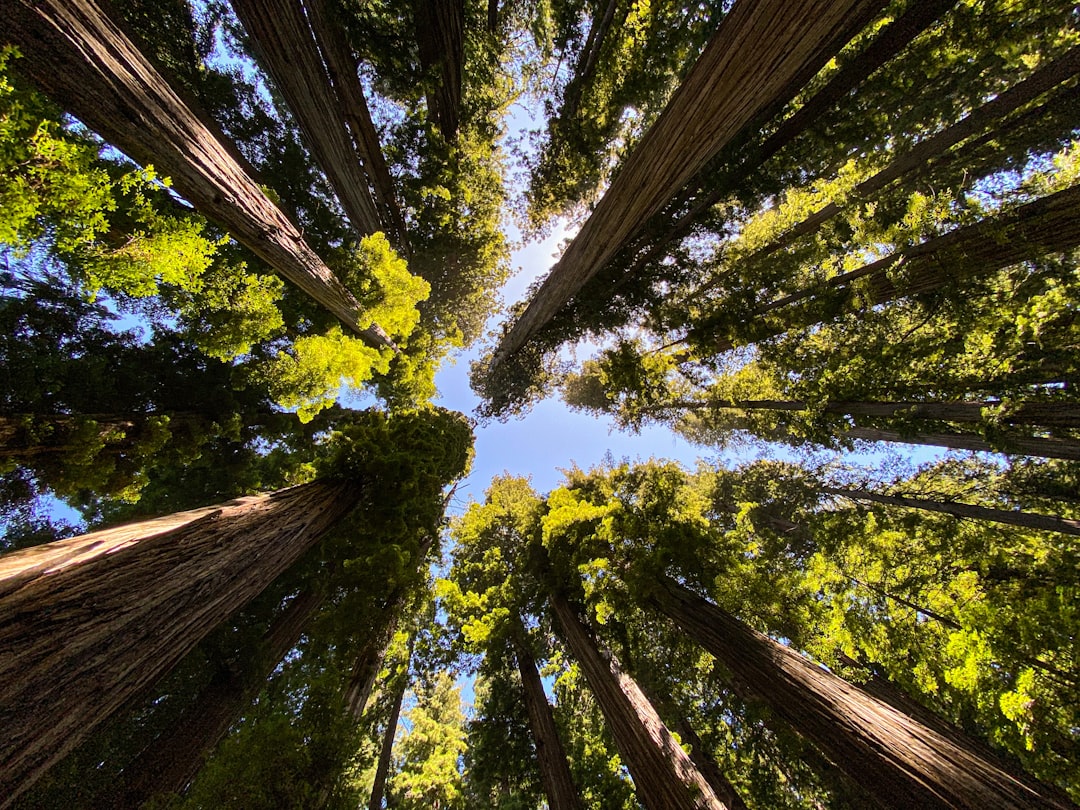
97Redwood
The coastal redwoods don't change color, but fall brings the migration: salmon spawning in Redwood Creek, Roosevelt elk in full rut, gray whales starting their journey south. The summer fog lifts, revealing the forest in clear light. Fewer visitors walk among the tallest trees. Fall is when the coast redwoods feel most themselves.
Explore:Park Profile - 6.
 97
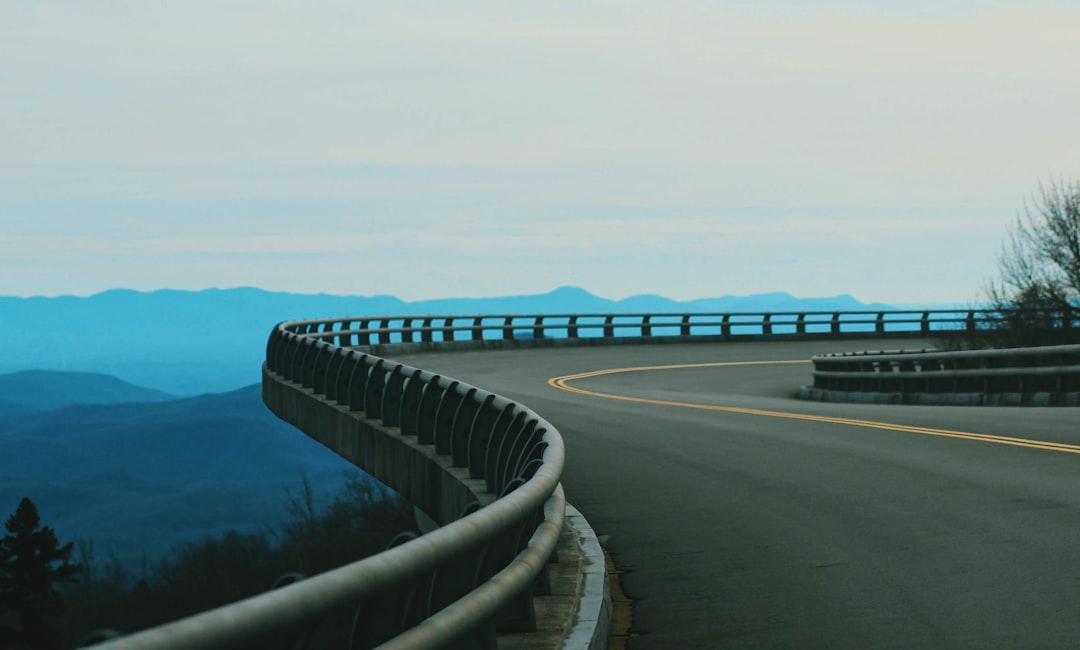
97Blue Ridge
Four hundred sixty-nine miles of mountain ridgeline, connecting Shenandoah to Great Smoky Mountains through some of the best fall color in the country. The parkway peaks at different times along its length, from October in Virginia to early November in North Carolina. Pull off at any overlook; the view will be worth it.
- 5.
 98
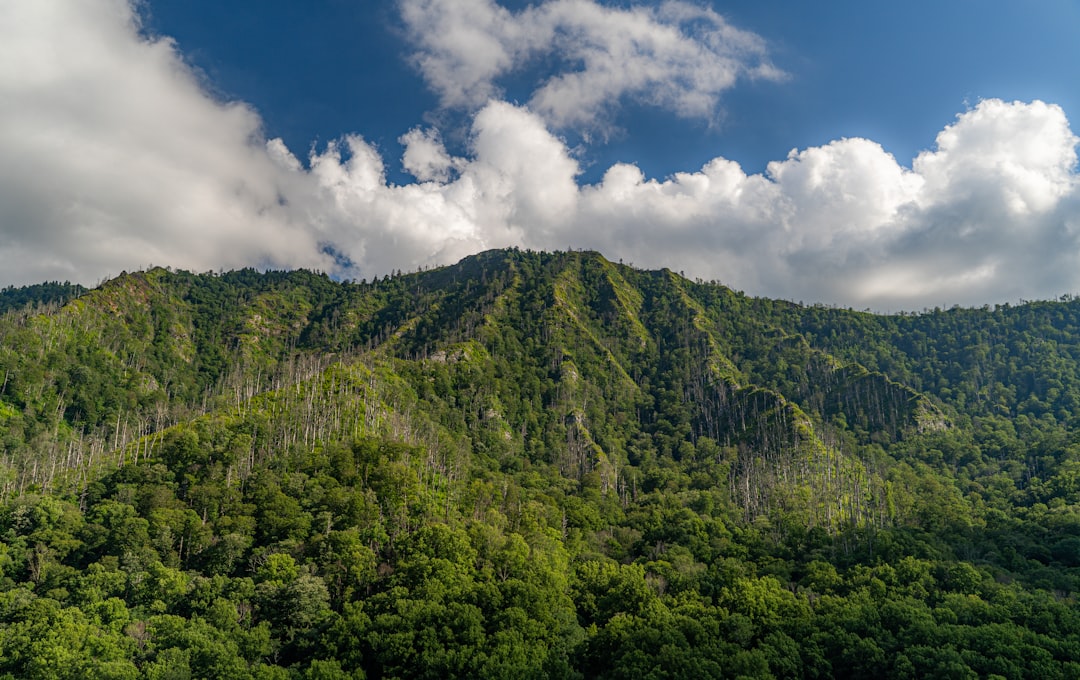
98Great Smoky Mountains
The most species-diverse temperate forest in North America puts on a color show from mid-October through early November. Elevation creates weeks of peak color as the change works its way down the mountains. Cades Cove fills with leaf-peepers, but the backcountry trails offer solitude among the color. This is what fall looks like in the Southern Appalachians.
- 4.
 98
98Yellowstone
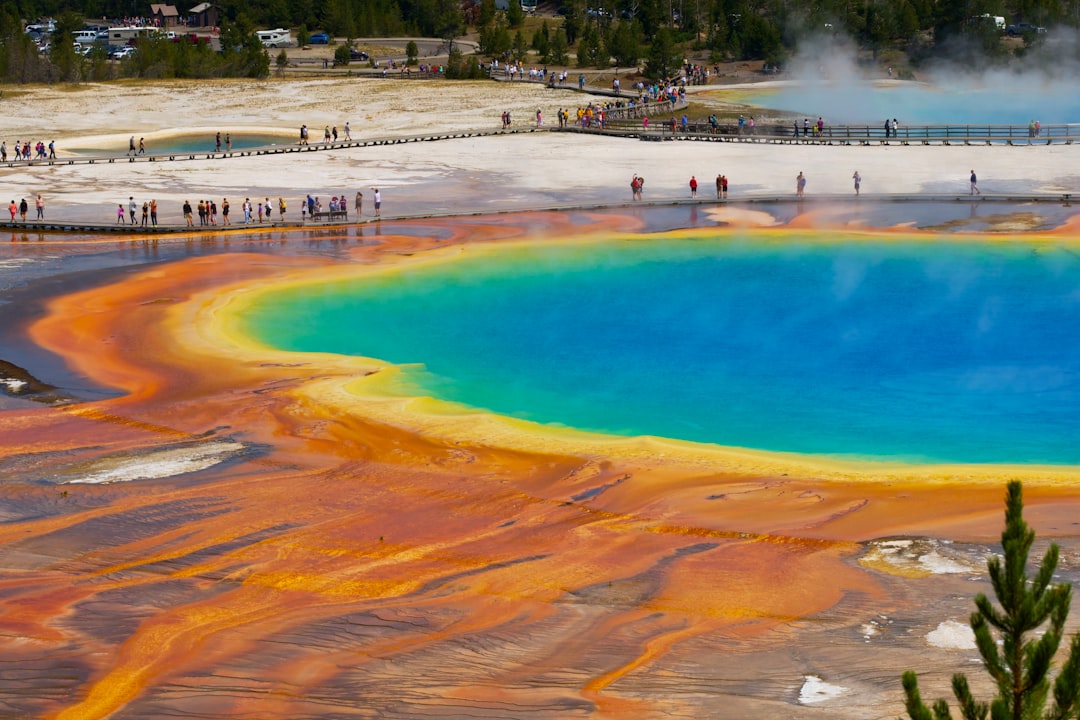
Fall combines reduced crowds with active wildlife: bison rut in September, elk bugling through October, wolves hunting in the Lamar Valley as temperatures drop. The geysers steam more visibly in cold air. Aspens line the road to Tower Junction. Some facilities close, but the park opens up in ways summer never allows.
- 3.
 99
99Shenandoah
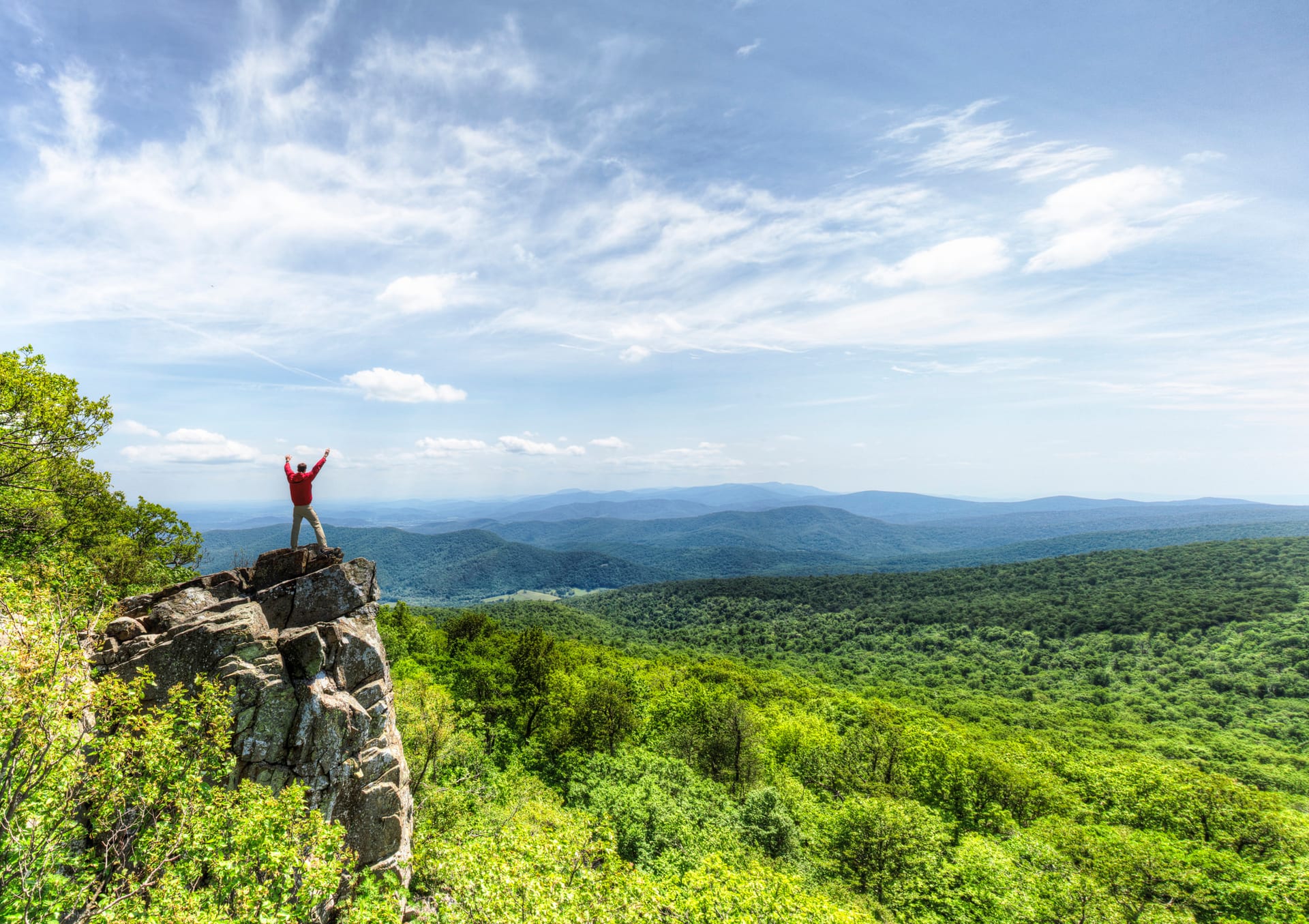
One hundred miles of Skyline Drive through hardwood forest that turns every shade of red, orange, and yellow. The overlooks fill with photographers. The trails empty compared to summer weekends. October in Shenandoah is the mid-Atlantic's answer to New England foliage, with half the crowds and Blue Ridge scenery that rewards every stop.
- 2.
 99
99Grand Teton
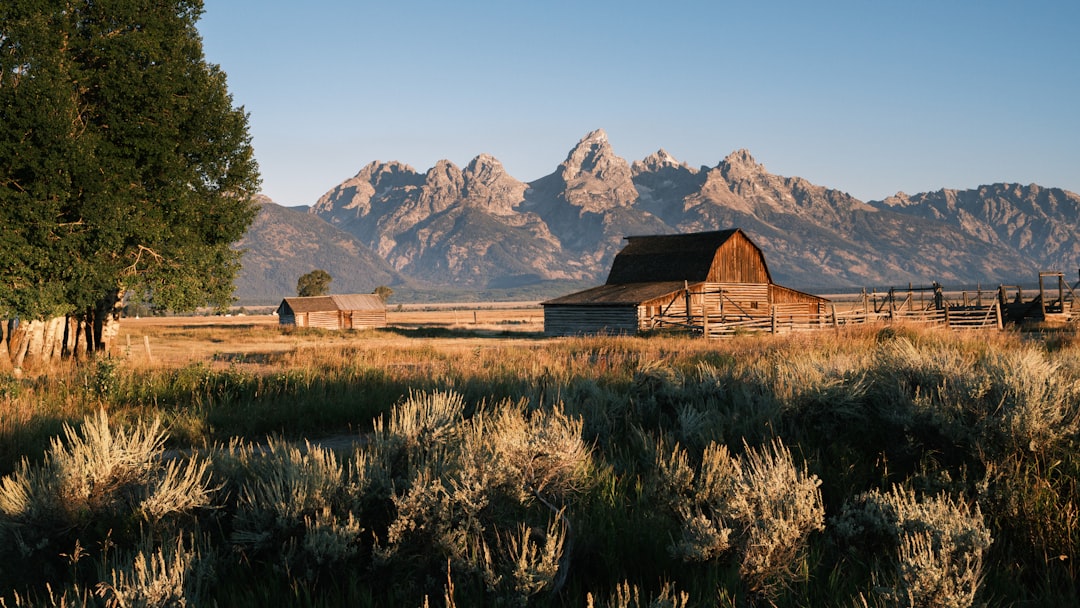
The Snake River bottomlands turn gold with cottonwoods while the aspens climb the mountainsides in bands of yellow. Moose browse the willows. Photographers line Schwabacher Landing at dawn. The Tetons themselves may carry early snow, creating the contrast that defines fall in the Rockies. September and early October deliver.
- 1.
 100
100Rocky Mountain
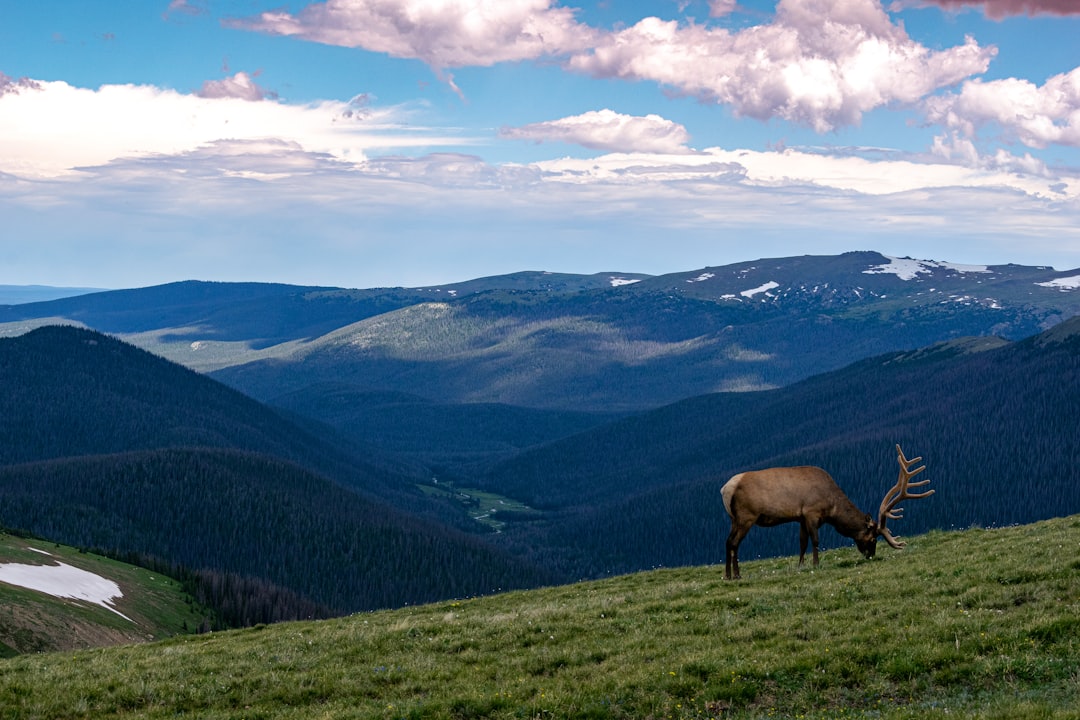
The elk rut fills the valleys with bugling bulls and ranger-led viewing programs in September. Aspens turn entire mountainsides gold, from the lowest valleys to treeline. Trail Ridge Road stays open through October most years, offering alpine views without summer traffic. Fall is when Rocky Mountain becomes the postcard: golden trees, bugling elk, snow-dusted peaks.
185 parks scored on 85 criteria
Discover your perfect park
Find a destination that matches how you actually want to travel.
Get Started