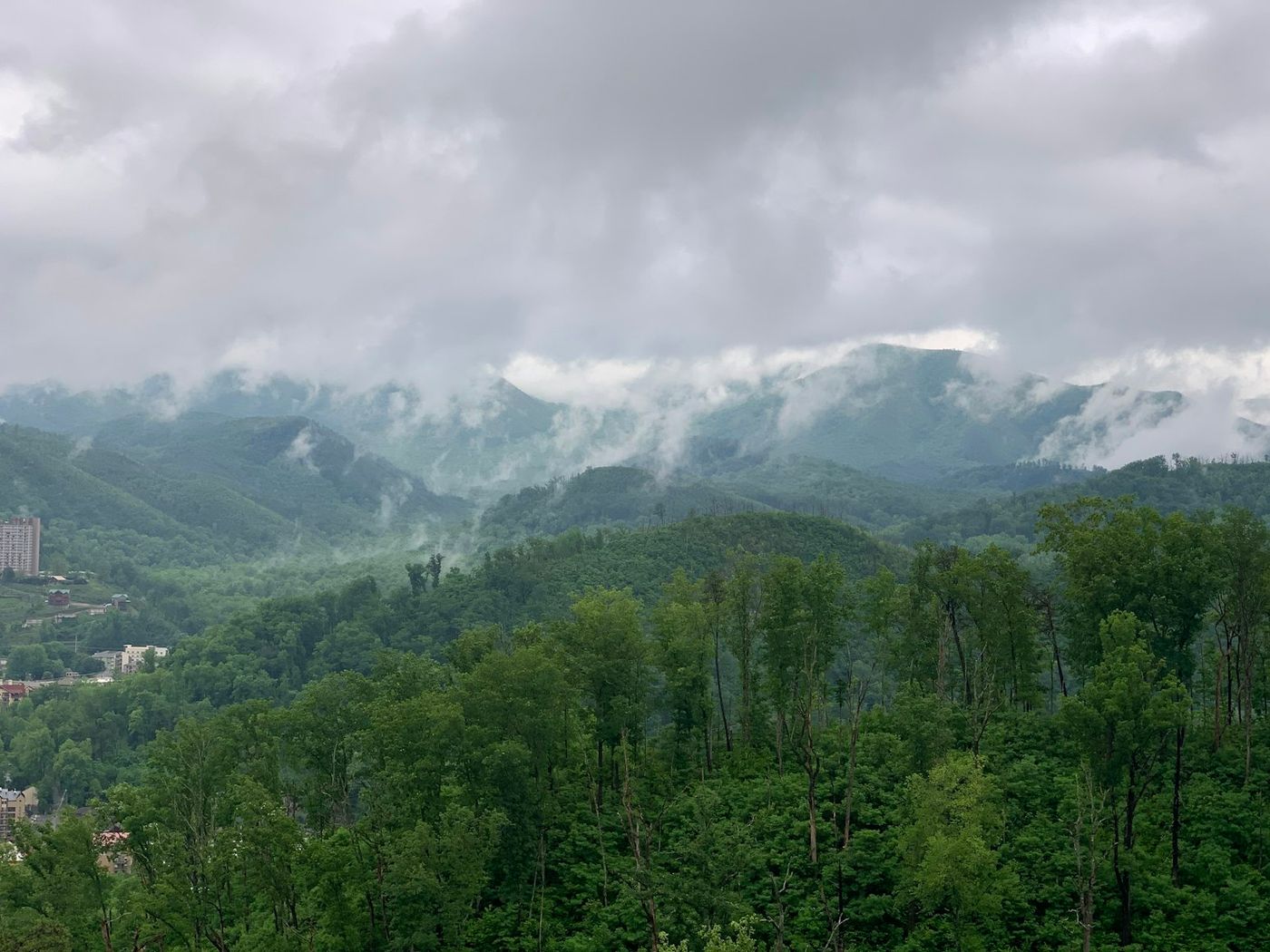
Great Smoky Mountains is the most visited national park in the country, drawing over twelve million visitors annually. Most concentrate at Cades Cove, Newfound Gap, and the Gatlinburg entrance. The Cades Cove loop can become a slow-moving parking lot on weekends. The park receives 55 to 80 inches of rain annually depending on elevation, making waterproof plans essential. The good news: Gatlinburg and Pigeon Forge have developed a century of tourist infrastructure, from aquariums to moonshine distilleries. Cataloochee Valley on the North Carolina side sees a fraction of the crowds with the same historic buildings and better elk viewing. Cherokee National Forest offers similar Appalachian terrain without the crowds. When the famous spots overwhelm, alternatives exist.
Indoor Options
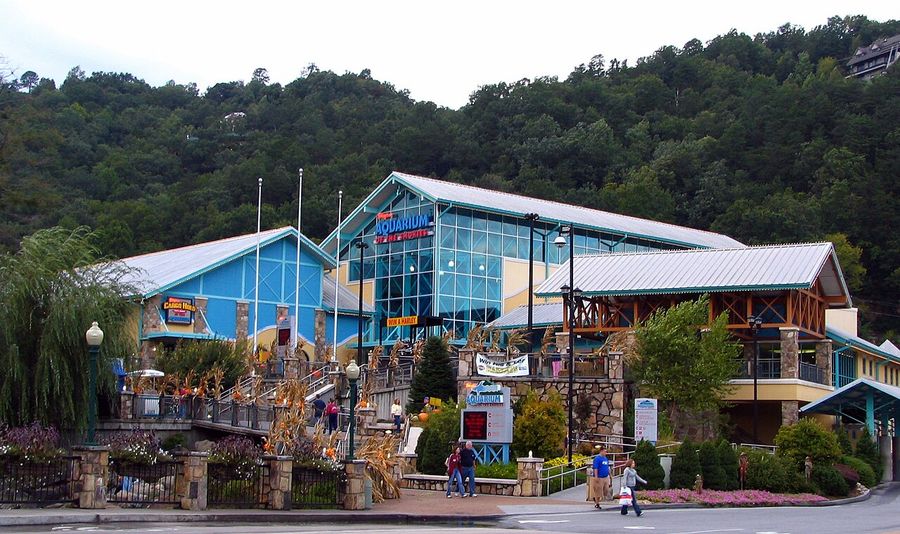
Ripley's Aquarium of the Smokies
Over 10,000 exotic sea creatures in a 115,000-square-foot facility. The underwater tunnel puts you inside a shark tank. Touch tanks allow interaction with stingrays and horseshoe crabs. One of the better-reviewed Ripley's attractions. Fills easily on rainy days.
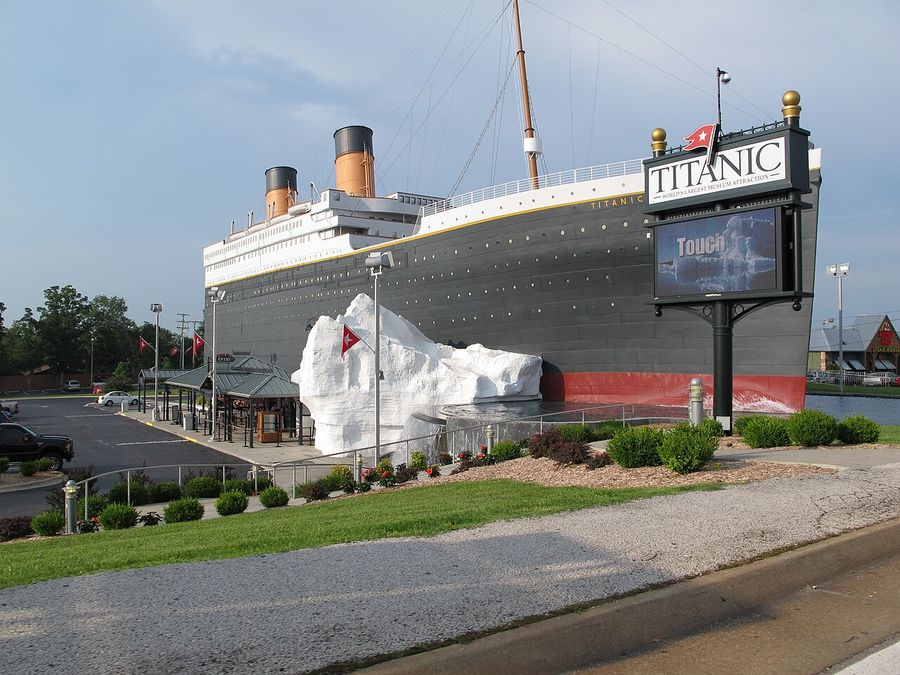
Titanic Museum Attraction
A half-scale replica of the ship's bow houses over 400 artifacts from the wreck. Each visitor receives a boarding pass with a passenger's name. The experience is more immersive than most museums. Touch a real iceberg and walk recreated cabins.
Ole Smoky Moonshine
Working distillery producing legal moonshine in the tradition of Appalachian bootleggers. Free tastings of multiple flavors. Watch the stills operate through glass walls. Live music on the covered porch. The Gatlinburg location is the original.
Sugarlands Visitor Center
The main park visitor center with exhibits on Appalachian history, wildlife, and geology. A 20-minute film provides park orientation. Bookstore and ranger programs. Free admission. A starting point rather than a destination.
Nearby Alternatives
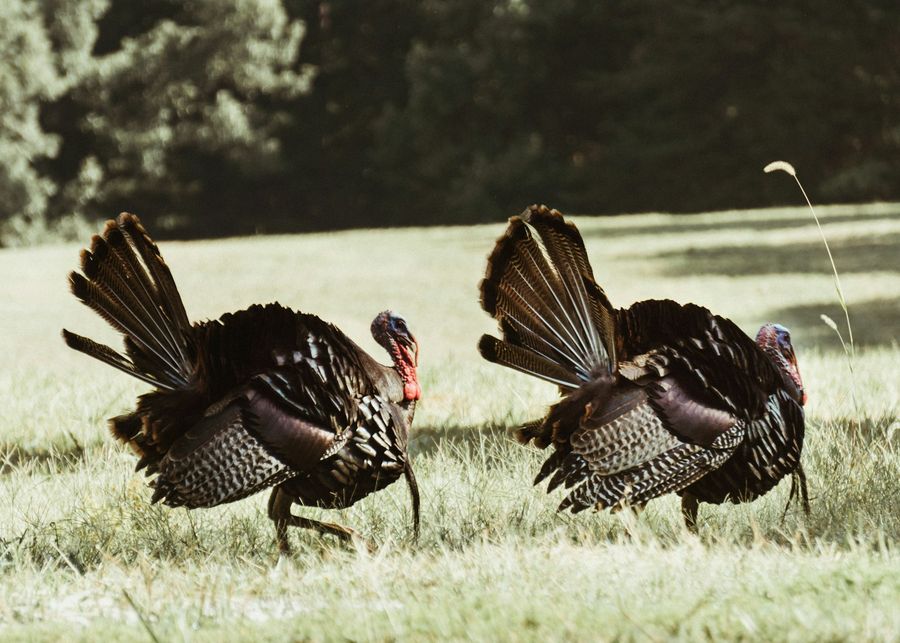
Cataloochee Valley
A remote valley on the North Carolina side where a herd of elk was reintroduced in 2001. Historic schoolhouses, churches, and homesteads remain from the pre-park community. The access road is narrow and gravel for the final miles, which keeps crowds away. Best elk viewing at dawn and dusk.
Best for: Elk viewing, historic buildings, solitude
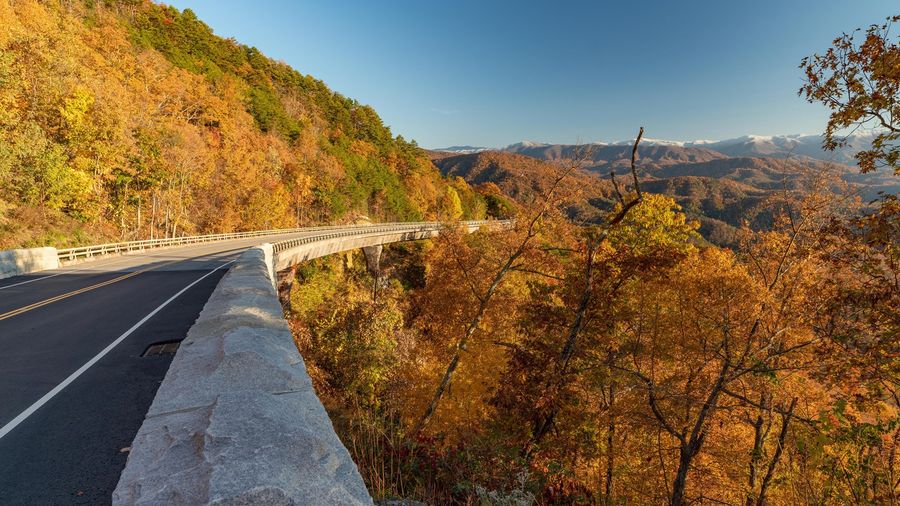
Foothills Parkway
A parkway skirting the edge of the national park with views into the Smokies. The western section runs 33 miles from Chilhowee to Wears Valley. The Look Rock tower provides a 360-degree panorama. Far fewer cars than Newfound Gap Road.
Best for: Scenic driving, mountain views, less traffic
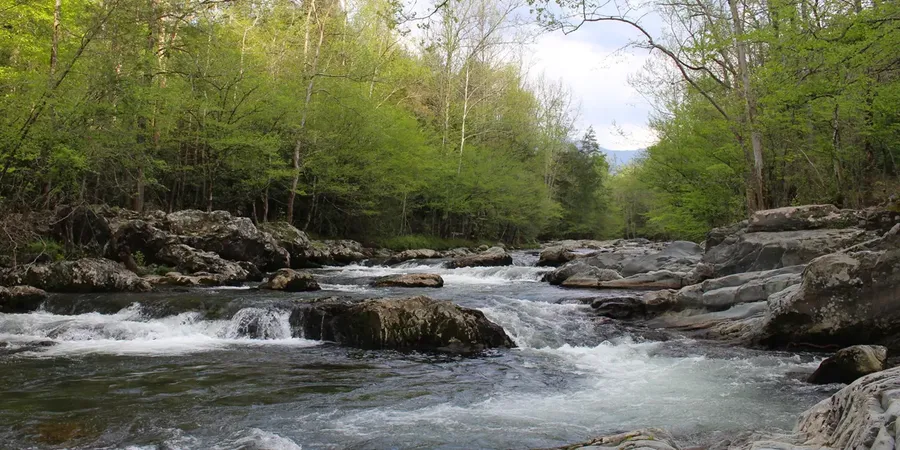
Greenbrier
A less-visited section of the park with picnic areas along the Middle Prong of the Little Pigeon River. The trailhead for Ramsey Cascades, the tallest waterfall in the park, starts here. Good fishing access. No visitor services, which keeps crowds down.
Best for: Waterfalls, fishing, quiet trails
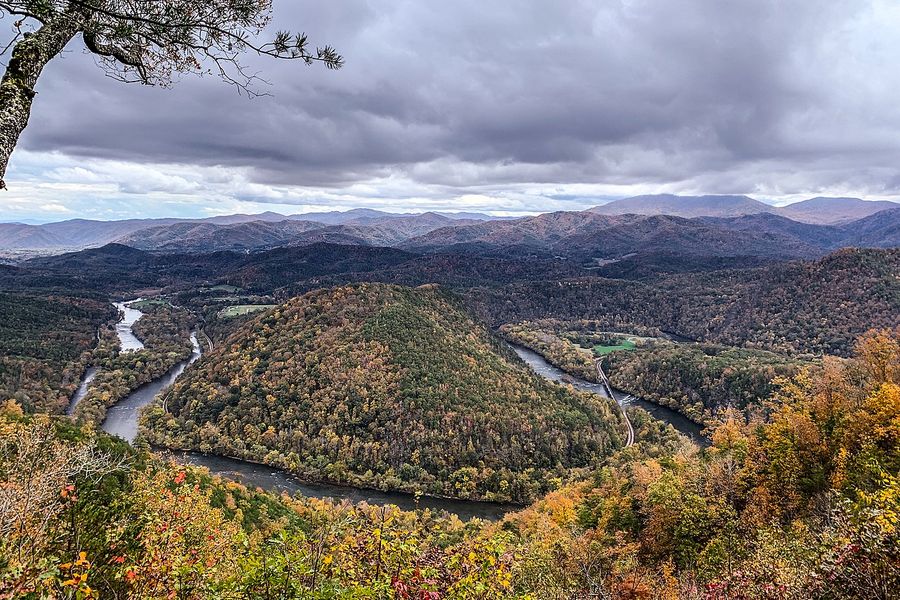
Cherokee National Forest
Over 650,000 acres of national forest flanking the national park. Same Appalachian terrain, no entrance fee, dogs allowed on trails. The Cherohala Skyway rivals the Blue Ridge Parkway for scenic driving. Dispersed camping permitted in many areas.
Best for: Hiking, camping, fewer regulations
Cosby
The quietest developed area on the Tennessee side. A campground, picnic area, and trailheads see a fraction of Cades Cove visitors. Hen Wallow Falls and Albright Grove offer rewarding hikes from here. Close to the Foothills Parkway eastern section.
Best for: Camping, quiet trails, avoiding crowds
Shortened Experiences
Cades Cove bicycle morning
The loop road is closed to cars until 10am on Wednesdays and Saturdays from May through September. Rent a bike in Townsend and ride the 11-mile loop with wildlife active and no traffic. A different experience than driving it.
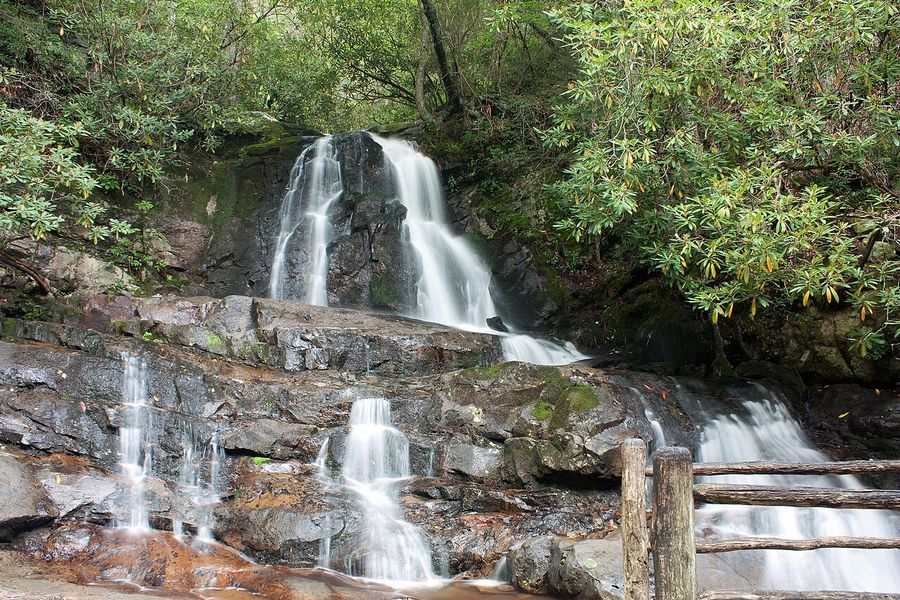
Laurel Falls
A 2.6-mile roundtrip paved trail to an 80-foot waterfall. Popular but manageable. The pavement makes it accessible. Go early or late to avoid peak crowds.
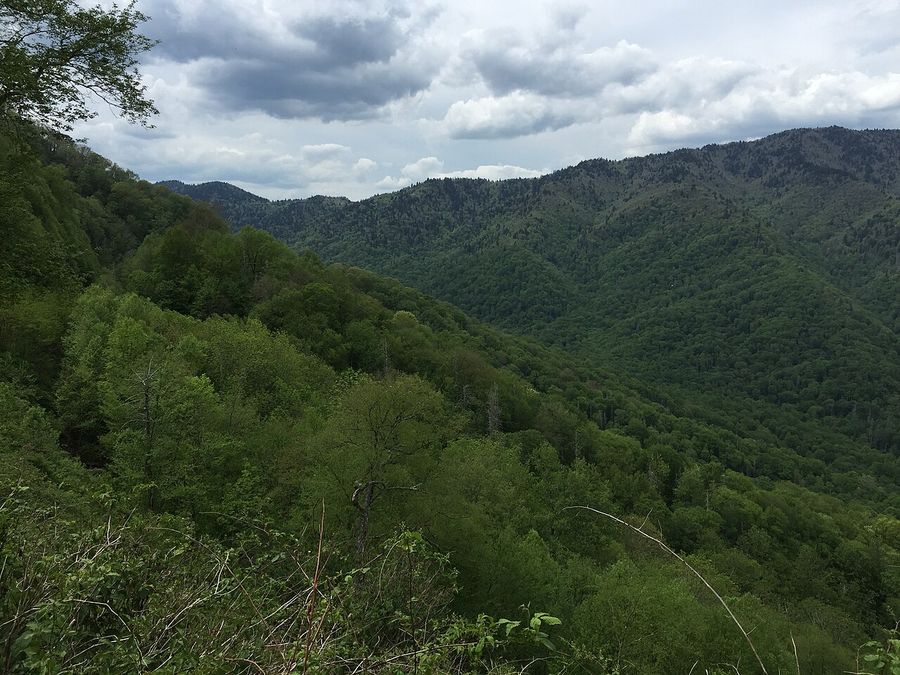
Newfound Gap overlook
The highest point on the main road through the park at 5,046 feet. Views into both Tennessee and North Carolina. A quick stop on the drive between Gatlinburg and Cherokee. The Appalachian Trail crosses here.
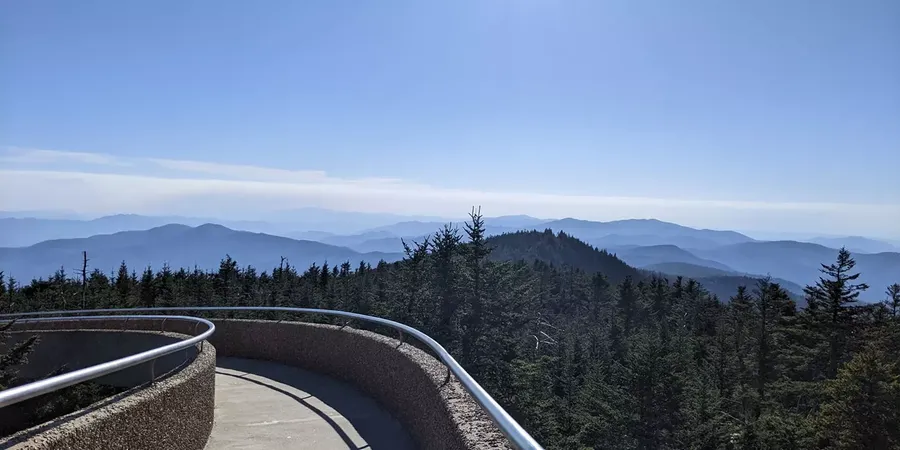
Kuwohi
The highest point in the park at 6,643 feet. A half-mile paved trail climbs to an observation tower. On clear days, views extend 100 miles. Closed in winter. Go early to avoid crowds and afternoon clouds.
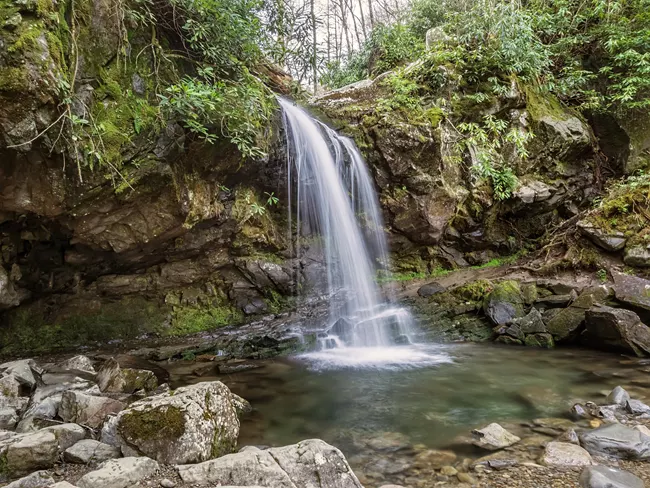
Roaring Fork Motor Nature Trail
A one-way loop road through old-growth forest with historic cabins and several short waterfall hikes. Starts from Gatlinburg. Less crowded than Cades Cove, similar experience. Closed in winter.
Rainy Day Activities
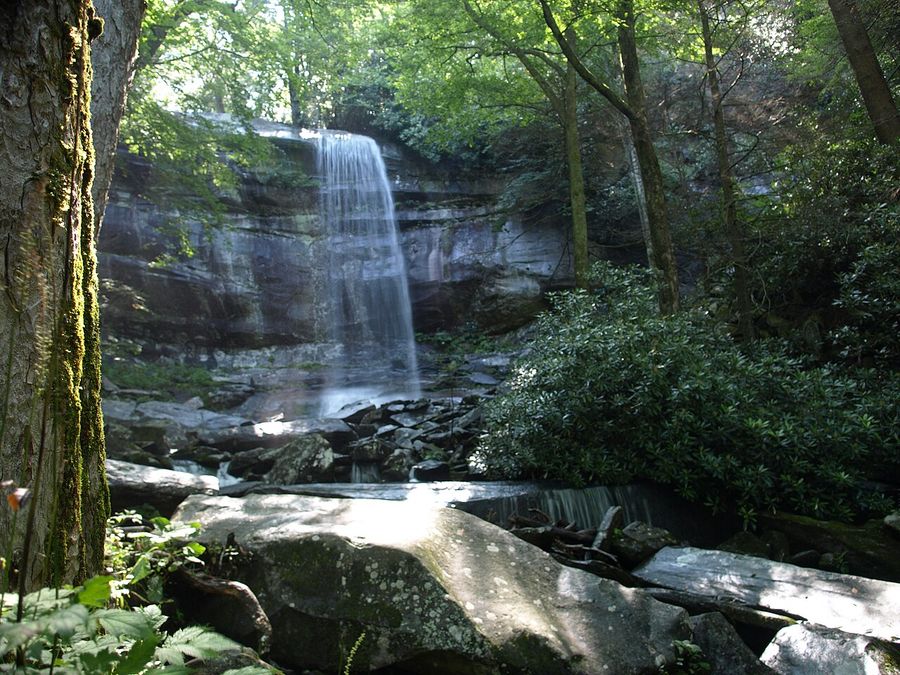
Waterfall hikes
Rain makes waterfalls more dramatic. Laurel Falls, Grotto Falls, and Rainbow Falls all benefit from wet weather. Trails can be slippery, but the payoff is worth it. Bring rain gear and trekking poles.
Stream crossings can become dangerous during heavy rain. Check conditions.
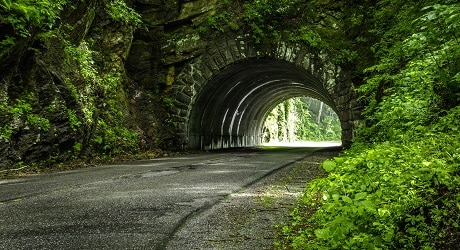
Scenic driving
The mist that gives the mountains their name intensifies in rain. Newfound Gap Road and the Foothills Parkway work in any weather. The forest canopy provides some cover. Pull over at overlooks and embrace the atmosphere.
Visibility can drop significantly. Drive carefully on mountain roads.
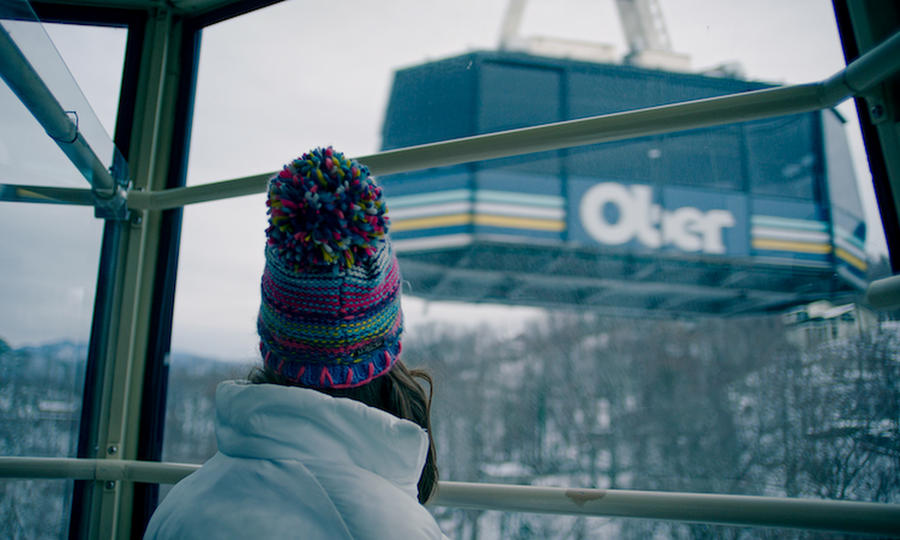
Gatlinburg attractions
Ripley's Aquarium, the aerial tramway (which runs rain or shine), moonshine distilleries, and pancake houses can fill a rainy day. The entire tourist strip exists for days like this. Quality varies widely.
Expect crowds. Everyone else had the same idea.

Pigeon Forge attractions
Dollywood has indoor shows and covered areas. The Titanic Museum is fully indoor. The Island entertainment complex has shops and restaurants. More spread out than Gatlinburg.
Traffic on the Parkway can be slow even in rain.
Tips
- Cades Cove traffic can turn an 11-mile loop into a 3-hour crawl. Go at sunrise, on weekday mornings, or use the bicycle-only hours on Wednesday and Saturday mornings.
- Cataloochee Valley requires a narrow gravel road to access. This keeps crowds away. Allow extra time and go for elk at dawn or dusk.
- The Cherokee (North Carolina) side of the park is consistently less crowded than the Gatlinburg side. Consider entering from the south.
- Rain is part of the Smokies. Pack layers and waterproof gear. The mist that obscures views is also what makes the forest lush.
- Fall leaf season (October) and summer weekends are the busiest times. Weekdays year-round and winter see far fewer visitors.