- 10.
 92
92Amistad
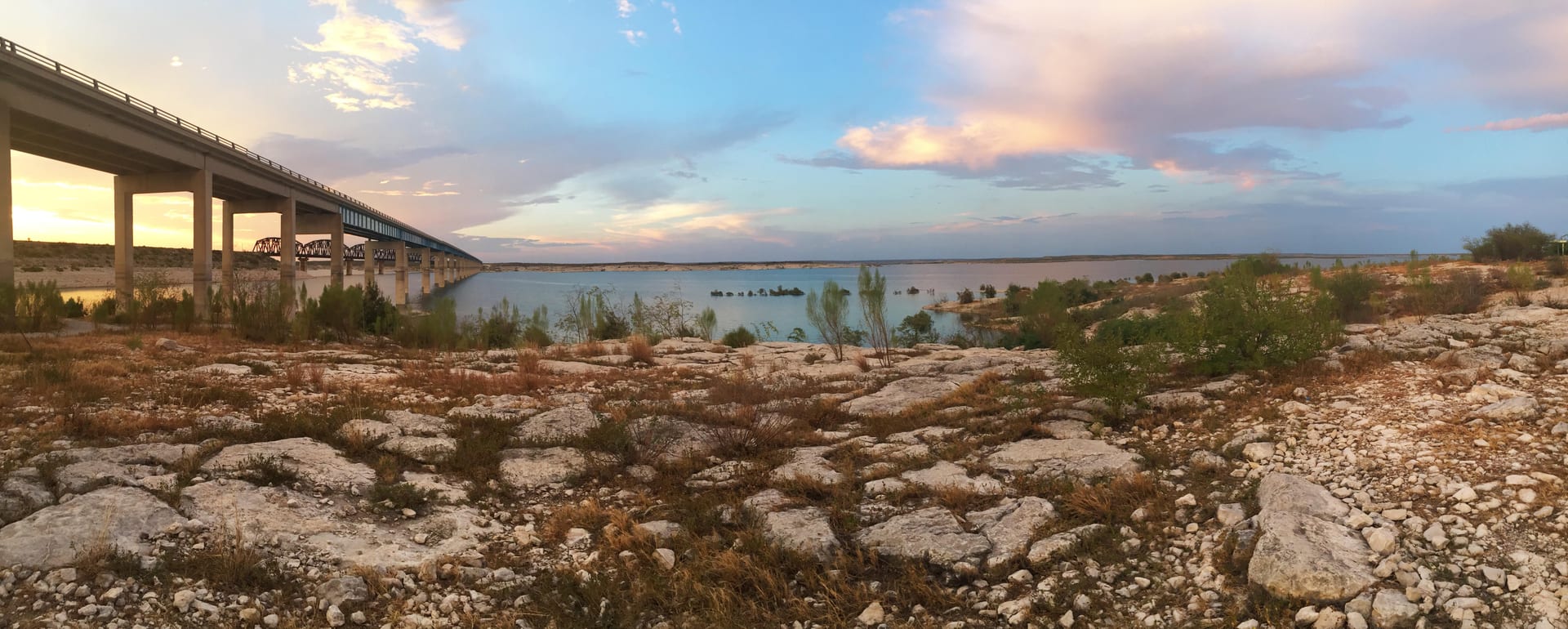
The Texas-Mexico border country bakes for much of the year. Amistad averages 186 days above dangerous heat thresholds, second only to Big Bend. July highs approach 107°F. The saving grace is the lake itself: clear, deep water that stays swimmable even when the air scorches. Rock art sites thousands of years old line the shores, left by people who understood how to live in this heat. Modern visitors follow their example: stay near the water.
Explore:Park Profile - 9.
 92
92Highlight’s Favorite: Tonto
Tonto scores sixth on this list, and it’s our favorite on the heat list.
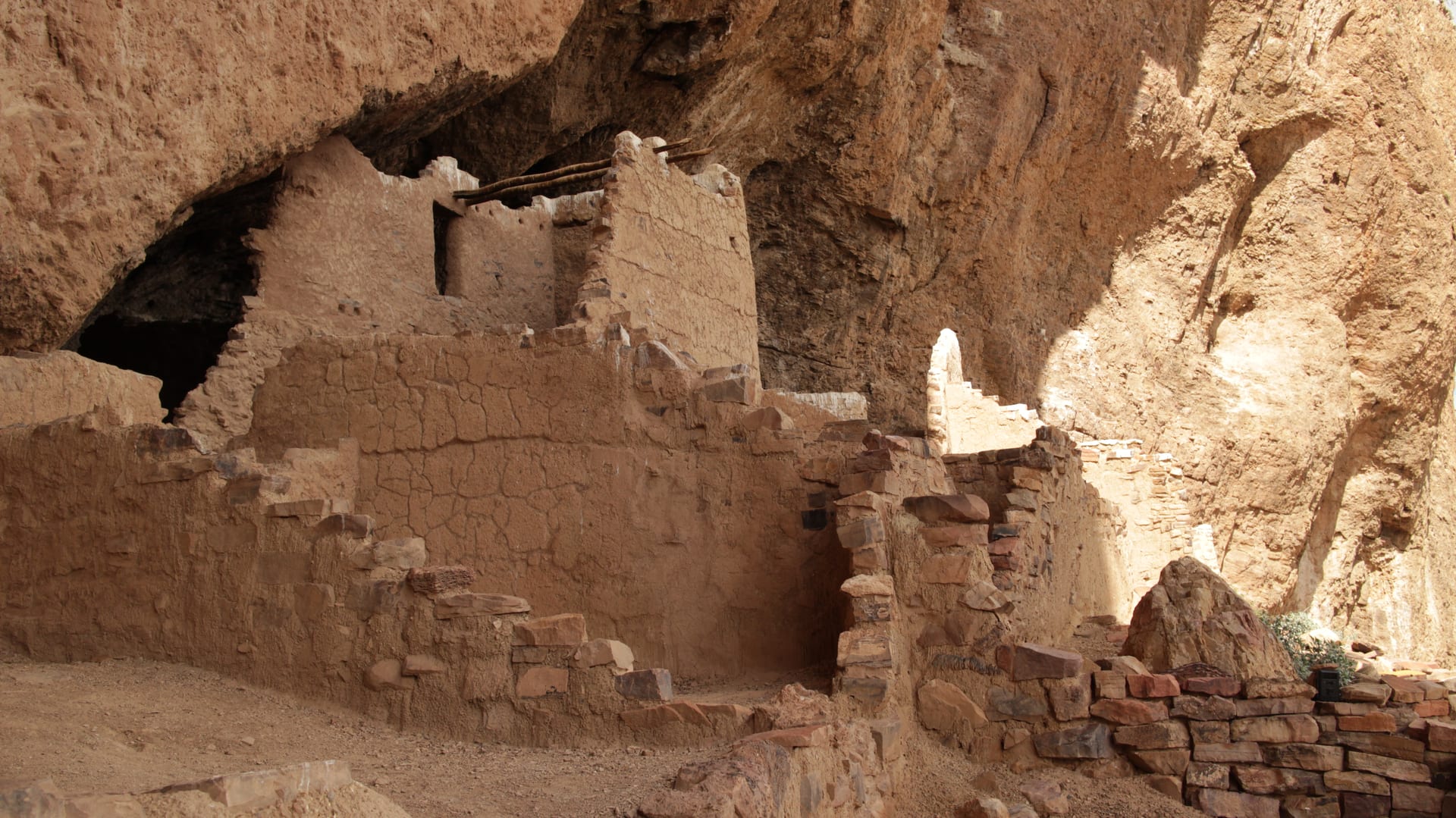
Death Valley and Big Bend dominate the top of these rankings, and they should. But Tonto is the more interesting deep cut. The Salado people built cliff dwellings into the alcoves above what is now Roosevelt Lake, farming the mesa tops and river banks from the 1280s through the 1450s. They figured out how to live in this heat seven centuries ago. The Lower Ruin has 19 rooms; the Upper Ruin has 40, accessible only with a ranger escort.
Theodore Roosevelt established the monument in 1907, one of the earliest uses of the Antiquities Act. Below the cliff dwellings, the lake that bears his name spreads across the valley floor. Most parks on the hottest list are defined by their heat: Death Valley, the Mojave, the Sonoran borderlands. Tonto is defined by the people who chose to live in the heat anyway, and the dwellings they left behind to prove it.
Explore:Park Profile - 8.
 95
95Saguaro
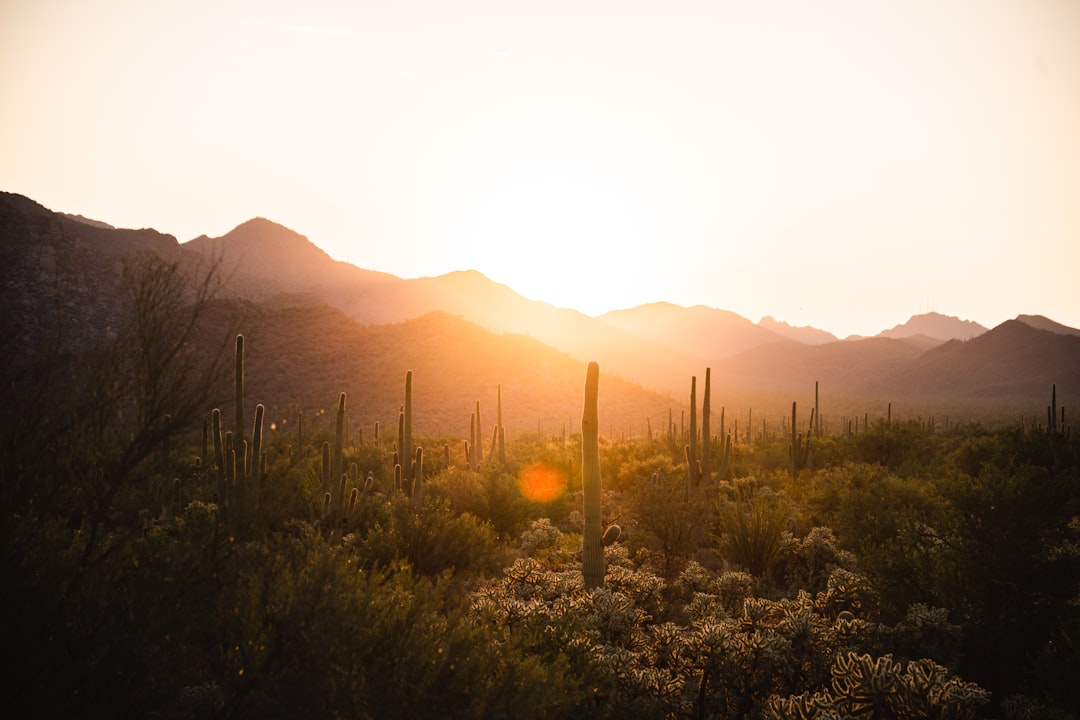
Tucson's iconic saguaro forests frame a park split between two districts, both baking under the Arizona sun. Summer highs reach 113°F, with 141 days above dangerous heat thresholds. The saguaros don't mind; they've evolved for exactly this. Human visitors adapt by hiking at dawn, retreating to Tucson's air conditioning by midmorning, and returning for sunset when the cacti silhouette against red skies. The desert cools fast once the sun drops.
- 7.
 95
95Lake Mead
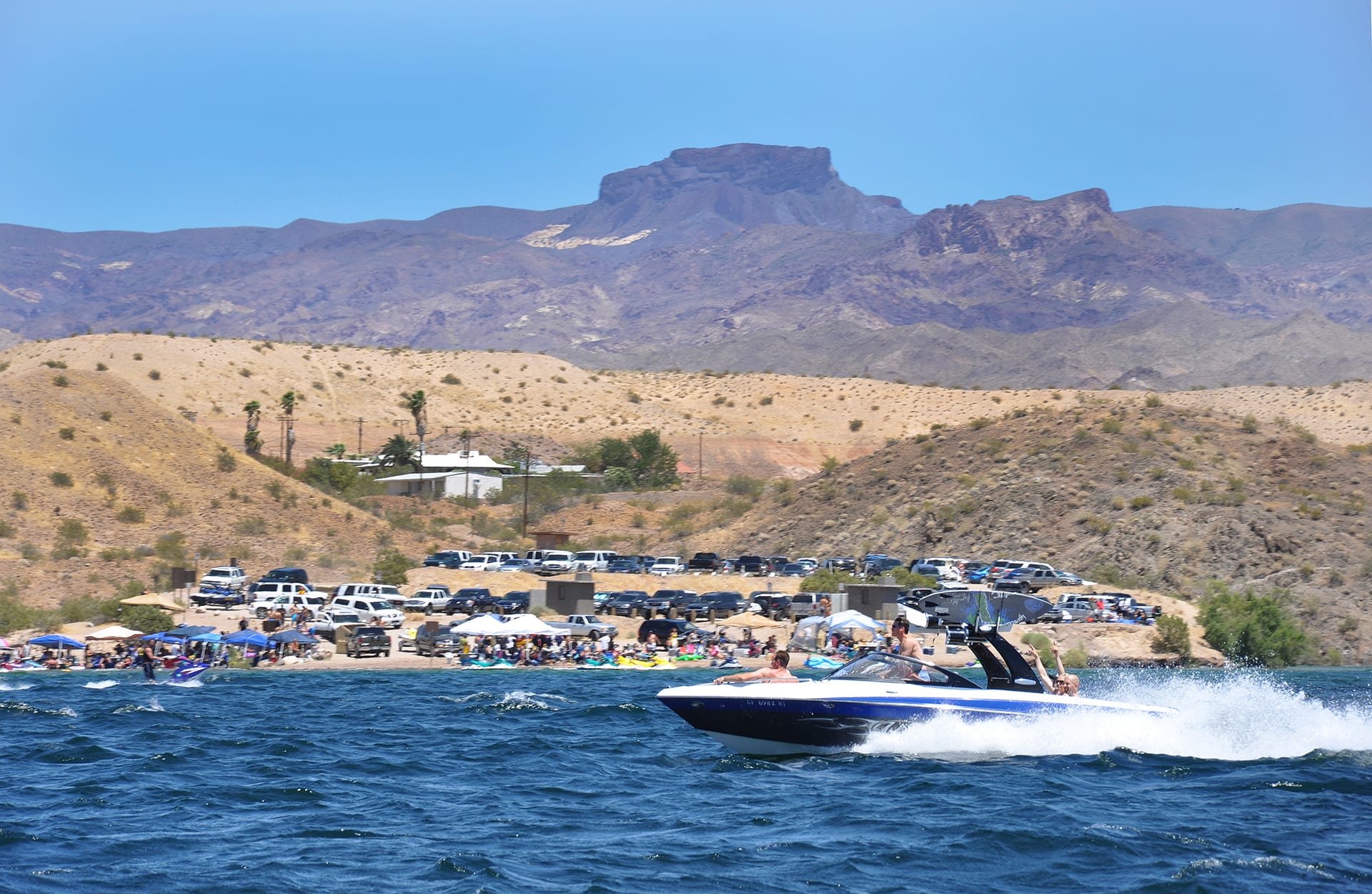
Las Vegas's backyard reservoir sits in one of the hottest corners of the Mojave. July highs reach 121°F, with 104 days per year above dangerous heat thresholds. The lake offers relief: swimming, boating, and houseboating provide the water access that makes summer bearable. The surrounding desert is for winter hiking. Summer is for getting wet and staying that way until sunset.
Explore:Park Profile - 6.
 96
96Grand Canyon
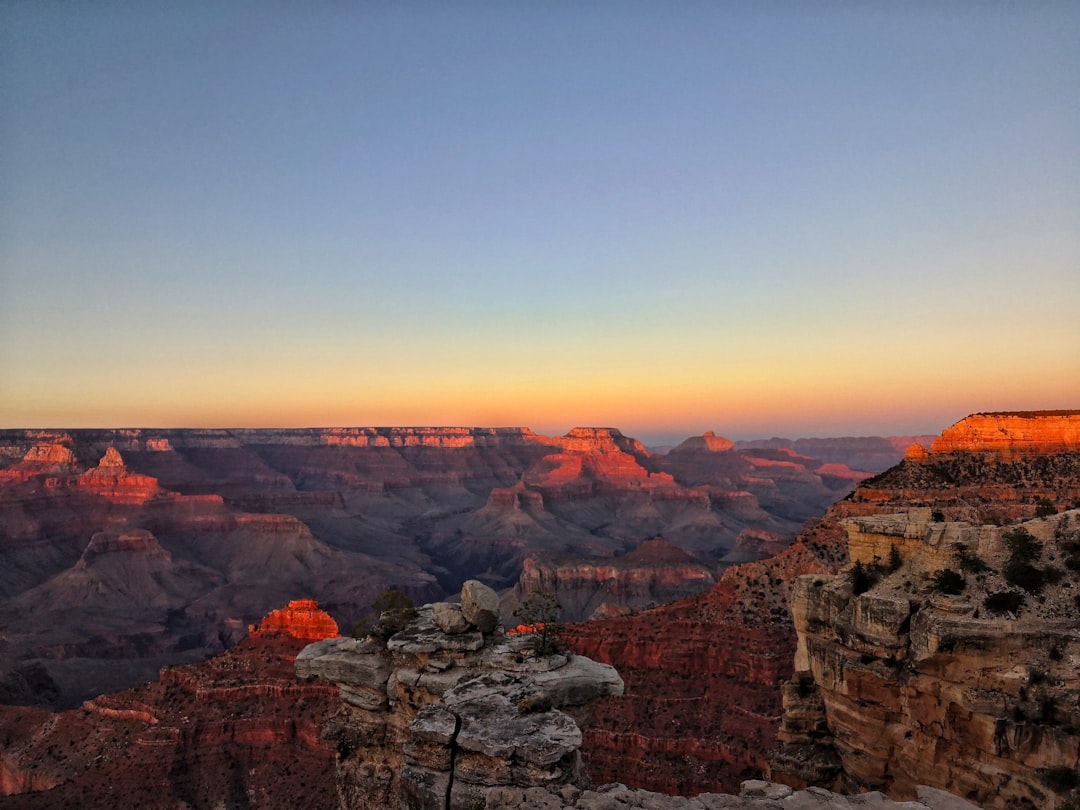
The rim and the canyon floor are different worlds. South Rim temperatures hover in the 80s while Phantom Ranch, 4,500 feet below, bakes above 115°F. The canyon acts as a heat trap, and hikers descending in summer face July maximums near 120°F. The park averages 116 days above dangerous heat thresholds, concentrated in the inner canyon. Rangers rescue overheated hikers every summer. The rim is manageable; the canyon demands respect.
- 5.
 97
97Mojave
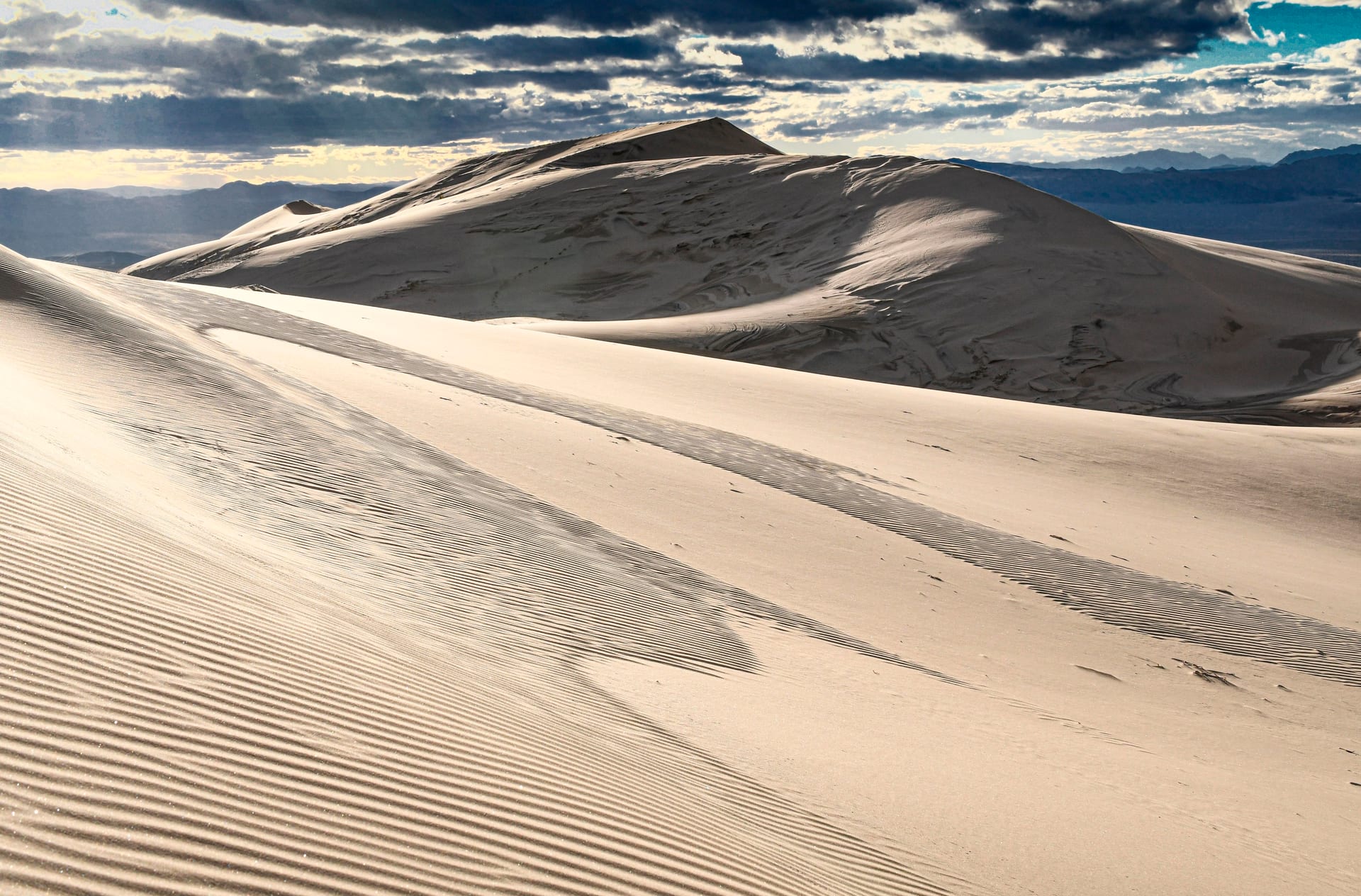
Sandwiched between Death Valley and Joshua Tree, the Mojave Preserve bakes under the same desert sun. July highs reach 125°F, and 128 days per year exceed dangerous heat levels. The Kelso Dunes shimmer in the heat; the Cima Dome's Joshua tree forest waits for cooler hours. The preserve covers 1.6 million acres, much of it empty even in peak season. Summer is for early mornings and late evenings, or for those who find beauty in extremes.
- 4.
 97
97Joshua Tree
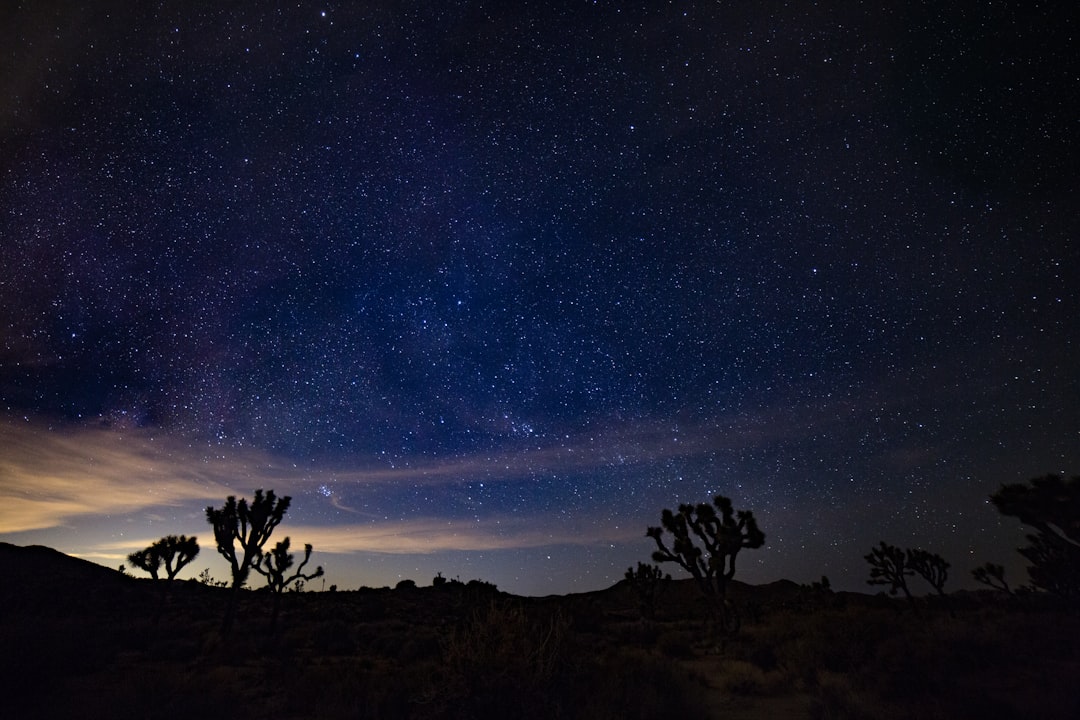
Two deserts meet here: the higher Mojave to the north, the lower Colorado to the south. Both bake in summer, with highs exceeding 118°F and 131 days per year above dangerous thresholds. The iconic Joshua trees prefer the slightly cooler elevations, but even there, summer middays drive everyone to shade. Rock climbers start at 4 AM. Day hikers finish by 10. The park empties in summer and fills in spring, when temperatures allow all-day exploration.
- 3.
 99
99Big Bend
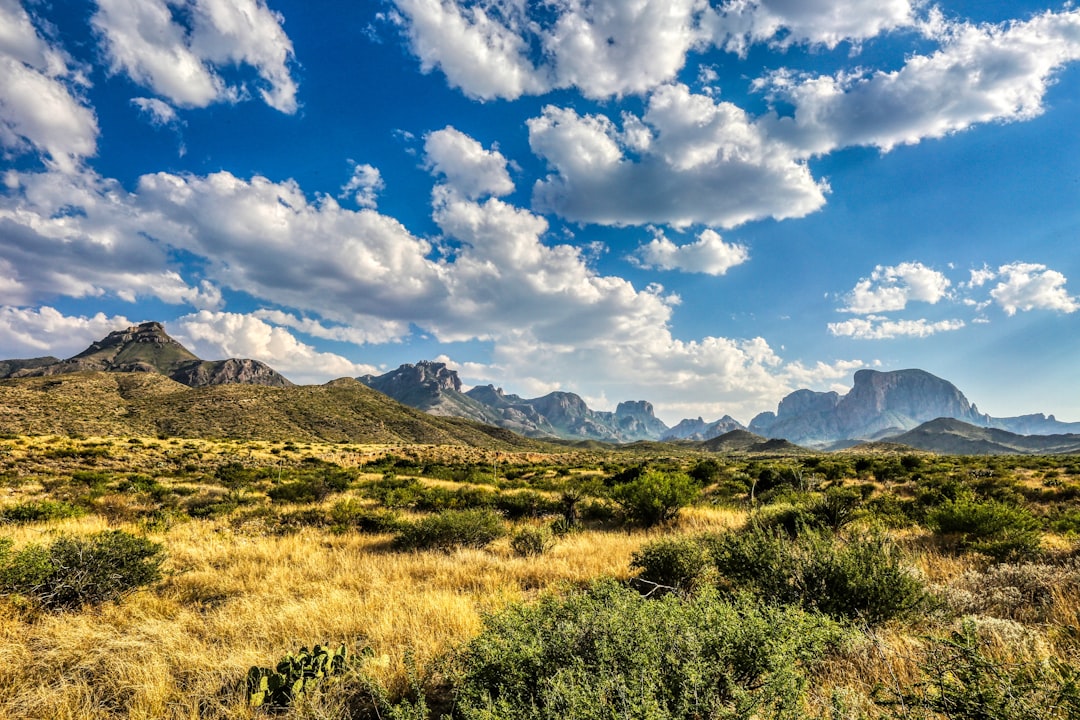
The Chihuahuan Desert bakes under a relentless Texas sun. Big Bend averages 203 days per year above dangerous heat thresholds, more than any other park. July temperatures reach 115°F in the lowlands along the Rio Grande, though the Chisos Basin offers refuge at 5,400 feet. The heat shapes everything: when to hike, where to swim, why the desert empties in summer. Spring and fall are the sensible seasons. Summer is for river trips that end in the water.
- 2.
 99
99Organ Pipe Cactus
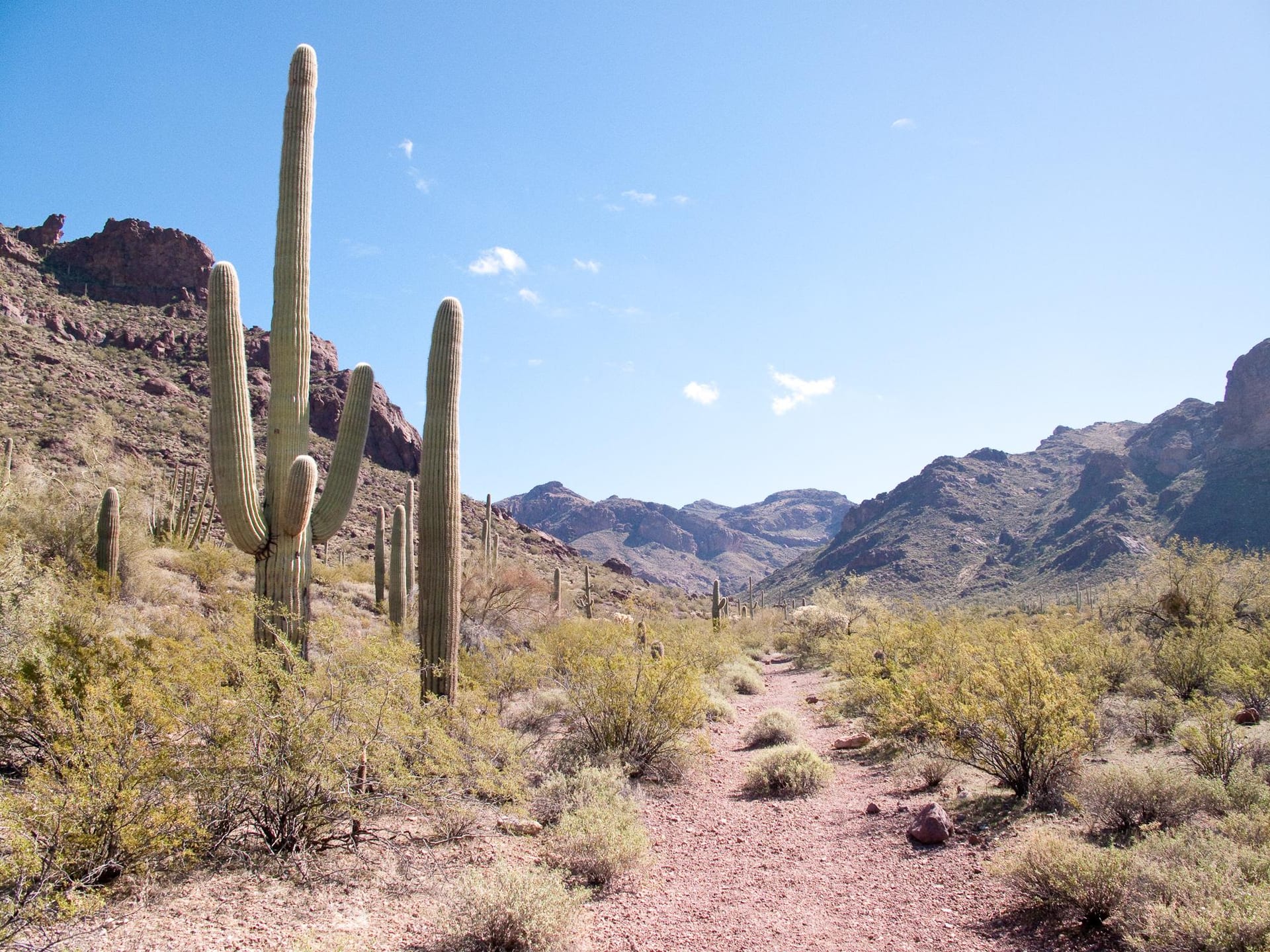
Arizona's Sonoran Desert borderland, where summer highs exceed 118°F and 166 days per year cross dangerous heat thresholds. The namesake organ pipe cacti thrive in this furnace, their arms reaching skyward in a landscape that punishes anything without deep roots or a burrow. The 21-mile Ajo Mountain Drive is best at dawn or dusk. Midday belongs to shade and stillness. Winter transforms the monument into one of the best wildflower destinations in the Southwest.
Explore:Park Profile - 1.
 100
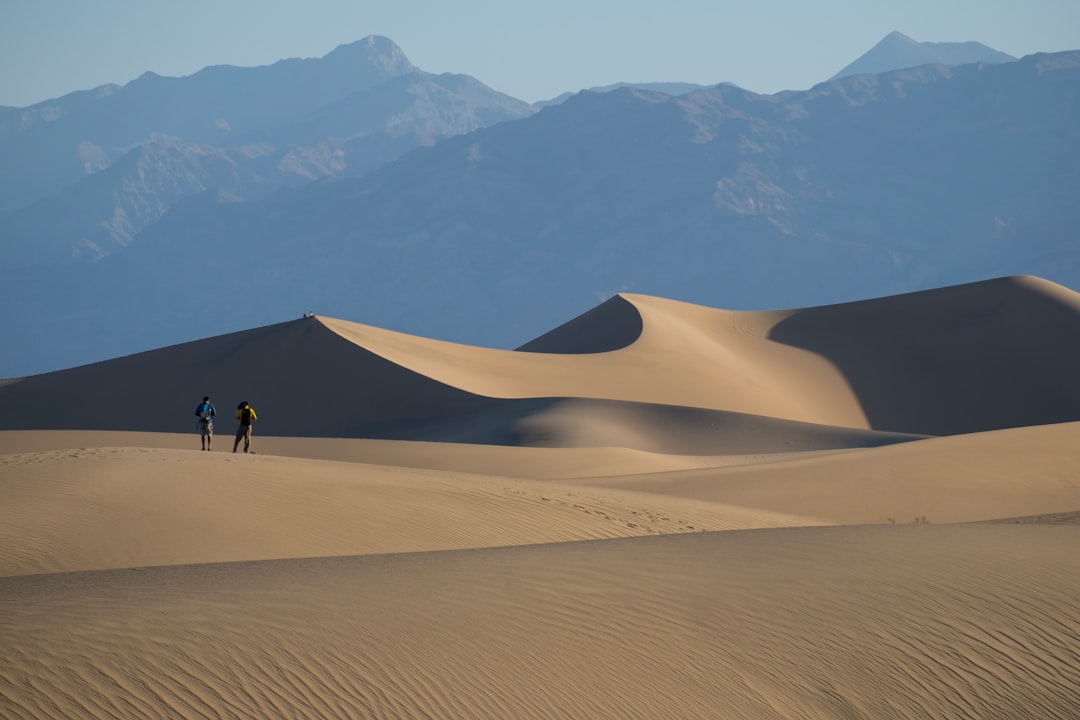
100Death Valley
The hottest place on Earth, and that's not hyperbole. Death Valley holds the world record for highest reliably recorded air temperature: 134°F in 1913. July highs regularly exceed 125°F, and the park averages 165 days per year above dangerous heat thresholds. Badwater Basin sits 282 feet below sea level, where the surrounding mountains trap heat like an oven. Visit in winter when temperatures are merely warm, or embrace the extreme: rangers lead ranger-led programs even in summer for those who want to experience true desert heat.
185 parks scored on 85 criteria
Discover your perfect park
Find a destination that matches how you actually want to travel.
Get Started