- 10.
 93
93Cape Krusenstern
Archaeological beach ridges here document 5,000 years of human adaptation to one of the harshest climates in North America. January temperatures drop to -17°F, with 225 freezing days per year. The Chukchi Sea coast stays frozen most of the year, and summer highs barely reach the upper 50s. Inupiat communities have hunted marine mammals here for millennia, developing technologies and traditions shaped entirely by cold. The monument has no facilities and requires bush plane access.
Explore:Park Profile - 9.
 93
93Highlight’s Favorite: Devils Tower
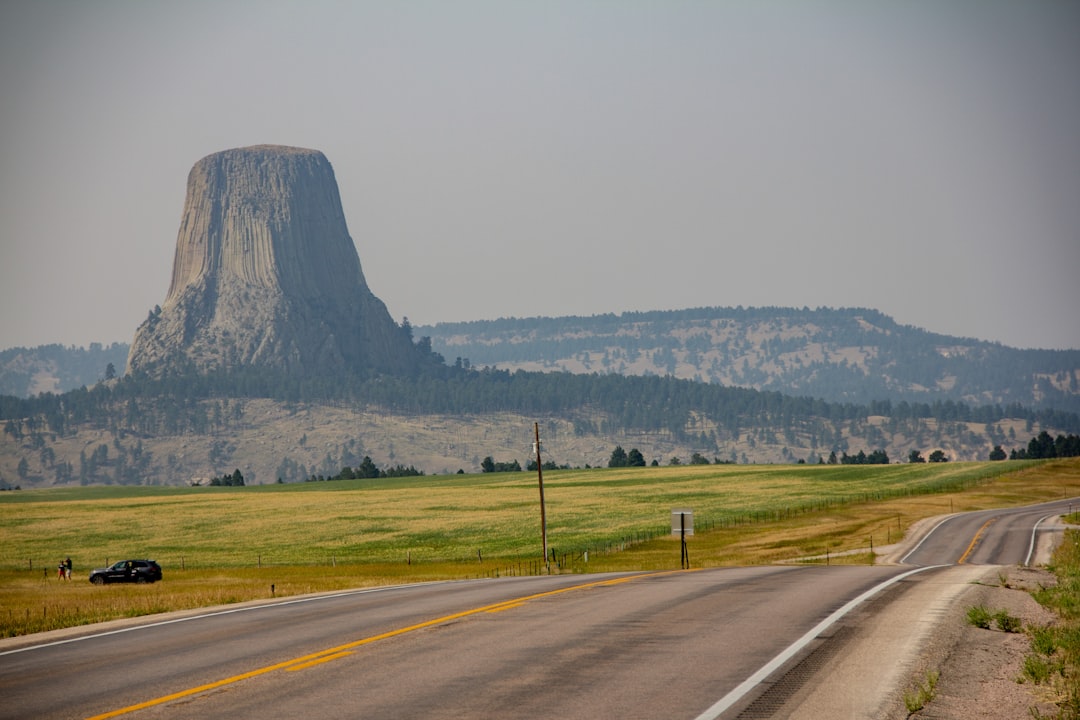
Devils Tower scores tenth on this list, and it’s our favorite cold-weather entry.
Every other park in the top ten is in Alaska. Gates of the Arctic, Kobuk Valley, Yukon-Charley, Noatak, Wrangell-St. Elias, Bering Land Bridge, Denali, Cape Krusenstern. Then there’s Devils Tower, sitting in the Wyoming Black Hills with January temperatures that drop to -24°F and 183 freezing days per year.
The 867-foot tower of igneous rock is one of the most recognizable landmarks in America, and winter strips away everything but the tower and the cold. Snow blankets the surrounding ponderosa pine forest. The 1.3-mile trail around the base is walkable but quiet. Summer brings climbers and crowds; winter brings solitude beneath a formation that has drawn people for thousands of years. Alaska dominates this list through geography. Devils Tower earned its spot by being the cold you don’t expect in the lower 48.
Explore:Park Profile - 8.
 95
95Denali
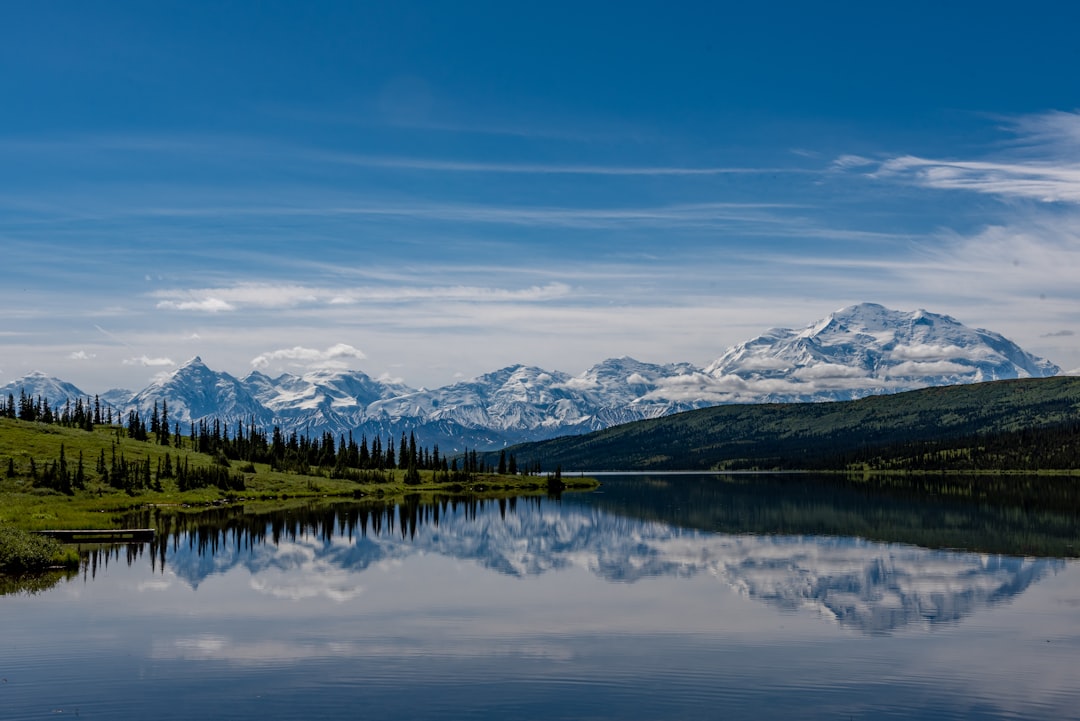
North America's highest peak creates its own weather, and much of it involves cold. January temperatures at park headquarters drop to -20°F, while the summit sees conditions that would rival Antarctica. The park averages 220 freezing days per year. The single road closes to vehicles after mile 15 once snow falls. Summer's brief window brings round-the-clock daylight and temperatures in the 50s and 60s. The mountain itself generates storms that test even experienced climbers.
- 7.
 96
96John D. Rockefeller Jr.
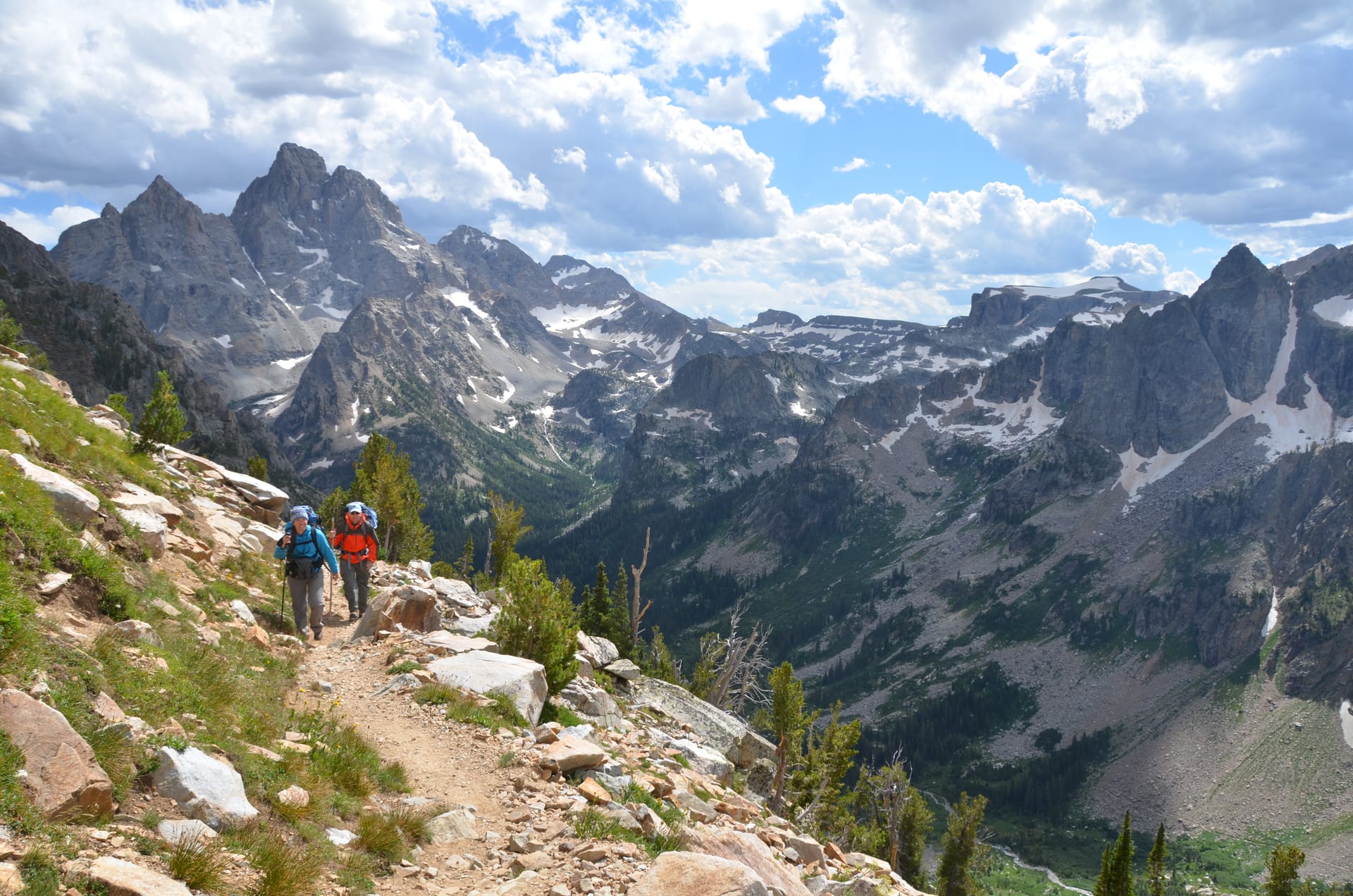
The 24,000-acre corridor connecting Yellowstone and Grand Teton sits at 7,000 feet elevation in the northern Rockies. January temperatures drop to -24°F, with 209 freezing days per year. Heavy snowpack buries the area from November through May. In summer, the parkway serves as a scenic drive between the two famous parks. In winter, it becomes a gateway for snowmobile and cross-country ski access to Yellowstone's thermal features, when the cold keeps most visitors away.
- 6.
 96
96Bering Land Bridge
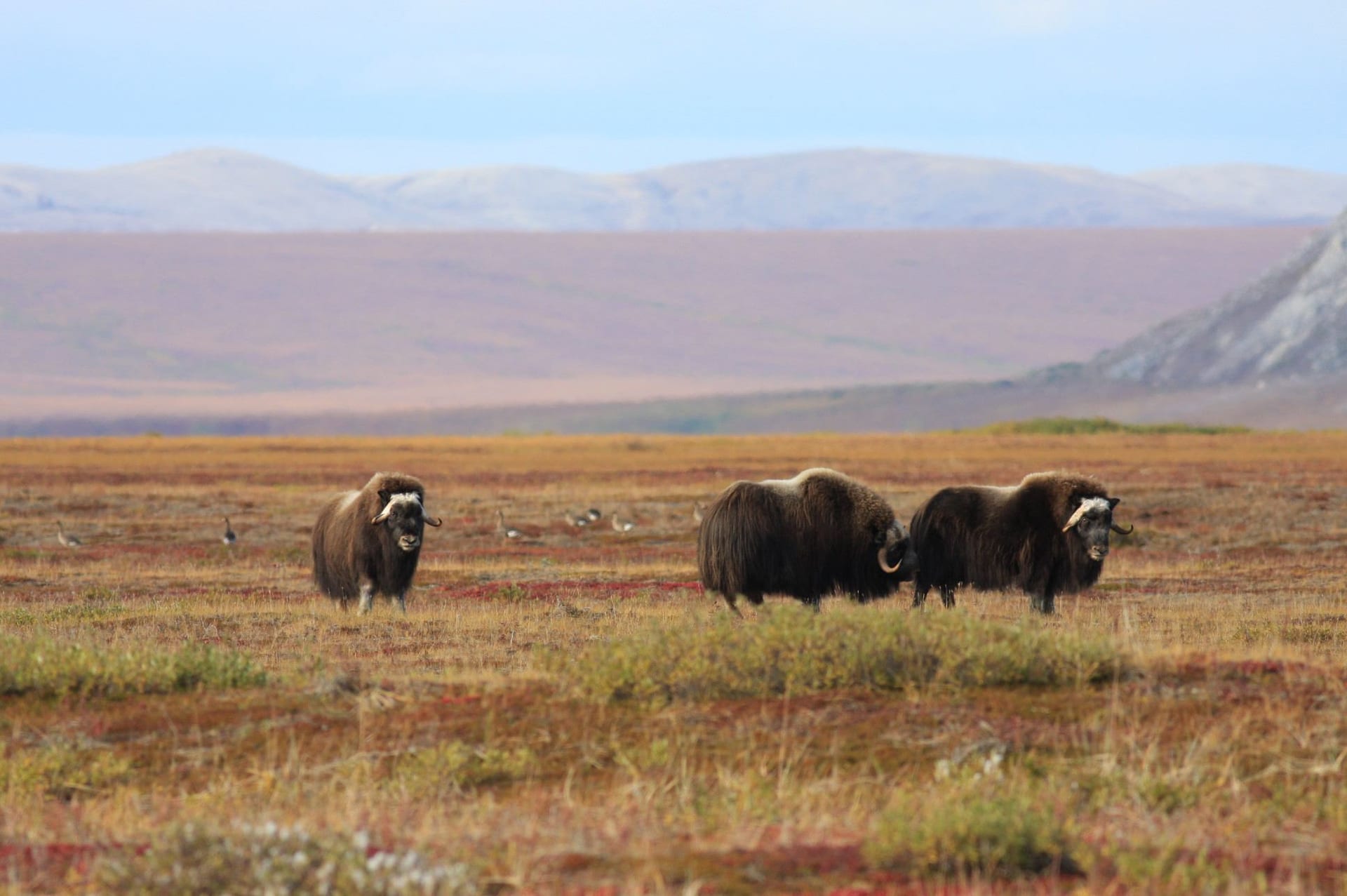
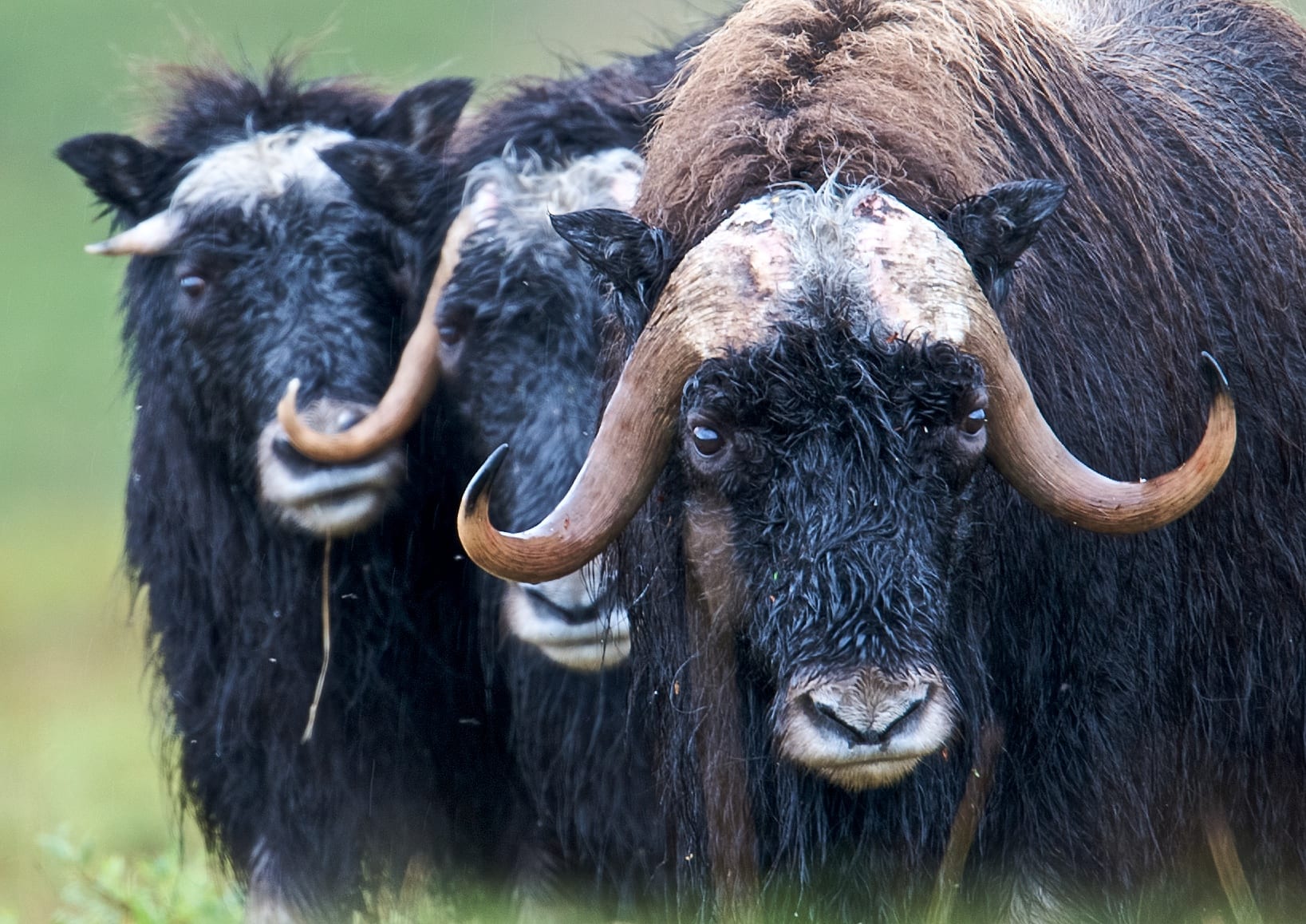
Protecting the remnants of the land bridge that once connected Asia and North America, this preserve sits at the edge of the continent where Siberia is visible on clear days. January temperatures drop to -20°F, with 230 freezing days per year. Even summer highs barely reach 60°F, and the preserve sees almost no visitors. Archaeological sites here document 12,000 years of human habitation. Today, Inupiat communities maintain traditional land uses in one of the most remote and cold corners of America.
Explore:Park Profile - 5.
 97
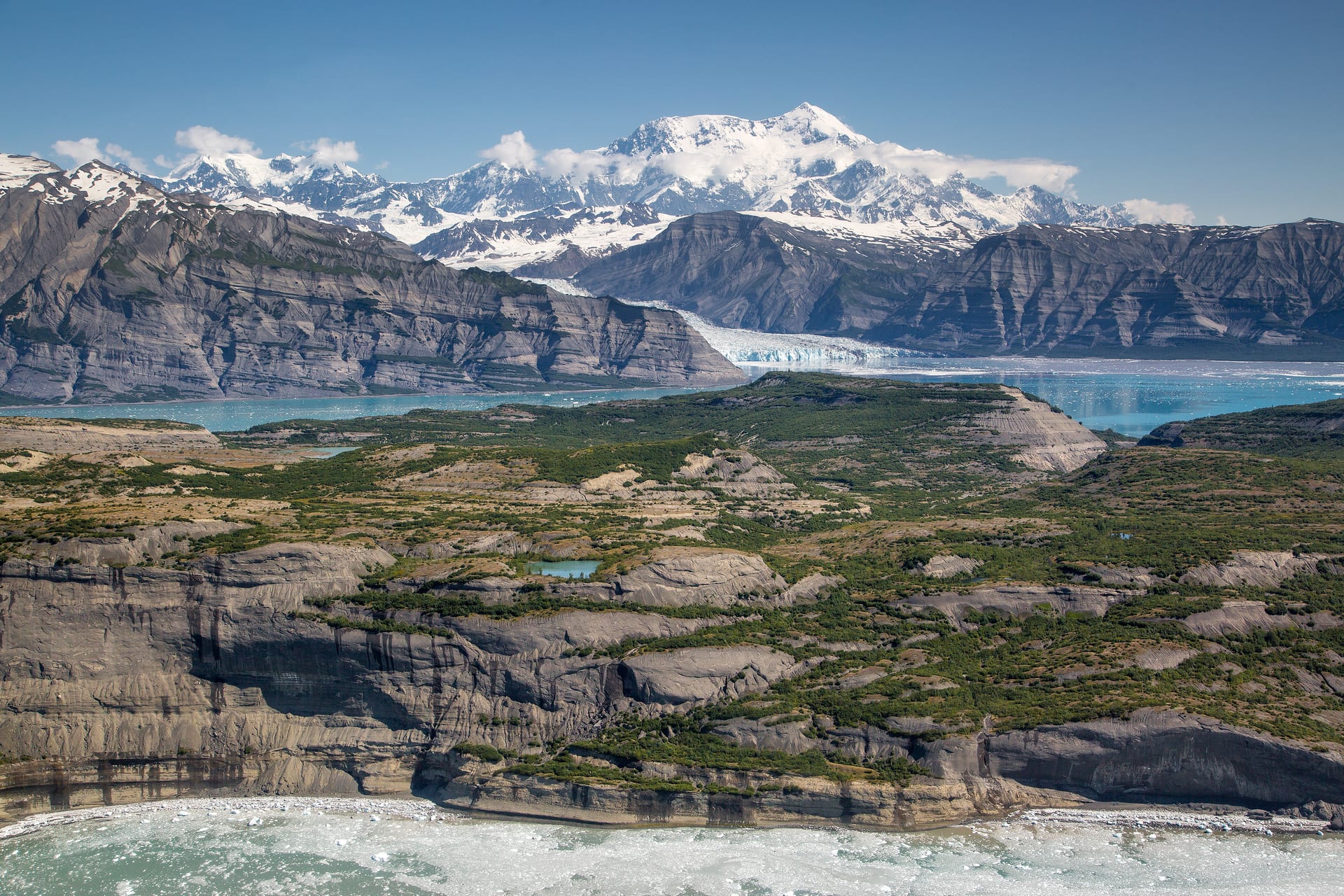
97Wrangell-St. Elias
America's largest national park contains more ice than any other protected area in the country. Nine of the sixteen highest peaks in the United States stand here, permanently capped with glaciers. January temperatures drop to -25°F in the interior valleys, with 230 freezing days per year. The park contains more glacial ice than all of Switzerland. McCarthy and Kennecott offer summer access to this frozen world; winter belongs to the ice.
Explore:Park Profile - 4.
 98
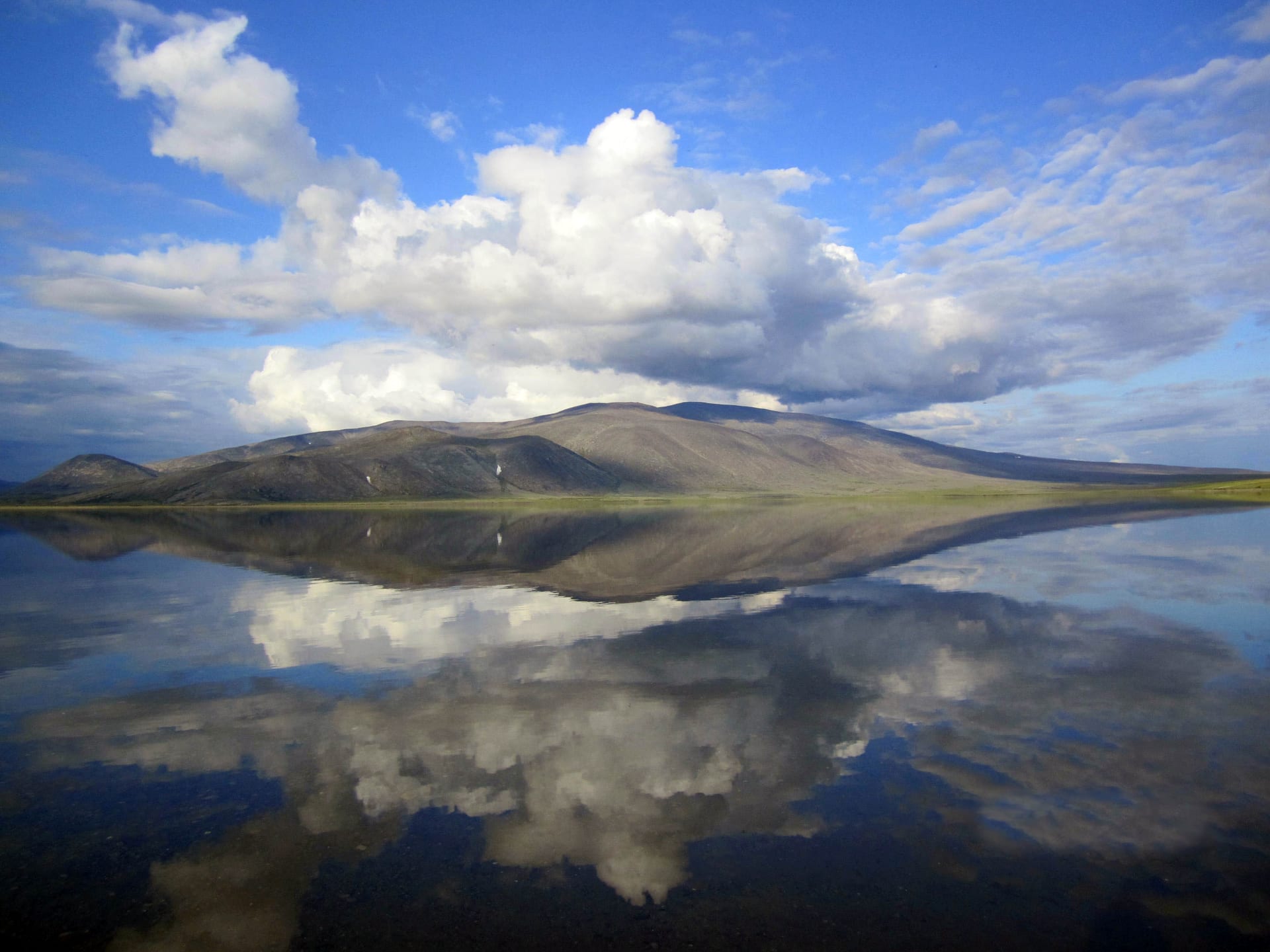
98Noatak
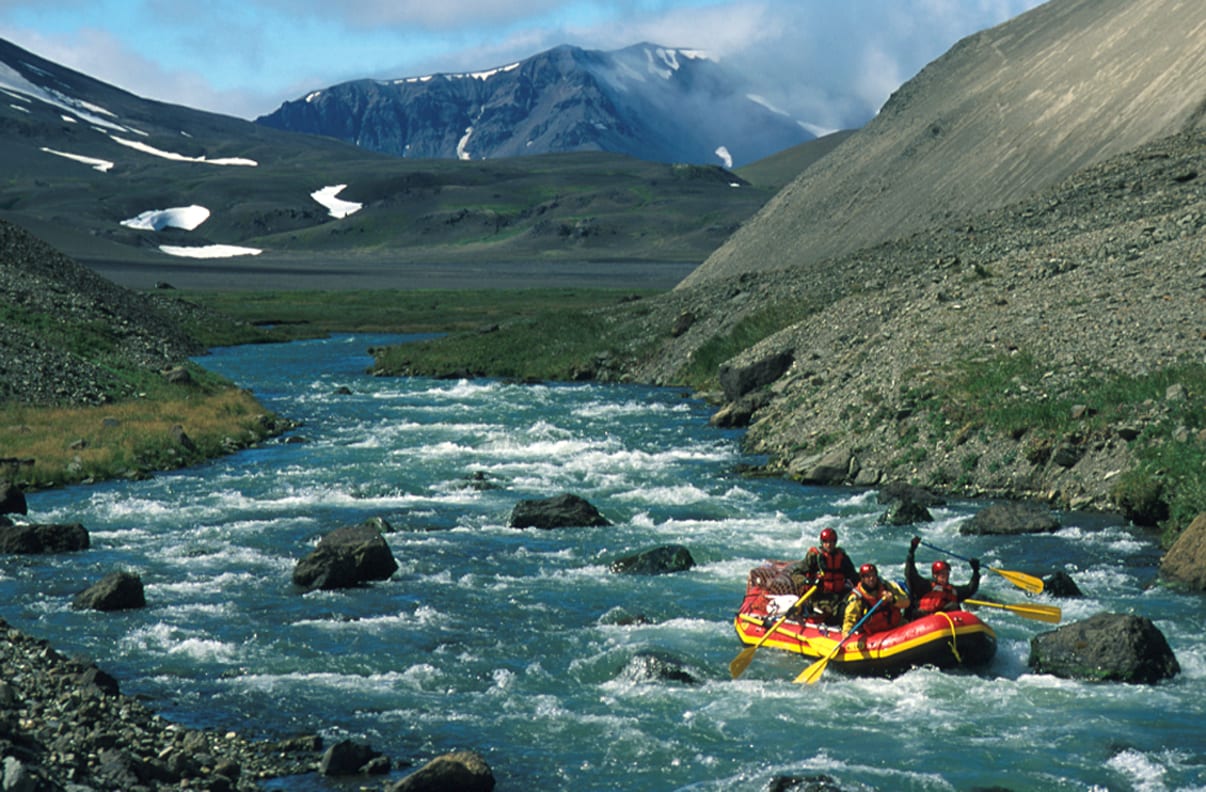
The largest wilderness area in the park system, protecting the entire Noatak River watershed above the Arctic Circle. Winter highs average -7°F, and January minimums drop to -30°F. The preserve sees 240 freezing days per year. Caribou from the Western Arctic herd migrate through each year; wolves, grizzlies, and muskoxen follow the seasonal rhythms. Human visitors mostly come for summer float trips, when 24-hour daylight allows continuous travel in temperatures that barely crack 60°F.
Explore:Park Profile - 3.
 99
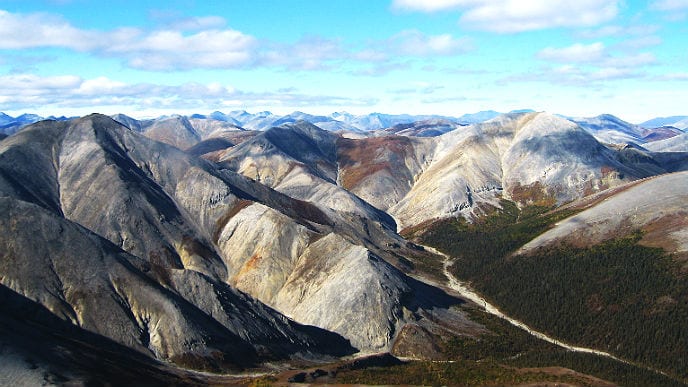
99Kobuk Valley
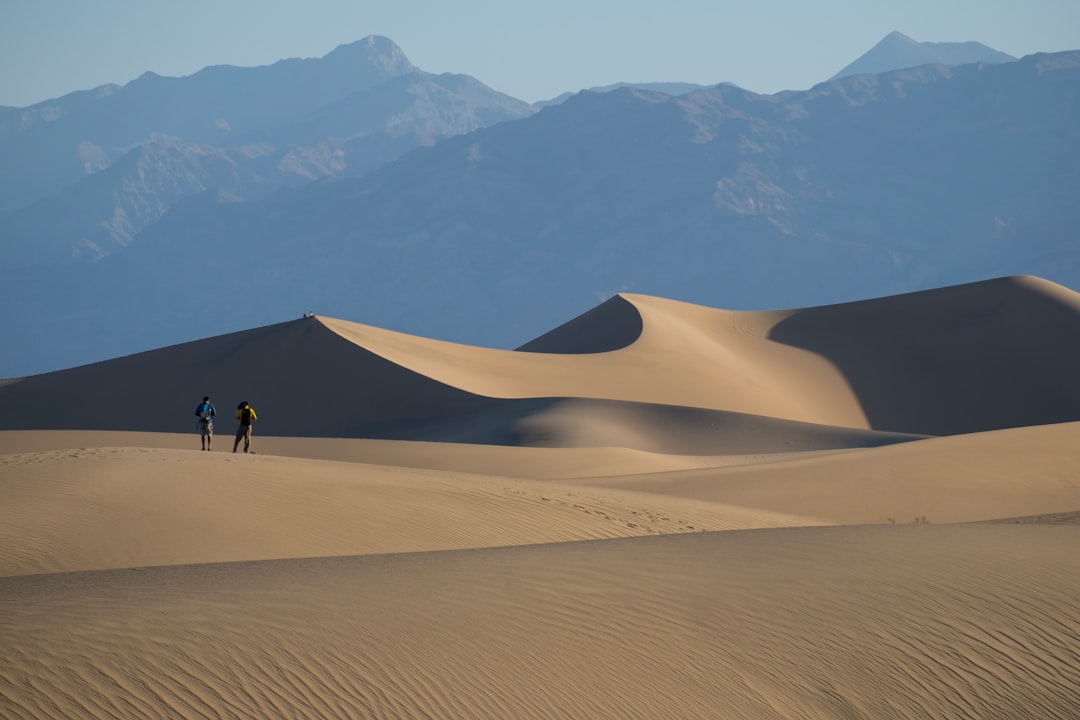
The Great Kobuk Sand Dunes sit incongruously in arctic Alaska, 25 square miles of sand surrounded by boreal forest and permafrost. January temperatures plunge to -30°F, with 235 freezing days per year. The park is accessible only by air, and winter visits require serious cold-weather expertise. Summer brings caribou migrations and mosquitoes in equal measure. The dunes themselves are remnants of a glacial past, now locked in a landscape that stays frozen most of the year.
Explore:Park Profile - 2.
 99
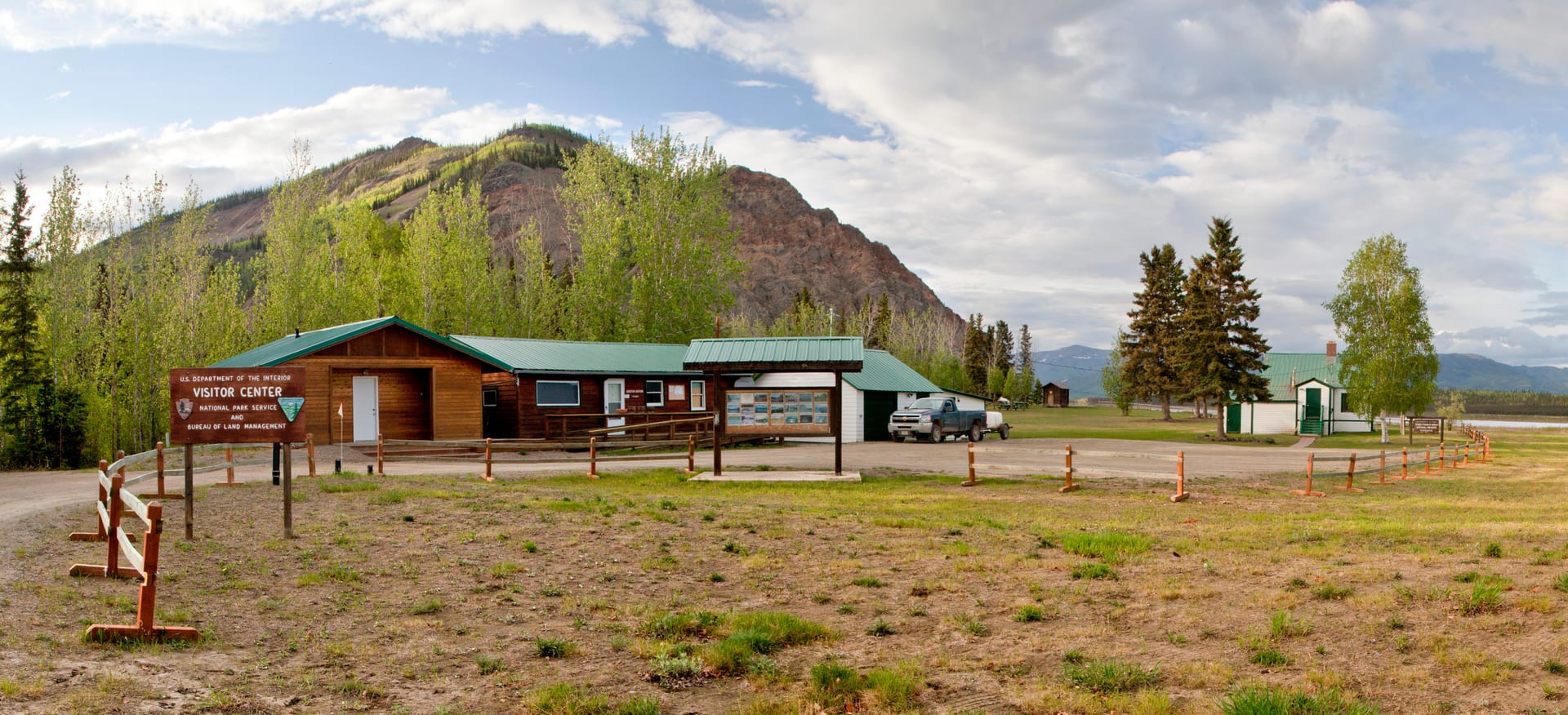
99Yukon-Charley Rivers
One of the most remote preserves in the system, protecting 115 miles of the Yukon River and all of the Charley River. January temperatures drop to -35°F, with 240 freezing days per year. Gold rush stampeders once traveled this corridor en route to the Klondike; today, canoeists float the same waters in a brief summer window. Winter transforms the rivers into highways for dogsled travel, when temperatures regularly stay 40 below for weeks.
Explore:Park Profile - 1.
 100
100Gates of the Arctic
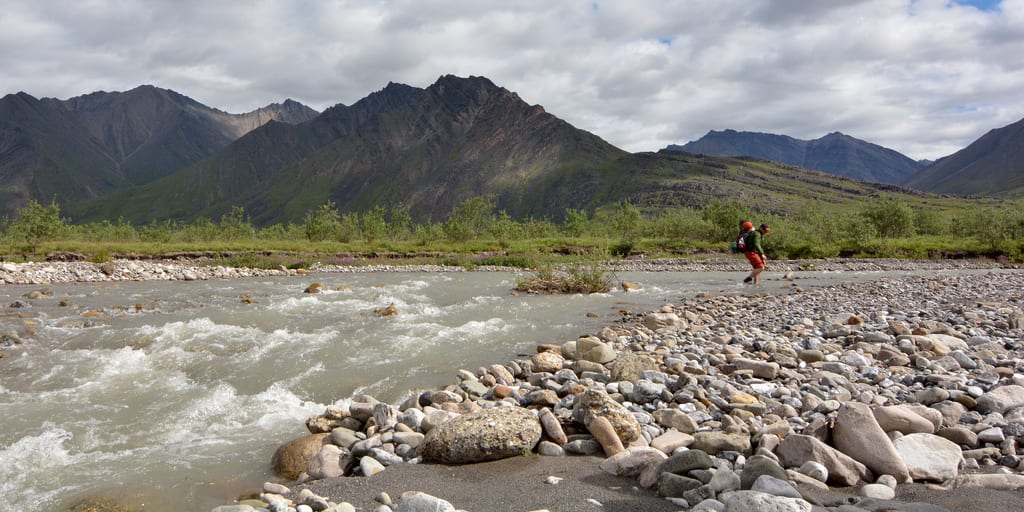
The coldest park in the system, and it's not close. Gates of the Arctic sits entirely above the Arctic Circle, where January temperatures drop to -40°F and the park averages 250 freezing days per year. Winter highs stay below zero for months. Even summer offers only brief respite: July highs reach 70°F, but nights stay cold. There are no roads, no trails, no facilities. Visitors fly in by bush plane and carry everything they need. This is wilderness in the purest sense, shaped by cold that defines every aspect of survival.
Explore:Park Profile
185 parks scored on 85 criteria
Discover your perfect park
Find a destination that matches how you actually want to travel.
Get Started