- 10.
 94
94Highlight’s Favorite: Apostle Islands
Apostle Islands scores near the top of this list, and it’s our favorite foggy park.
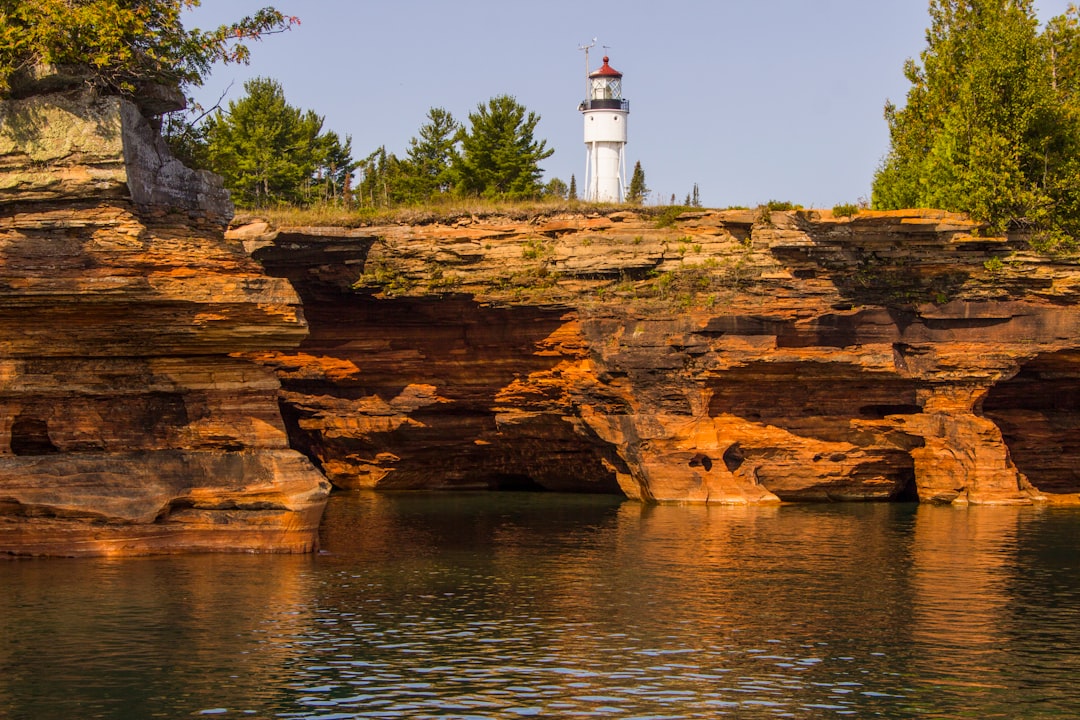
Lake Superior sea caves carved into red sandstone cliffs, visible by kayak or boat tour when the water is calm. In fog, the caves disappear and reappear as you paddle closer, the sandstone arches emerging from mist at close range. Photographers plan trips around these conditions. The fog, mist, and moody skies are the draw, not something to wait out.
The Apostle Islands are 22 islands off the northern tip of Wisconsin, accessible by boat from Bayfield. Ice caves form in winter when the lake freezes enough to walk on. The sea caves are at their most photographed in summer fog. Most parks on this list score high for fog because of coastal exposure or Pacific marine layers. Apostle Islands scores high because Lake Superior generates its own weather, and visitors travel specifically to see it.
Explore:Park Profile - 9.
 95
95Alagnak
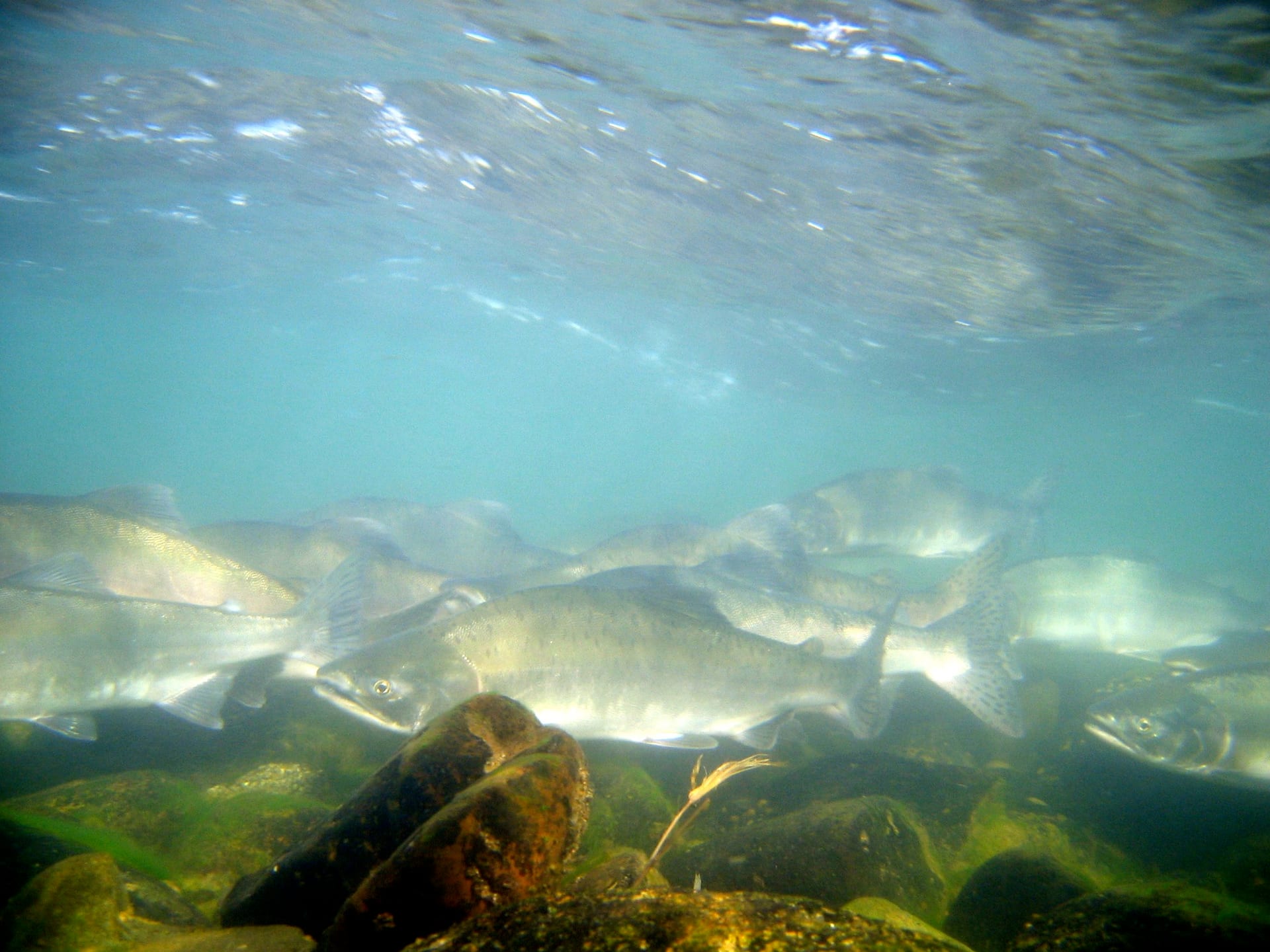
A remote fly-in river system where 49% sunshine means clouds and rain dominate more than half the time. Float trips through this Bristol Bay watershed proceed regardless of weather, and the salmon runs that draw brown bears happen whether the sun shines or not. Expect atmosphere.
Explore:Park Profile - 8.
 95
95Sitka
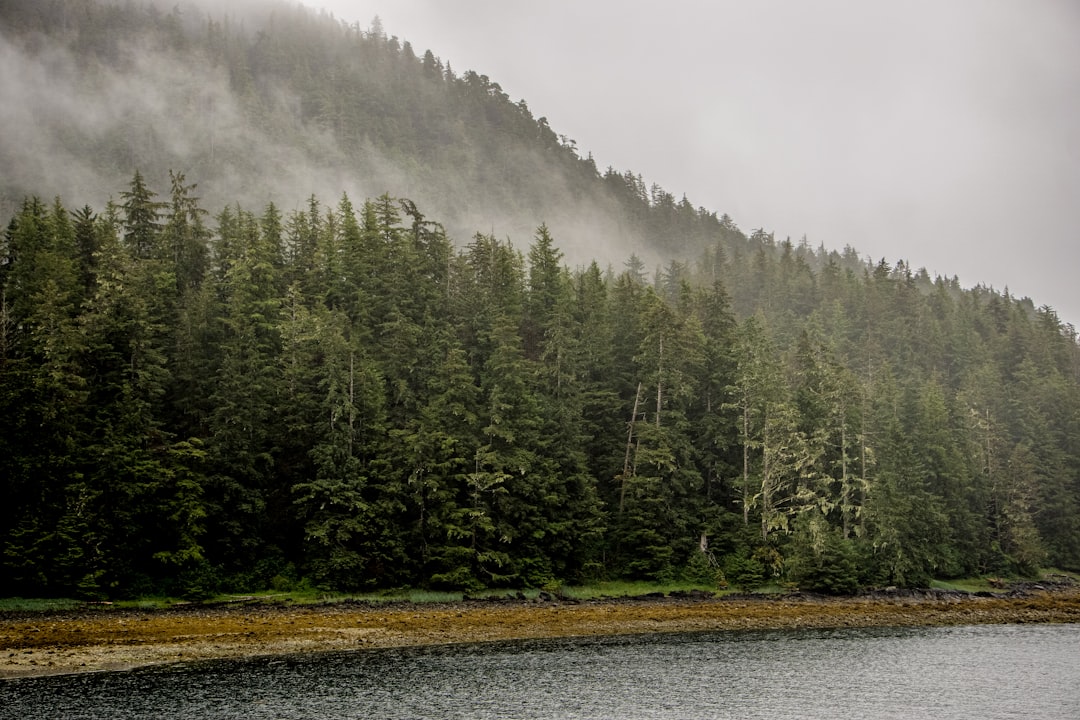
Southeast Alaska's totem poles stand in temperate rainforest that sees just 45% sunshine annually. Mist drips from Sitka spruce; fog rolls through the carved figures of Tlingit and Haida heritage. The park exists because of the wet, cloudy climate that keeps the forest thriving. Clear days are memorable precisely because they're rare.
Explore:Park Profile - 7.
 96
96Isle Royale
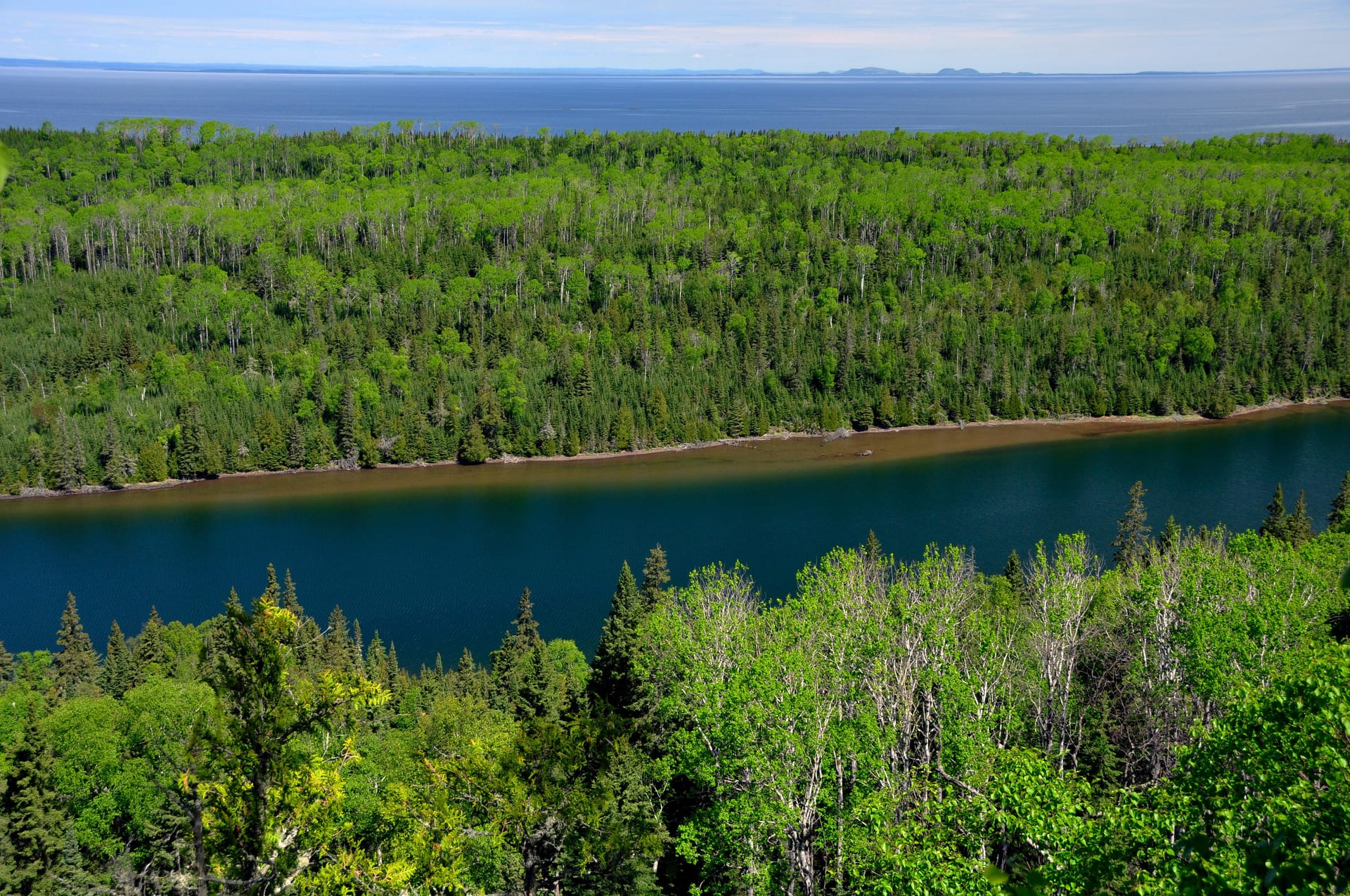
Lake Superior creates its own weather, and much of it involves fog. The island sees just 63% sunshine, with lake effect clouds rolling in regardless of season. Wolves and moose adapted long ago; human visitors learn to embrace the atmospheric conditions that make this isolated wilderness feel truly remote.
Explore:Park Profile - 6.
 96
96Katmai
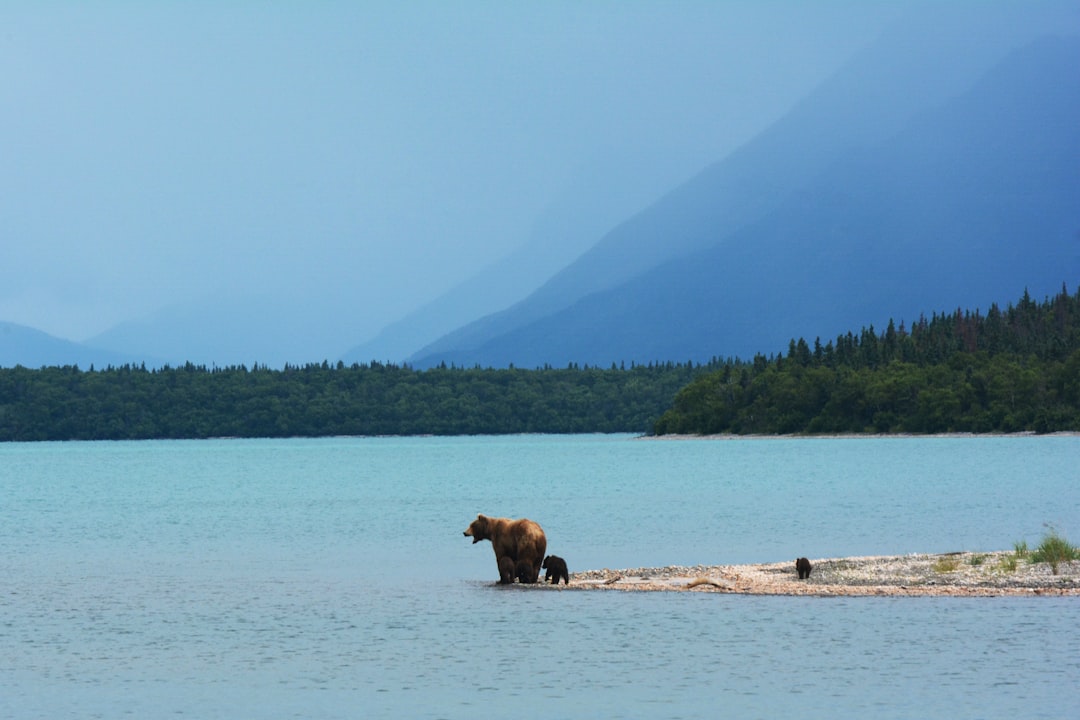
Brown bears fishing at Brooks Falls make for iconic images, but the park's 41% sunshine means many visitors see clouds instead of clear skies. Under 1,900 sun hours per year keep this corner of Alaska perpetually atmospheric. The bears don't care; they fish in rain and fog as readily as sunshine.
Explore:Park Profile - 5.
 97
97Katahdin Woods and Waters
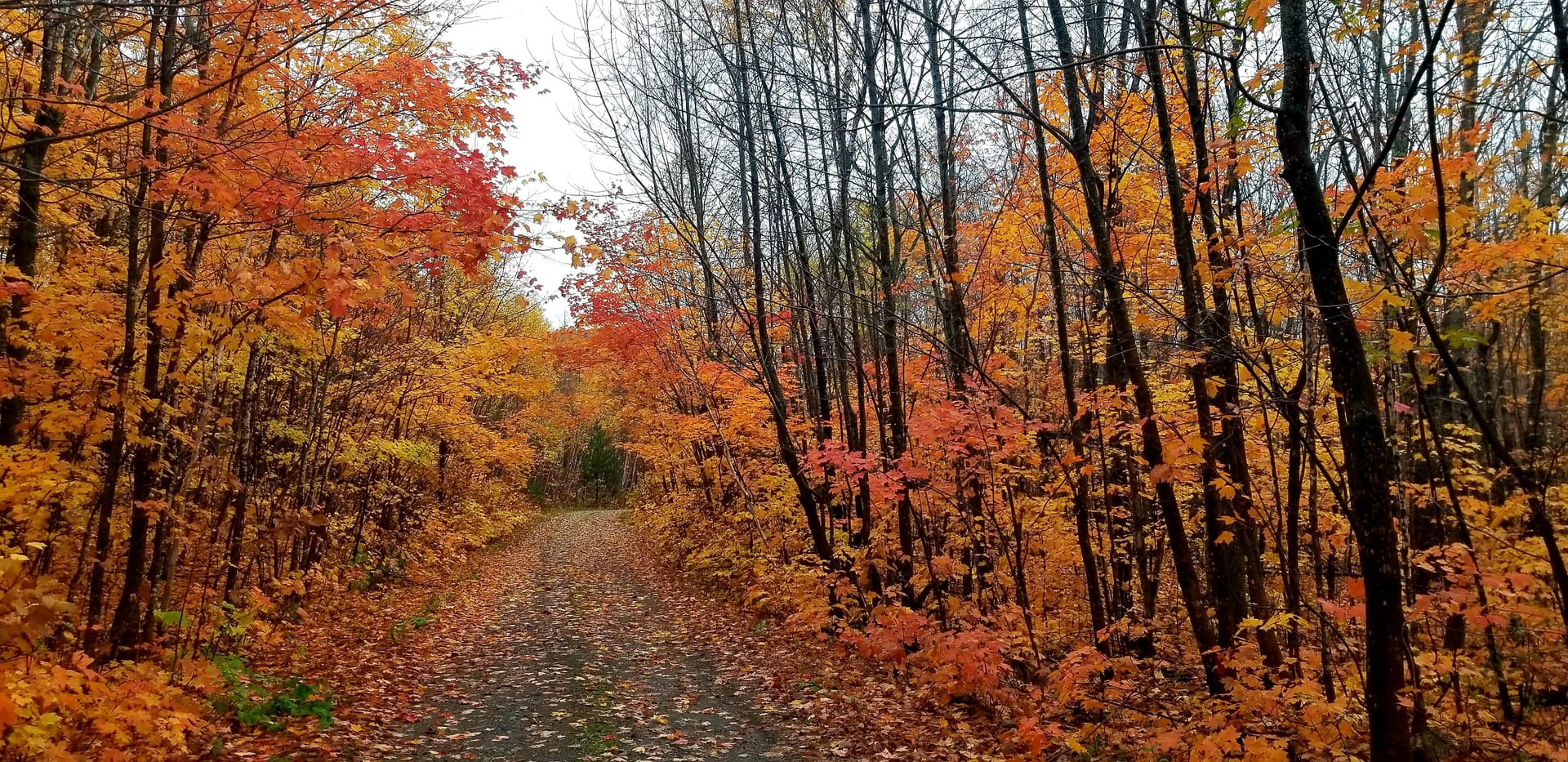
Maine's newest national monument sits in a region where clouds, fog, and rain dominate the weather. Just 62% sunshine might sound adequate, but the atmospheric conditions create the moody boreal landscape that defines the park. Mount Katahdin emerges from mist on the horizon, often obscured by the same conditions that keep this corner of New England lush.
Explore:Park Profile - 4.
 97
97Cape Krusenstern
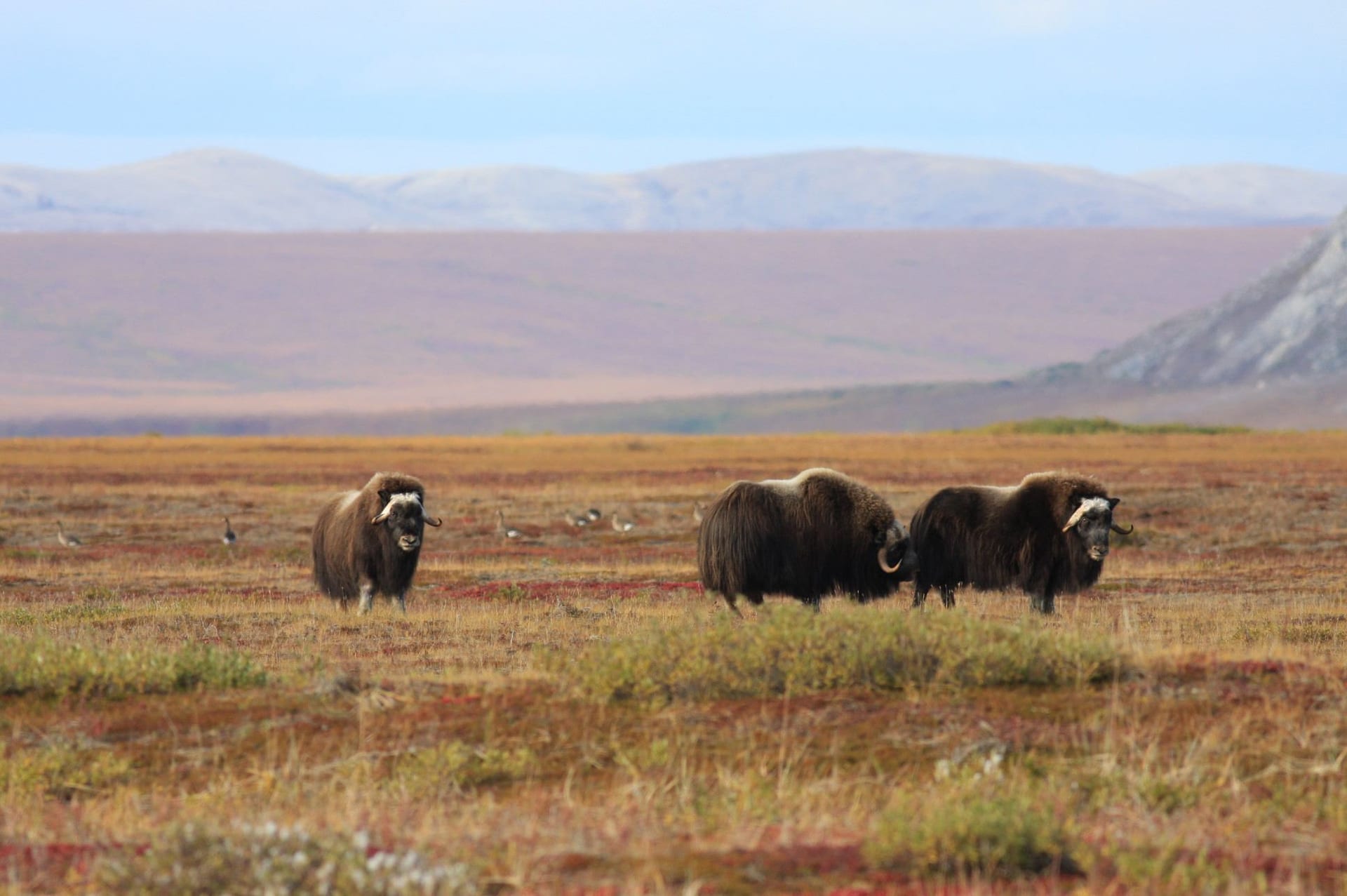
Arctic Alaska where the Chukchi Sea keeps skies overcast for half the year. Just 50% sunshine and 2,300 annual sun hours illuminate archaeological beach ridges that document 5,000 years of human adaptation to this cloudy, cold coast. The midnight sun helps in summer; winter is dark as well as overcast.
Explore:Park Profile - 3.
 98
98Kenai Fjords
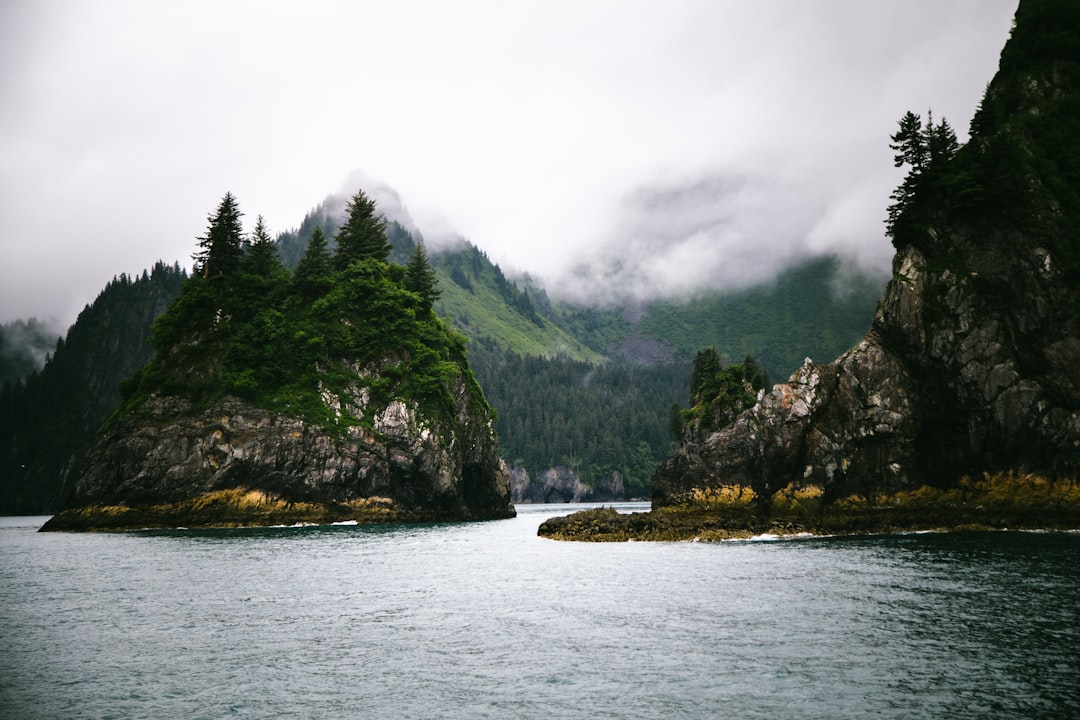
Tidewater glaciers calve into fjords beneath skies that clear only 46% of the time. The park averages just over 2,000 sunshine hours per year, with fog filling the coastal valleys and clouds obscuring the Harding Icefield. Weather changes by the hour; boat tours proceed regardless, and seeing the glaciers through mist is part of the experience.
Explore:Park Profile - 2.
 98
98Bering Land Bridge
Where North America nearly touches Asia, clouds and fog roll in from both the Pacific and Arctic. Just 45% annual sunshine and about 2,100 sun hours per year make this one of the gloomiest landscapes in the park system. The remnant land bridge sits in a zone where weather systems collide and clear skies are the exception.
Explore:Park Profile - 1.
 100
100Aniakchak
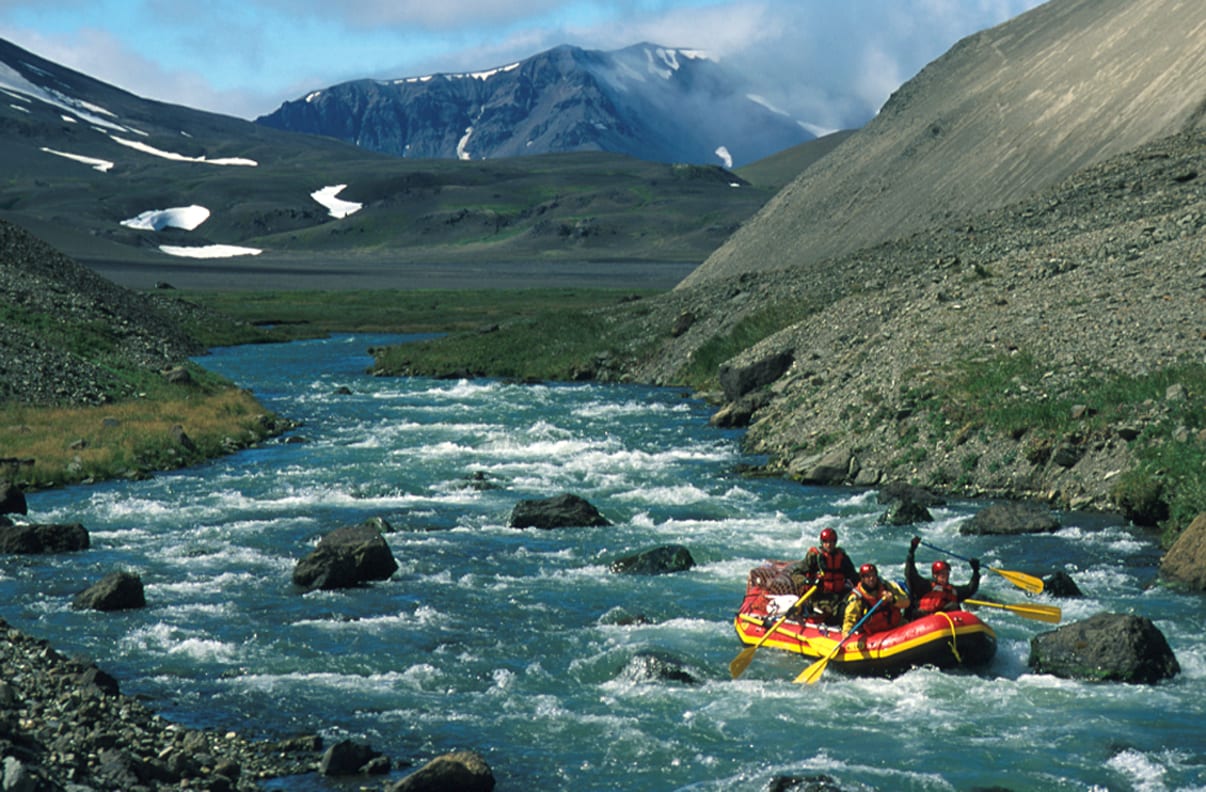
The foggiest park in the system at just 40% annual sunshine, under 1,800 sun hours per year. Clouds fill the volcanic caldera more often than not, and the Alaska Peninsula's location between Pacific and Bering Sea weather systems keeps conditions perpetually unsettled. Fewer than 200 people visit annually, partly because the weather almost never cooperates.
Explore:Park Profile
185 parks scored on 85 criteria
Discover your perfect park
Find a destination that matches how you actually want to travel.
Get Started