- 10.
 92
92Highlight’s Favorite: Castle Mountains
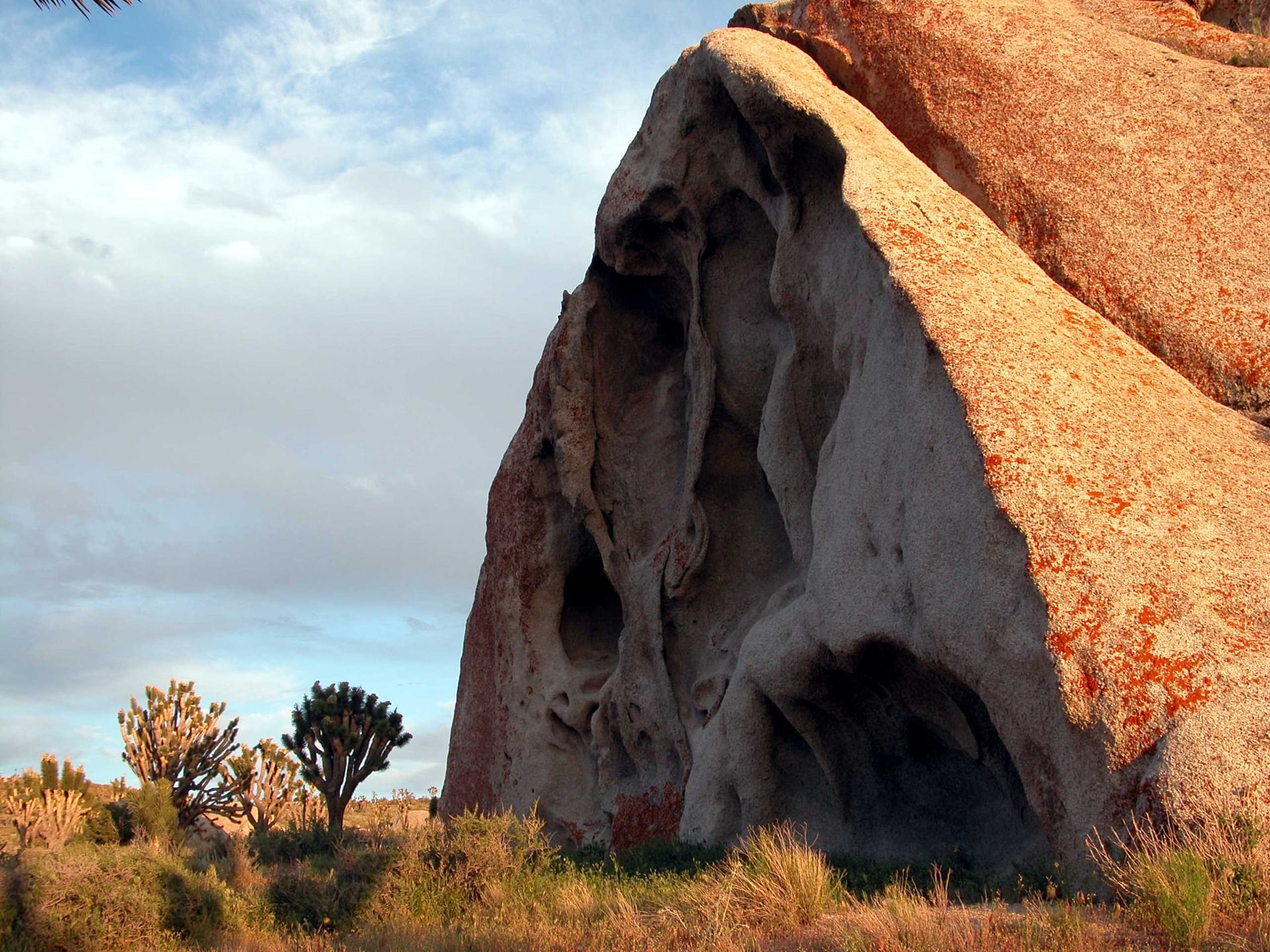
Castle Mountains scores near the top of this list, and it’s our favorite sunny park.
A remote Mojave monument with 88% annual sunshine, dense Joshua tree forests, and the ruins of a gold mining operation that pulled ore from these hills for over a century. The Hart Mine district operated until the 1990s. The monument was designated in 2016, and almost nobody visits.
Castle Mountains sits at the edge of the Mojave where California meets Nevada, high desert grassland too remote for casual tourists and too recently designated for anyone to have it on their list yet. The sunshine is relentless, the stargazing after dark is exceptional, and the Joshua tree forest here is among the densest in existence. Most parks on the sunniest list are places people already know: Death Valley, Joshua Tree, the Sonoran monuments. Castle Mountains is the one the sun hasn’t put on the map yet.
Explore:Park Profile - 9.
 92
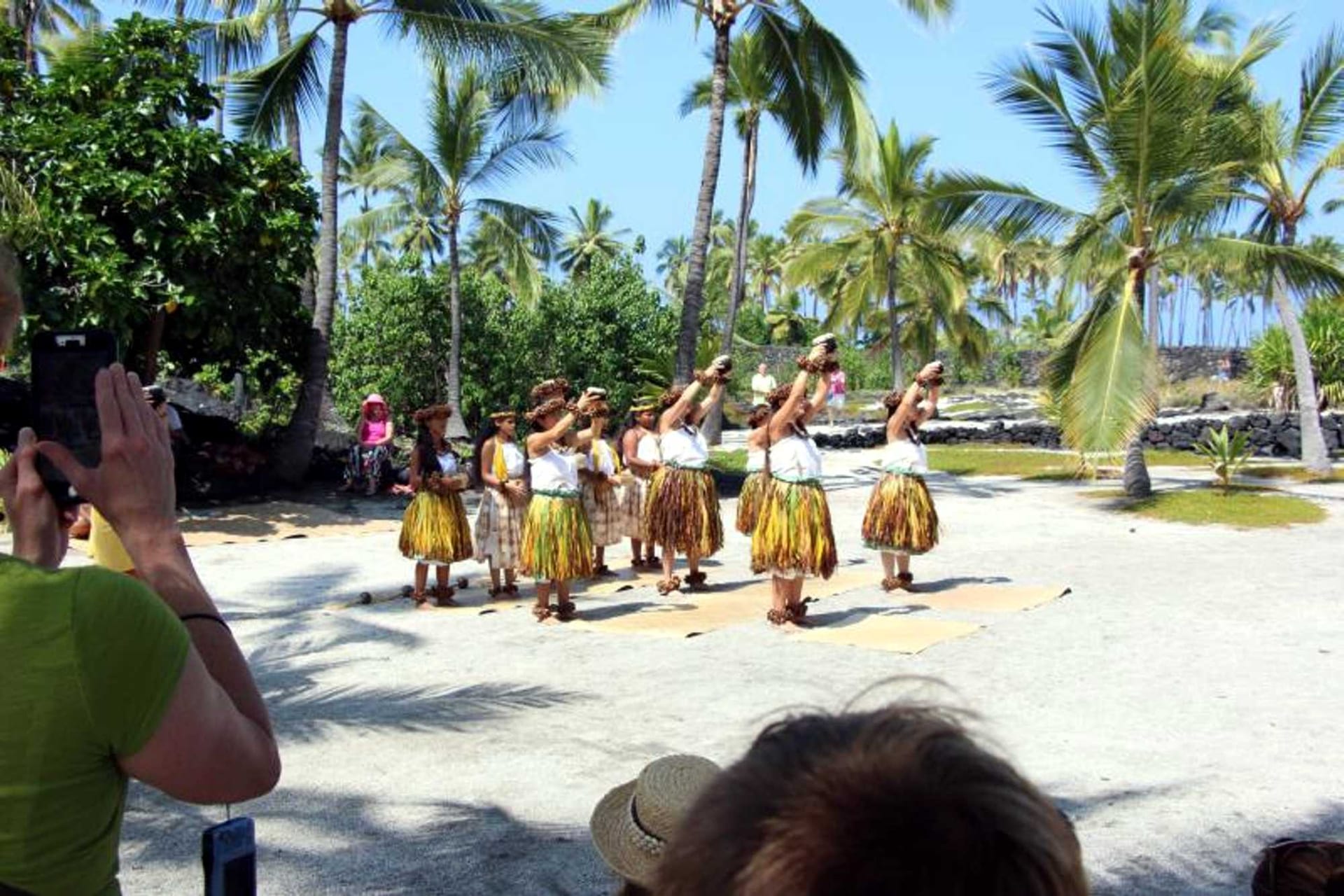
92Pu'uhonua O Honaunau
The Kona Coast's dry side delivers 86% sunshine to this sacred Hawaiian refuge. Ancient Hawaiians chose well: the consistent sun and lack of rain create conditions where history endures. Royal grounds and carved ki'i images bask in nearly 3,830 annual sun hours, sheltered from the trade wind rains by the bulk of Mauna Loa.
Explore:Park Profile - 8.
 93
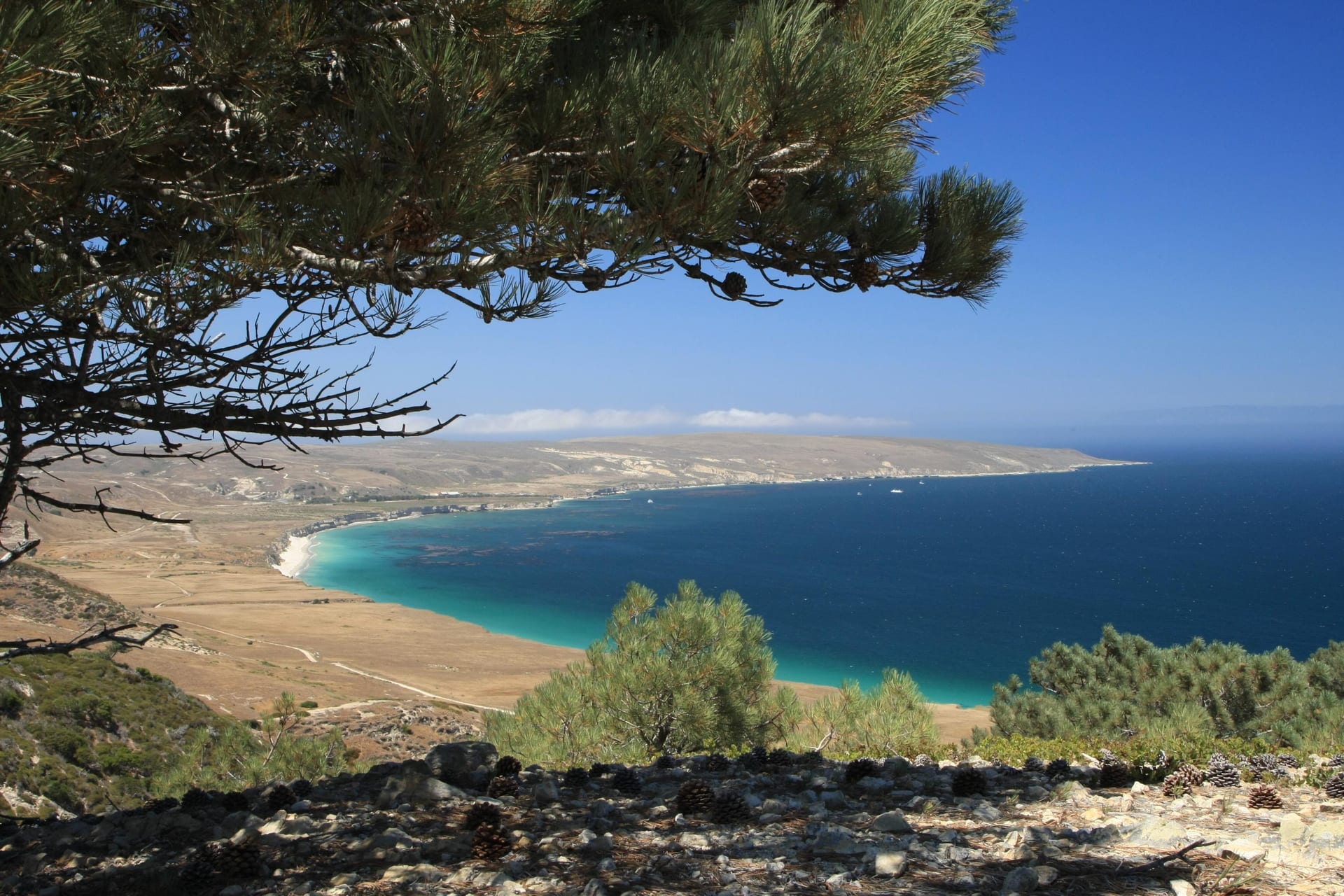
93Channel Islands
California's Mediterranean climate delivers 86% sunshine and over 3,820 annual sun hours. The Pacific keeps temperatures mild while the lack of clouds ensures clear conditions for wildlife watching. Marine mammals, seabirds, and endemic plants thrive under the consistent coastal sun that draws visitors from foggy mainland shores.
Explore:Park Profile - 7.
 96
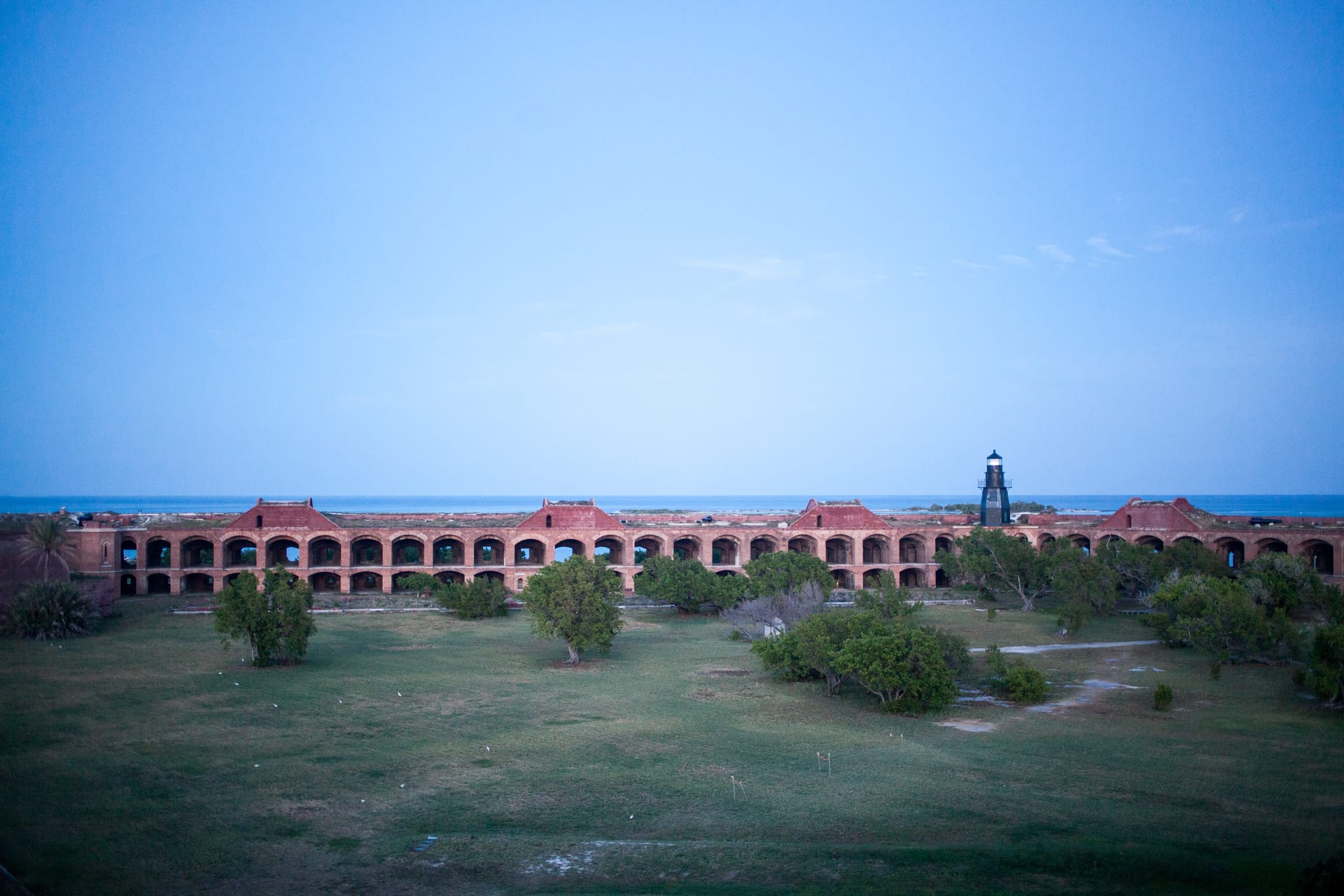
96Dry Tortugas
Seventy miles from Key West, Fort Jefferson bakes under 86% annual sunshine. Nearly 3,820 sun hours per year illuminate the massive hexagonal fortress and the crystal waters surrounding it. The remote location means no shade except what the fort itself provides; the reward is some of the clearest skies in Florida.
Explore:Park Profile - 6.
 96
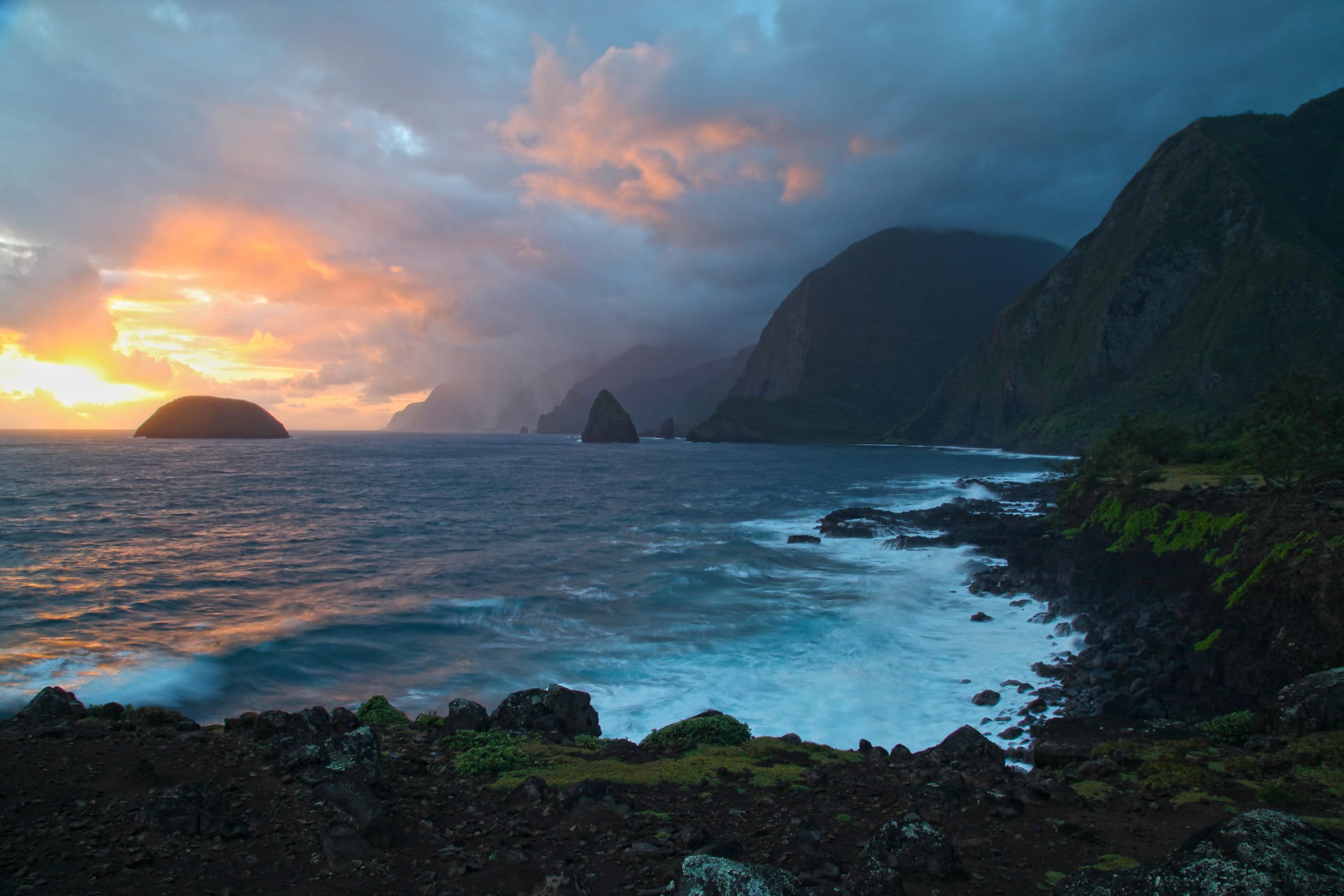
96Kalaupapa
Molokai's remote peninsula sees 89% sunshine annually, more than almost anywhere in the park system. The former leprosy settlement sits in a rain shadow below sea cliffs that catch the trade winds. While the rest of Hawaii's windward coasts get drenched, Kalaupapa stays dry and sunny under nearly 3,960 sun hours per year.
Explore:Park Profile - 5.
 98
98Buck Island Reef
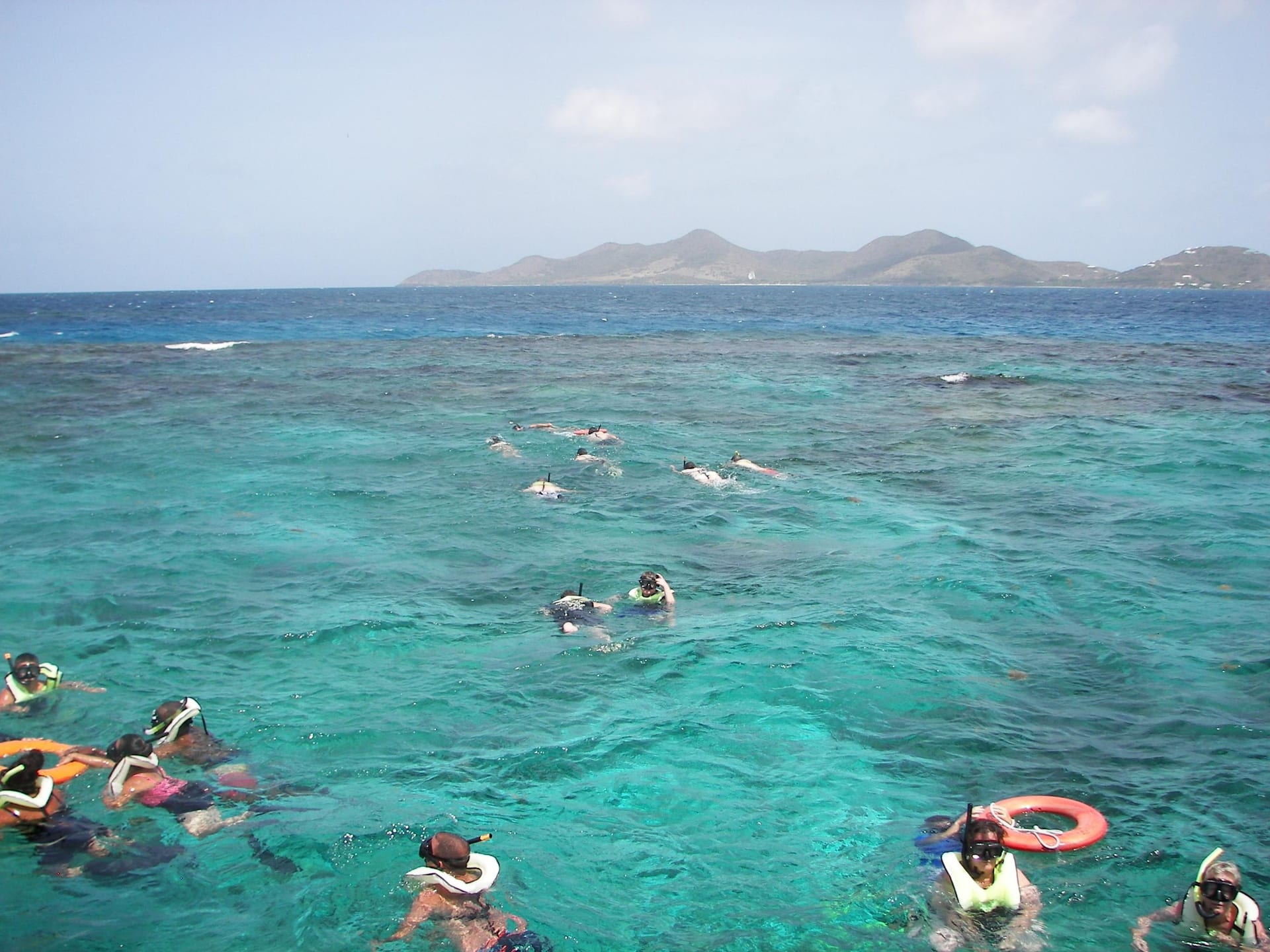
The underwater trail through elkhorn coral formations gets nearly 3,935 hours of sunlight per year, among the highest in the park system. At 89% annual sunshine, clouds rarely interfere with a day on the water. The uninhabited island sits in one of the most reliably sunny corners of the Caribbean.
Explore:Park Profile - 4.
 99
99Virgin Islands Coral Reef
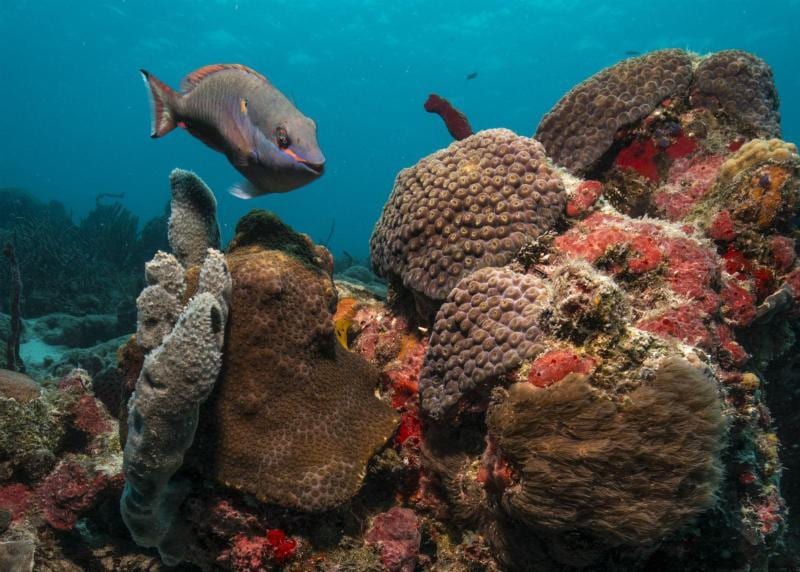
Underwater visibility depends on surface conditions, and 89% sunshine means exceptional clarity year-round. The coral formations and marine life benefit from consistent light penetration, and snorkelers benefit from warm, clear days. Nearly 3,925 sunshine hours per year make any dive date a good one.
Explore:Park Profile - 3.
 99
99Haleakala
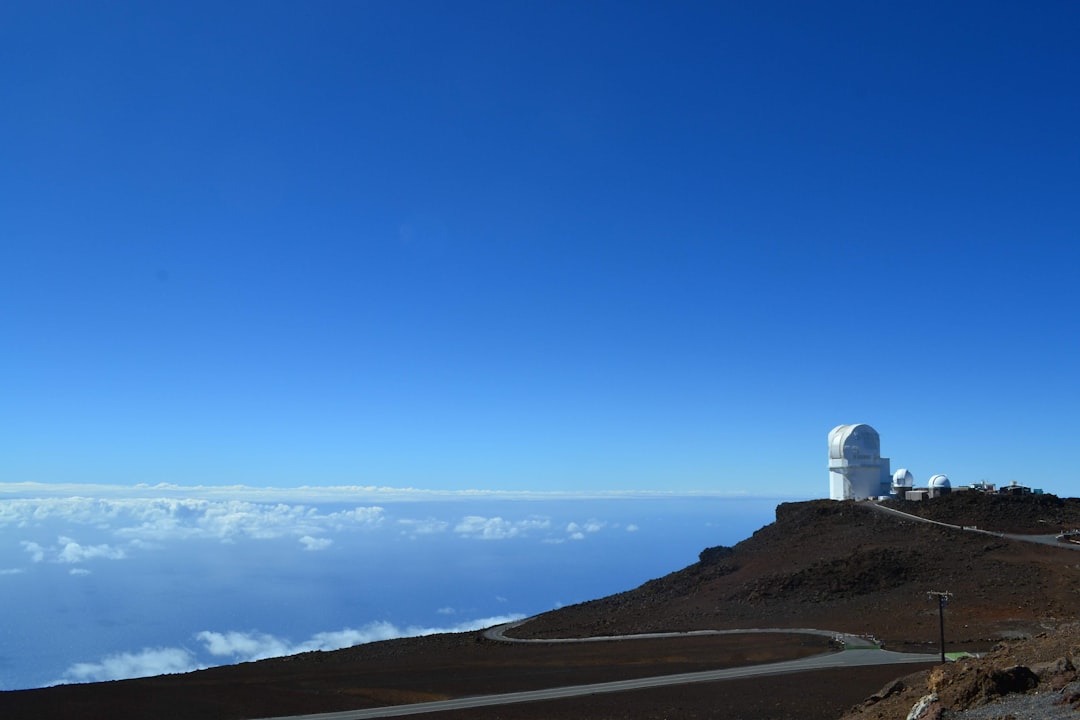
Above the clouds on Maui's massive volcano, the summit averages 88% sunshine and nearly 3,900 annual sun hours. Trade wind inversions keep the clouds below the crater rim, creating a landscape of stark volcanic terrain under intense high-altitude sun. The coastal Kipahulu section sees more clouds and rain; the summit is another world entirely.
- 2.
 100
100Salt River Bay
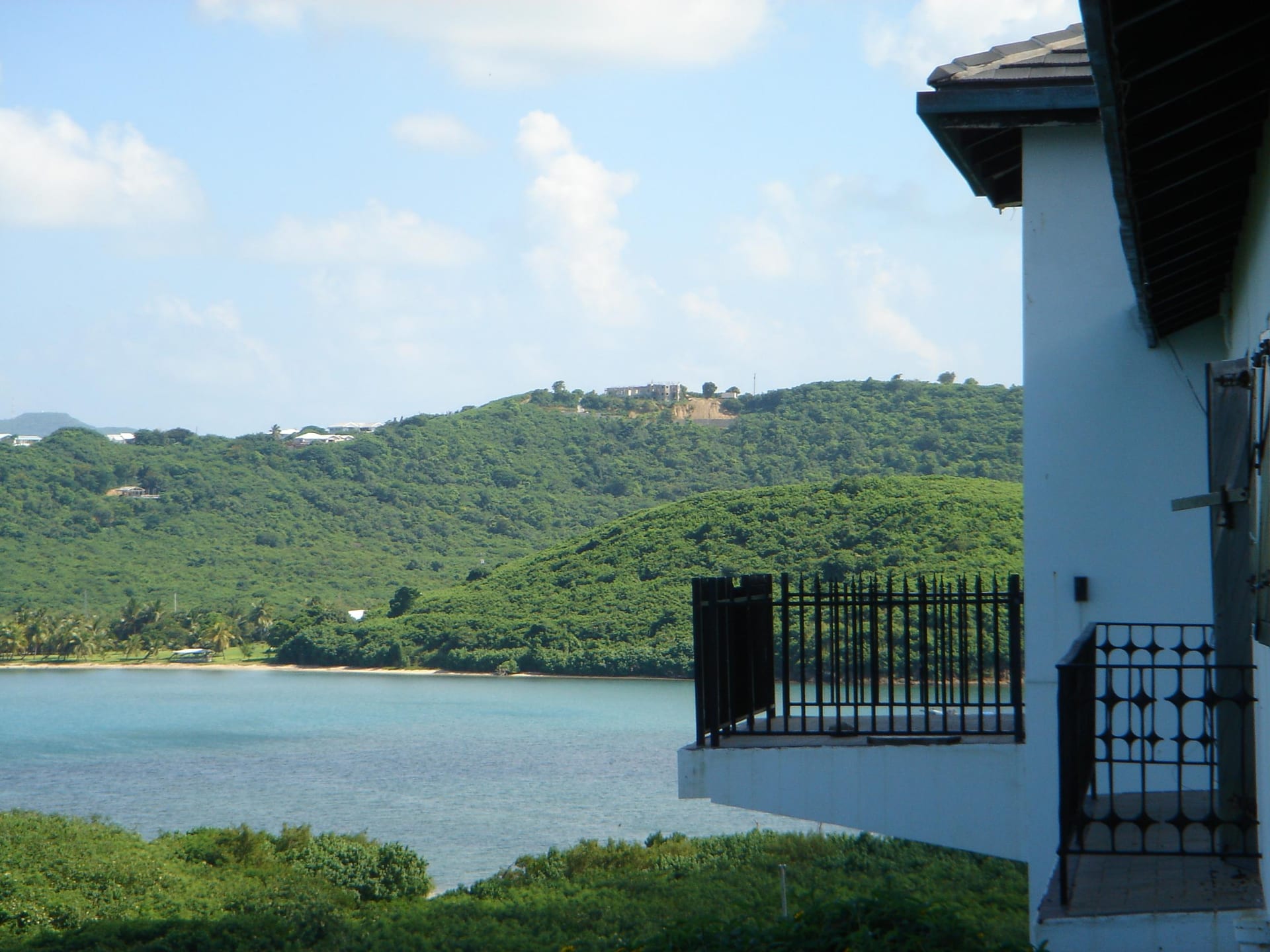
St. Croix matches the sunshine of St. John at 89% annually. The mangrove forests and coral reefs see clear tropical light almost every day, making underwater visibility exceptional. Where Columbus first made contact with indigenous people in 1493, the same sun beats down today on kayakers exploring the bay's ecological diversity.
Explore:Park Profile - 1.
 100
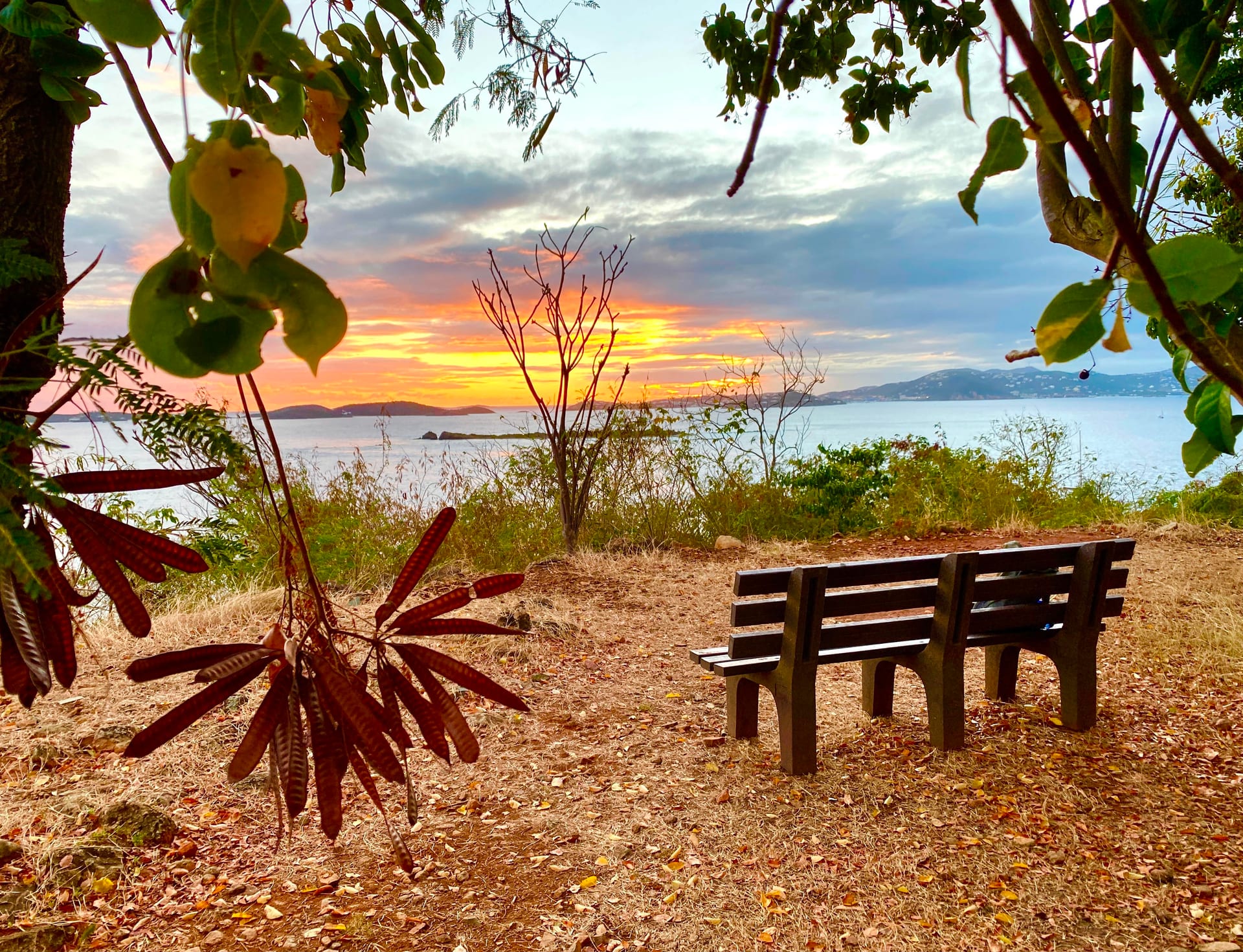
100Virgin Islands
Caribbean sunshine at 89% annually, with nearly 3,930 hours of sun per year. St. John bakes under clear tropical skies for most of the year, with trade winds keeping temperatures tolerable. The white sand beaches and crystal waters exist because so little rain falls to cloud the scene. Afternoon clouds occasionally build over the hills, but morning sun is as reliable as the tides.
Explore:Park Profile
185 parks scored on 85 criteria
Discover your perfect park
Find a destination that matches how you actually want to travel.
Get Started