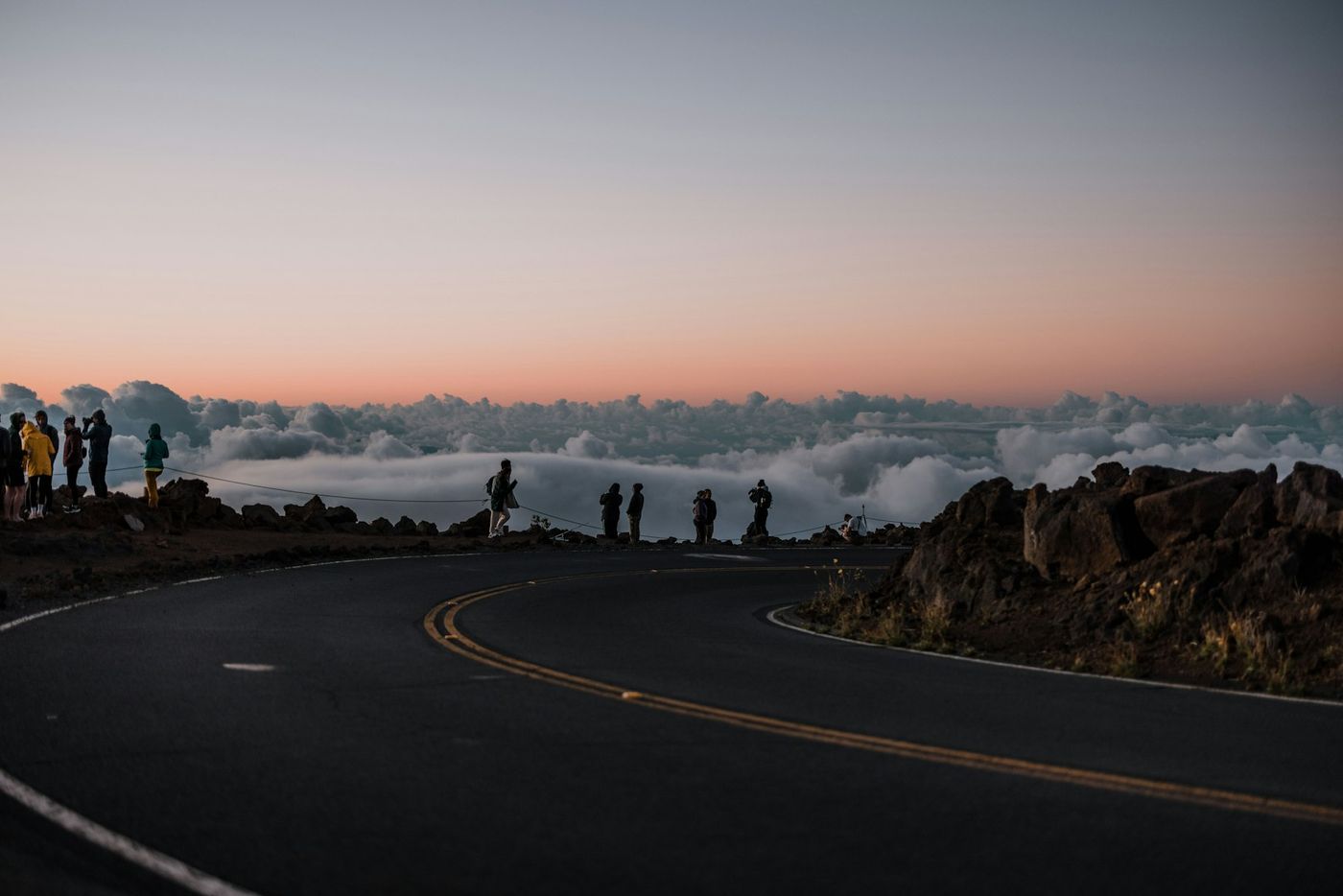
Haleakala's main challenge is the sunrise reservation system. Vehicles entering between 3am and 7am require advance reservations that sell out days or weeks ahead. The summit sits at 10,023 feet where temperatures drop into the 40s even when the coast is warm, and clouds can obscure everything. The park has two disconnected sections: the Summit District for crater views and Kipahulu for waterfalls along the Road to Hana. The good news: sunset requires no reservation and many locals consider it superior. Maui's micro-climates mean rain in one area often means sun in another. Upcountry Maui has farms, shops, and restaurants worth visiting. Maui Ocean Center is one of the best aquariums in Hawaii. When the summit fails, the island delivers.
Indoor Options

Maui Ocean Center
One of the top-rated aquariums in the United States. Native Hawaiian marine life including sharks, rays, and sea turtles in a 750,000-gallon open ocean exhibit. A 54-foot walk-through tunnel puts you inside the tank. Ranked among the best rainy-day activities on Maui.
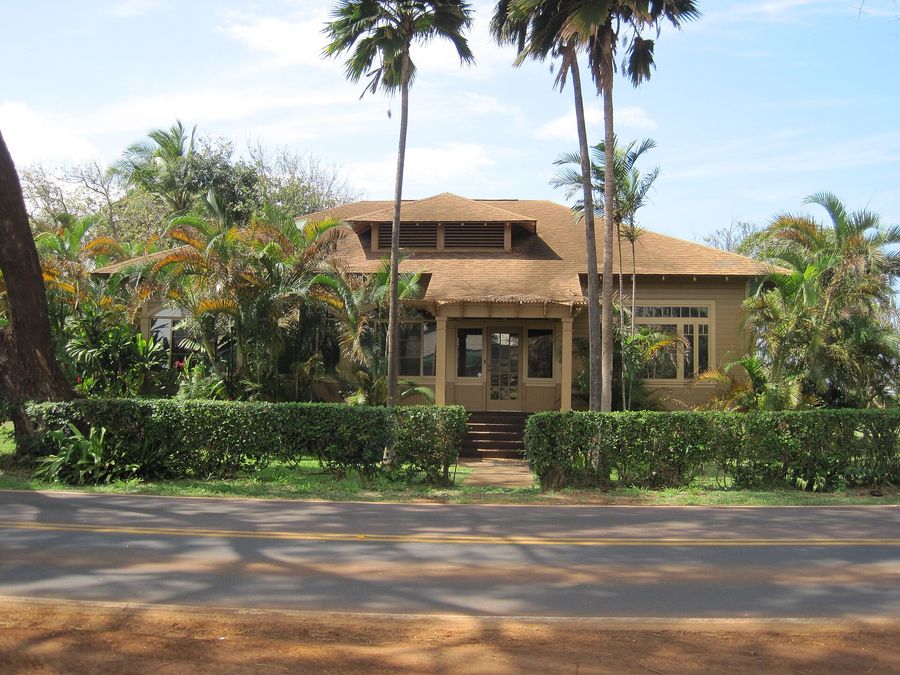
Alexander & Baldwin Sugar Museum
The history of sugar cultivation on Maui and its role in shaping the island's diverse communities. Housed in a restored plantation superintendent's residence. Artifacts, photographs, and working scale models explain an industry that defined Hawaii for over a century.
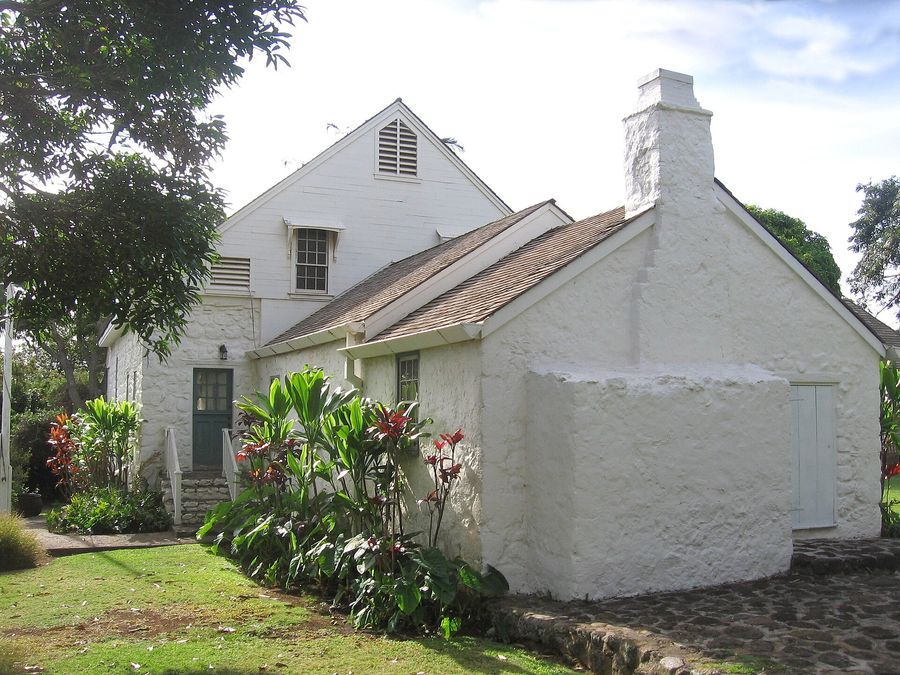
Bailey House Museum
Hawaiian artifacts, missionary-era pieces, and local art in a historic 1833 building. The collection includes pre-contact Hawaiian items rarely seen elsewhere. Small but significant for understanding Maui's cultural history.
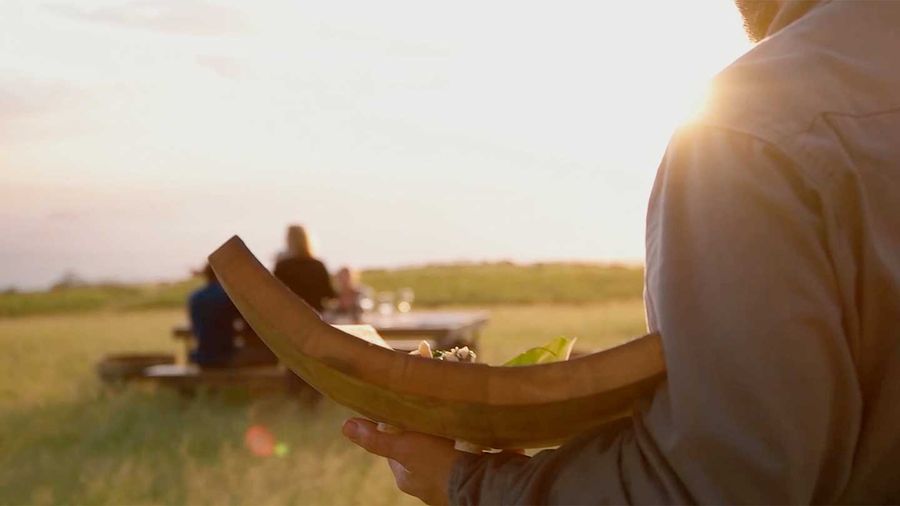
MauiWine
Hawaii's oldest winery, operating since 1974 on a historic ranch. Tastings of pineapple wines and estate-grown grape varieties. The grounds include a cottage museum and views over the south coast. A stop on the way down from the summit.

Surfing Goat Dairy
A working goat farm with tours, cheese tastings, and opportunities to interact with the animals. Artisan goat cheeses sold on-site. The upcountry location provides cooler temperatures than the coast. Good for families.
Nearby Alternatives
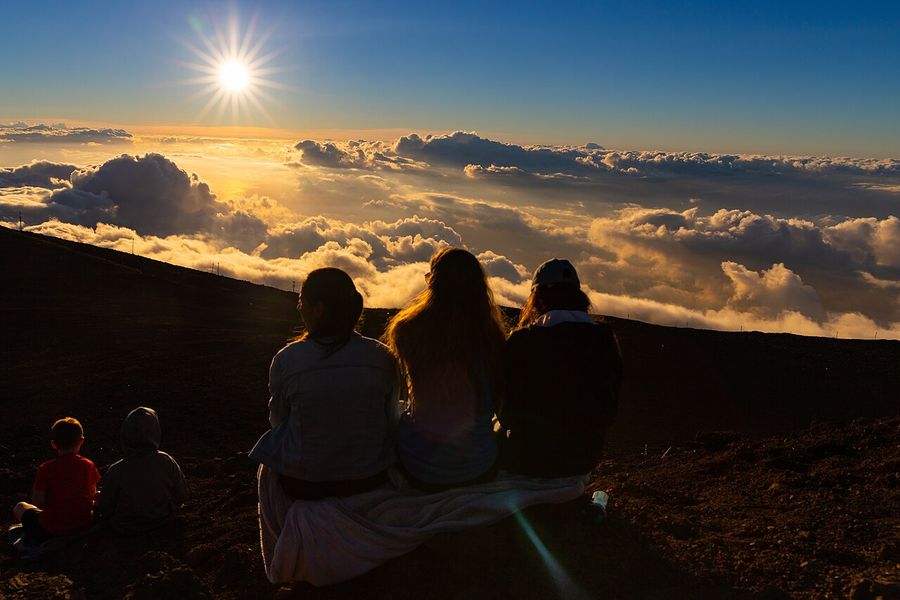
Haleakala Sunset
Sunset at Haleakala requires no vehicle reservation. Many locals consider it superior to sunrise: warmer temperatures, smaller crowds, and the ability to check weather forecasts before committing to the drive. Arrive 1-2 hours early for parking. Bring layers.
Best for: No reservation required, fewer crowds, can check weather first
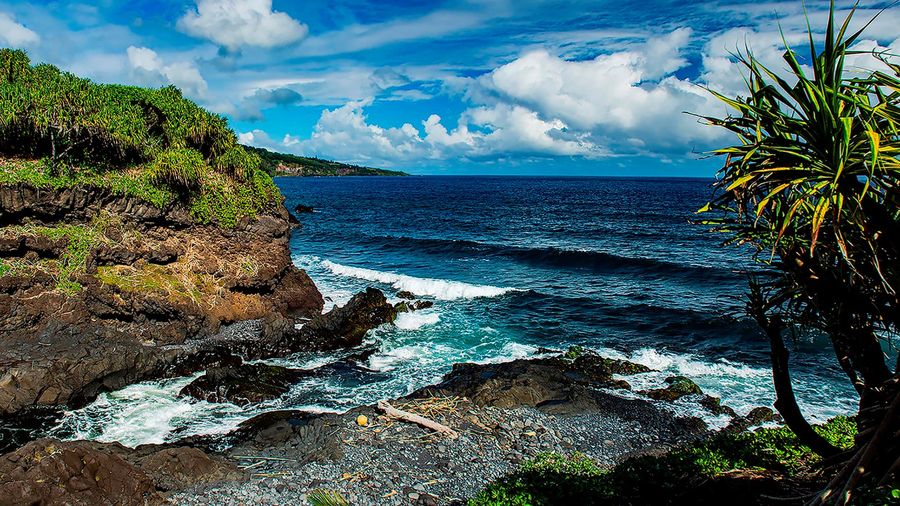
Kipahulu District (Pools of 'Ohe'o)
A separate section of the park accessed via the Road to Hana. The Pipiwai Trail leads 4 miles roundtrip through bamboo forest to 400-foot Waimoku Falls. The pools near the coast (sometimes called Seven Sacred Pools) are often closed for swimming due to conditions. No road connects this section to the summit.
Best for: Waterfalls, bamboo forest, coastal scenery
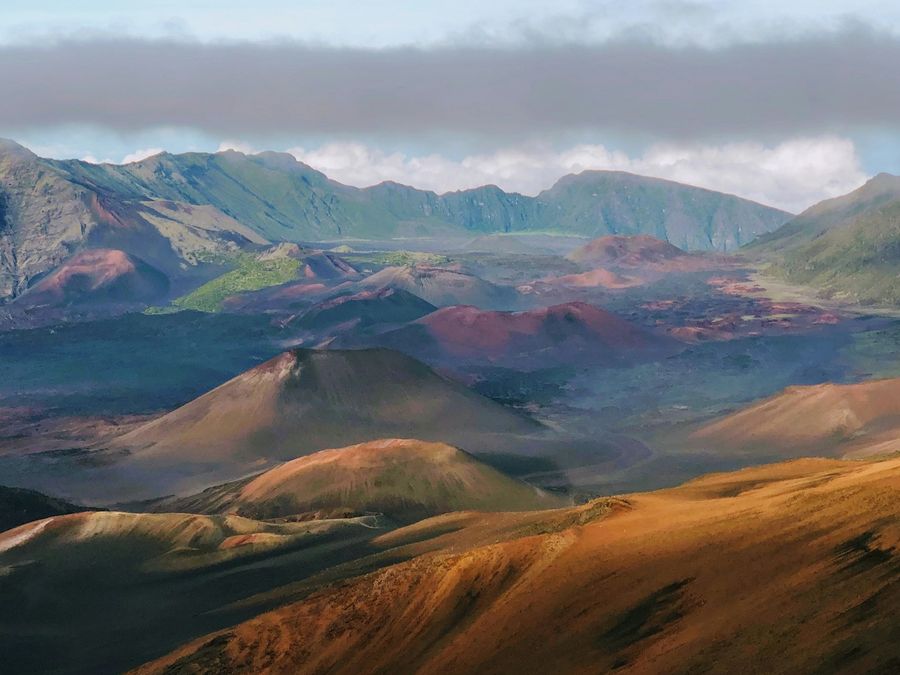
Upcountry Maui (Makawao, Kula, Paia)
The slopes of Haleakala host small towns with galleries, restaurants, and local character. Makawao has a former cowboy-town aesthetic. Kula has farms and nurseries. Paia has surf shops and a hippie history. Worth exploring when summit conditions are poor.
Best for: Small towns, local food, cooler temperatures
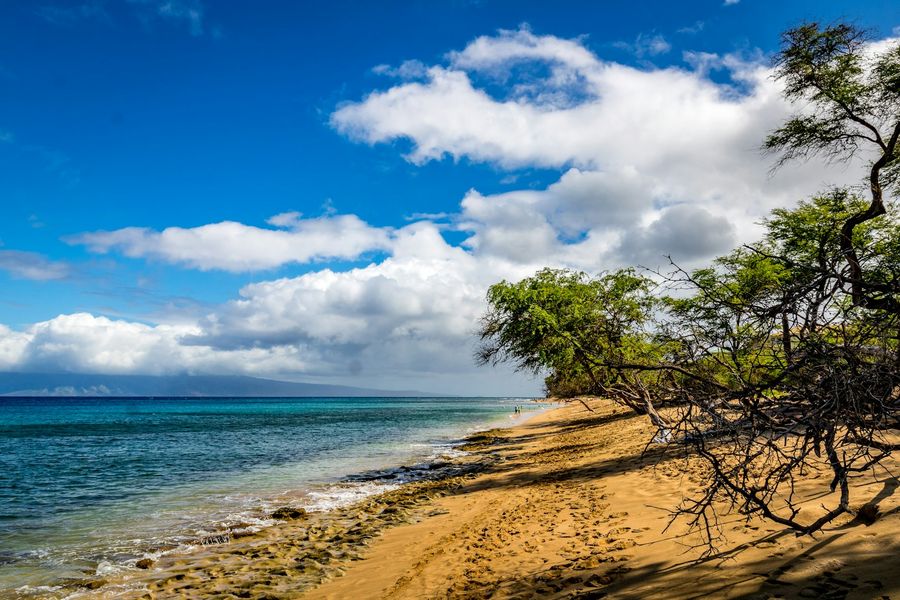
South Maui beaches
Maui's micro-climates often mean clouds at the summit while the south coast is clear. Wailea and Makena beaches offer swimming and snorkeling. Big Beach (Makena State Park) is one of the best on the island. When the mountain fails, the coast often works.
Best for: Sun when the summit is clouded, snorkeling, beaches
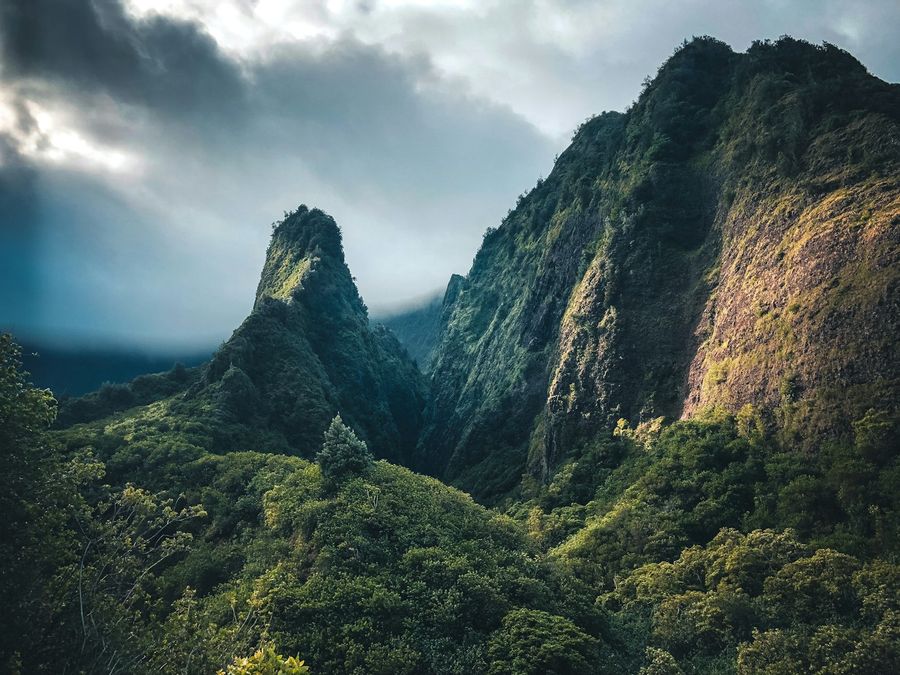
Iao Valley State Park
A lush valley dominated by the 1,200-foot Iao Needle. Paved trails wind through the valley floor. Historically significant as the site of a major battle in Hawaiian history. Often cloudy, which adds to the atmosphere. Good when the summit is fogged in since the weather is similar but the scenery is green rather than barren.
Best for: Dramatic valley, easy trails, cultural significance
Shortened Experiences
Midday summit visit
No reservation required after 7am. The views are the same, just different light. Warmer than sunrise. Fewer people. The visitor center and overlooks work at any hour.
Sliding Sands Trailhead
The trail descends into the crater. Even a short walk provides a different perspective than the overlooks. The return climb is strenuous at altitude. Go as far as time and energy allow.
Hosmer Grove
A half-mile nature loop through a forest of introduced trees at 6,800 feet. Native birds including the endangered Hawaiian goose (nene). A quiet stop below the summit crowds.
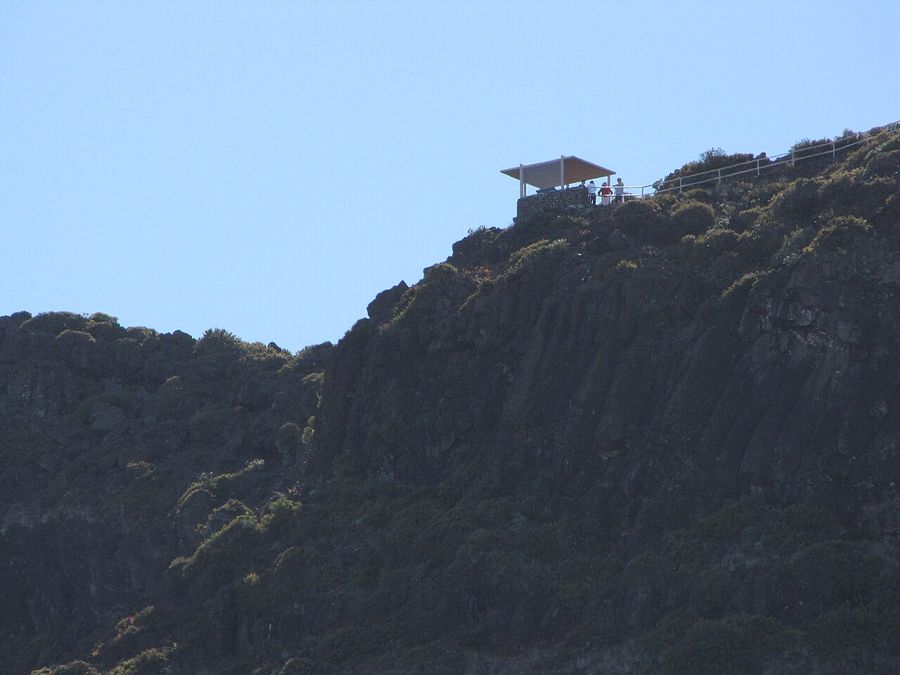
Leleiwi Overlook
A viewpoint at 8,840 feet, below the summit crowds. Views into the crater. In late afternoon, conditions sometimes create the Brocken spectre phenomenon where your shadow is cast on clouds below, ringed by a rainbow.
Sunset from Kalahaku Overlook
If summit parking fills, Kalahaku at 9,324 feet offers similar views. No reservation required. Check conditions before driving up. Bring layers for post-sunset cold.
Rainy Day Activities
Check the weather and try anyway
Cloud cover at the coast does not predict summit conditions. Check webcams and forecasts. The summit may be clear while you drive through clouds to reach it. Conversely, a clear morning can cloud over by midday.
Summit weather is unpredictable. Be prepared for any conditions.
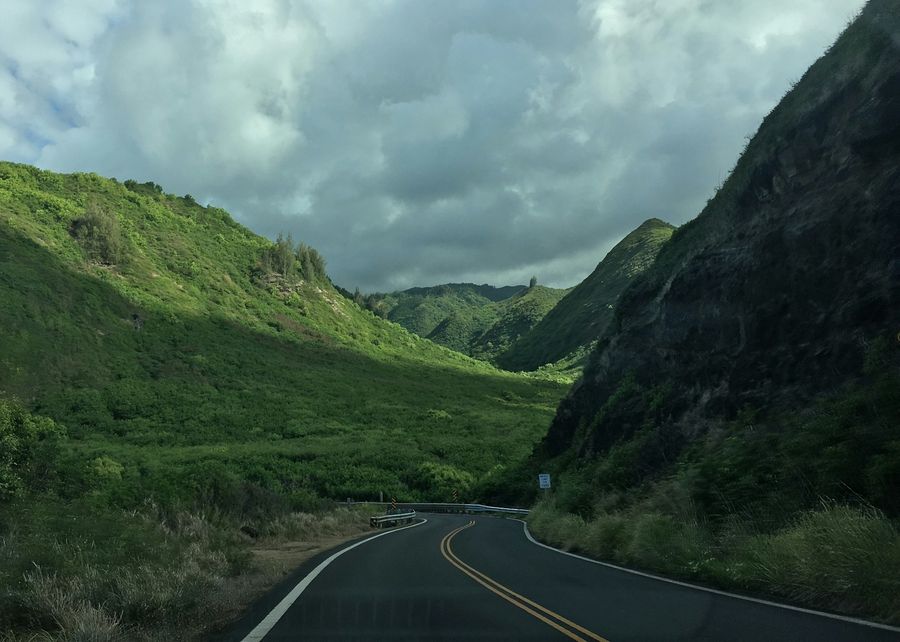
Drive to the sunny side
Maui's micro-climates mean rain in Kihei while Lahaina is sunny, or clouds upcountry while the coast is clear. If one area is not working, drive to another. The island is small enough to cover in under an hour.
Traffic around Lahaina and Kihei can be slow.
Maui Ocean Center
The aquarium works regardless of weather. Native Hawaiian marine life, walk-through tunnel, and educational exhibits. Allow 2-3 hours. One of the best rainy-day options on the island.
Can be crowded when weather drives everyone indoors.
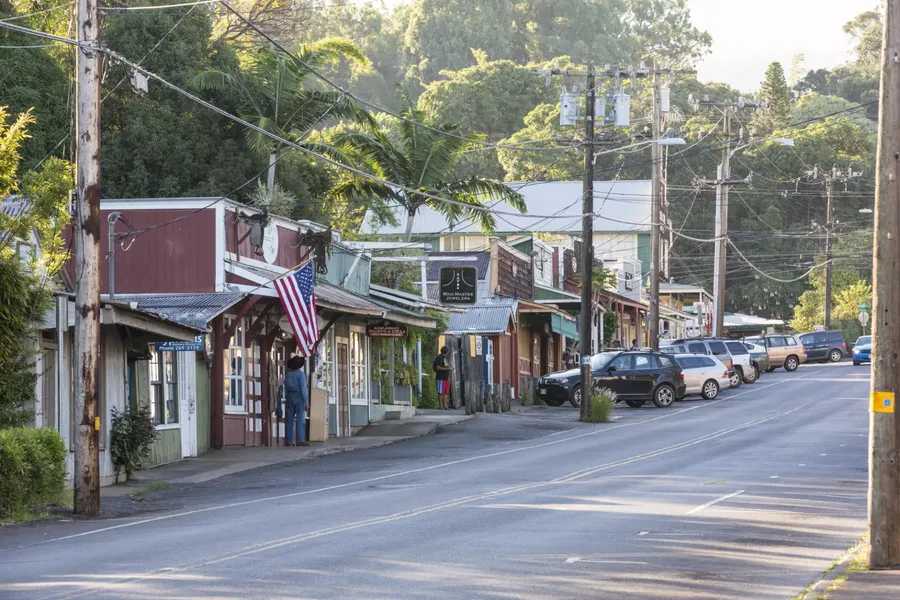
Explore upcountry
The towns of Makawao, Kula, and Paia have shops, galleries, and restaurants worth exploring. Coffee farms and lavender farms offer tours. Upcountry weather is often similar to summit weather, but the activities are indoor-friendly.
Some farms and shops have limited hours. Check before driving.
Tips
- Sunrise reservations (3am-7am) sell out quickly. Book as soon as they become available, 60 days in advance. Day-before reservations release at 4pm Hawaii time and go fast.
- Sunset requires no reservation and many locals prefer it. You can check the weather before committing to the drive. Arrive 1-2 hours early for parking.
- The summit is 30-40 degrees colder than the coast. Bring layers, a hat, and a jacket even if it feels absurd at sea level.
- The Kipahulu section (Road to Hana) is a separate visit with no road connection to the summit. Plan them as different trips.
- After 7am, no reservation is required. Midday visits see the same crater with different light and fewer crowds.