- 10.
 82
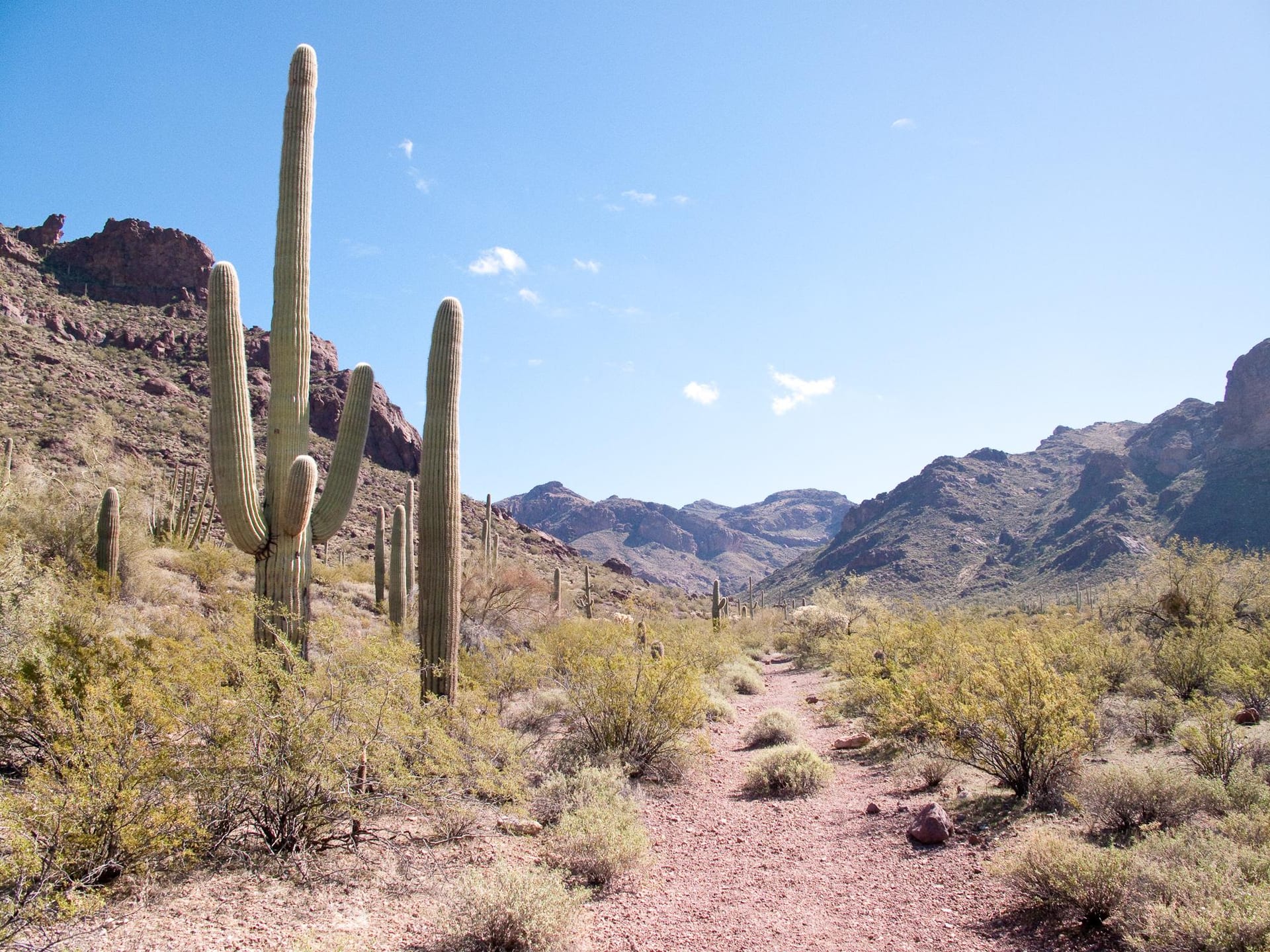
82Organ Pipe Cactus
Explore:Park Profile - 9.
 83
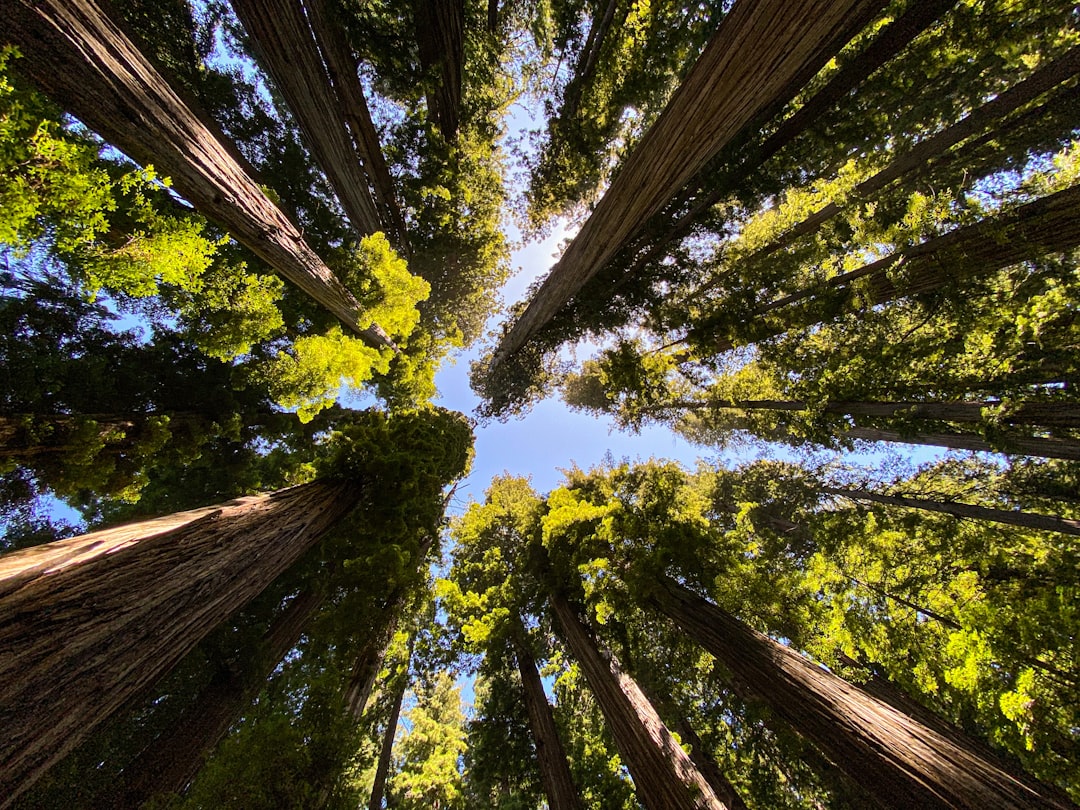
83Redwood
Cool, damp, and consistent. The old-growth redwood forests depend on fog that rolls in every summer, keeping temperatures in a 27°F annual range. Rain falls heavily in winter but follows reliable patterns. The tallest trees on Earth grow here because the weather rarely deviates from the conditions they evolved to expect.
Explore:Park Profile - 8.
 84
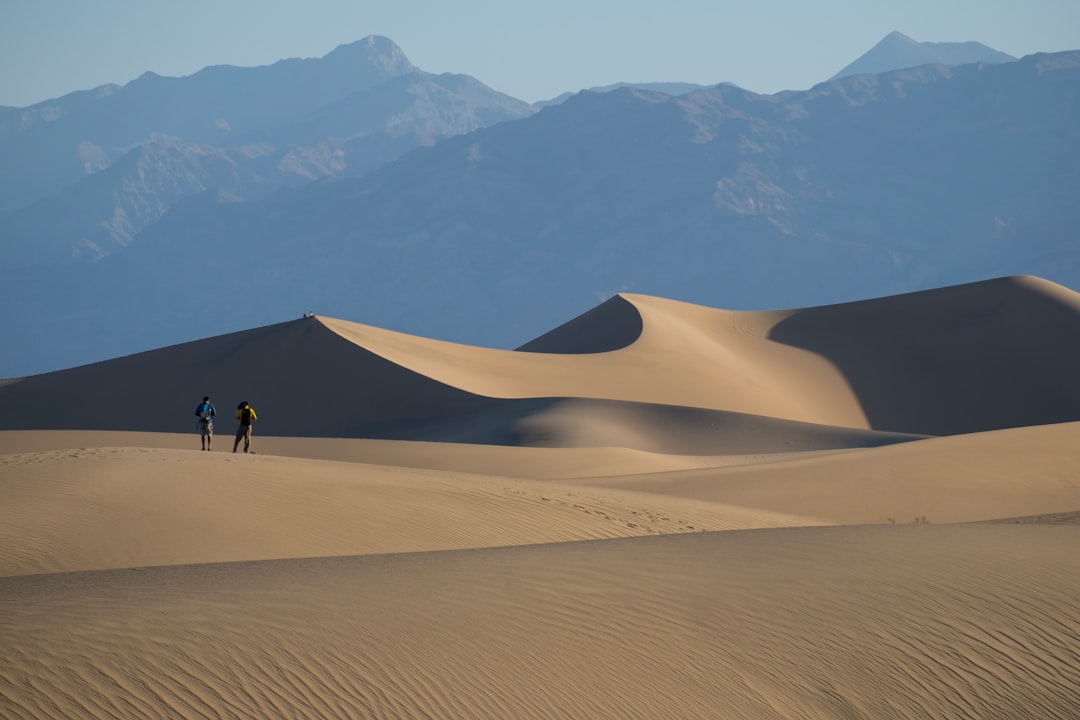
84Death Valley
Extreme but predictable. Summer will be brutally hot; winter will be pleasantly warm. The desert follows the same pattern every year with almost no precipitation to disrupt the forecast. A 51°F annual range masks the reliability: July will be 120°F, January will be 65°F, and the few dozen rain days cluster in winter.
- 7.
 84
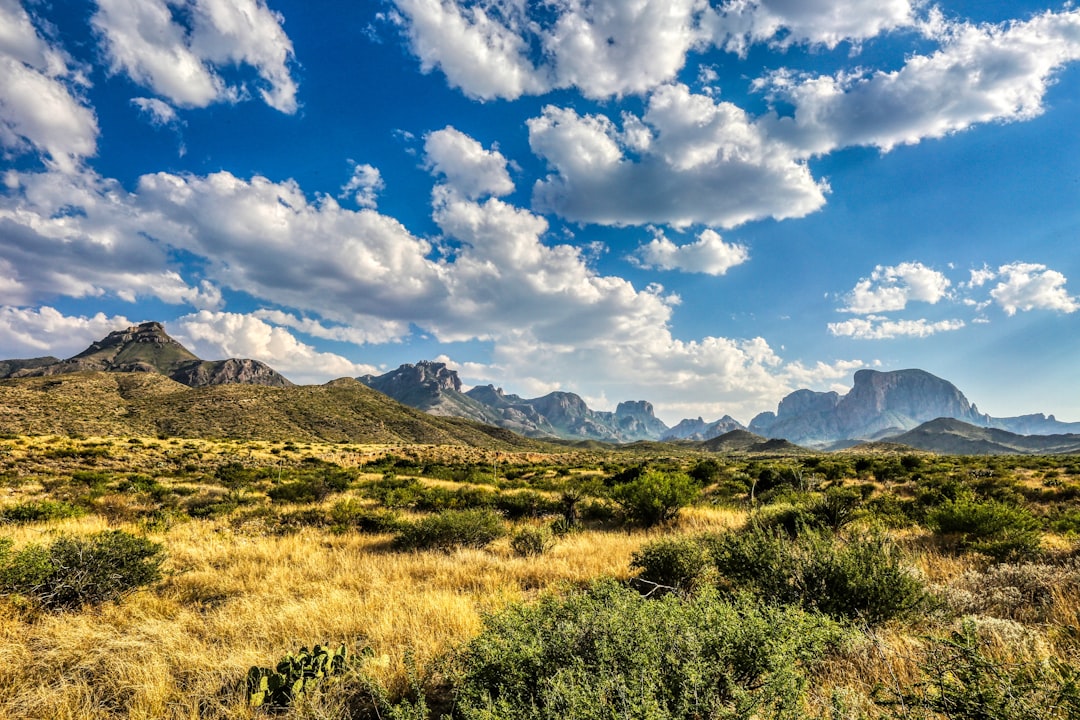
84Big Bend
Despite desert temperature swings between day and night, Big Bend's weather follows predictable seasonal patterns. The Chihuahuan Desert gets reliably hot in summer, mild in winter, with monsoon rains arriving on schedule in late summer. A 48°F annual range seems wide, but each season delivers exactly what you'd expect.
- 6.
 91
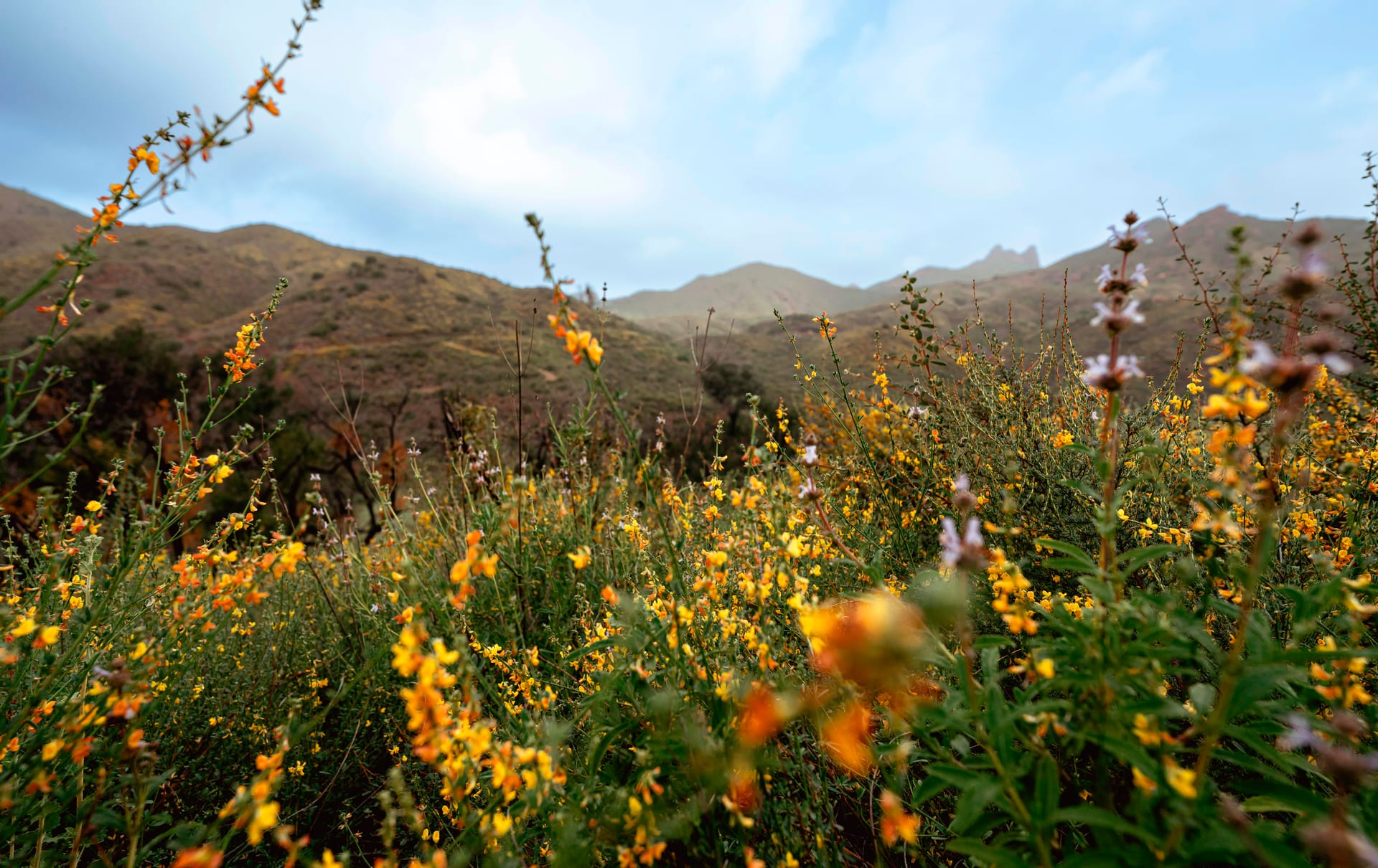
91Santa Monica Mountains
Los Angeles's backyard mountains benefit from the same Pacific moderation as the coast. A 39°F annual range is wider than true coastal parks but still remarkably stable by continental standards. Summer brings warm but not hot conditions; winter brings occasional rain but no cold worth mentioning.
Explore:Park Profile - 5.
 93
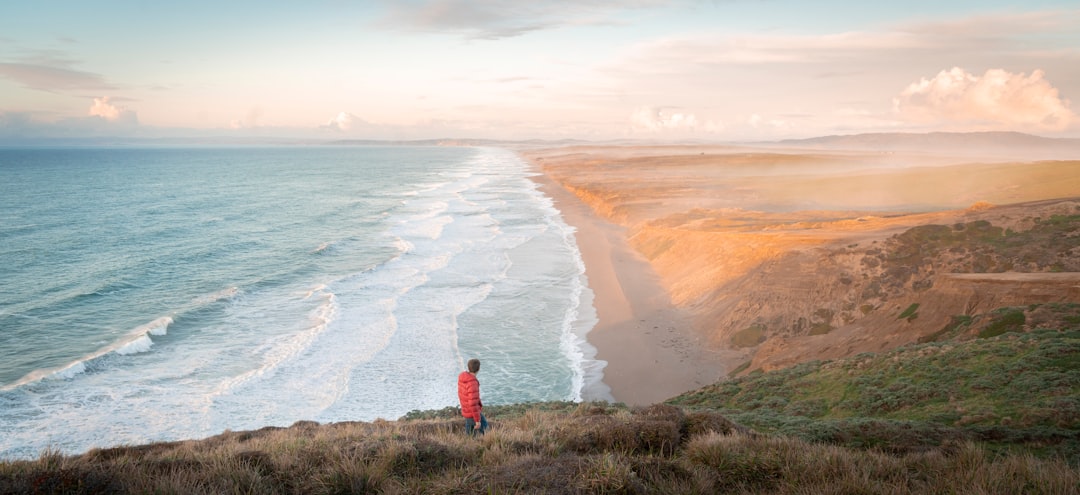
93Point Reyes
Jutting into the Pacific, Point Reyes experiences weather dictated by the ocean. A 24°F annual temperature range and predictable fog patterns mean visitors know what to expect: layers, mist, and temperatures that hover in the 50s to 60s regardless of the calendar date. The elk and marine mammals thrive in conditions that rarely surprise.
Explore:Park Profile - 4.
 94
94Muir Woods
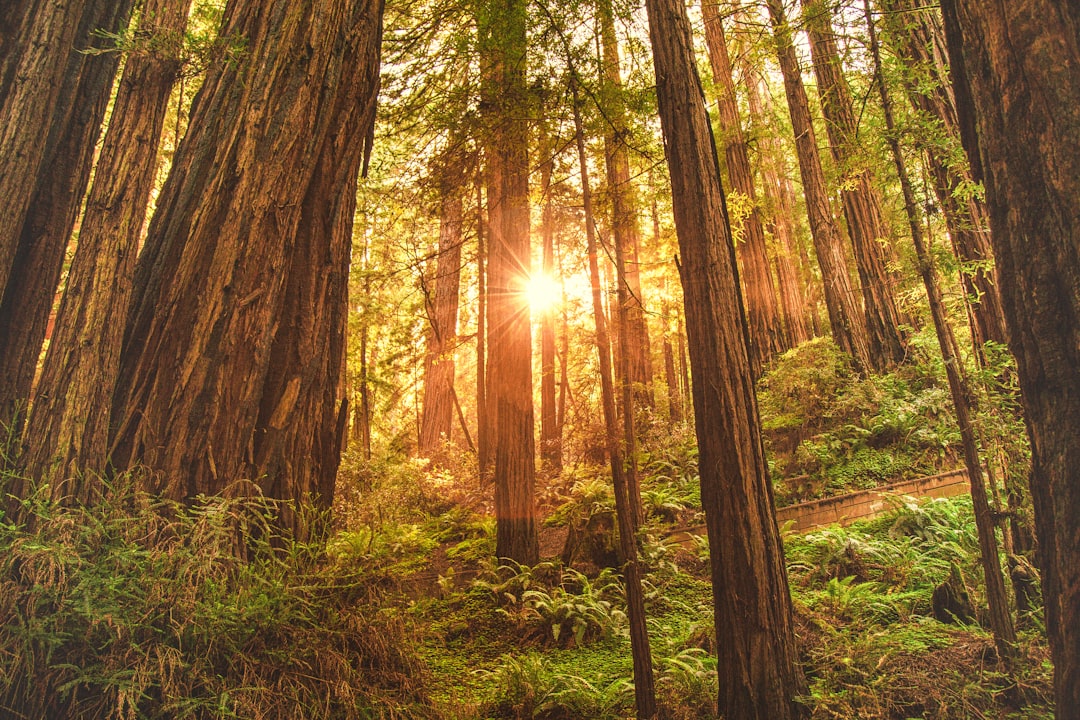
The famous redwood grove exists because of predictably wet winters and reliably foggy summers. A 27°F annual temperature range means the ancient trees never experience the temperature extremes that would stress them. Mist drips from 250-foot redwoods in weather that repeats, day after day, season after season.
Explore:Park Profile - 3.
 95
95Highlight’s Favorite: Golden Gate
Golden Gate scores near the top of this list, and it’s our favorite for weather predictability.
A 15-degree annual temperature range. That’s the gap between Golden Gate’s warmest and coldest months, one of the narrowest in the entire park system. Summer brings fog. Fall brings sun. The bridge sits in between, and the cycle repeats with the kind of consistency that makes packing for a trip here almost irrelevant. Layer up, and you’re good any month.
Golden Gate covers 80,000 acres across three counties, from Muir Woods to Alcatraz to the Presidio. San Francisco’s culinary and cultural infrastructure backs up against park boundaries. The weather doesn’t change much, but it doesn’t need to. Most parks on this list earn their predictability through tropical stability or desert consistency. Golden Gate earns it through a marine layer that moderates everything, year after year, in a city that already has reasons enough to visit.
Explore:Park Profile - 2.
 96
96Cabrillo
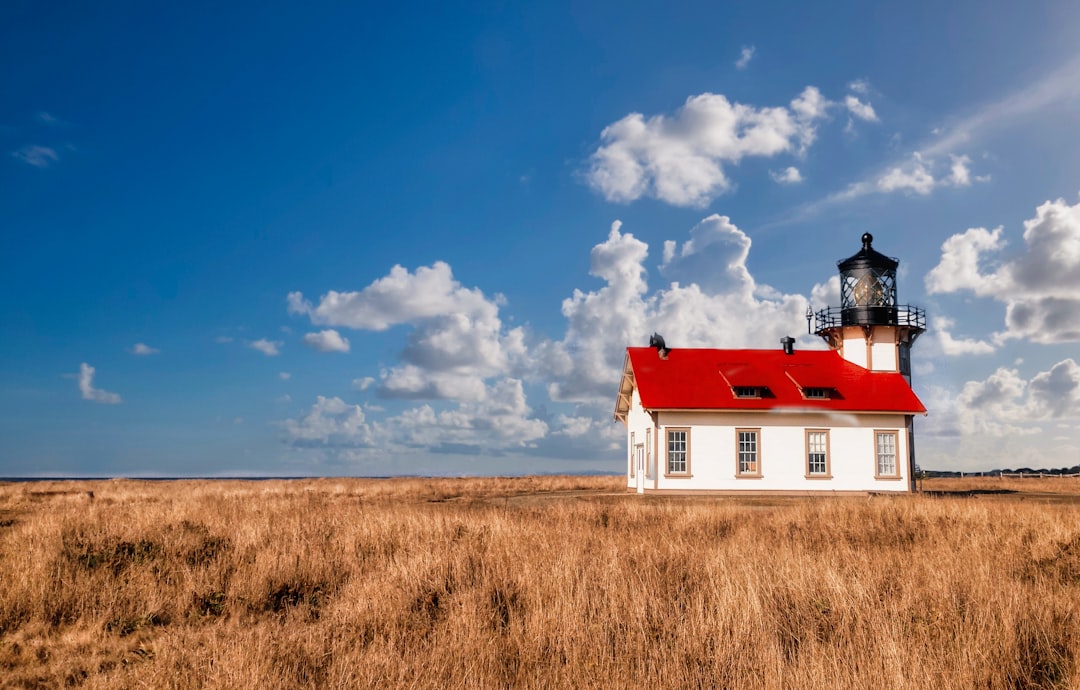
San Diego's corner of the Pacific coast enjoys remarkably stable conditions. A 28°F annual temperature range means winter days feel much like summer, just with slightly shorter daylight. The monument commemorates the first European expedition to land on the West Coast; the weather that day in 1542 wasn't much different from any other day of the year.
Explore:Park Profile - 1.
 100
100Channel Islands
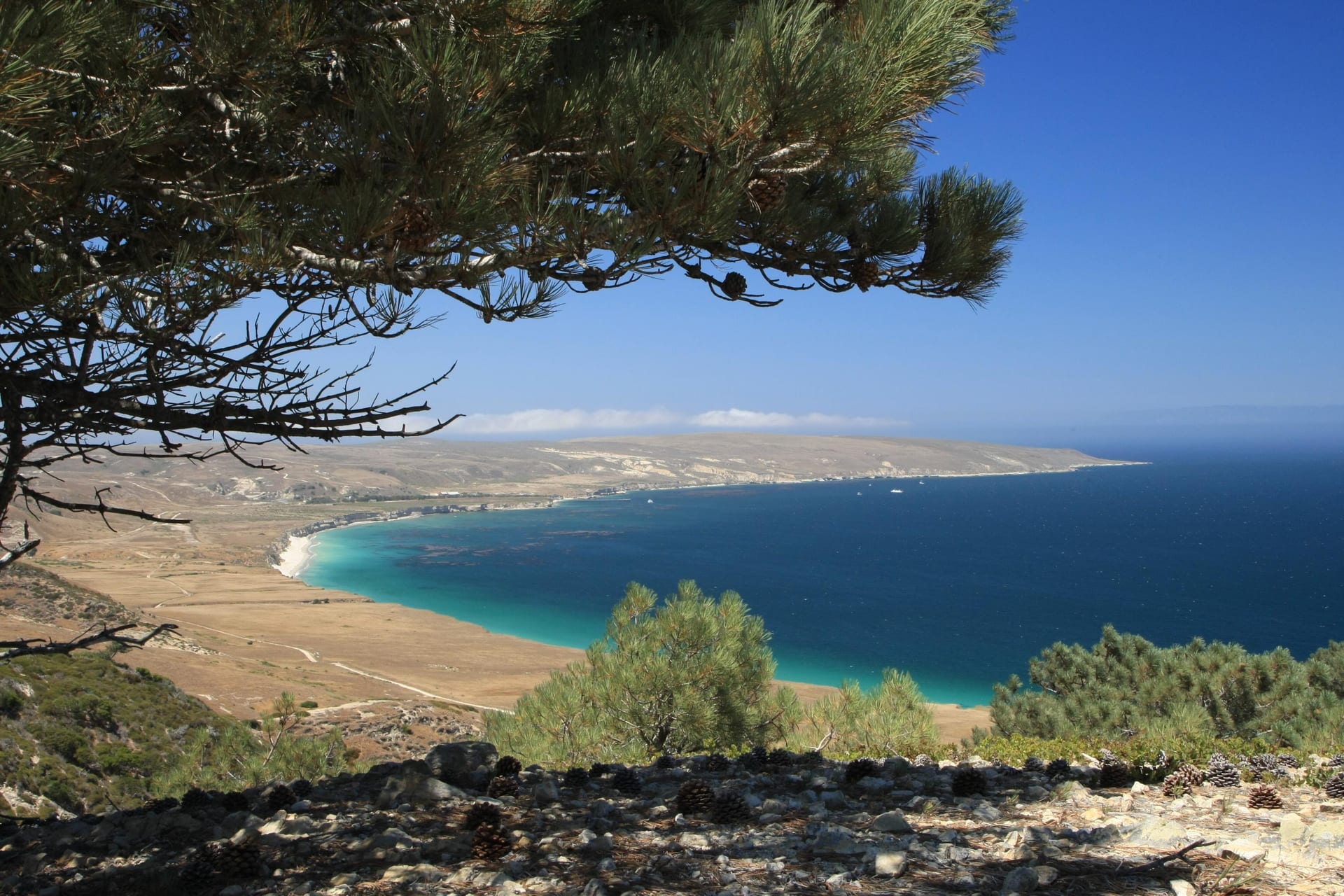
The most predictable weather in the park system, with just 19°F separating the coldest and warmest months. The Pacific Ocean moderates everything: summer highs barely reach 70°F, winter lows rarely dip below 50°F. What you see in March is essentially what you'll see in August, minus the summer fog. California's offshore islands experience weather that mainland visitors struggle to believe.
Explore:Park Profile
185 parks scored on 85 criteria
Discover your perfect park
Find a destination that matches how you actually want to travel.
Get Started