- 10.
 95
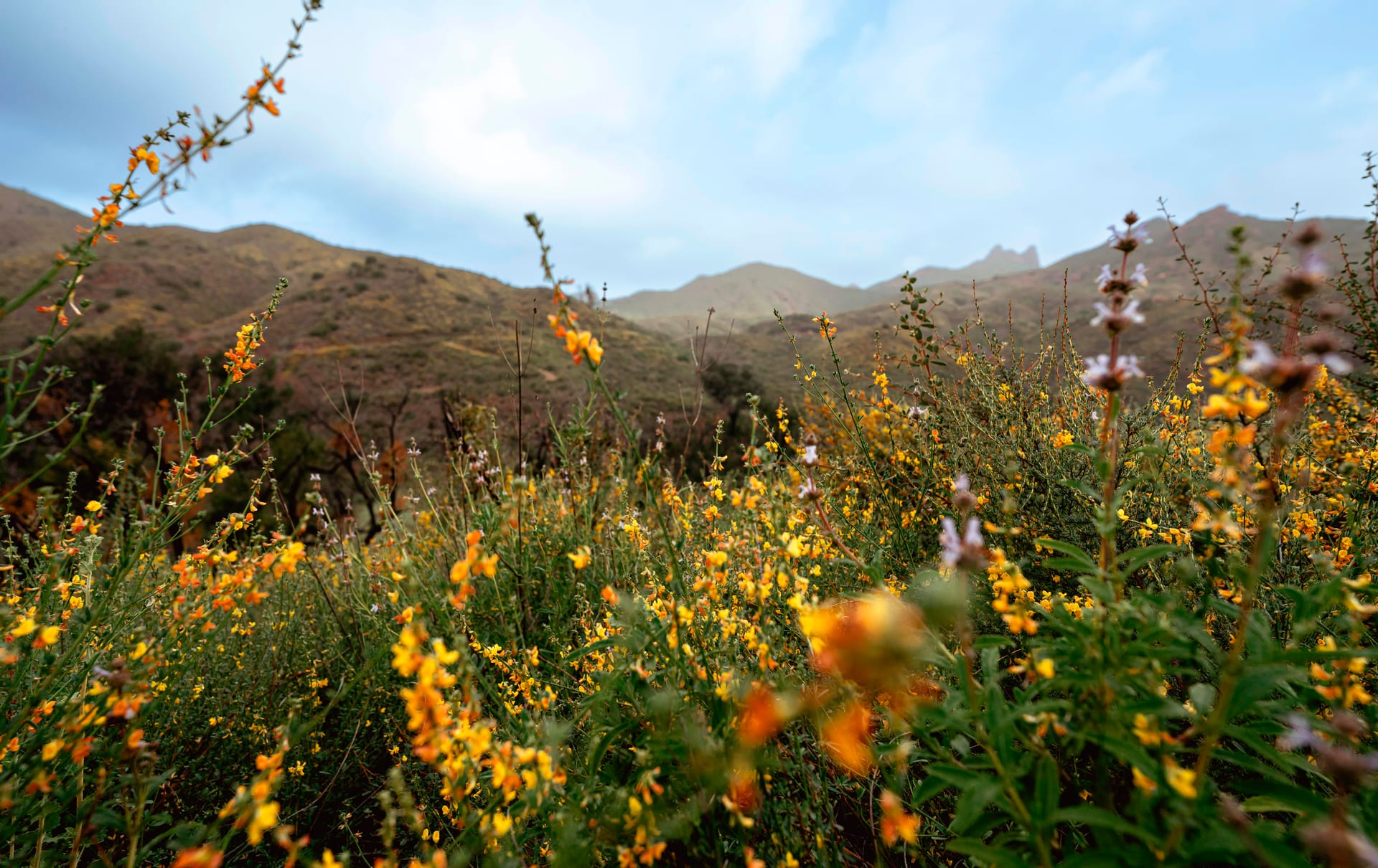
95Santa Monica Mountains
Explore:Park Profile - 9.
 96
96Rio Grande
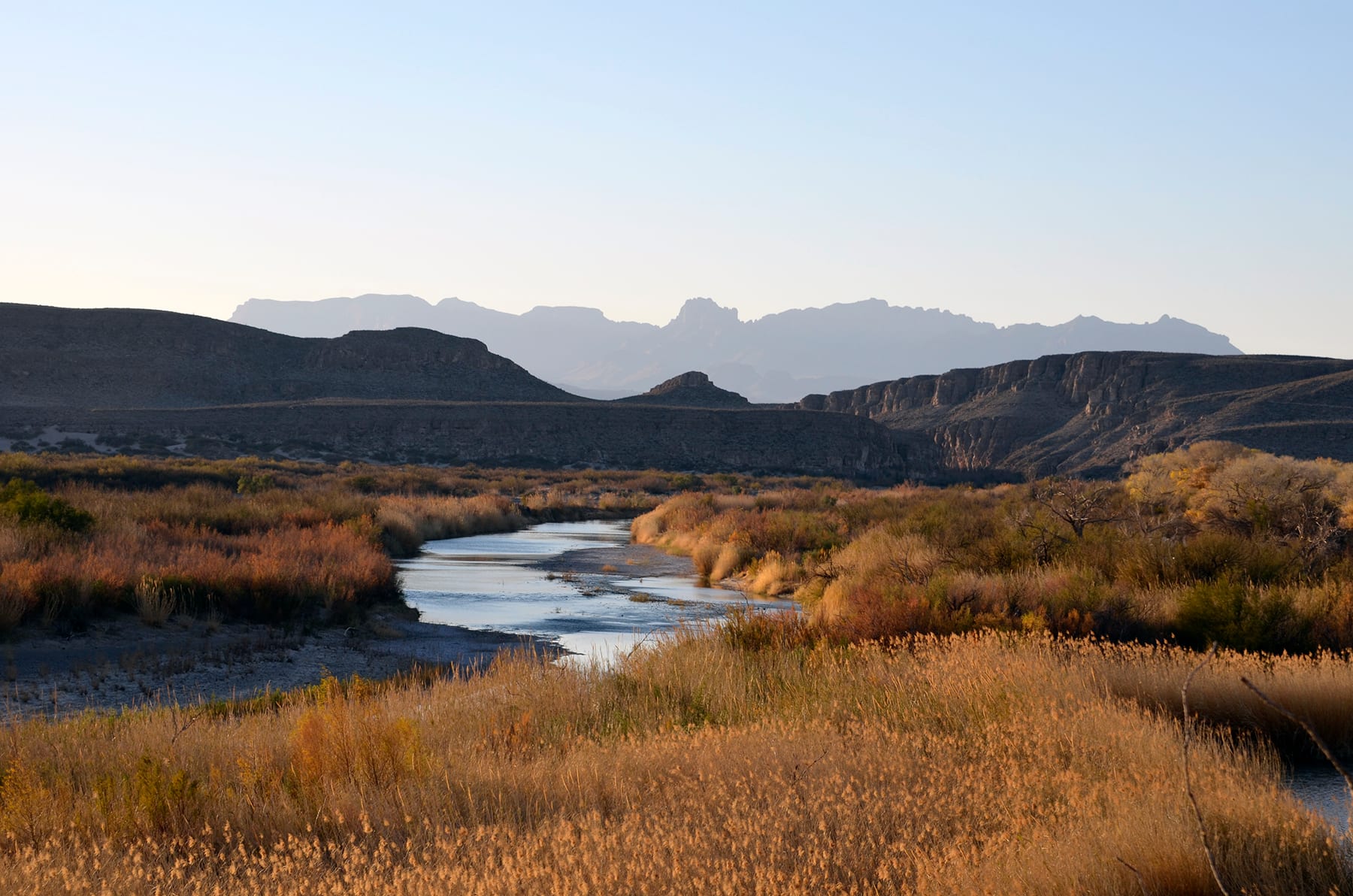
The Big Bend section of the Rio Grande cuts through the Chihuahuan Desert, where 7 inches of annual precipitation barely sustains life along the riverbanks. Away from the water, the landscape averages 312 dry days per year. The river itself exists only because of distant mountain snowmelt in Colorado. Everything else depends on the rare summer thunderstorm that briefly fills arroyos and brings the desert to life.
Explore:Park Profile - 8.
 96
96Cabrillo
Explore:Park Profile - 7.
 97
97Mojave
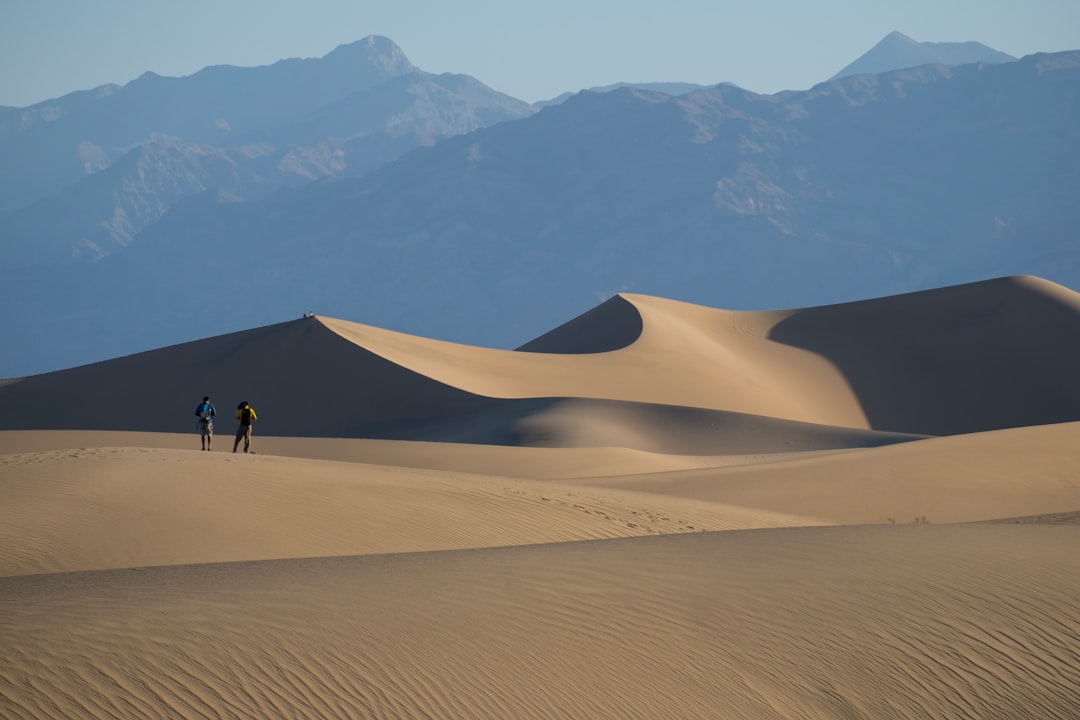
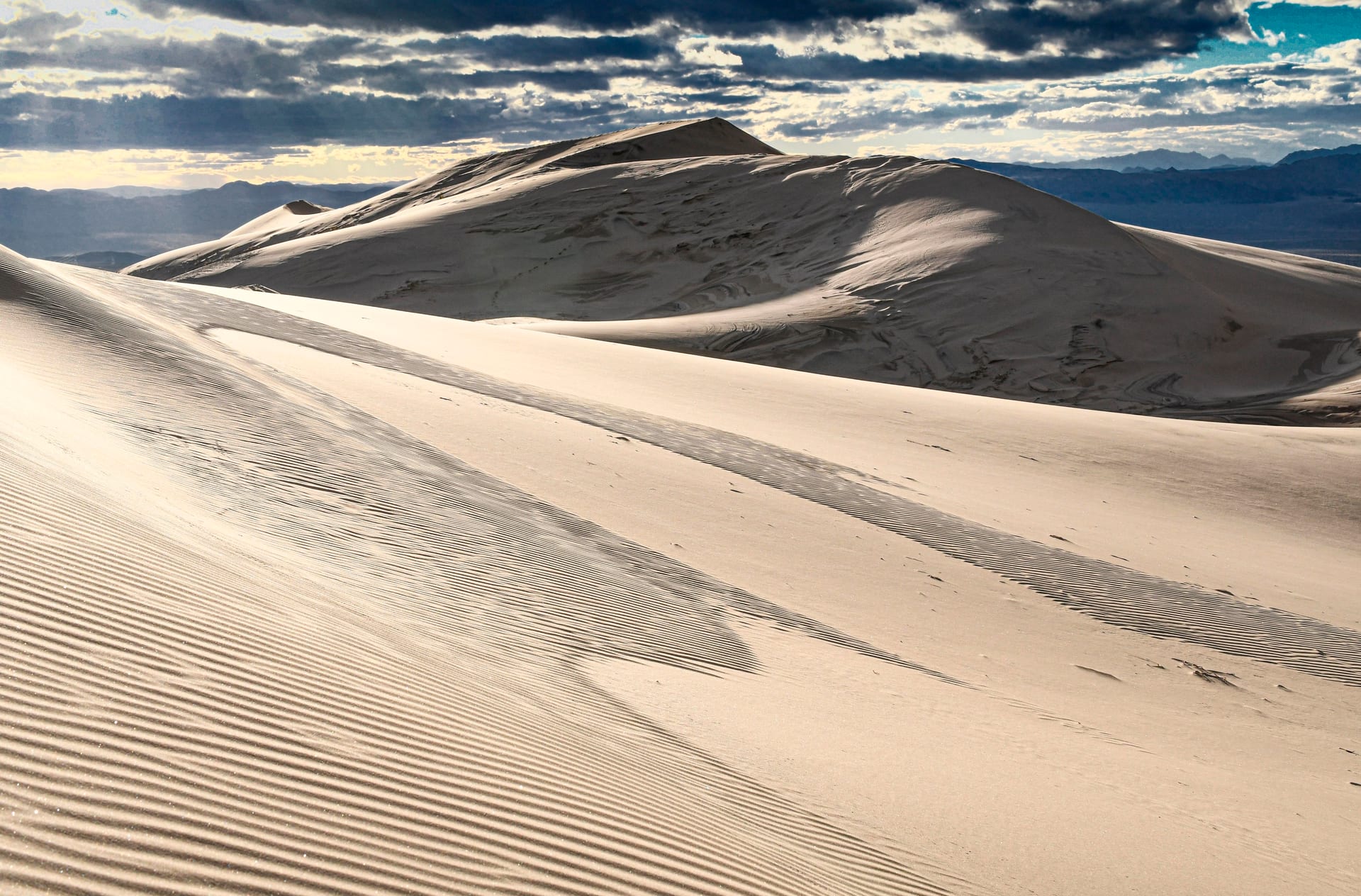
Sandwiched between Death Valley and Joshua Tree, the Mojave Preserve shares their aridity. Just 6 inches of rain falls annually, with 317 dry days per year. The Kelso Dunes cover 45 square miles with sand blown from the dry Mojave River bed. Joshua tree forests grow on the higher mesas. The entire preserve exists in the rain shadow of the Transverse Ranges, which strip moisture from Pacific storms before they reach this interior desert.
- 6.
 97
97Tonto
Explore:Park Profile - 5.
 98
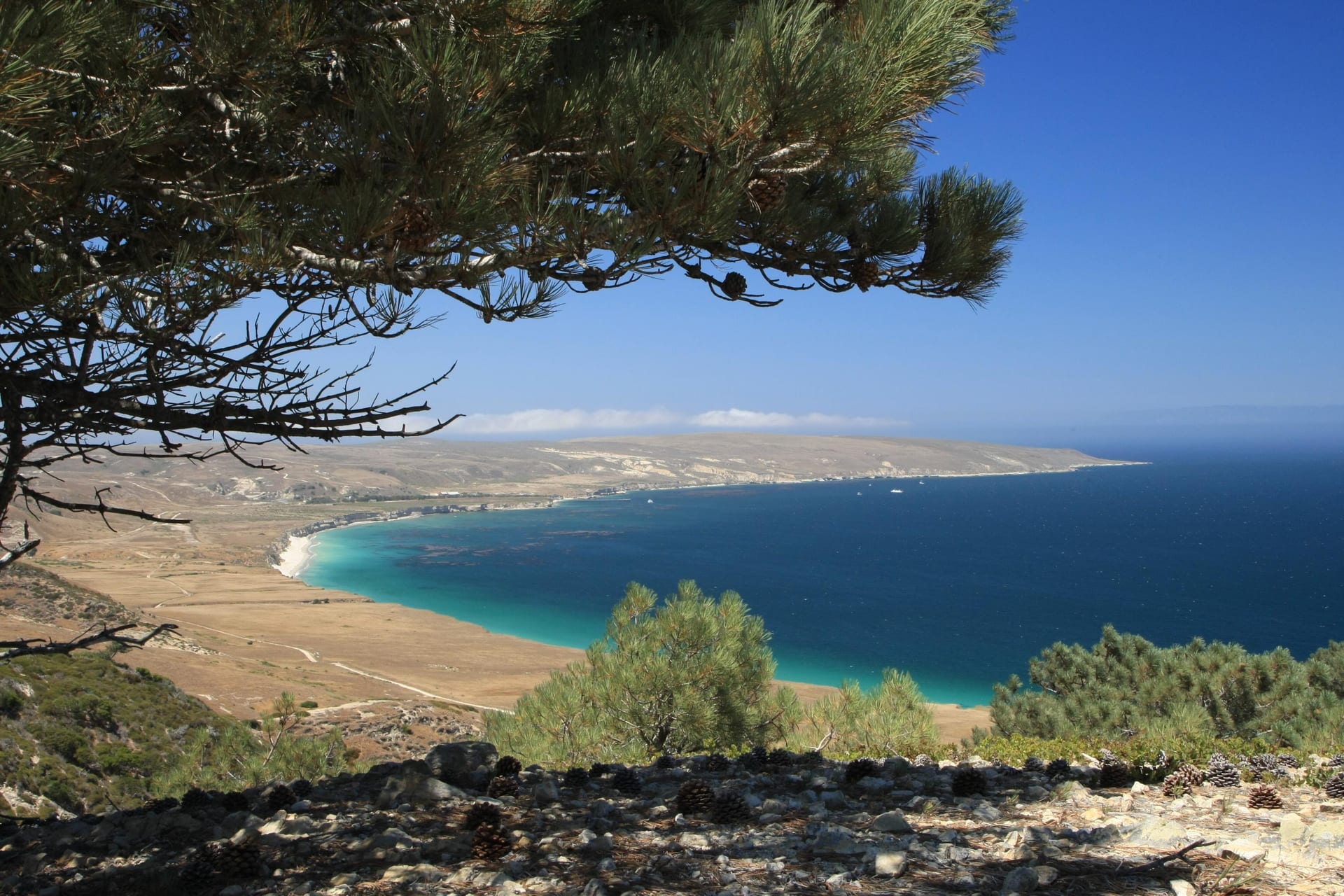
98Channel Islands
Explore:Park Profile - 4.
 98
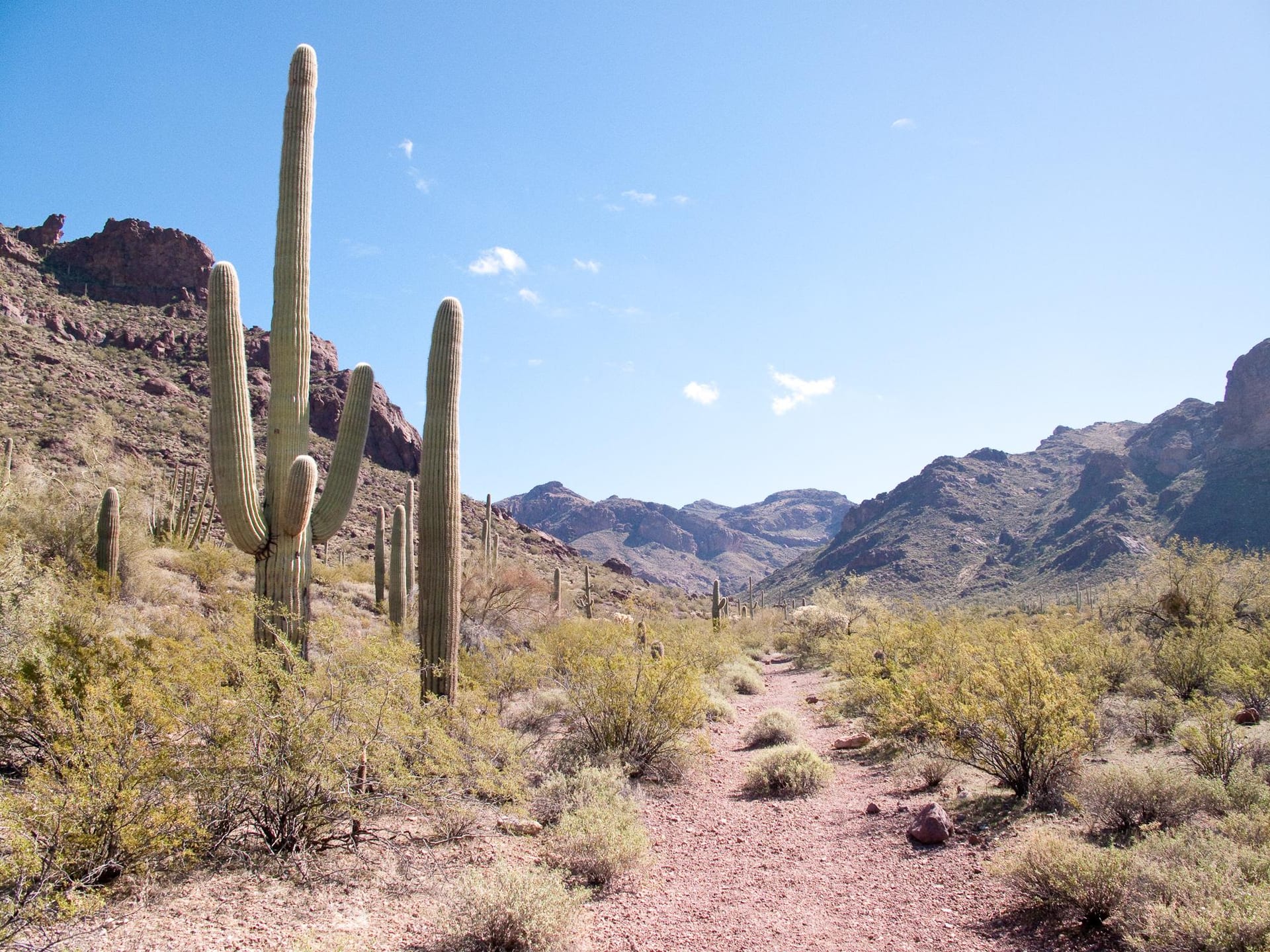
98Organ Pipe Cactus
The Sonoran Desert borderland averages just 6 inches of annual precipitation, concentrated in brief summer monsoons. The park sees 319 dry days per year. Organ pipe cacti, saguaros, and ocotillo have evolved to capture and store whatever moisture arrives, then wait months or years for the next rain. The monument protects one of the most drought-adapted ecosystems in North America.
Explore:Park Profile - 3.
 99
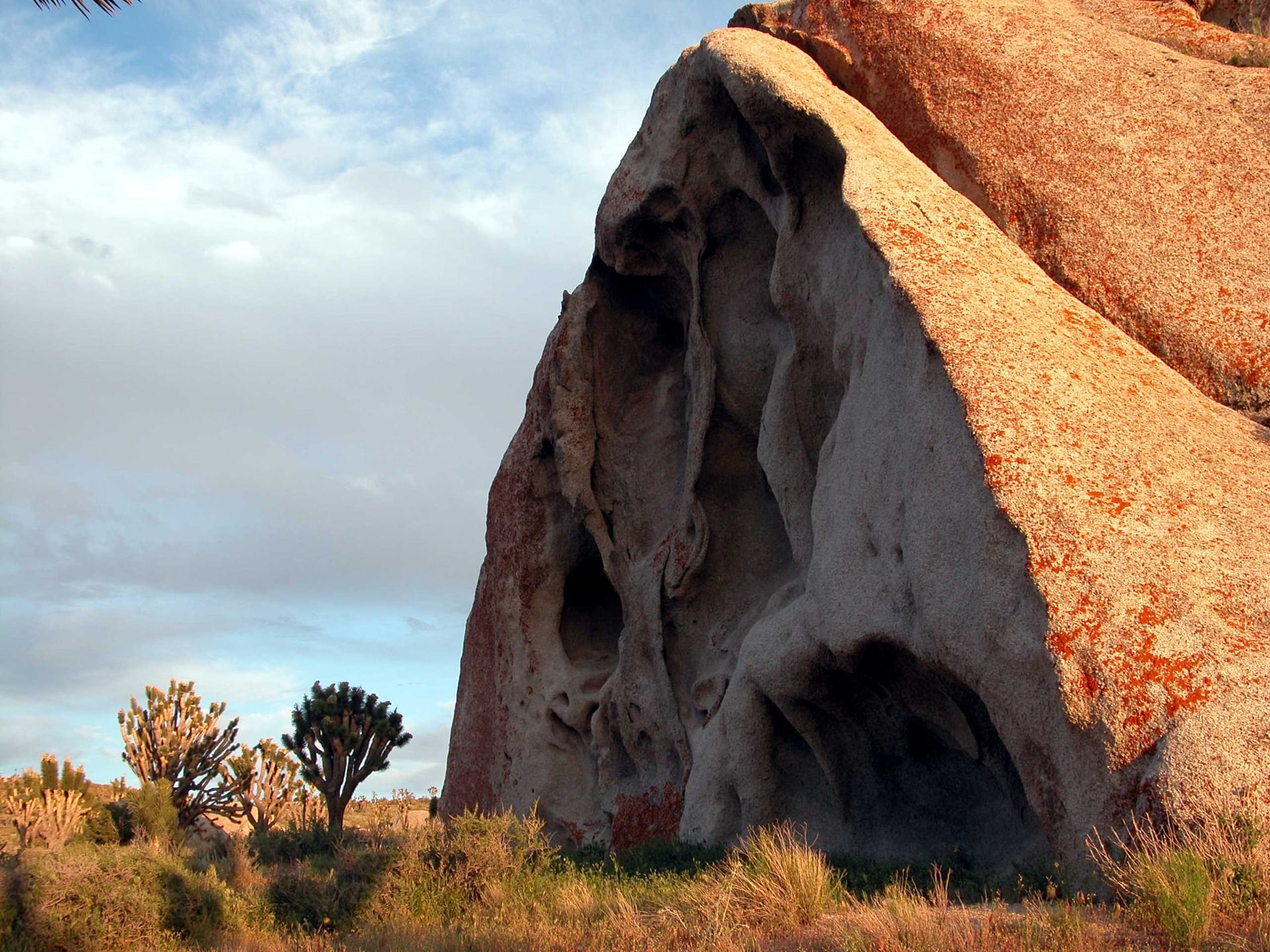
99Highlight’s Favorite: Castle Mountains
Castle Mountains shows up again, and it’s our favorite on the driest list too.
Seven inches of annual precipitation. 328 dry days per year. Old-growth desert grassland that survives on almost nothing, alongside one of the densest Joshua tree forests in the country. The monument sits in the rain shadow of the Transverse Ranges, which strip moisture from Pacific storms before they reach this corner of the Mojave.
It keeps appearing across our lists because it’s genuinely under-the-radar. Designated in 2016, no paved visitor infrastructure, barely a mention in most national park guides. The combination of near-total aridity, historic mining ruins, Joshua tree forests, and solitude makes Castle Mountains one of the most overlooked units in the park system. Joshua Tree is an hour away and gets three million visitors a year. Castle Mountains gets a few thousand and offers comparable desert landscape with none of the crowds.
Explore:Park Profile - 2.
 99
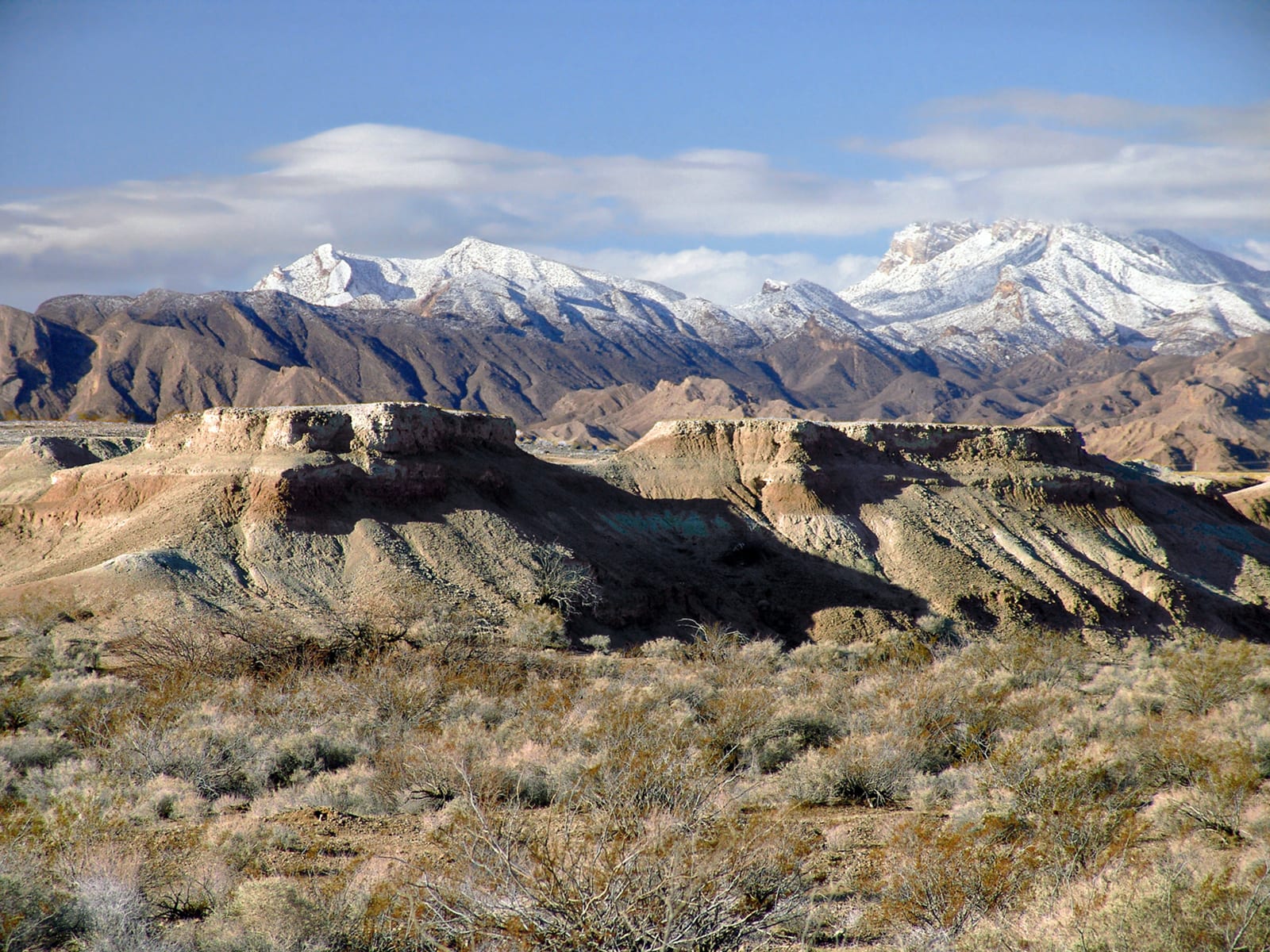
99Tule Springs Fossil Beds
Ice Age fossils preserved in a landscape that now averages just 7 inches of rain per year. Mammoths, American lions, and giant sloths once roamed a wetter version of this Las Vegas Valley terrain. Today, the monument sees 329 dry days annually, and the fossils remain exposed precisely because so little rain falls to erode them away. The contrast between past and present makes the aridity itself part of the story.
Explore:Park Profile - 1.
 100
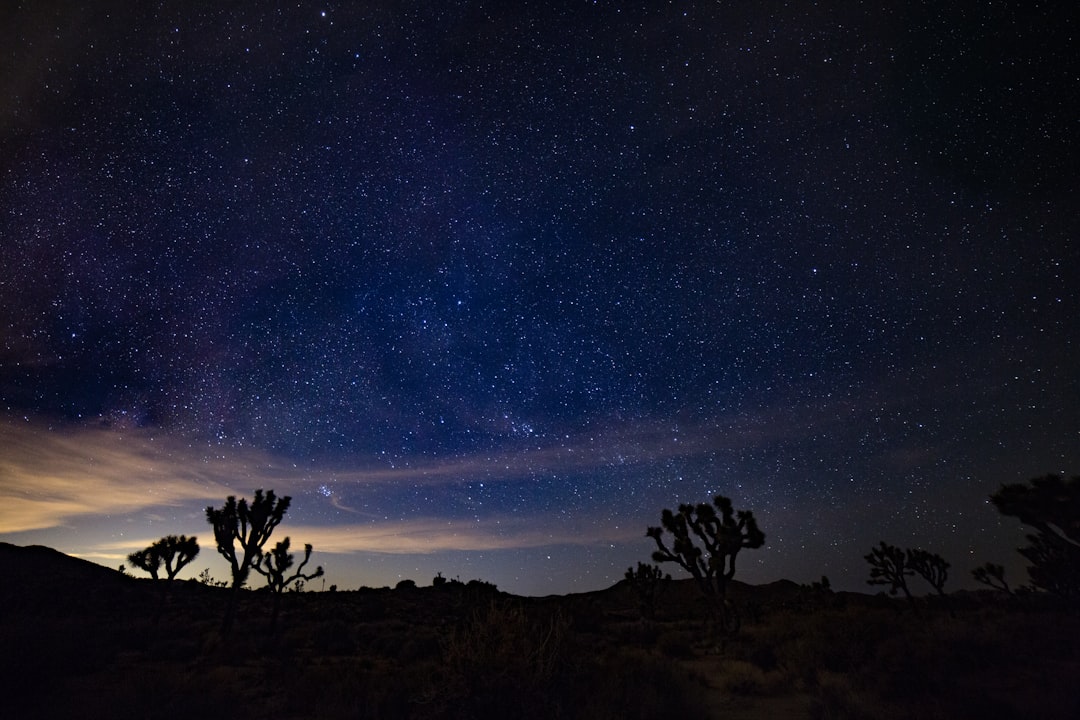
100Joshua Tree
The driest park in the system at just 3 inches of annual precipitation. Two deserts meet here, the higher Mojave and lower Colorado, but neither brings much rain. The park averages 333 dry days per year. Joshua trees thrive on what little moisture arrives, storing it for the long stretches between storms. Winter can bring rare dustings of snow to the higher elevations; summer brings heat but almost never rain. The iconic rock formations and twisted trees exist because this place is, above all, dry.
185 parks scored on 85 criteria
Discover your perfect park
Find a destination that matches how you actually want to travel.
Get Started