- 10.
 95
95Cabrillo
Explore:Park Profile - 9.
 96
96Amistad
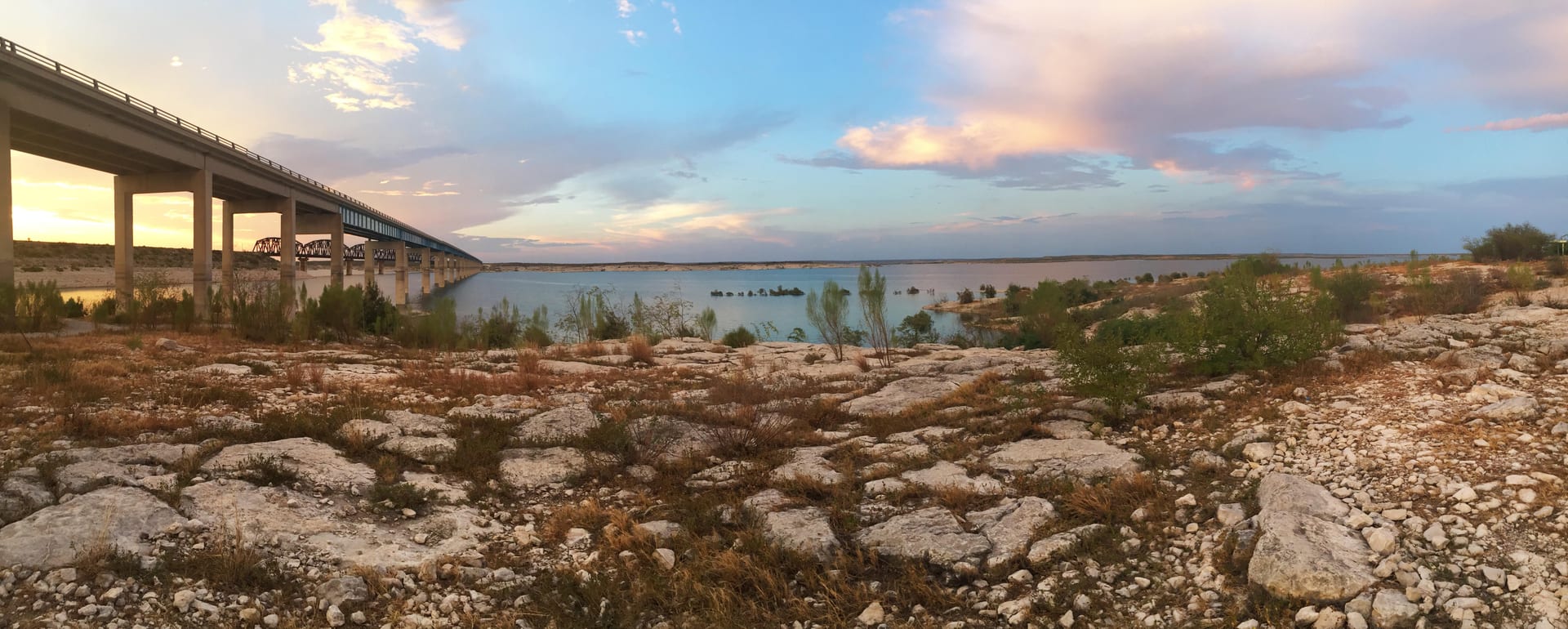
The Texas-Mexico border country warms while the rest of the country freezes. Lake Amistad offers some of the clearest water in Texas, with winter temperatures perfect for fishing, swimming, and exploring the pictographs left by people who lived here 4,000 years ago. Del Rio has cheap motels and authentic border-town food.
Explore:Park Profile - 8.
 96
96Organ Pipe Cactus
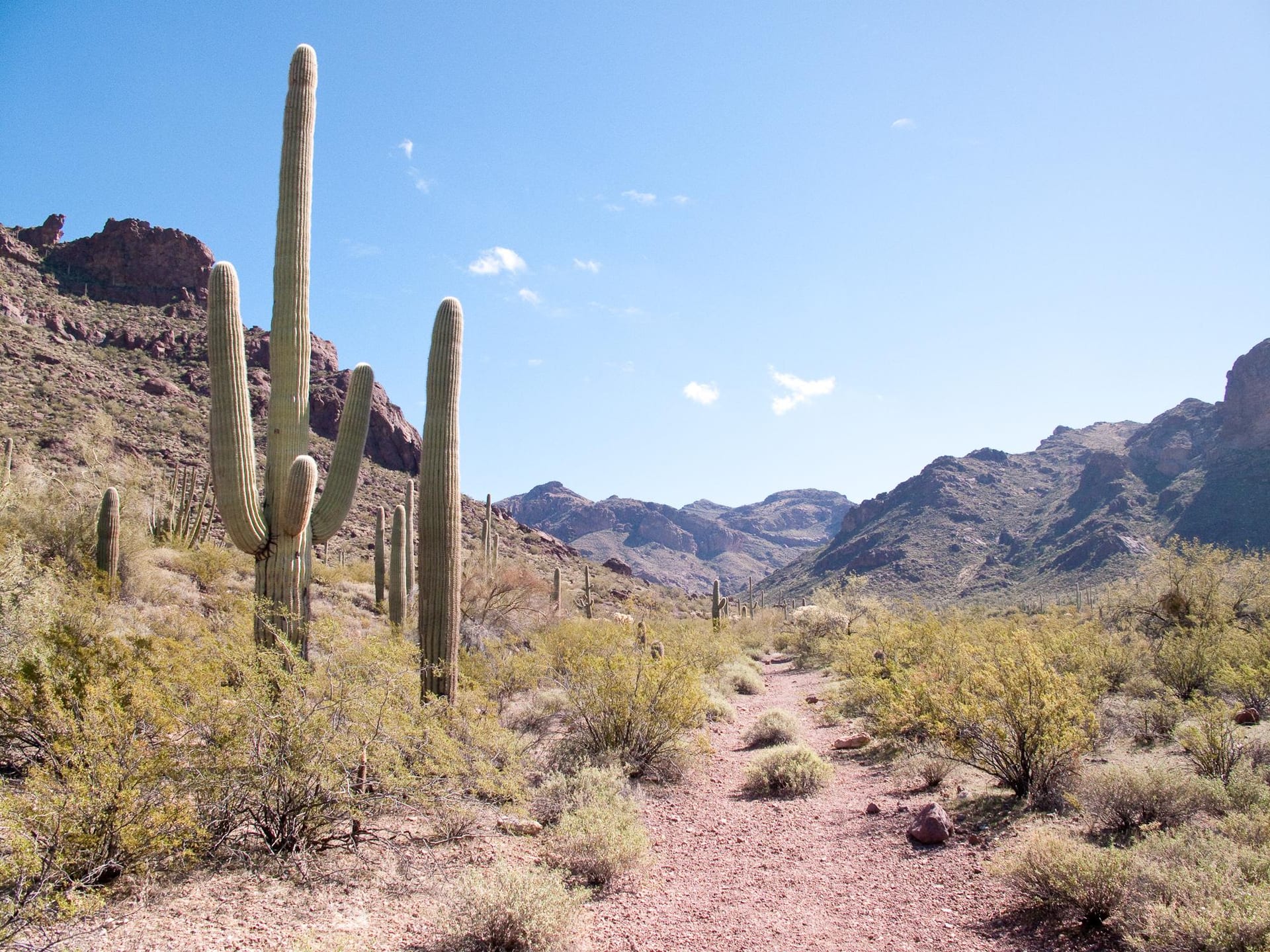
The Sonoran Desert at its most comfortable. Winter days reach the 70s, nights stay above freezing, and the saguaros and organ pipes stand against clear blue skies. Hiking the Ajo Mountain Loop or driving the Puerto Blanco Drive reveals a landscape that punishes summer visitors but welcomes winter ones.
Explore:Park Profile - 7.
 97
97Death Valley
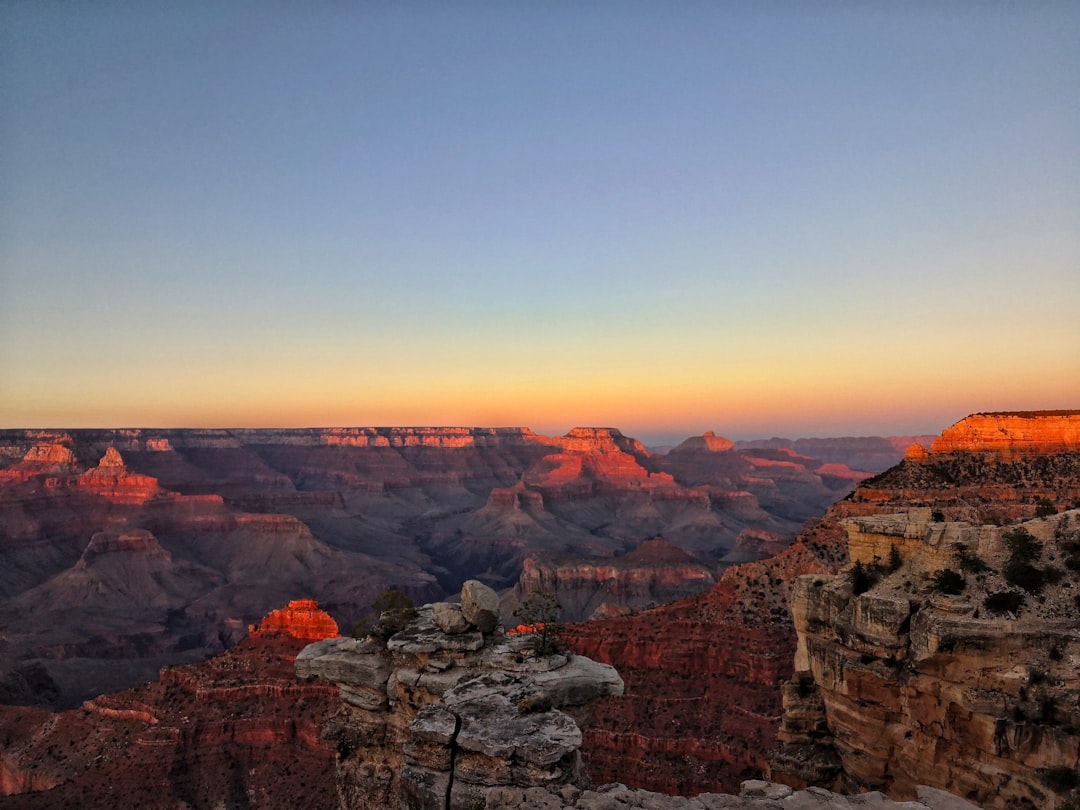
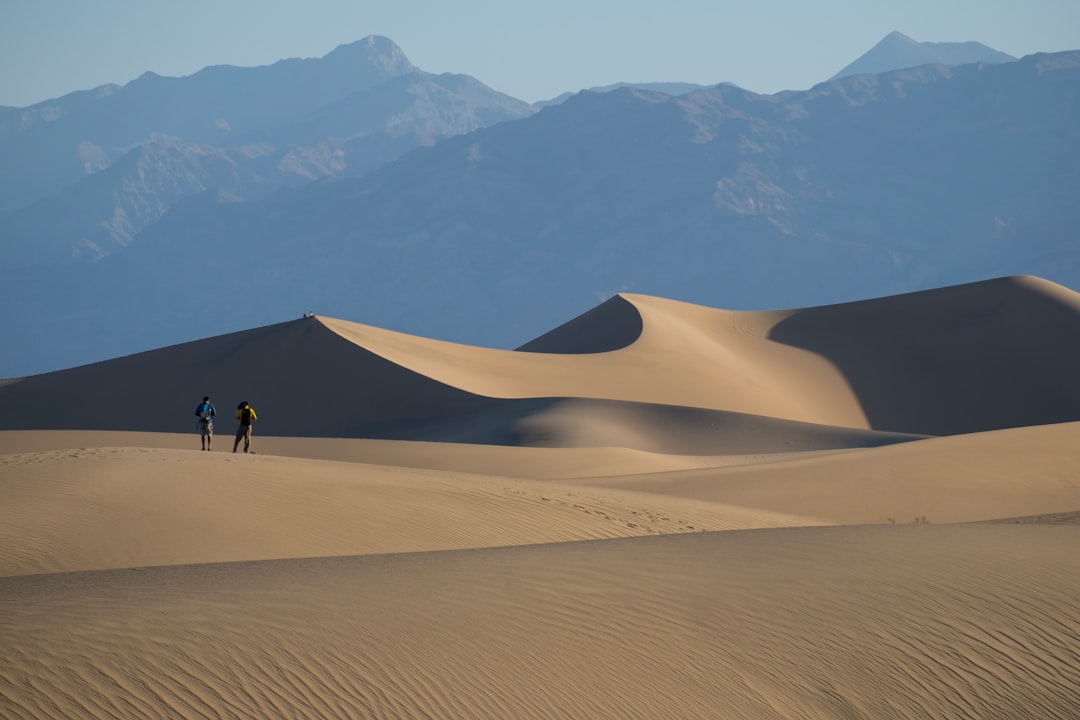
The hottest place on Earth becomes the ideal desert experience in winter. Temperatures in the 60s and 70s allow hiking that would be suicidal in summer. Zabriskie Point at sunrise, Badwater Basin at noon, Mesquite Flat Dunes at sunset. If the rains cooperate, wildflowers may already be starting. This is when Death Valley lives up to its strange beauty.
- 6.
 97
97Kaloko-Honokohau
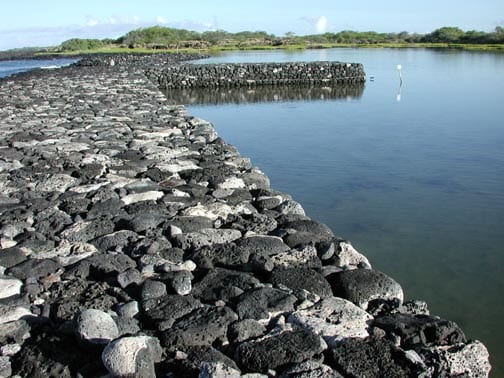
Ancient Hawaiian fishponds and petroglyphs on the Kona Coast, with sea turtles hauling out on the beaches and spinner dolphins in the harbor. Winter means warm water, calm conditions, and humpback whales breaching offshore. The history is meaningful, the snorkeling excellent, and the Big Island sun reliable.
Explore:Park Profile - 5.
 98
98Dry Tortugas
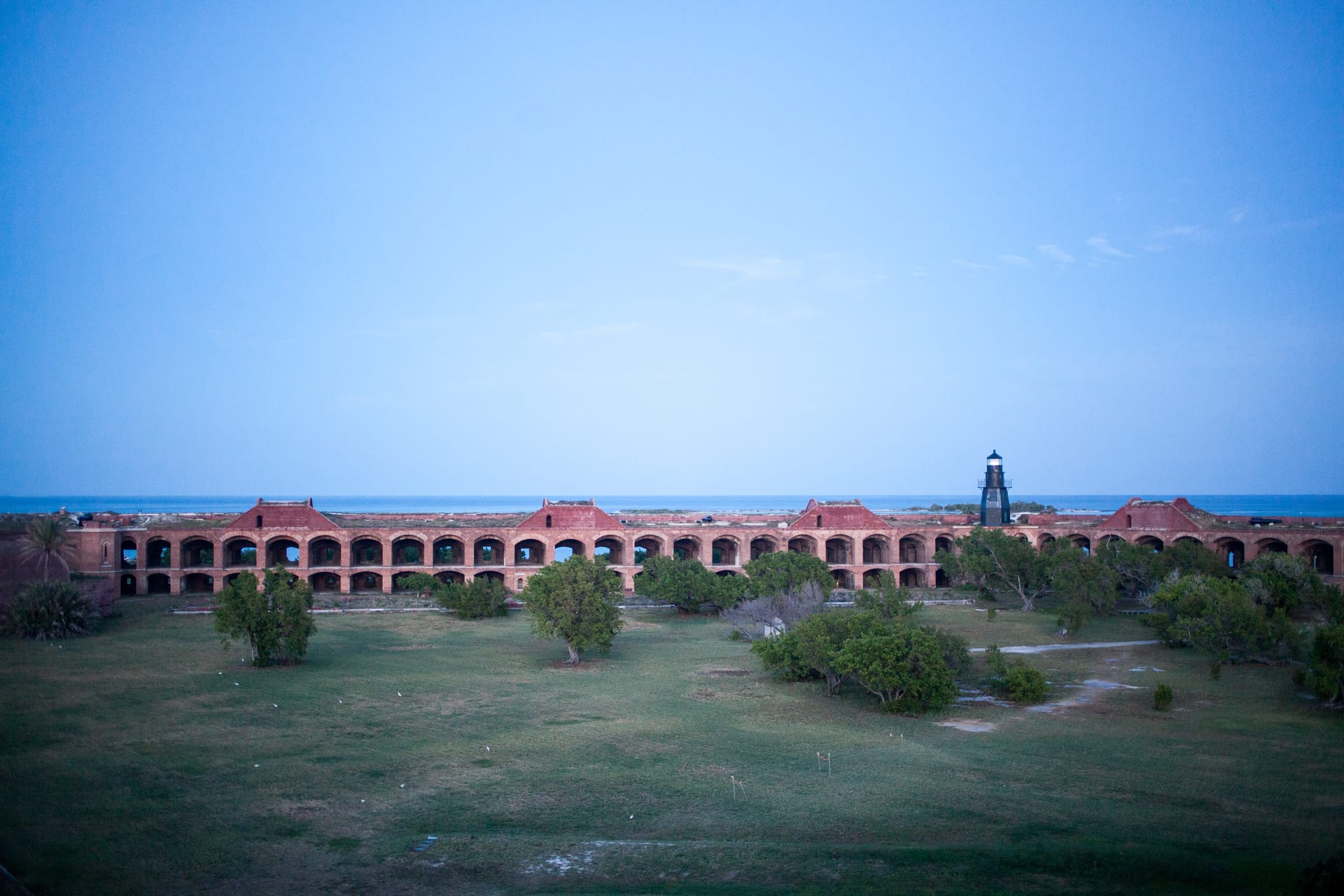
Seventy miles west of Key West, Fort Jefferson rises from waters that stay warm all winter. The snorkeling is world-class, the isolation is complete, and the ferry ride passes through seas that are calmest in winter months. Camp inside the moat walls of a Civil War-era fort, watch the sunset over the Gulf, and forget what ice feels like.
Explore:Park Profile - 4.
 98
98Highlight’s Favorite: Canaveral
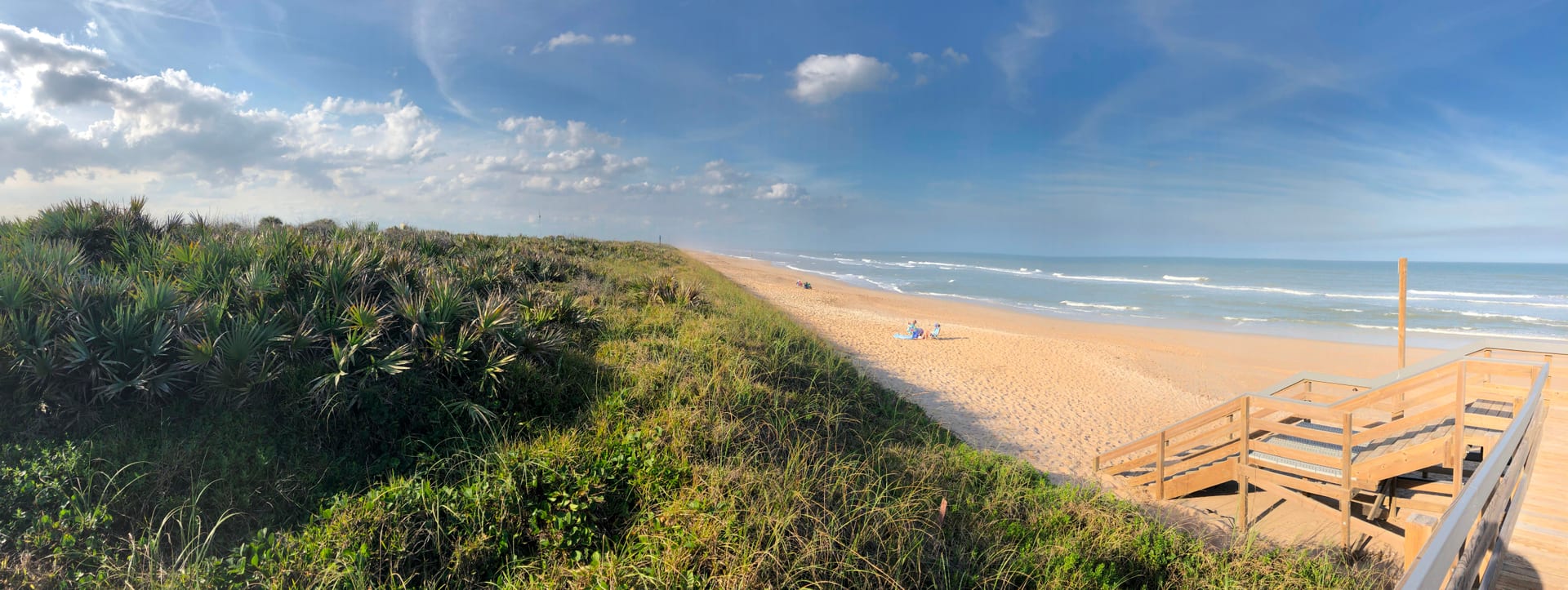
Canaveral scores fourth on this list, and it’s our favorite for escaping winter.
Twenty-four miles of undeveloped Atlantic beach on Florida’s Space Coast, with warm winter swimming, nesting sea turtles, and an occasional rocket launch visible from the shore. Playalinda Beach stretches empty in both directions. Kennedy Space Center sits just beyond the park boundary, which means your winter escape might include watching a Falcon 9 climb through a blue sky while you’re standing barefoot on the sand.
Hawaii and the Everglades rank higher, and they should. But Canaveral offers something no other winter escape park does: the intersection of undeveloped coastline and active spaceflight. The 24 miles of beach remain one of the longest undeveloped stretches on Florida’s Atlantic coast. Most people headed to Florida in winter end up in Miami or the Keys. Canaveral is the park that exists because nobody built on it, and that emptiness is the draw.
Explore:Park Profile - 3.
 99
99Everglades
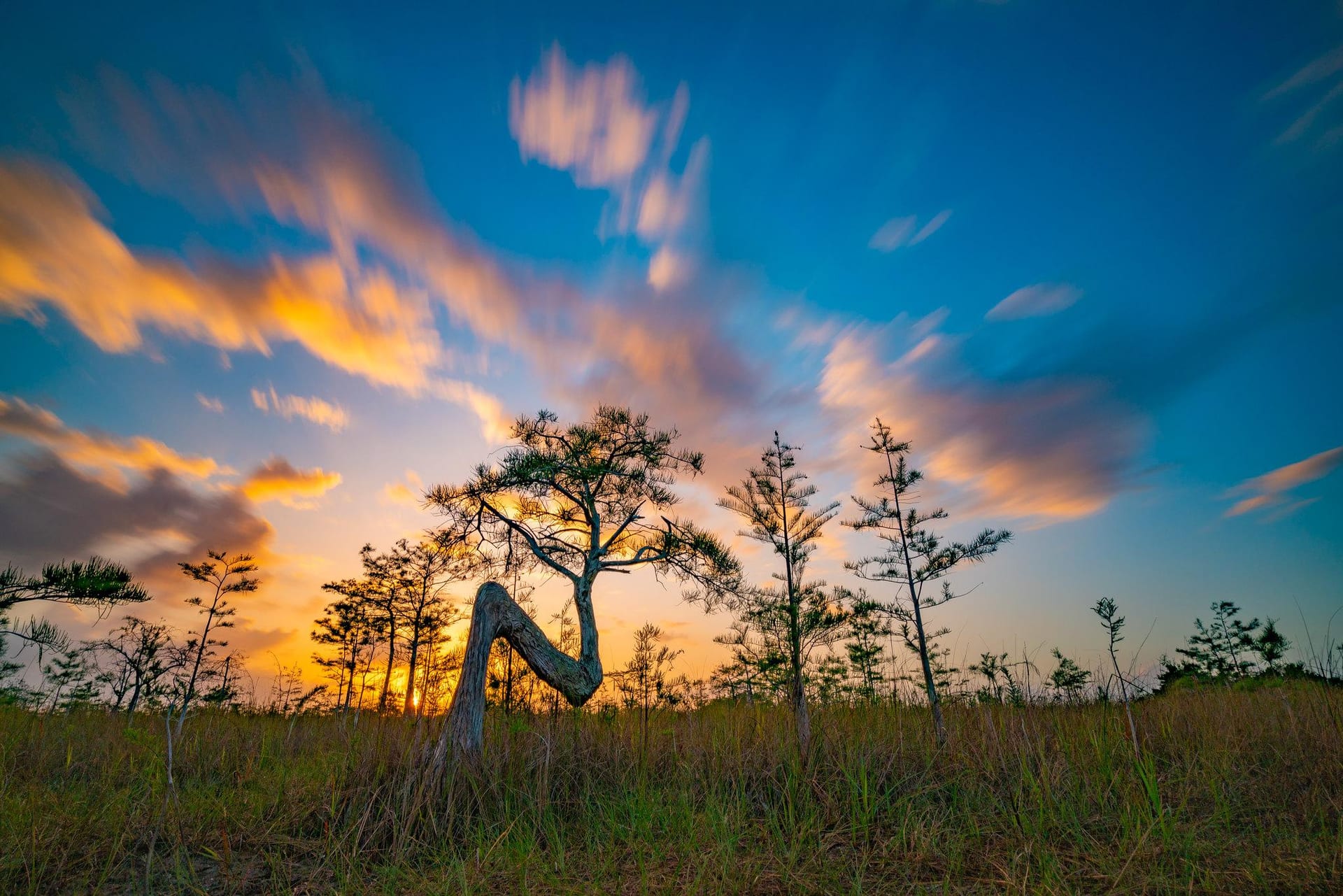
The dry season is the best season in the Everglades. Water concentrates in the sloughs, bringing alligators, wading birds, and wildlife viewing that's impossible in the flooded summer months. Mosquitoes drop to tolerable levels. Temperatures hover in the 70s. This is when the Everglades becomes the accessible wilderness it's capable of being.
- 2.
 99
99Biscayne
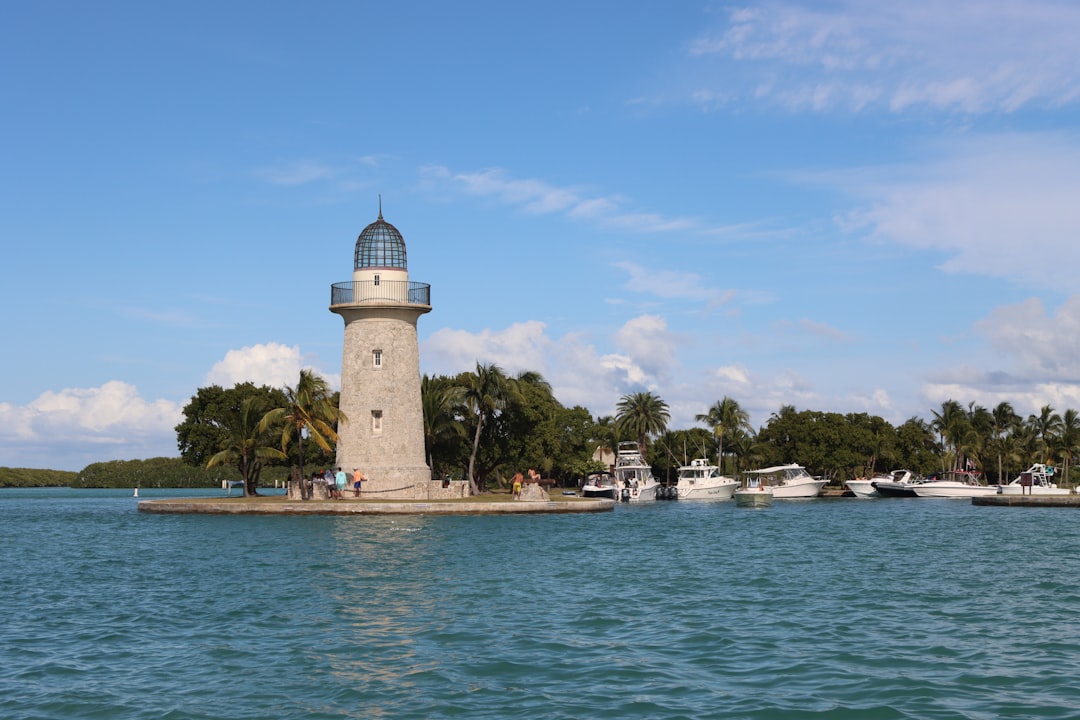
Ninety-five percent underwater, Biscayne protects the northernmost Florida Keys and some of the clearest water in the continental United States. Winter is prime season: calm seas for snorkeling, comfortable temperatures for paddling, and manatees gathering in the warmer waters. Miami is 30 minutes away. The reef is 30 minutes beyond.
Explore:Park Profile - 1.
 100
100Pu'uhonua O Honaunau
Hawaii's Place of Refuge sits on the Big Island's Kona Coast, where winter means 80 degrees and calm seas. The historic site preserves the stone walls and carved wooden figures of a sanctuary where lawbreakers could find forgiveness. Snorkel the adjacent bay, walk the Royal Grounds, feel the trade winds. This is what escaping winter actually looks like.
Explore:Park Profile
185 parks scored on 85 criteria
Discover your perfect park
Find a destination that matches how you actually want to travel.
Get Started