- 10.
 95
95Big Cypress
- 9.
 96
96Sitka
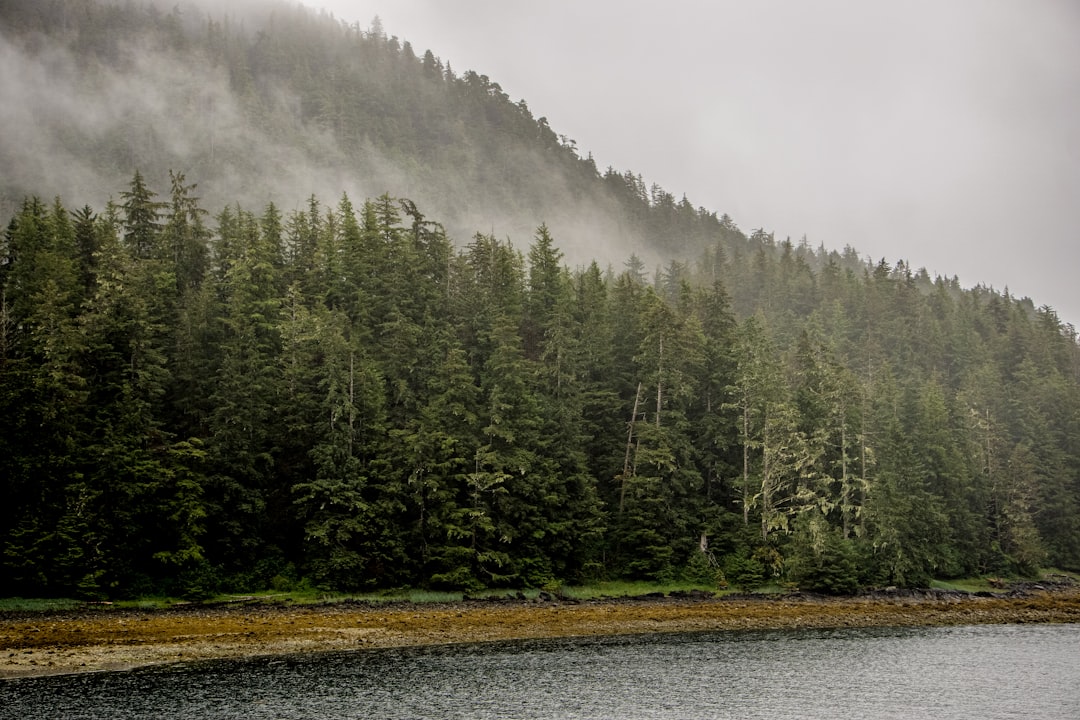
Southeast Alaska's totem pole forest exists because 147 inches of rain per year keep the temperate rainforest thriving. Sitka spruce and western hemlock tower over carved figures of Tlingit and Haida heritage, all dripping with moisture on 365 days that see at least some precipitation. The park sits at the intersection of Alaska Native culture and Russian colonial history, preserved in a landscape that rarely dries out.
Explore:Park Profile - 8.
 96
96Highlight’s Favorite: Lewis and Clark
Lewis and Clark scores tenth on this list, and it’s our favorite rainy park.
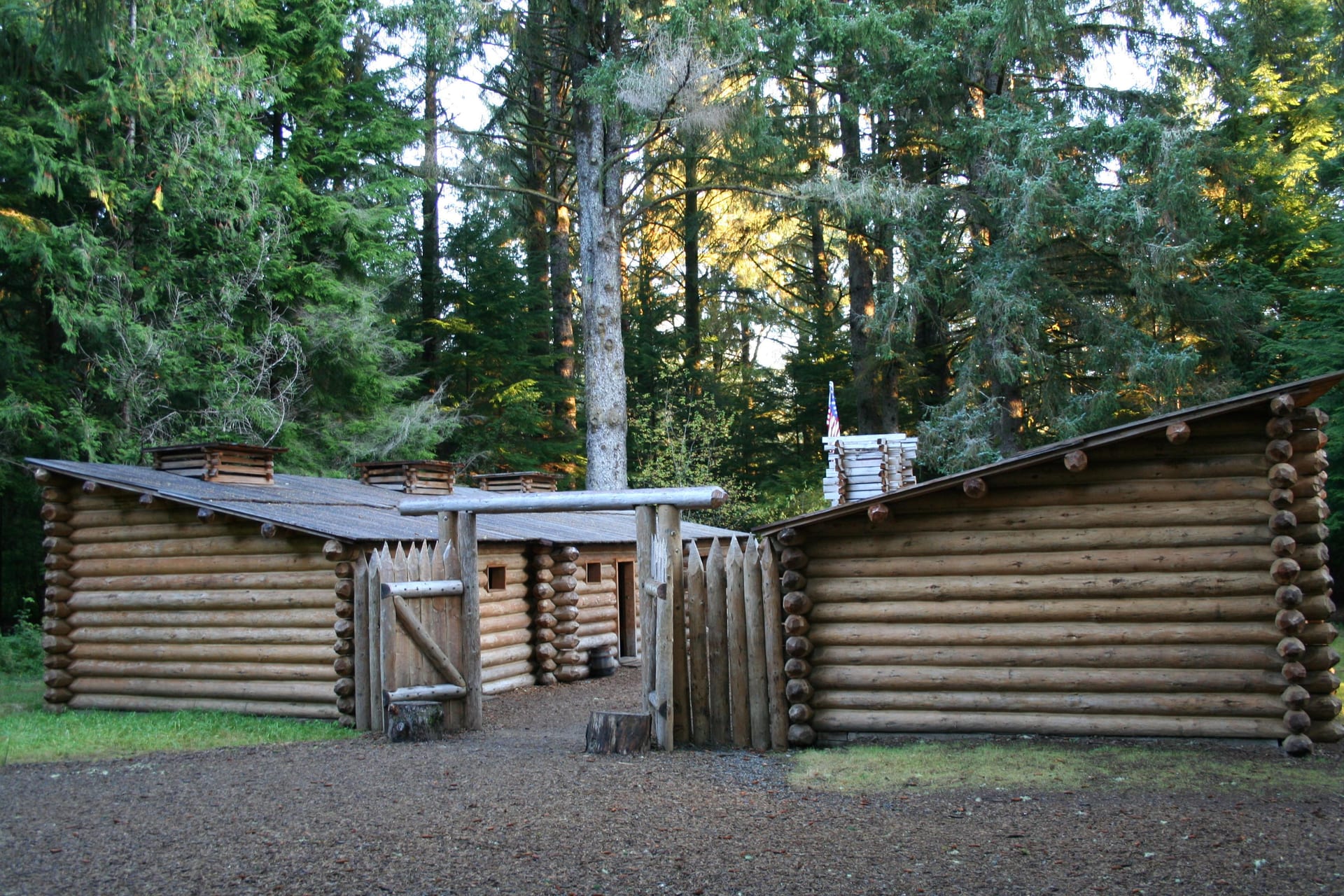
The Corps of Discovery spent the winter of 1805-1806 here at the mouth of the Columbia River, and their journals make the misery plain. It rained almost constantly. Clark recorded that they experienced only 12 days without rain during their entire winter stay. The Oregon coast hasn’t changed: 72 inches of annual precipitation and 205 rainy days per year.
Fort Clatsop is a reconstruction of the winter camp, and the park stretches across both sides of the river from Astoria’s waterfront to the coastal headlands. The rain is the historical context. Experiencing it is as close as you can get to understanding what the expedition endured at the end of a 4,000-mile journey. Alaska and Hawaii parks rank higher for raw volume. Lewis and Clark ranks here because the rain is the story, and Astoria has Dungeness crab and dry restaurants waiting when you’ve had enough of it.
Explore:Park Profile - 7.
 97
97Kenai Fjords
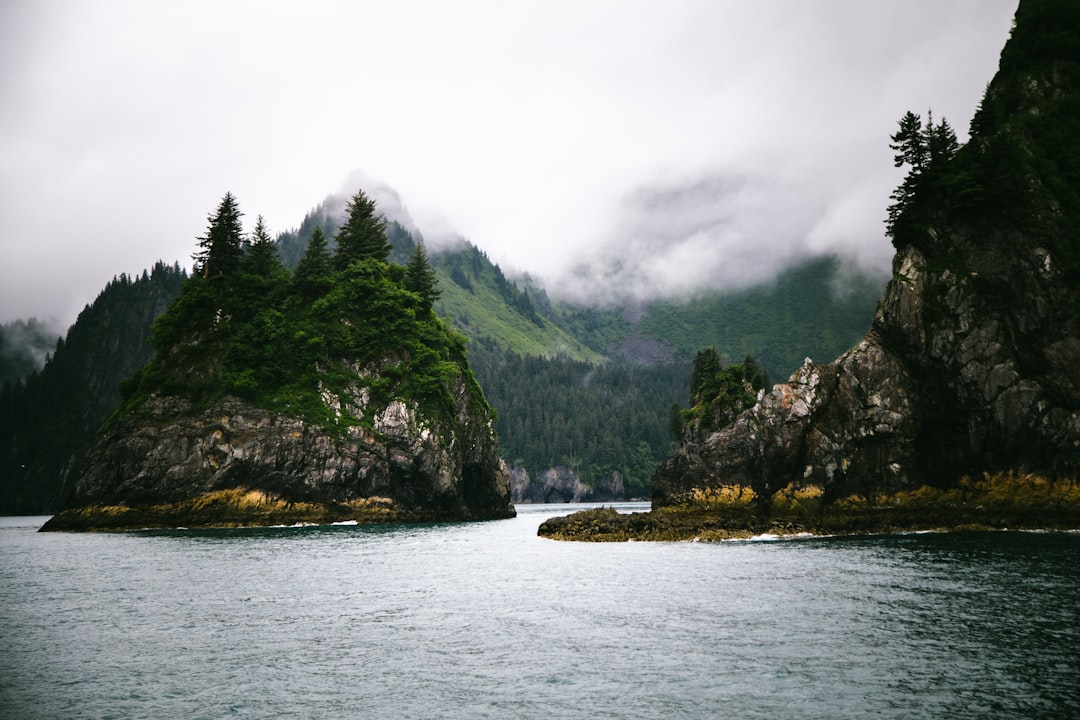
Where the Harding Icefield meets the Gulf of Alaska, 162 inches of precipitation per year feed some of the most active glaciers in America. Rain at sea level, snow on the ice, and fog filling the fjords: moisture defines every visit. The park averages 200 rainy days per year. Exit Glacier is the most accessible point, but most of the park requires boat access through weather that changes by the hour.
Explore:Park Profile - 6.
 97
97American Samoa
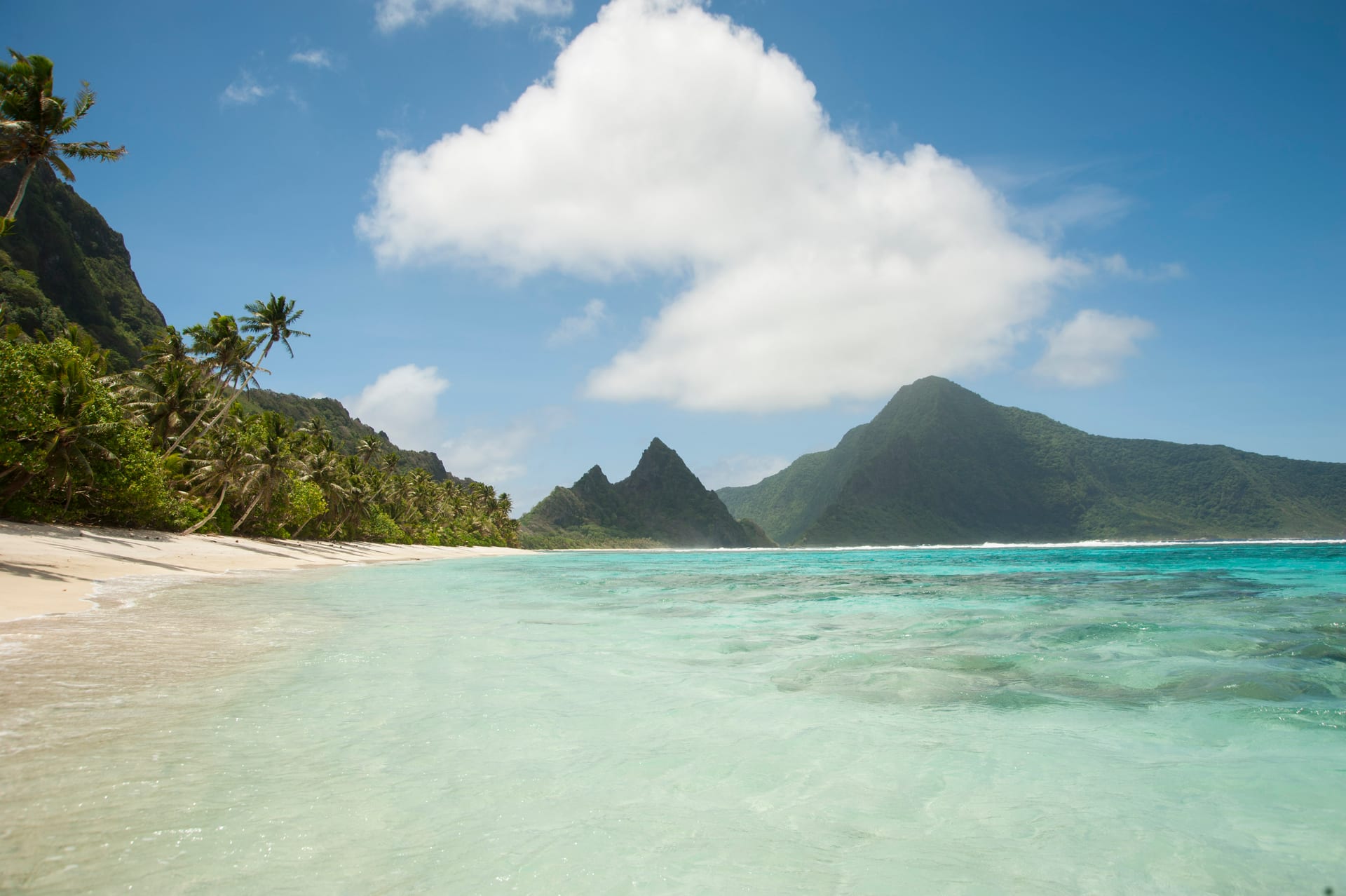
Tropical Pacific rainforest averaging 109 inches of rain per year across three volcanic islands. Rain falls on 220 days annually, feeding the lush vegetation that cloaks every slope. The park protects some of the most remote and least-visited land in the system, accessible by flights to Pago Pago and then local transport to trailheads that disappear into wet jungle.
Explore:Park Profile - 5.
 98
98North Cascades
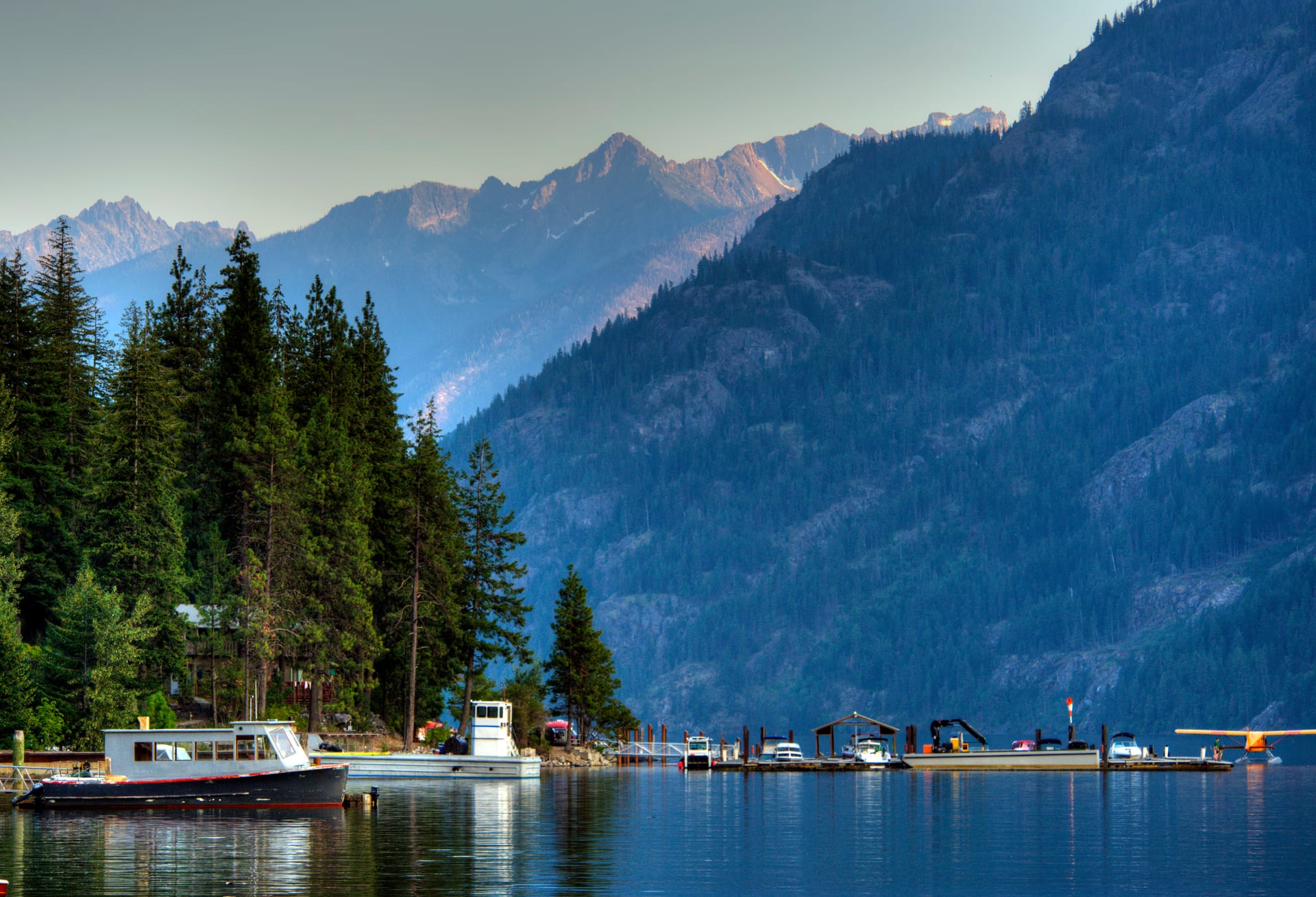
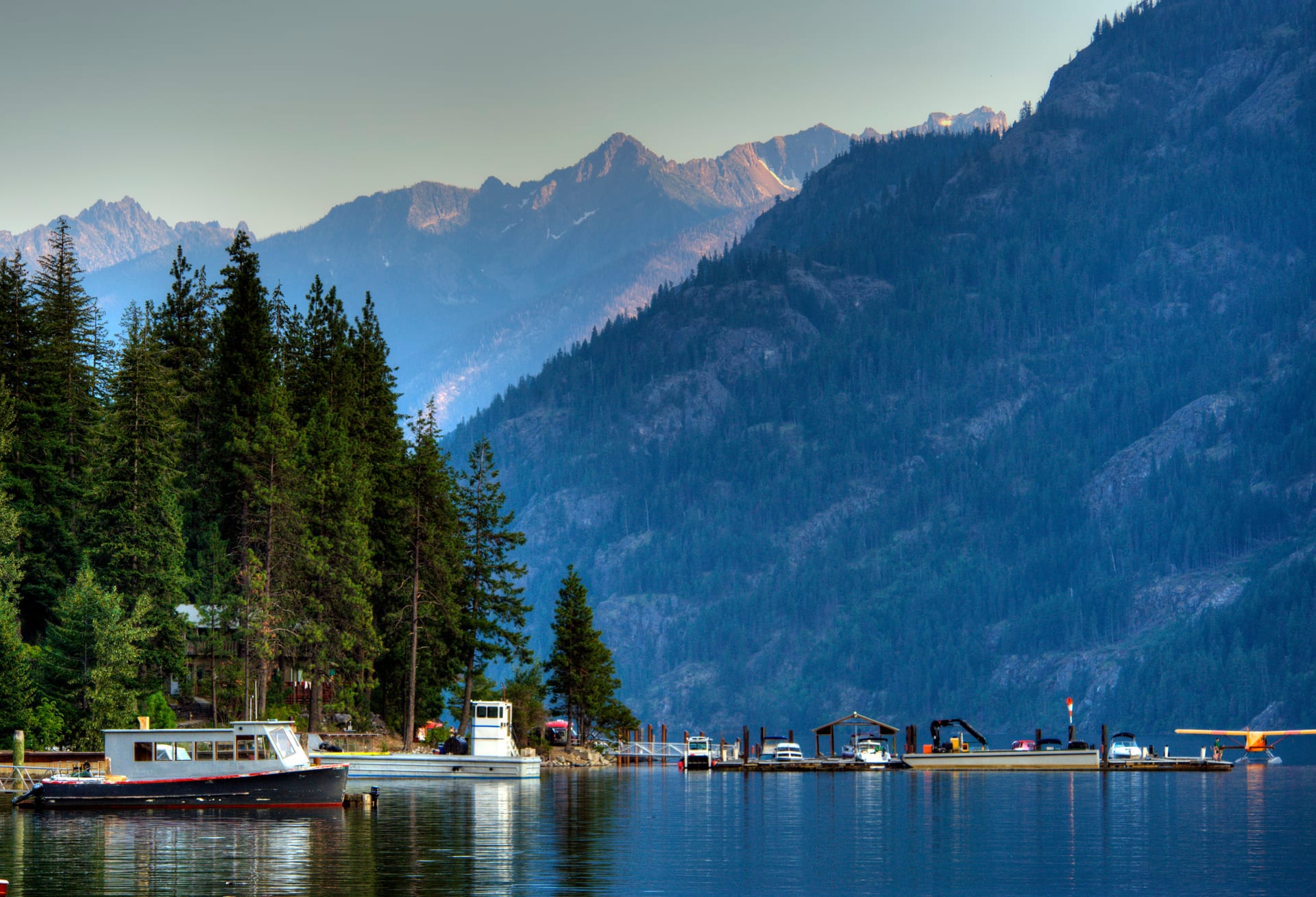
The North American Alps receive 79 inches of precipitation per year, feeding over 300 glaciers in a relatively compact area. Rain at lower elevations, snow above, and clouds filling valleys: the park stays wet enough to support temperate rainforest on its western slopes. The highway through the park closes in winter under snow that can exceed 20 feet.
- 4.
 98
98North Cascades
Explore:Park Profile - 3.
 99
99Glacier Bay
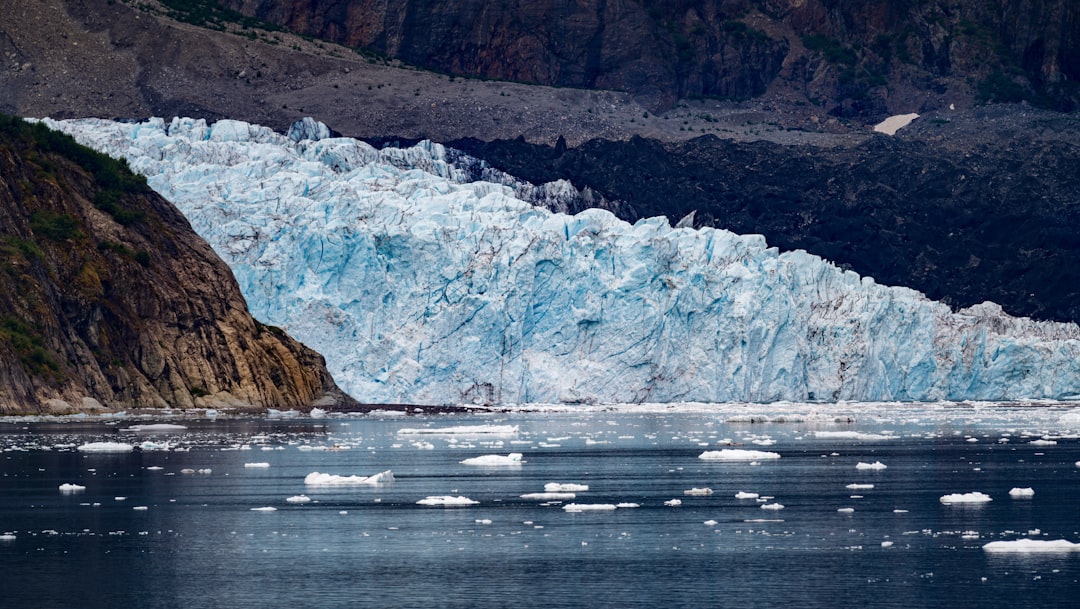
The wettest park in the system at 187 inches of precipitation per year, nearly 16 feet. Tidewater glaciers calve into fjords fed by this constant moisture, and the temperate rainforest clings to every surface not covered in ice. Rain falls or snow blankets some part of the park almost every day. The landscape exists because of the water that created it and continues to shape it.
Explore:Park Profile - 2.
 100
100Mount Rainier
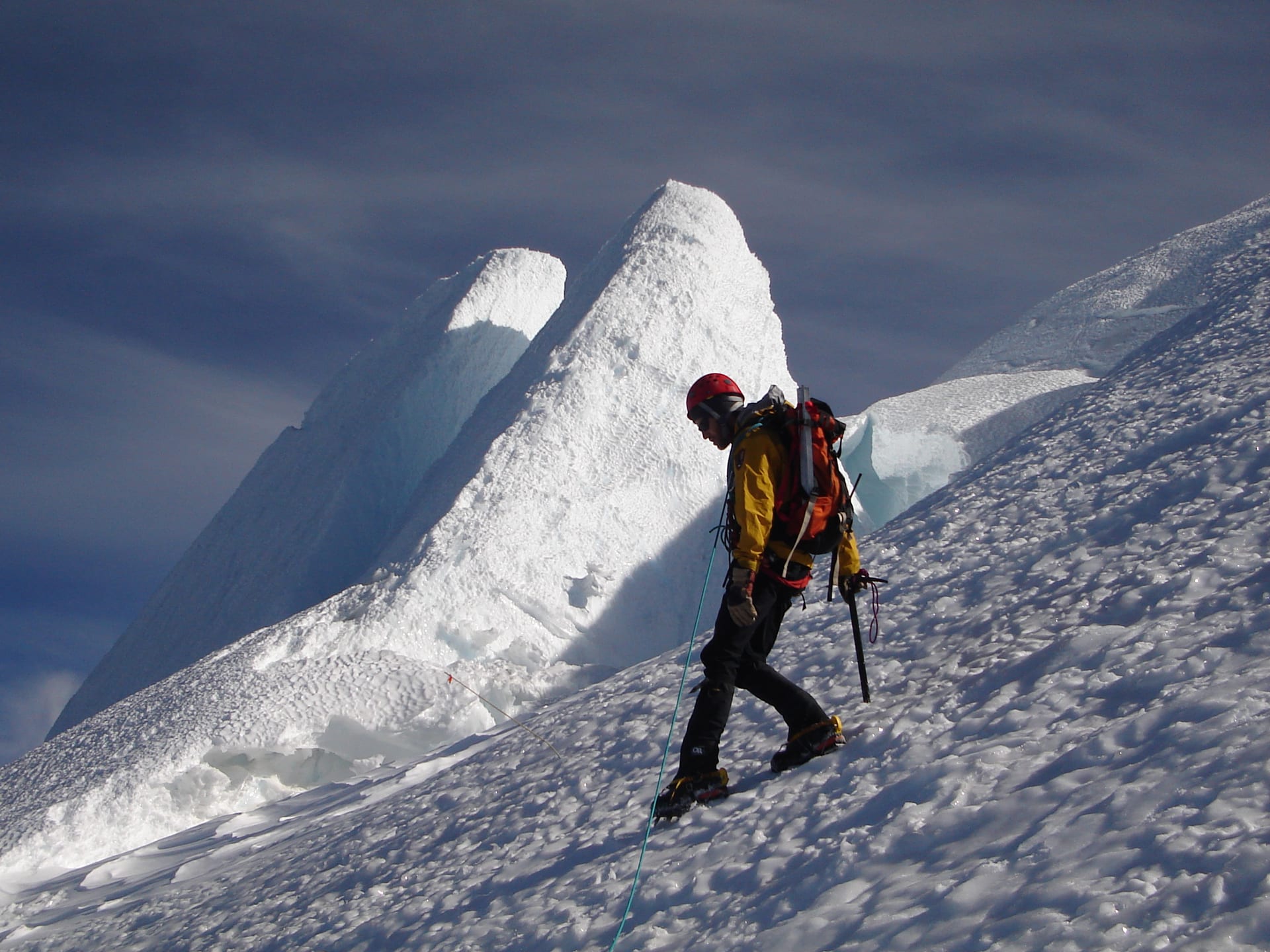
Paradise is aptly named only if you appreciate rain. The park's most popular area receives 112 inches of precipitation per year, most of it falling as snow that can bury buildings to their rooflines. Summer brings wildflower meadows; the rest of the year brings weather. The mountain creates its own climate, wringing moisture from Pacific storms before they reach the east side of the Cascades.
- 1.
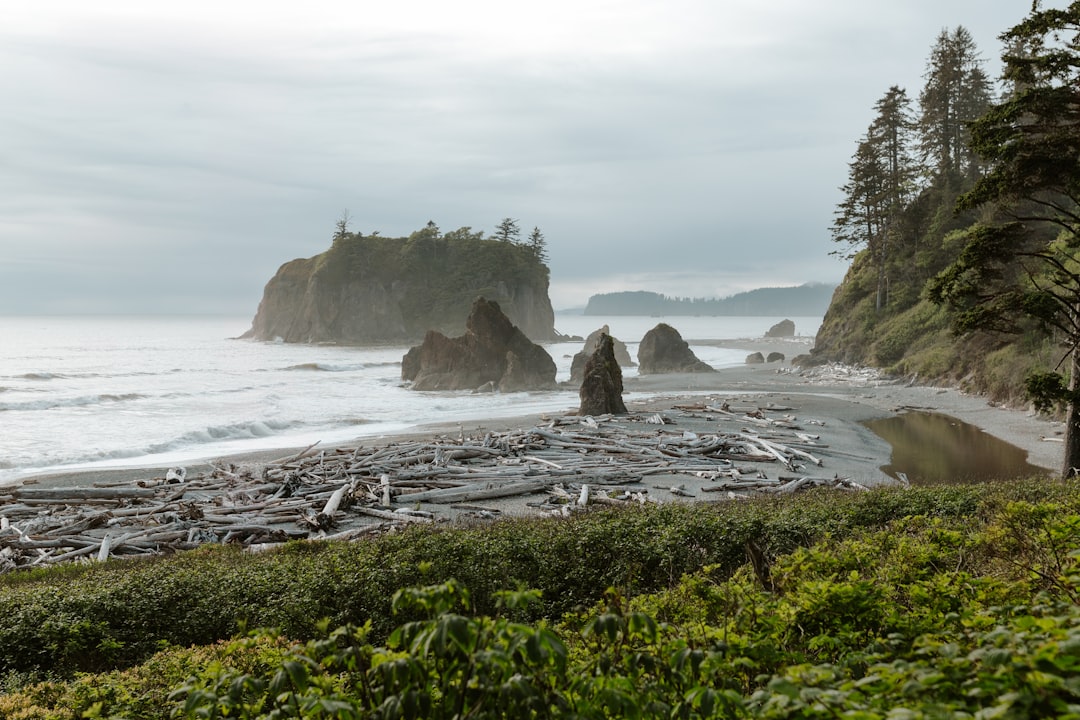 100
100Olympic
The Hoh Rain Forest receives 96 inches of annual precipitation, but nearby valleys get even more. Moss drapes every surface, nurse logs sprout new generations of Sitka spruce, and Roosevelt elk browse through fern-carpeted glades. The park sees 225 rainy days per year. The Olympic Peninsula catches Pacific moisture before it crosses to the rain shadow of Puget Sound.
185 parks scored on 85 criteria
Discover your perfect park
Find a destination that matches how you actually want to travel.
Get Started