- 10.
 95
95Mount Rainier
- 9.
 96
96Olympic
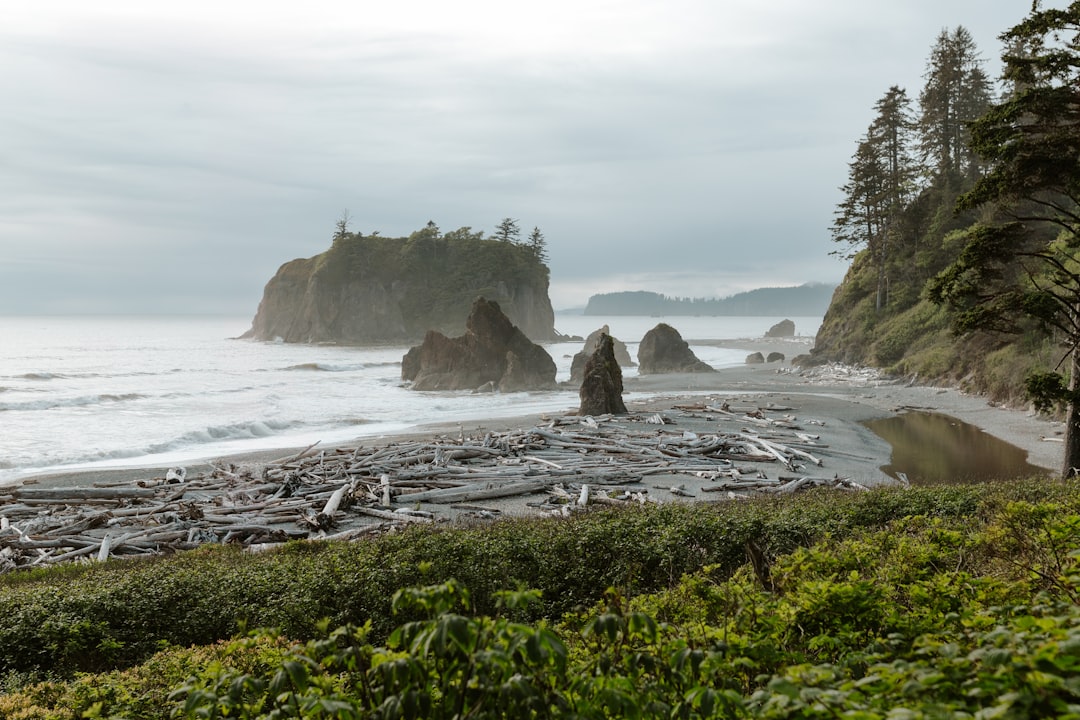
The Hoh Rain Forest drips with new growth, waterfalls run at their highest, and the lower elevation trails open before Hurricane Ridge. Spring on the Olympic Peninsula means rain, but it means green: the most green you'll see anywhere in the continental United States. The coast sections are passable, the temperate rainforest is lush, and the crowds haven't arrived.
- 8.
 96
96Yosemite
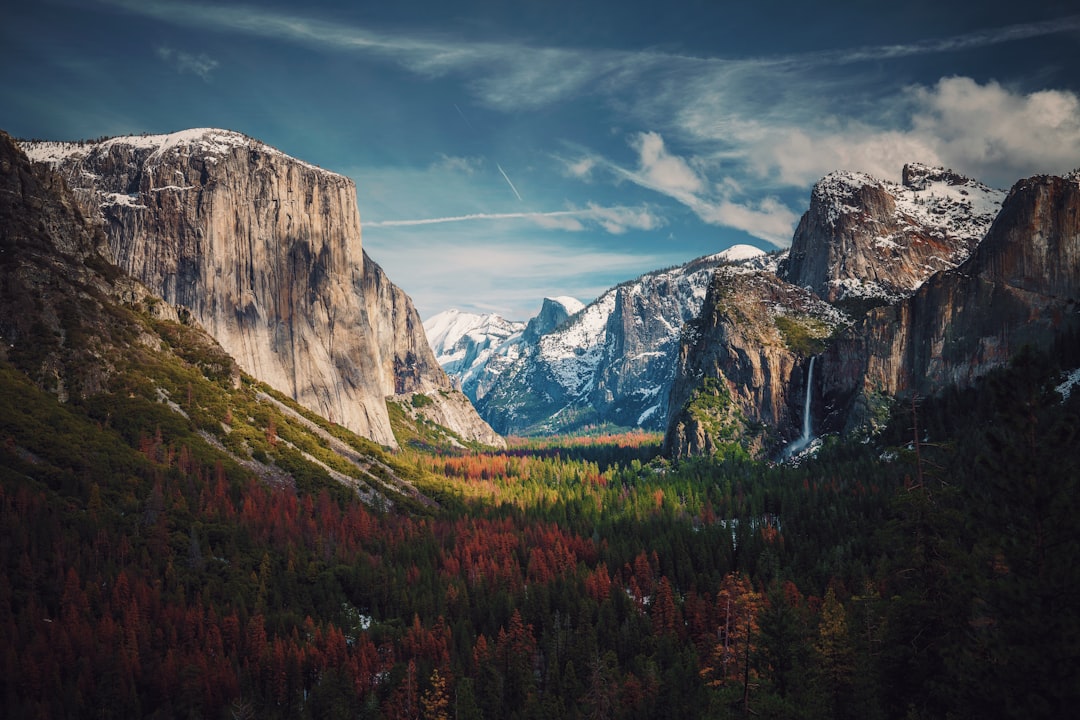
Yosemite Falls hits peak flow in May, thundering 2,425 feet in a display that dries to a trickle by August. The Merced River runs high, the dogwoods bloom white against granite walls, and the Valley floor greens up before the summer brown. Tioga Road remains closed, concentrating visitors in the Valley, but the waterfalls make it worth the company.
- 7.
 97
97Death Valley
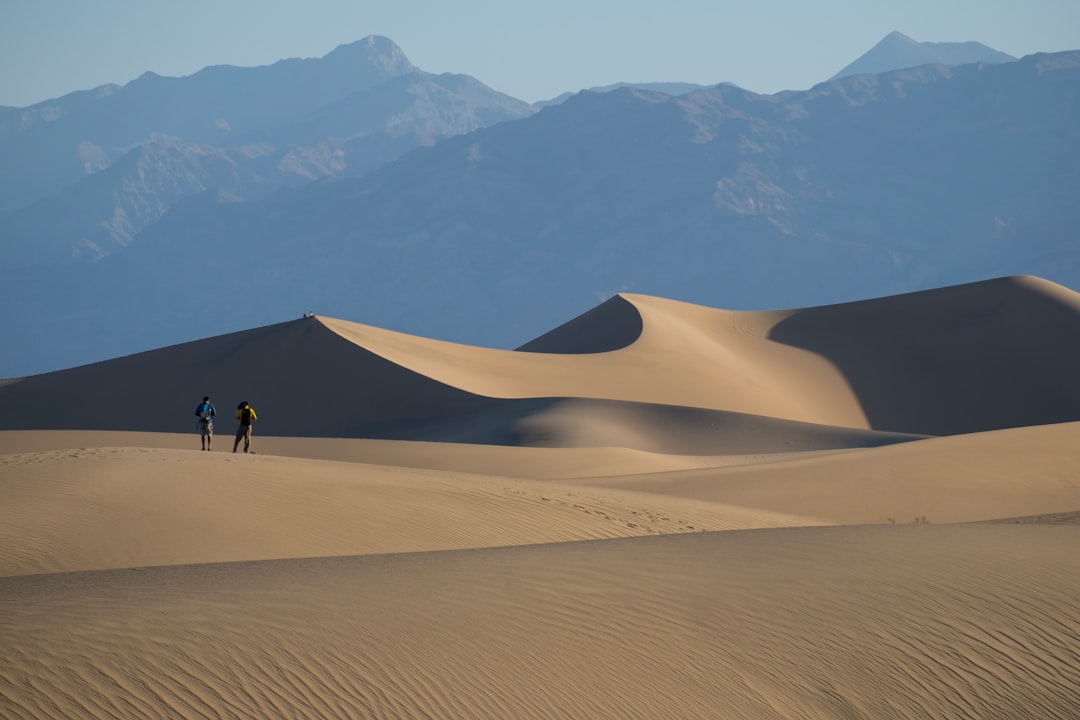
The hottest place on Earth becomes briefly hospitable in spring. If winter rains were good, the valley floor erupts in a superbloom that draws photographers from around the world. Temperatures in the 80s and 90s allow hiking that would be dangerous by June. The salt flats at Badwater shimmer. The dunes at Mesquite Flat cool enough to climb. Spring is the window.
- 6.
 97
97Big Bend
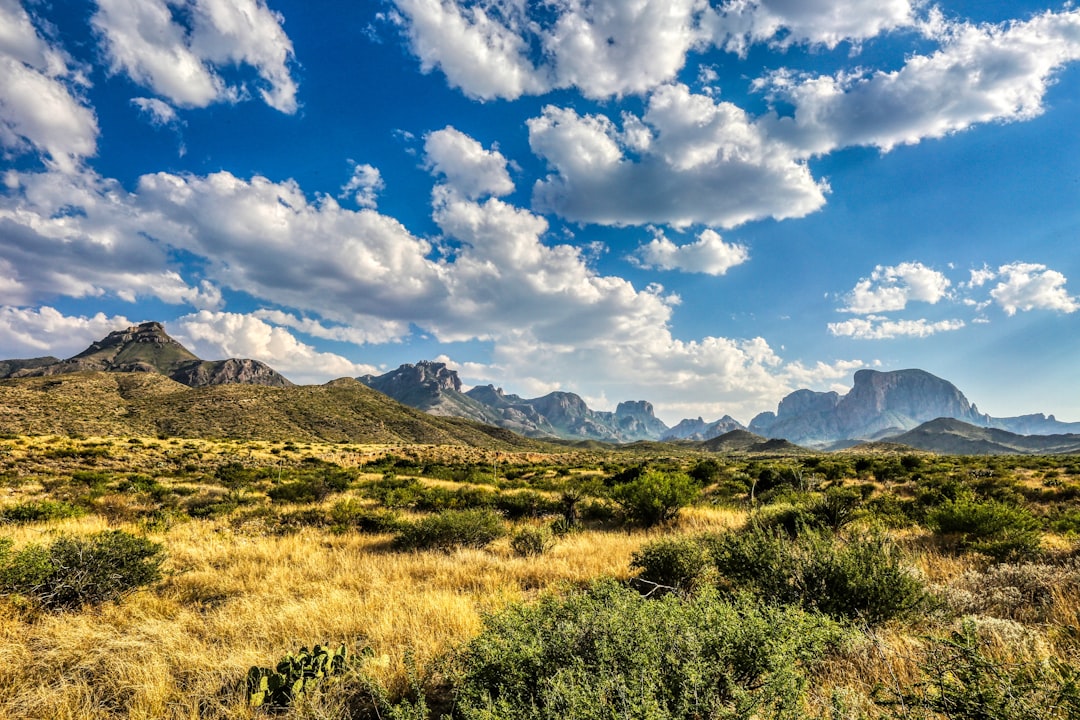
The Chihuahuan Desert warms slowly, and spring brings the sweet spot: bluebonnets in the lowlands, comfortable temperatures in the Chisos Basin, Rio Grande rafting with reliable water levels. The heat that makes Big Bend brutal in summer hasn't arrived. The crowds that fill the Smokies and Yosemite haven't found their way here. Isolation and wildflowers.
- 5.
 98
98Channel Islands
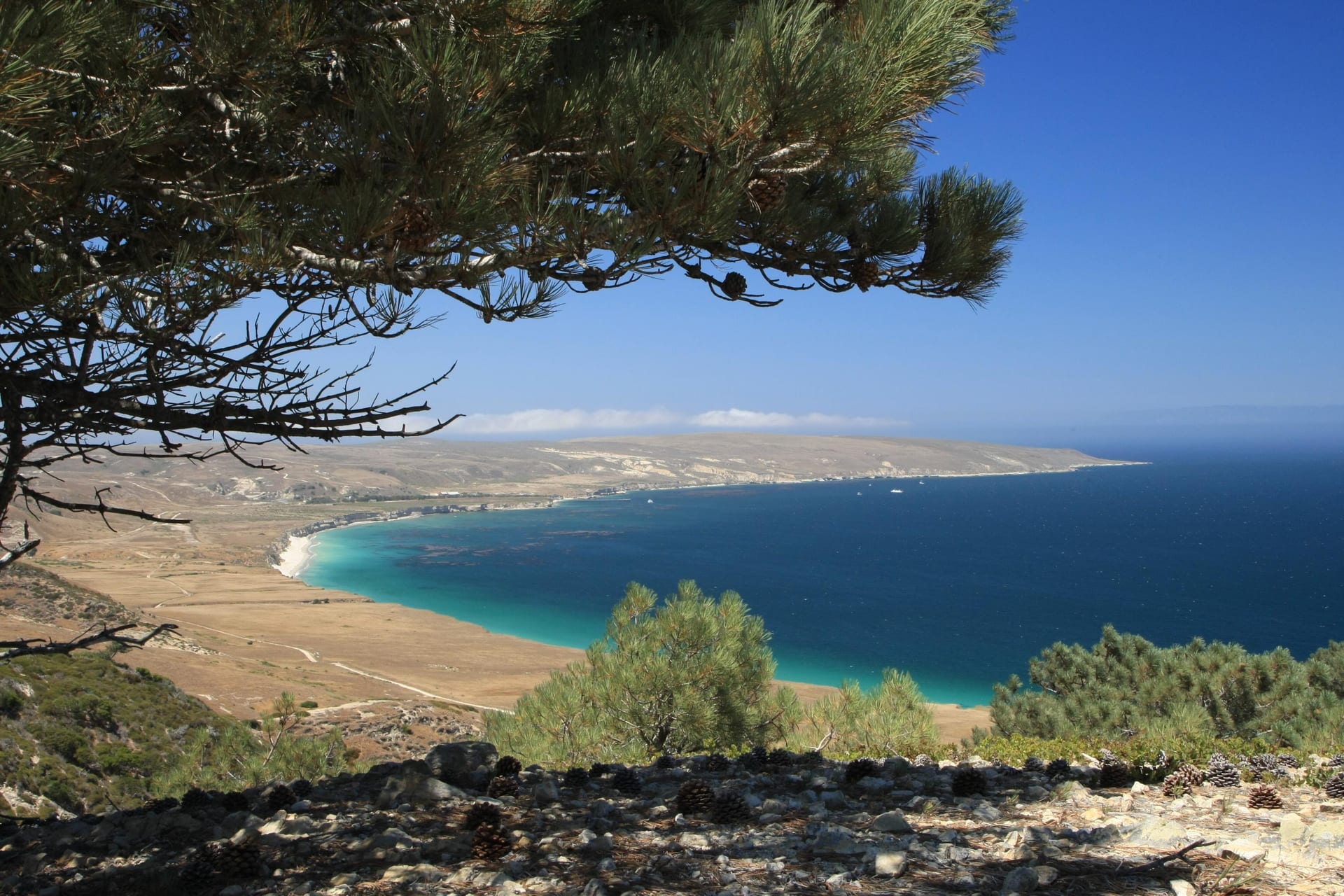
Gray whales migrate past in spring, and the island foxes emerge from winter dormancy. Santa Cruz Island's wildflower bloom turns the hillsides yellow and purple. The crossing from Ventura is calmer than winter, rougher than summer, but spring offers the best chance to see marine life and wildflowers together. Pack layers; the islands are windier than the mainland.
Explore:Park Profile - 4.
 98
98Joshua Tree
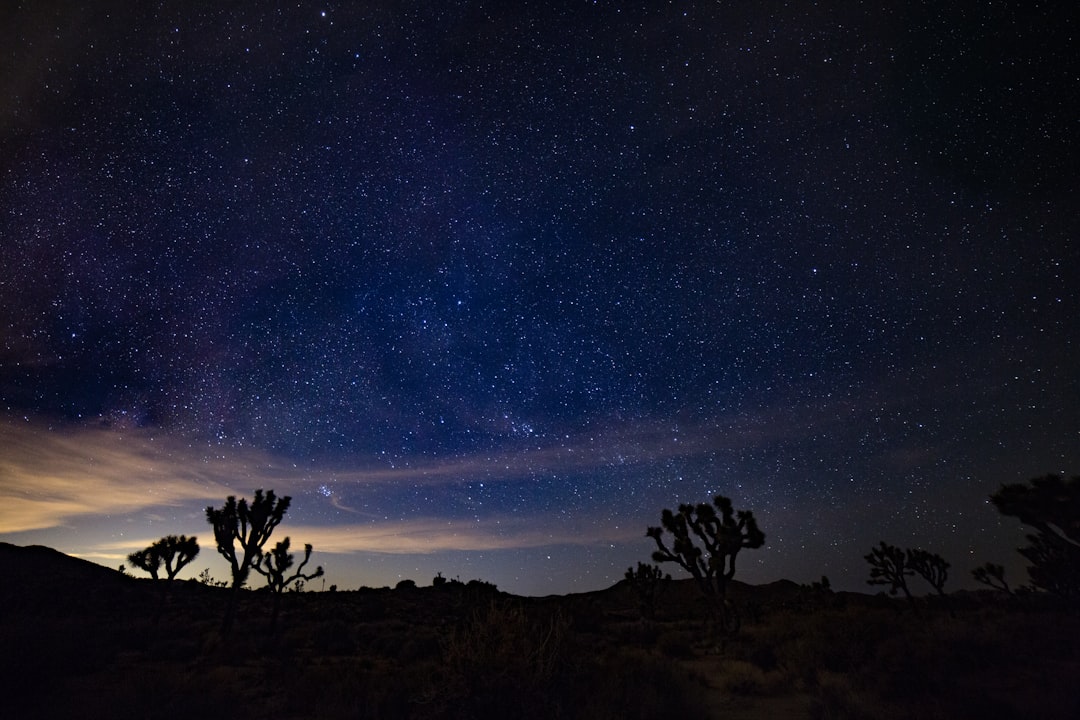
Spring breaks the desert's quiet with blooming Joshua trees, wildflowers across the bajadas, and temperatures that allow all-day hiking. The park sits between two deserts, Mojave and Colorado, each with its own bloom timing. Rock climbers fill Hidden Valley on spring weekends. The stargazing remains excellent. This is when Joshua Tree becomes the park everyone photographs.
- 3.
 99
99Saguaro
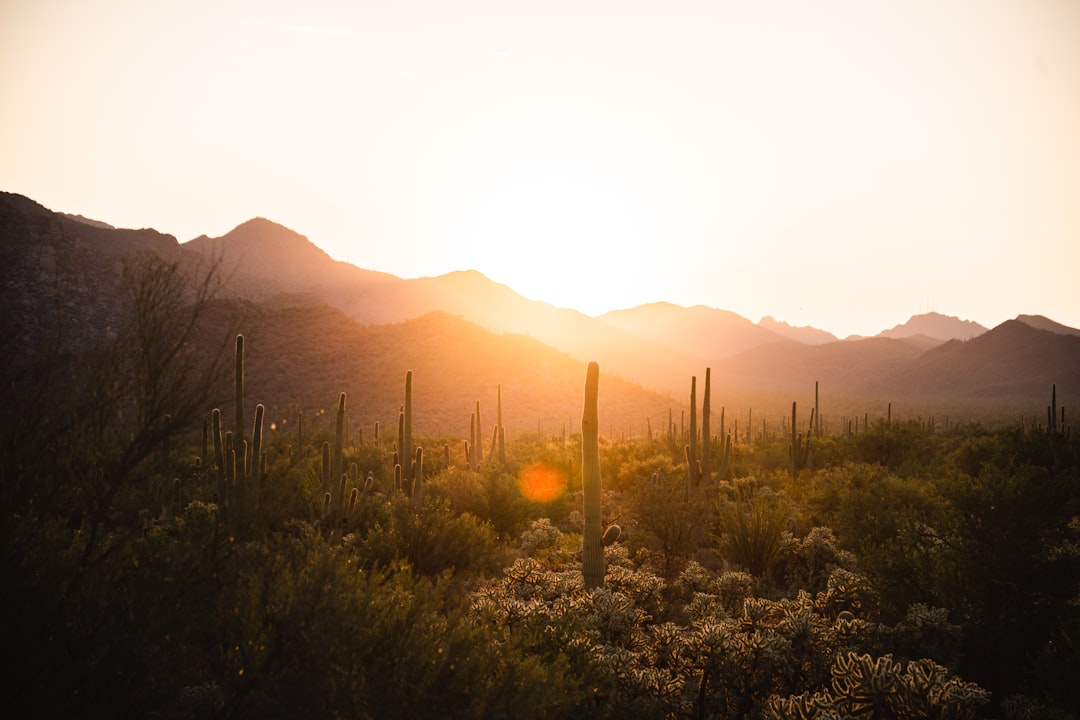
The Sonoran Desert blooms in spring, with saguaros flowering white at their crowns and prickly pears showing yellow and red. Temperatures hover in the 80s, comfortable for hiking before the brutal summer. The desert floor erupts with poppies, lupines, and brittlebush after a wet winter. By May the heat builds; March and April are the window.
- 2.
 99
99Highlight’s Favorite: Organ Pipe Cactus
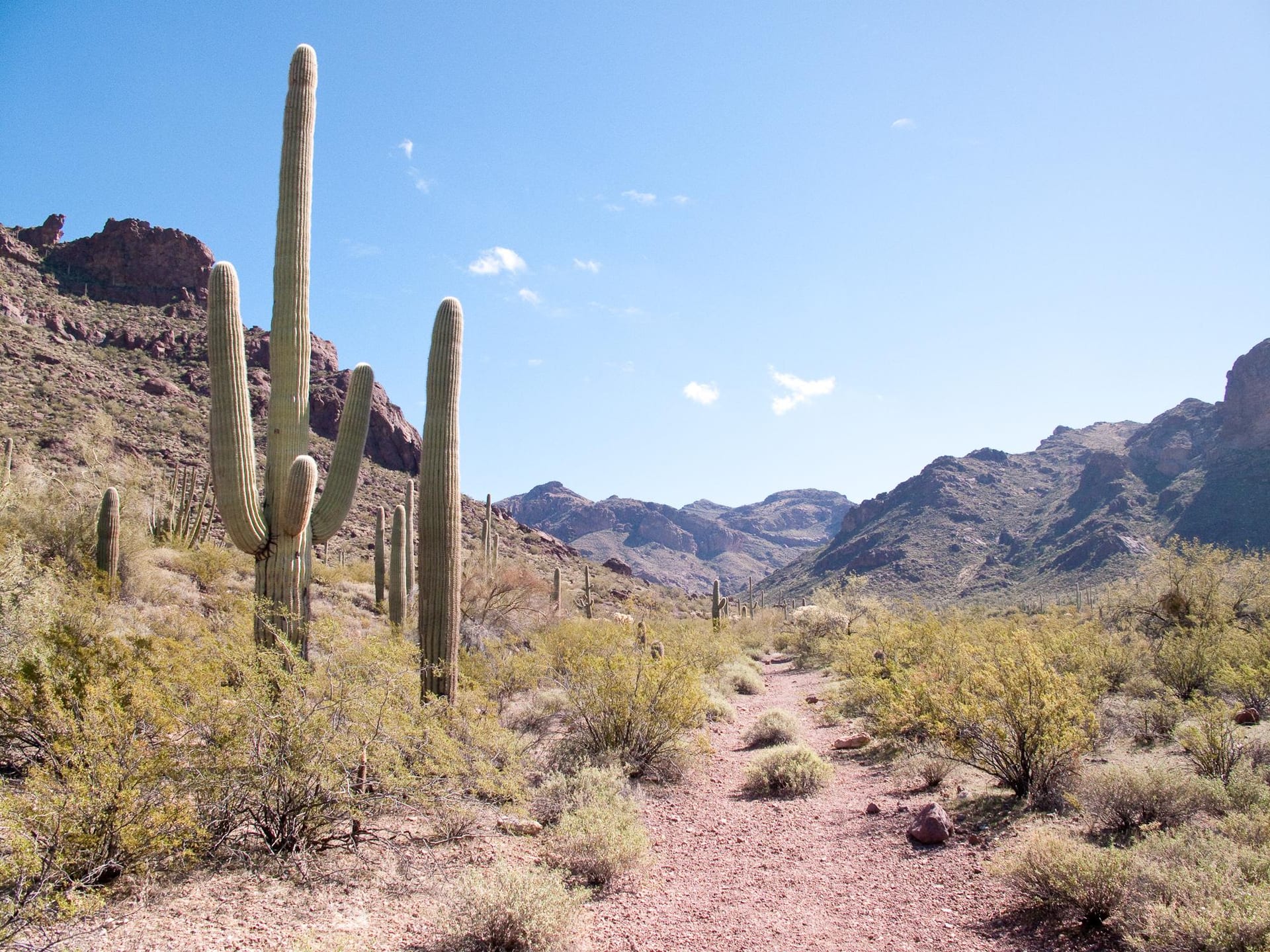
Organ Pipe Cactus scores third on this list, and it’s our favorite for spring.
The Sonoran Desert along the Mexican border can produce one of the best wildflower displays in the Southwest when winter rains cooperate. The surrounding desert erupts with color as early as February. The namesake organ pipe cactus blooms at night in May, white flowers opening after dark and closing by morning. Spring temperatures make the 21-mile Ajo Mountain Drive pleasant rather than punishing.
Organ Pipe sits at the far southern edge of Arizona, remote and uncrowded in any season. Spring is when it earns its keep. The monument protects one of the most drought-adapted ecosystems in North America, and the brief window when that ecosystem flowers is worth the drive. Great Smoky Mountains and Yosemite rank higher on this list because their spring spectacles are more reliable. Organ Pipe’s is more dramatic when it hits.
Explore:Park Profile - 1.
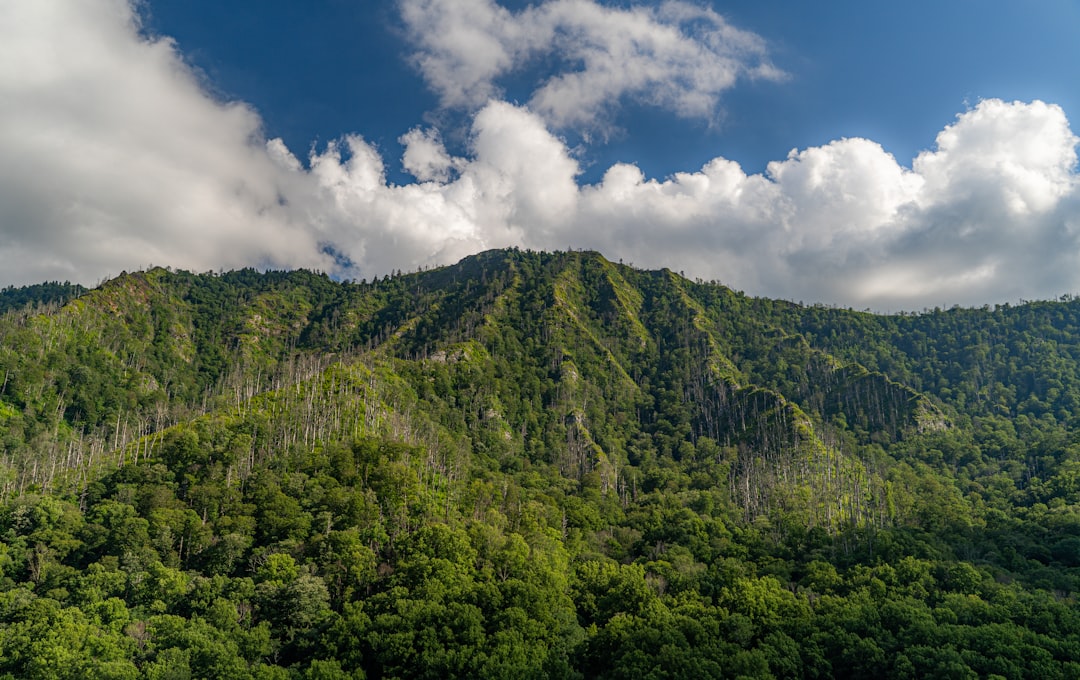 100
100Great Smoky Mountains
Spring arrives in layers in the Smokies, climbing the mountains over weeks as temperatures warm. Wildflowers carpet the forest floor before the canopy leafs out: trillium, lady's slipper, fire pink. The synchronous fireflies of Elkmont draw lottery winners in late May. Waterfalls run high with snowmelt. This is the most visited national park for good reason, and spring is when it earns that reputation.
185 parks scored on 85 criteria
Discover your perfect park
Find a destination that matches how you actually want to travel.
Get Started