- 10.
 1
1Bering Land Bridge
The Seward Peninsula in western Alaska, across the Bering Strait from Russia. Nome provides minimal infrastructure, but the preserve itself has essentially no coverage. This is tundra that has looked the same for millennia.
Explore:Park Profile - 9.
 0
0Dry Tortugas
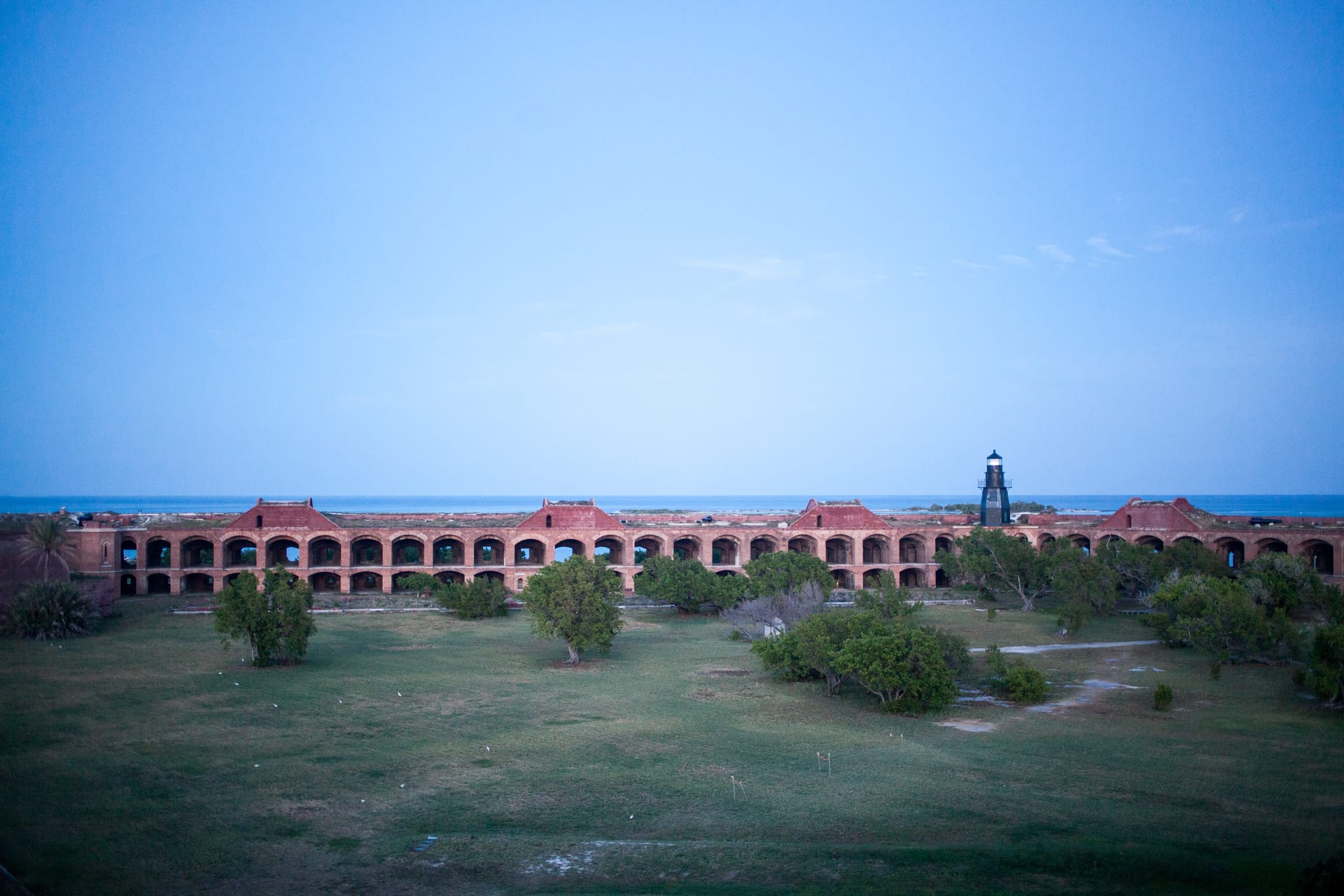
Seventy miles from Key West, beyond the range of any cell tower. The only communication is satellite or VHF radio. The ferry and seaplane operators have their own systems. Visitors are genuinely off the grid until they return to Florida.
Explore:Park Profile - 8.
 0
0Gates of the Arctic
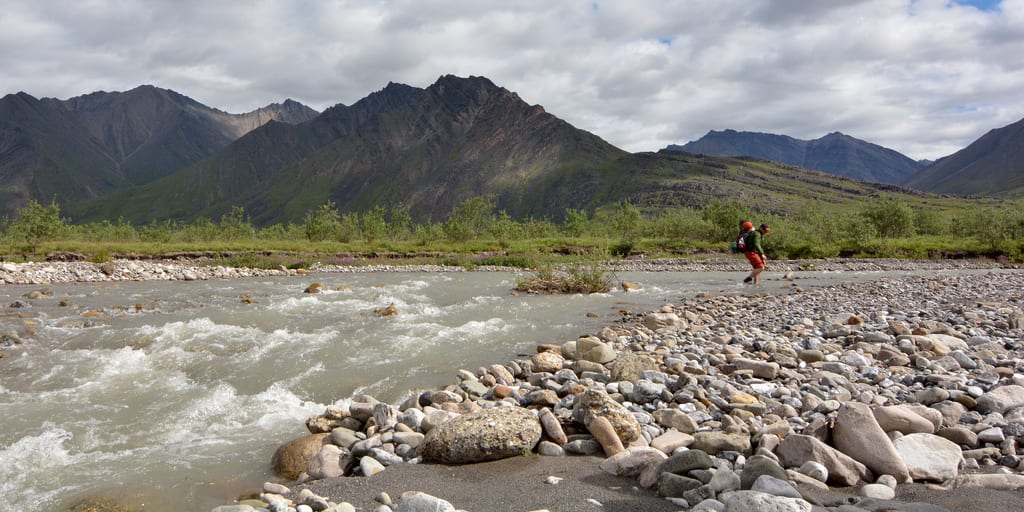
No roads, no trails, no services, no cell towers. This is deliberate wilderness preservation in the Brooks Range. Satellite communication is the only option. The park exists to be unreachable.
Explore:Park Profile - 7.
 0
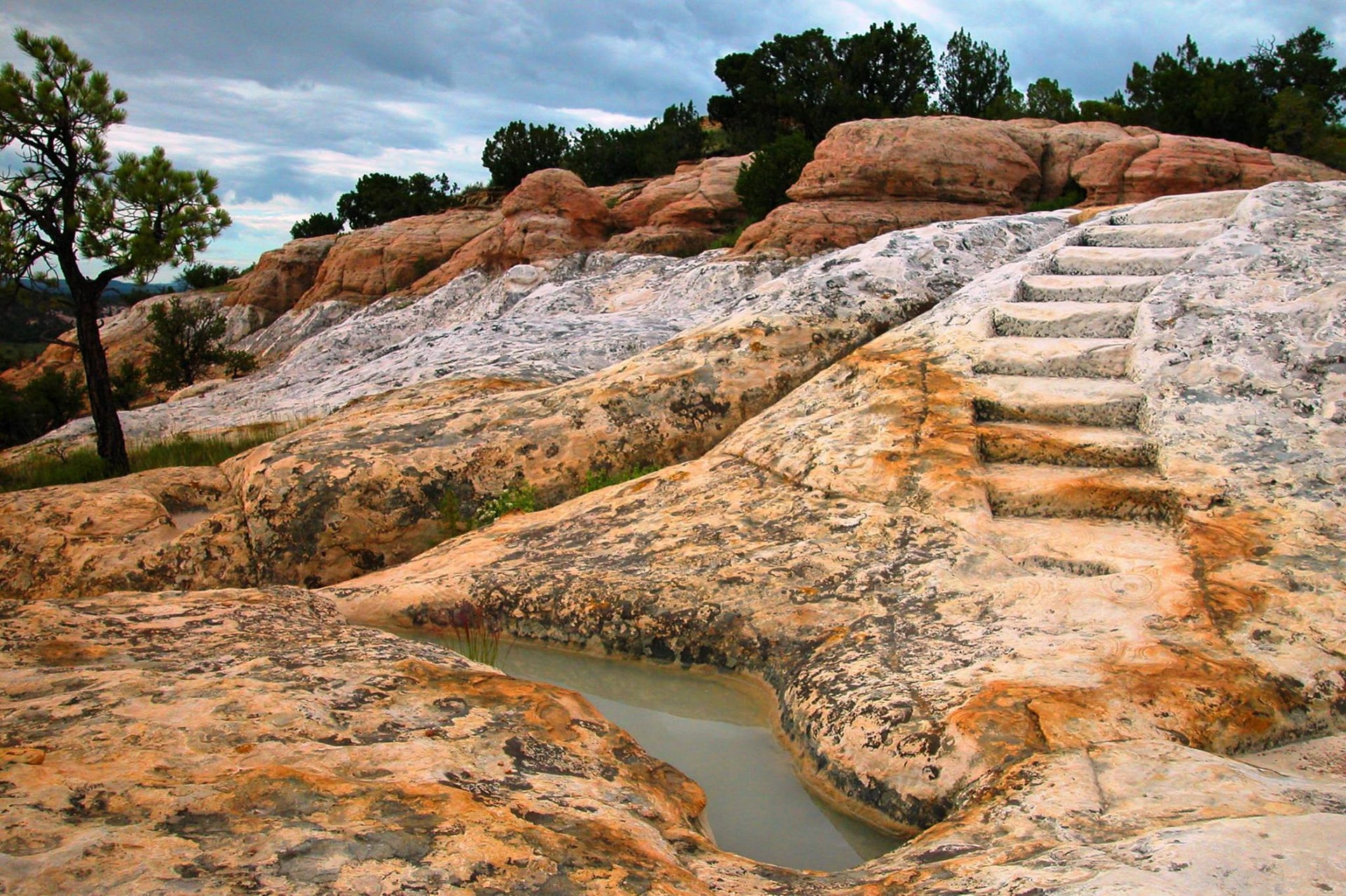
0Highlight’s Favorite: Gila Cliff Dwellings
Gila Cliff Dwellings scores sixth on this list, and it’s our favorite for disconnection.
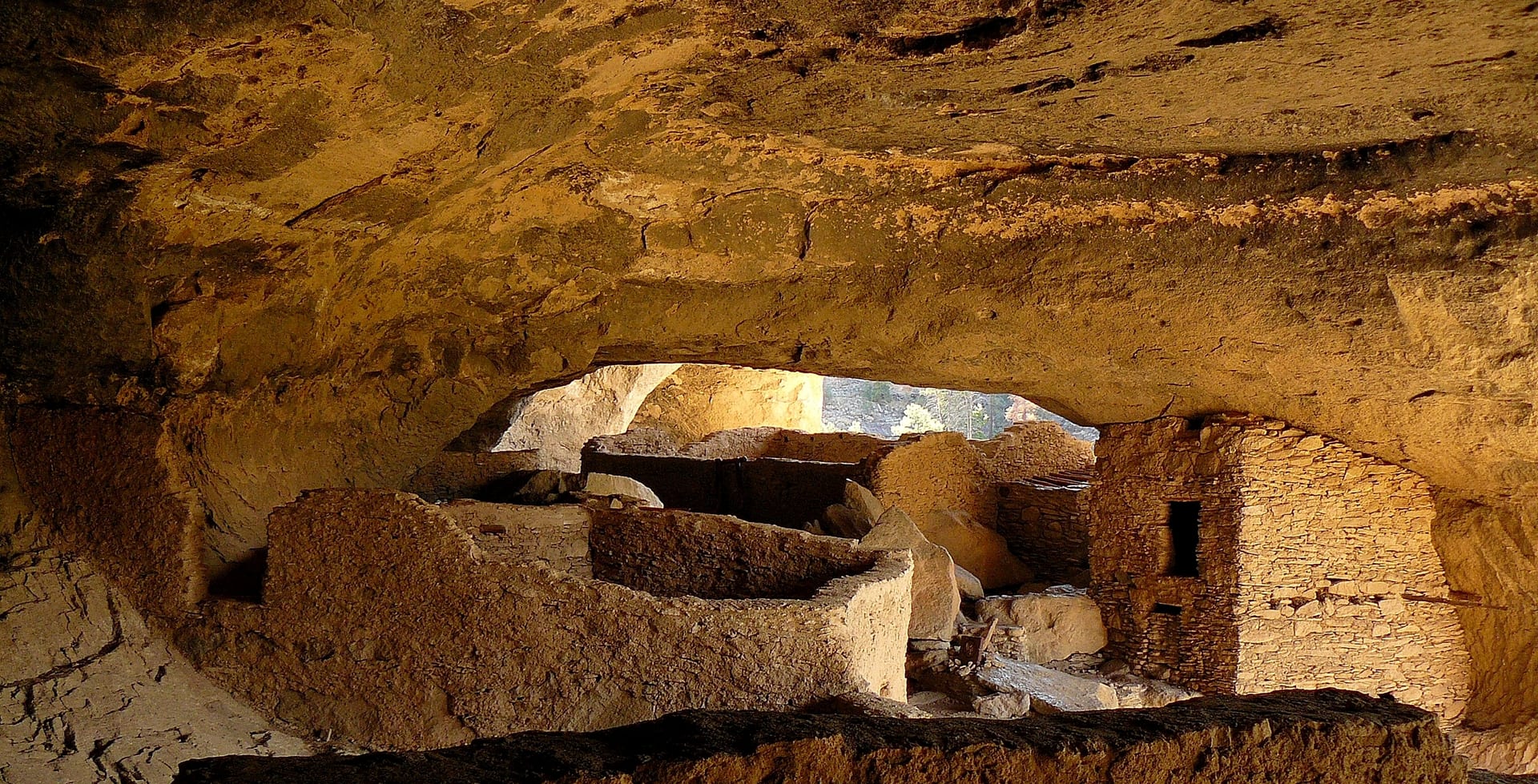
It’s the only non-Alaska park in the top ten. Every other entry on this list earns its zero through Arctic remoteness or Pacific isolation. Gila Cliff Dwellings earns it by being surrounded by the Gila Wilderness, the first federally designated wilderness area in the United States. The drive in from Silver City takes over an hour on steep, winding roads through national forest with no coverage. Your phone becomes a paperweight well before you reach the monument.
The Mogollon people built 42 rooms into five natural alcoves here in the 1280s, farming the mesa tops and the banks of the West Fork of the Gila River. They left in the early 1400s for reasons nobody knows. Seven hundred years later, the cliff dwellings are still here, still remote, still off the grid. Alaska earns its disconnection through sheer distance. Gila earns it through terrain and the deliberate preservation of wild country in the lower 48.
Explore:Park Profile - 6.
 0
0Yukon-Charley Rivers
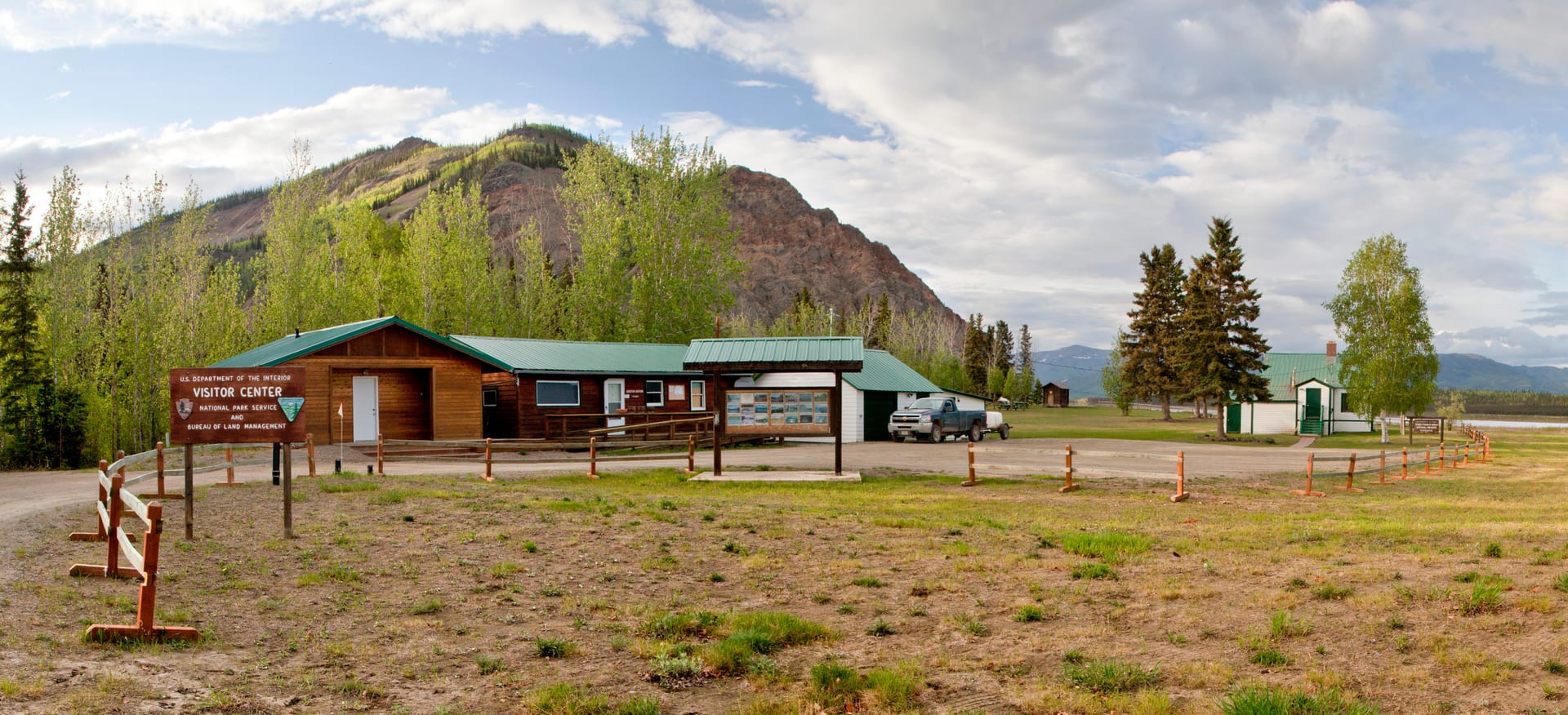
The Yukon River corridor in Alaska's interior has no cellular infrastructure. Satellite phones or personal locator beacons are the only reliable communication. The preserve exists in the kind of isolation that cellular networks have made rare.
Explore:Park Profile - 5.
 0
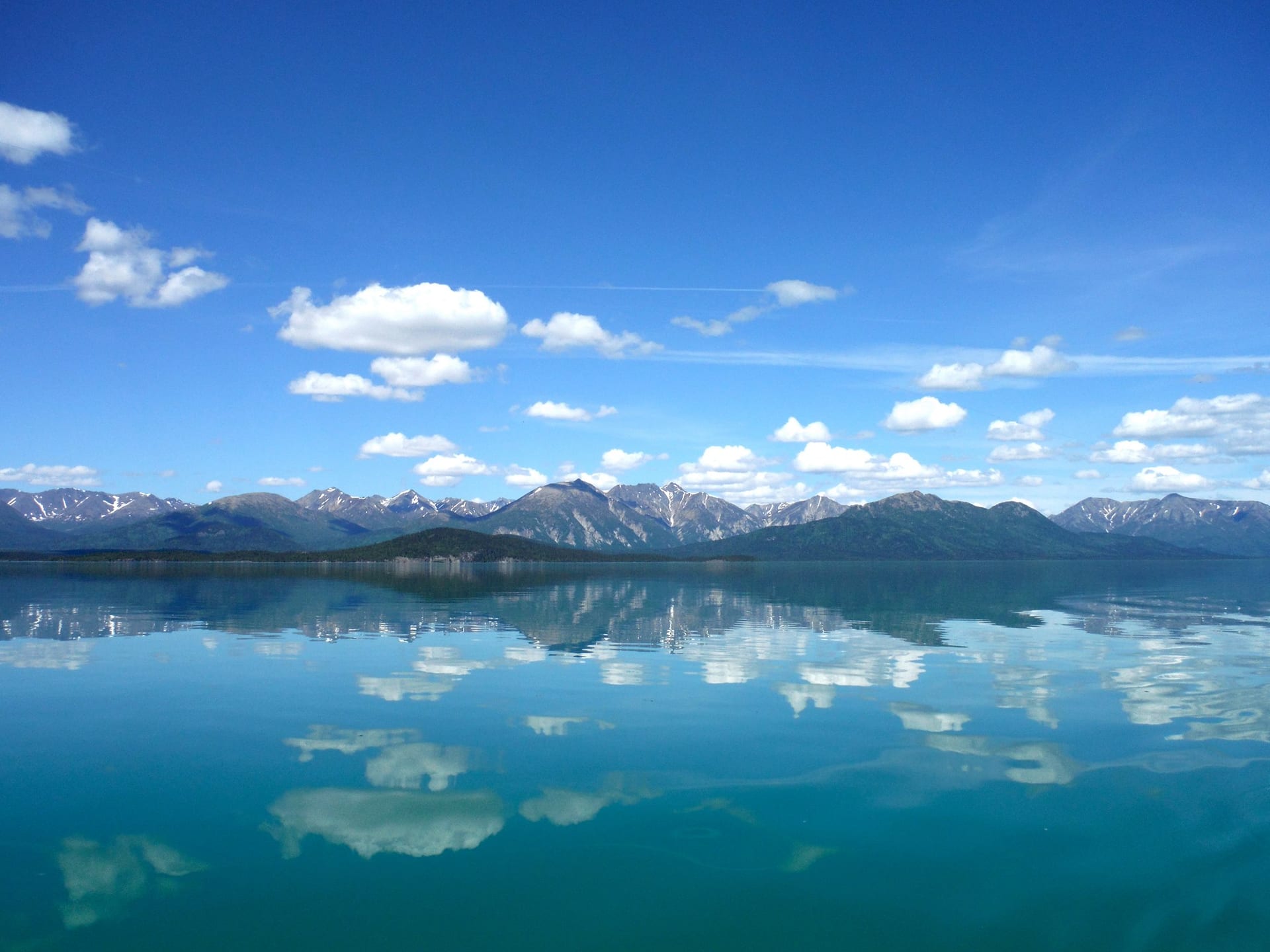
0Lake Clark
Accessible only by floatplane from Anchorage or the Kenai, Lake Clark has no cellular infrastructure. The lodges may have satellite internet, but visitors are otherwise disconnected from the moment they land.
Explore:Park Profile - 4.
 0
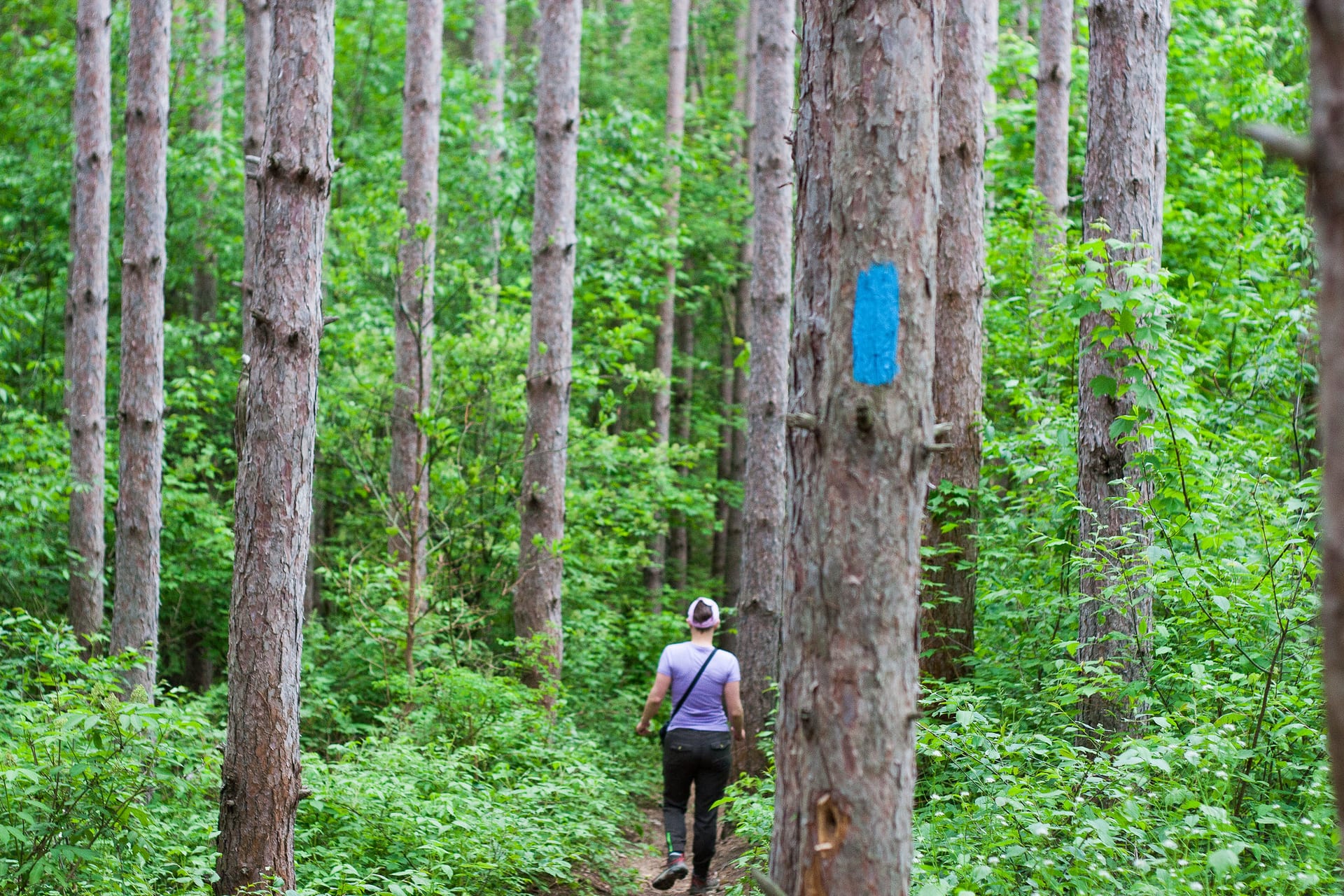
0North Country
Four thousand miles across the northern United States, passing through areas with no coverage for days at a time. The Upper Peninsula of Michigan, the North Woods of Wisconsin and Minnesota, the Adirondacks: all have significant gaps.
Explore:Park Profile - 3.
 0
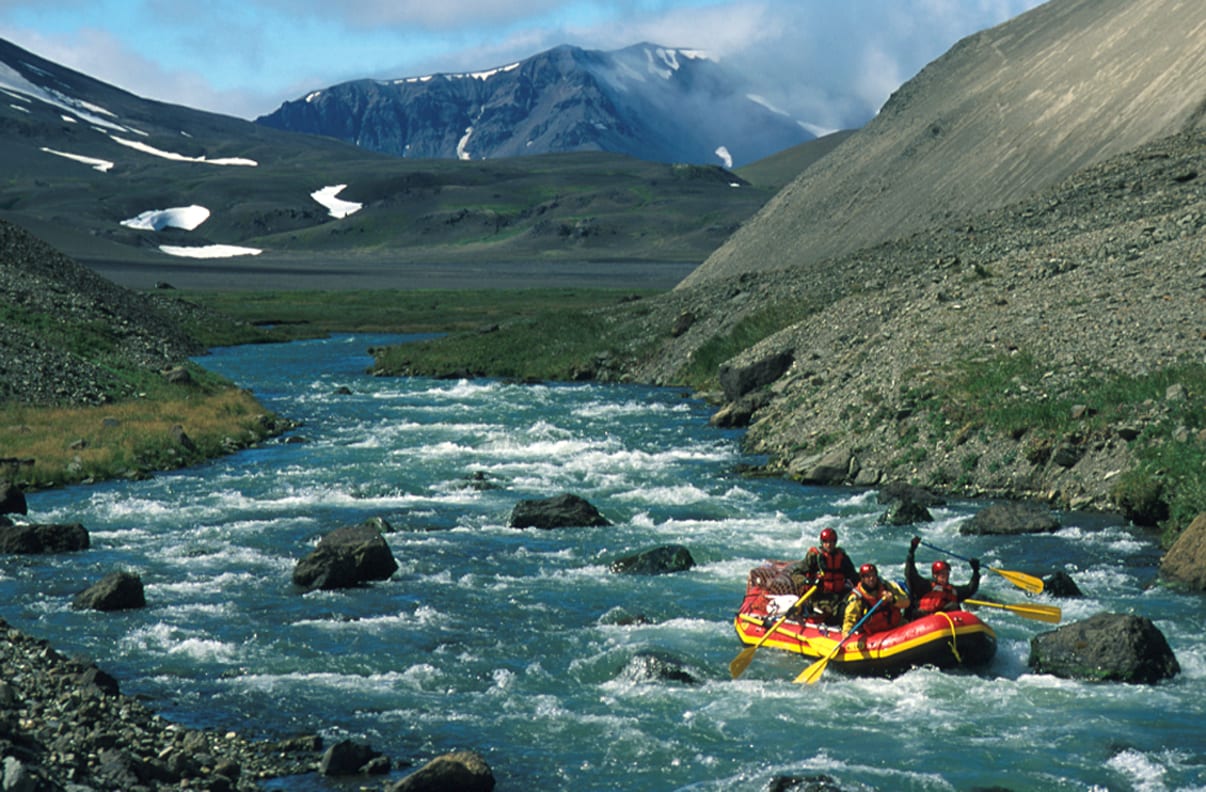
0Aniakchak
A volcanic caldera on the Alaska Peninsula, reachable only by air charter from King Salmon. No cellular coverage exists. Fewer than 200 people visit in an average year. This is as remote as American national parks get.
Explore:Park Profile - 2.
 0
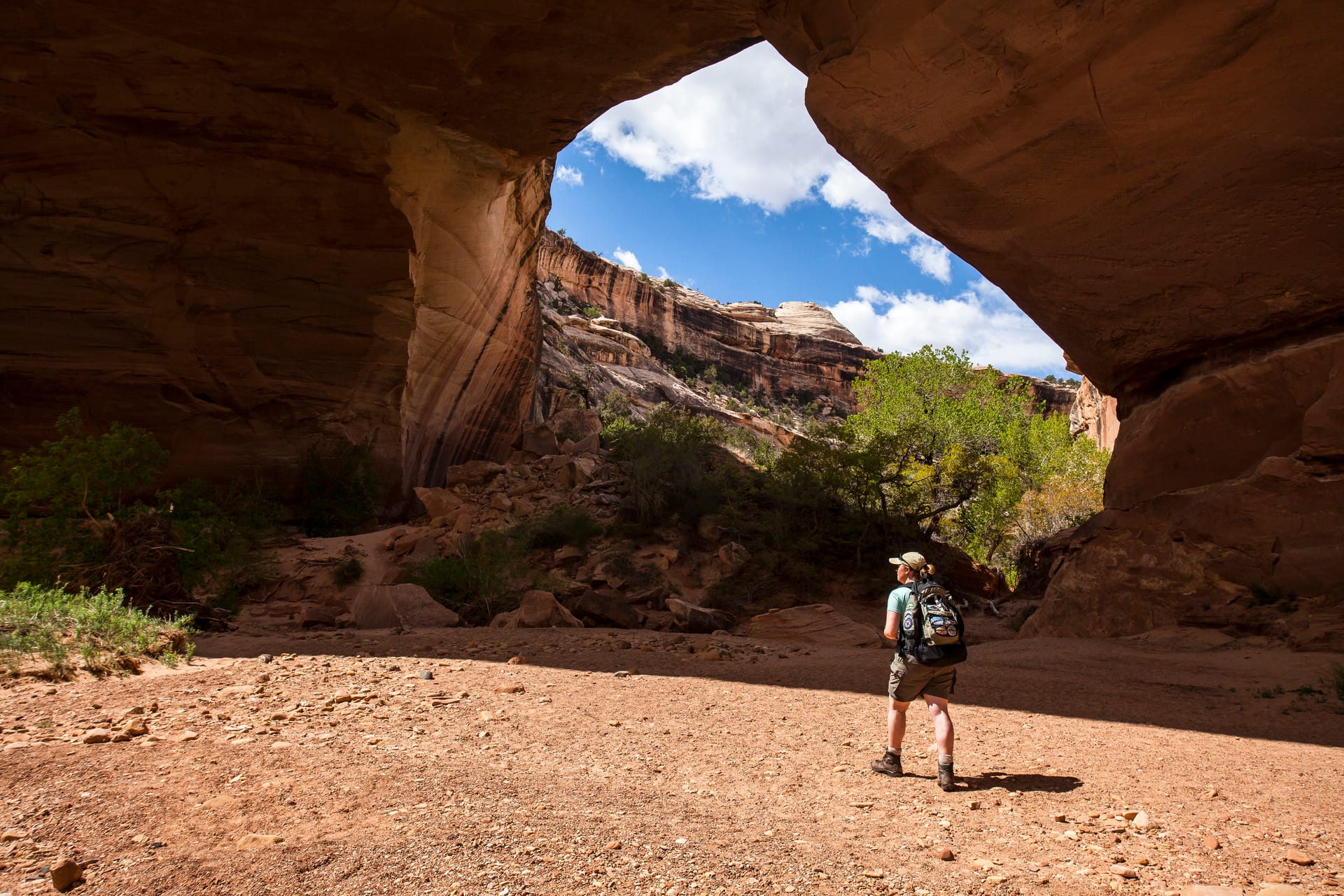
0Natural Bridges
Utah's canyon country sits in cellular shadow. The monument is small but remote, surrounded by miles of terrain that block signals. The nearest coverage is in Blanding, over 40 miles away.
Explore:Park Profile - 1.
 0
0Noatak
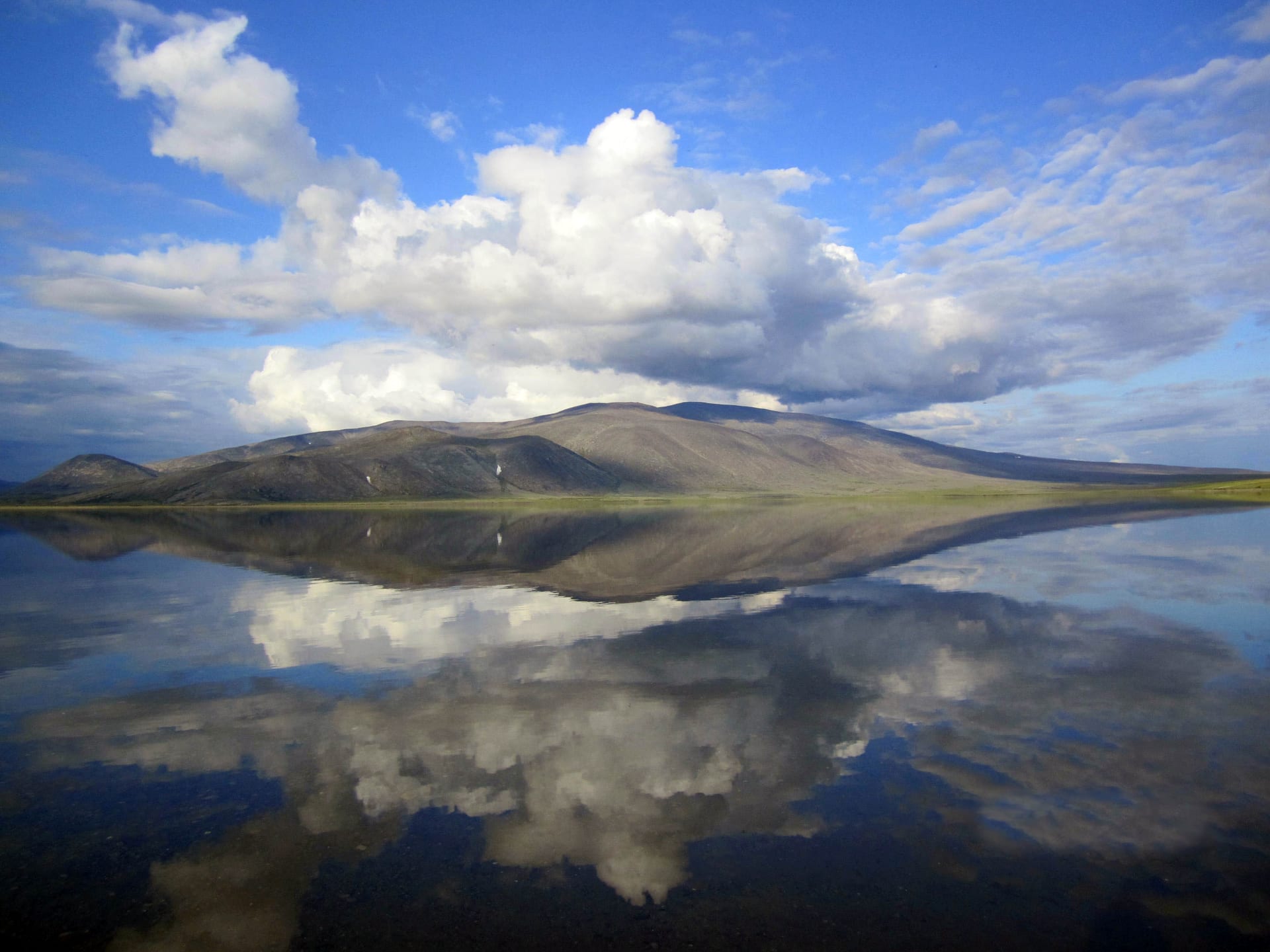
Above the Arctic Circle, northwest Alaska. No roads, no towns, no cell towers. The Noatak River drains a basin the size of Connecticut with zero cellular infrastructure. Communication requires satellite.
Explore:Park Profile
185 parks scored on 85 criteria
Discover your perfect park
Find a destination that matches how you actually want to travel.
Get Started