- 10.
 95
95Isle Royale
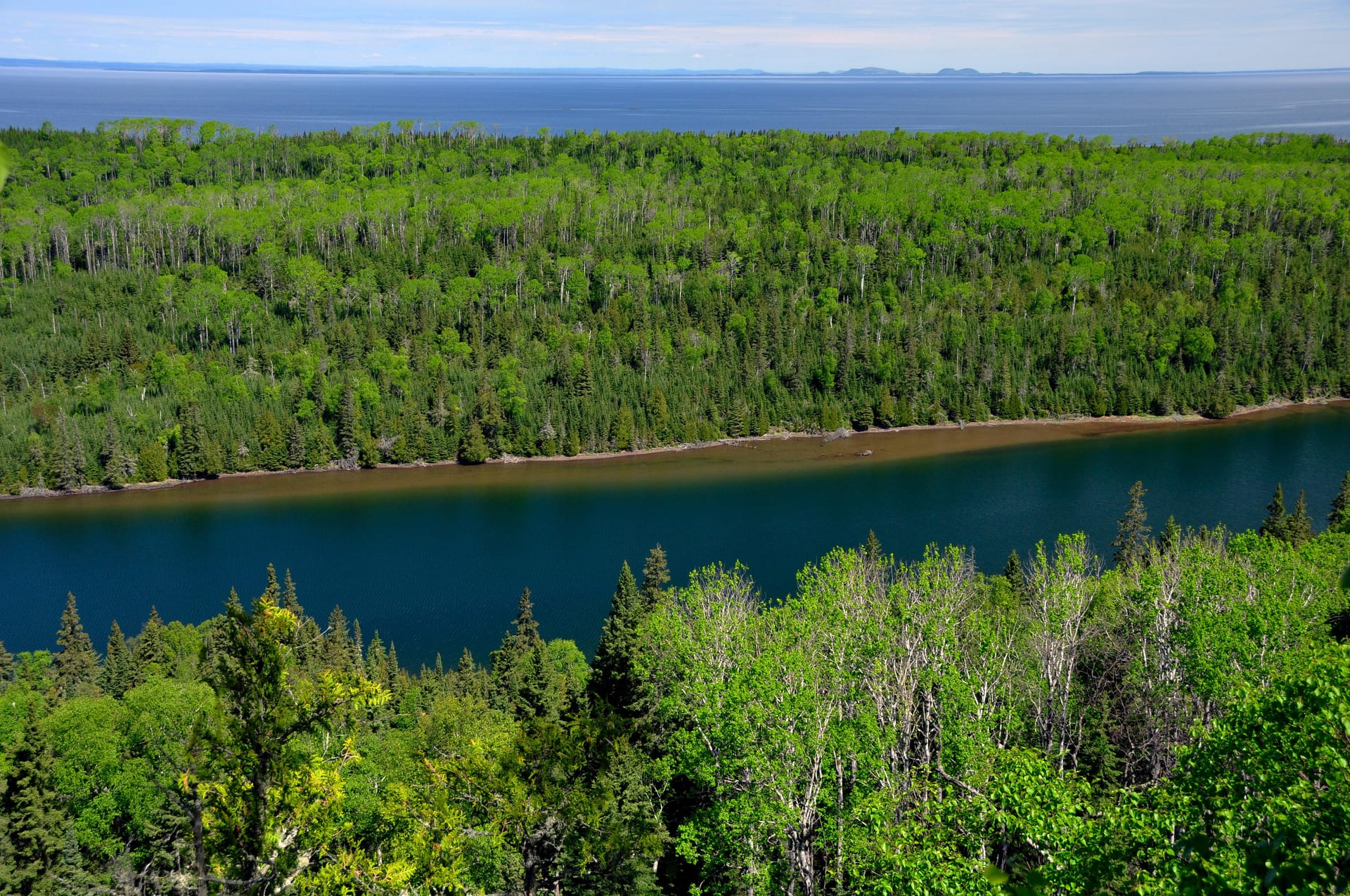
The ferries run from May through September, and that narrow window is your only chance without chartering a seaplane. Isle Royale rewards summer visitors with moose sightings, wolf howls, and backcountry campsites on Lake Superior's edge. The island is 45 miles long with 165 miles of trails and zero roads. Pack everything you need; leave when the last ferry of the season allows.
Explore:Park Profile - 9.
 96
96Grand Teton
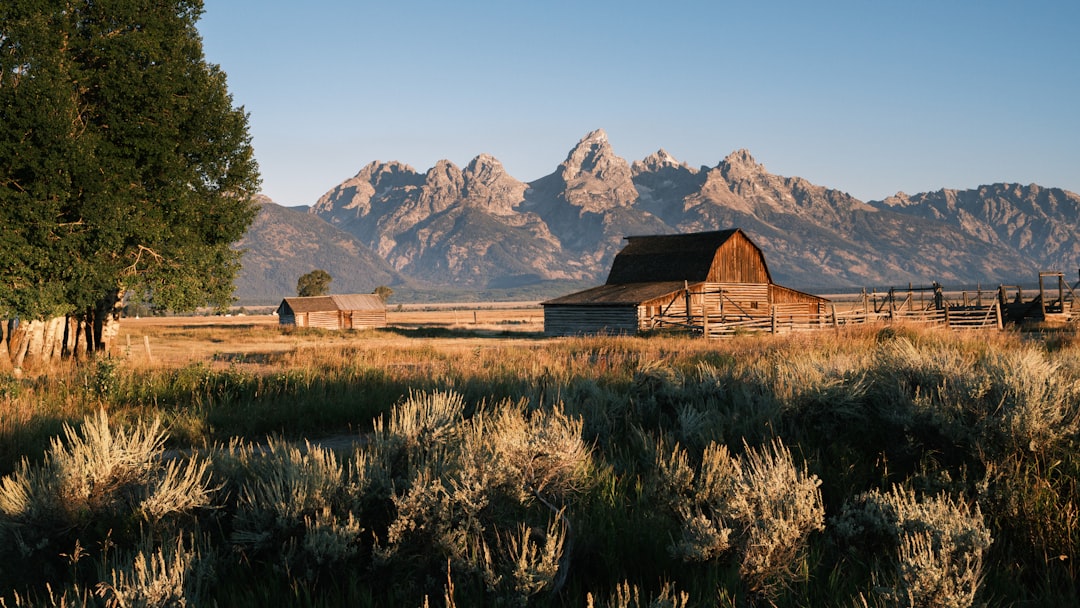
The Tetons rise directly from the valley floor, no foothills softening the transition, and summer is when the trails up those peaks become passable. Lake Solitude, Paintbrush Canyon, the Teton Crest Trail: all require snow-free conditions that last from July through early September. Jackson Hole below fills with visitors, but the backcountry offers solitude proportional to the effort required to reach it.
- 8.
 96
96Highlight’s Favorite: Lassen Volcanic
Lassen Volcanic scores ninth on this list, and it’s our favorite for summer.
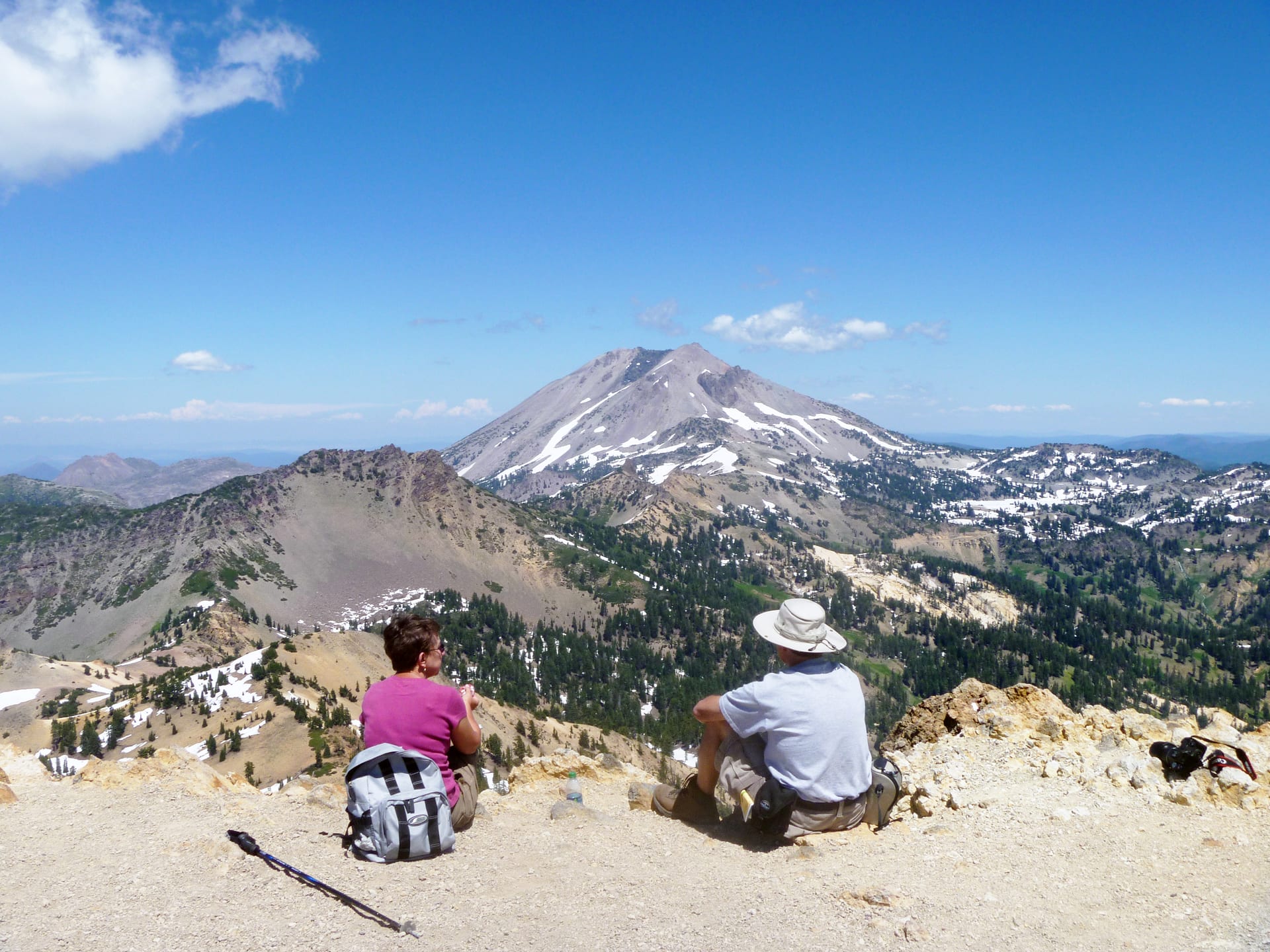
The park road opens in late June, and for the next few months you have access to boiling mud pots, steaming fumaroles, and a volcano you can summit in a strenuous day hike. Bumpass Hell is the largest hydrothermal area in the park, a mile of boardwalks through a landscape that hisses with escaping gas. Lassen Peak is a 5-mile round trip to 10,457 feet, with views of Shasta and the northern California coast.
This is similar geology to Yellowstone. Lassen has the hydrothermal features, the volcanic history, the steaming vents. What it doesn’t have is four million annual visitors. The park sees a fraction of Yellowstone’s crowds, and the compact size means summer’s short window is enough to see the highlights without feeling rushed. Summer opens the road; the geology does the rest.
- 7.
 97
97Yukon-Charley Rivers
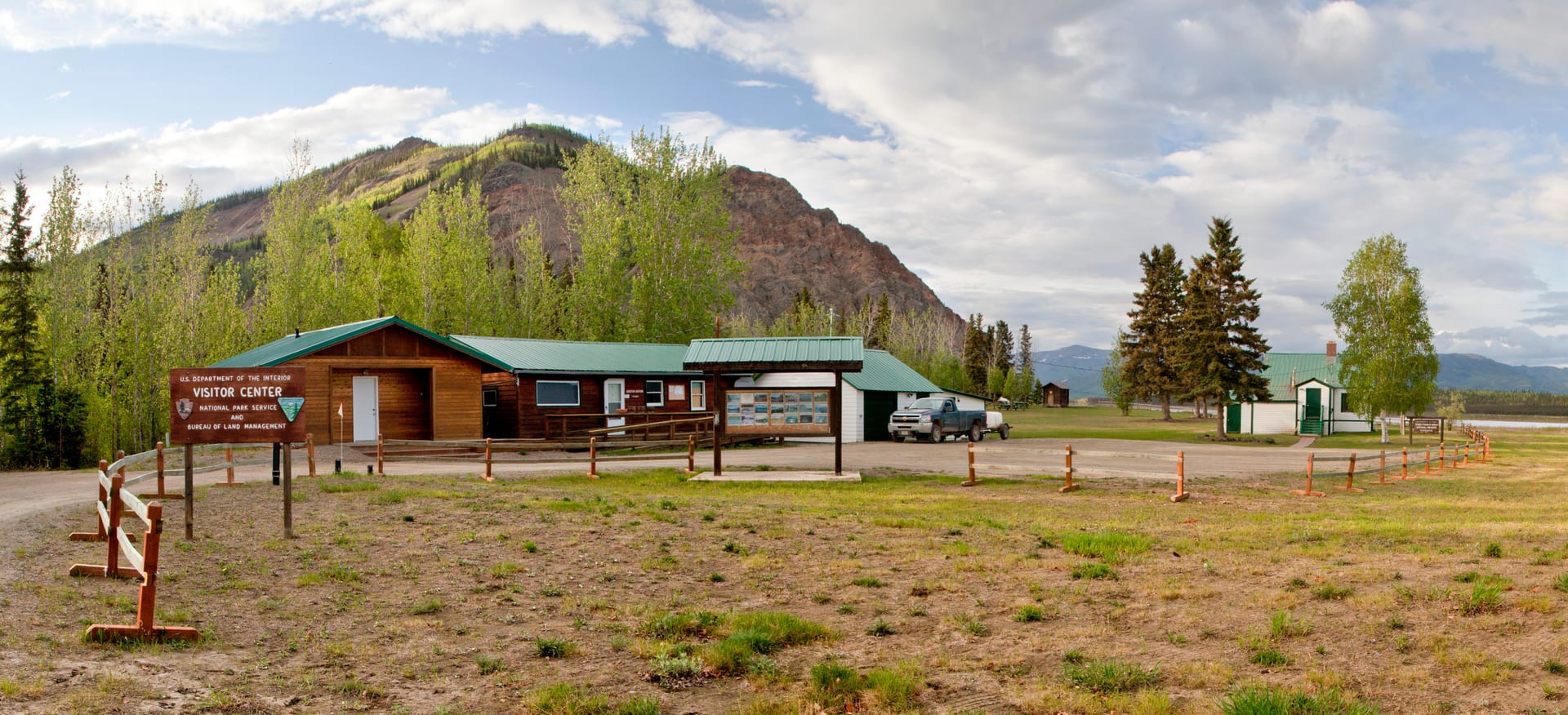
Twenty hours of daylight and rivers running high with snowmelt. The Yukon-Charley backcountry is only practical to visit during Alaska's brief summer, when floatplanes can land and paddlers can run the rivers. Peregrine falcons nest on the bluffs; remnants of gold rush cabins dot the riverbanks. This is wilderness that requires planning and self-sufficiency. Summer makes it possible.
Explore:Park Profile - 6.
 97
97Glacier
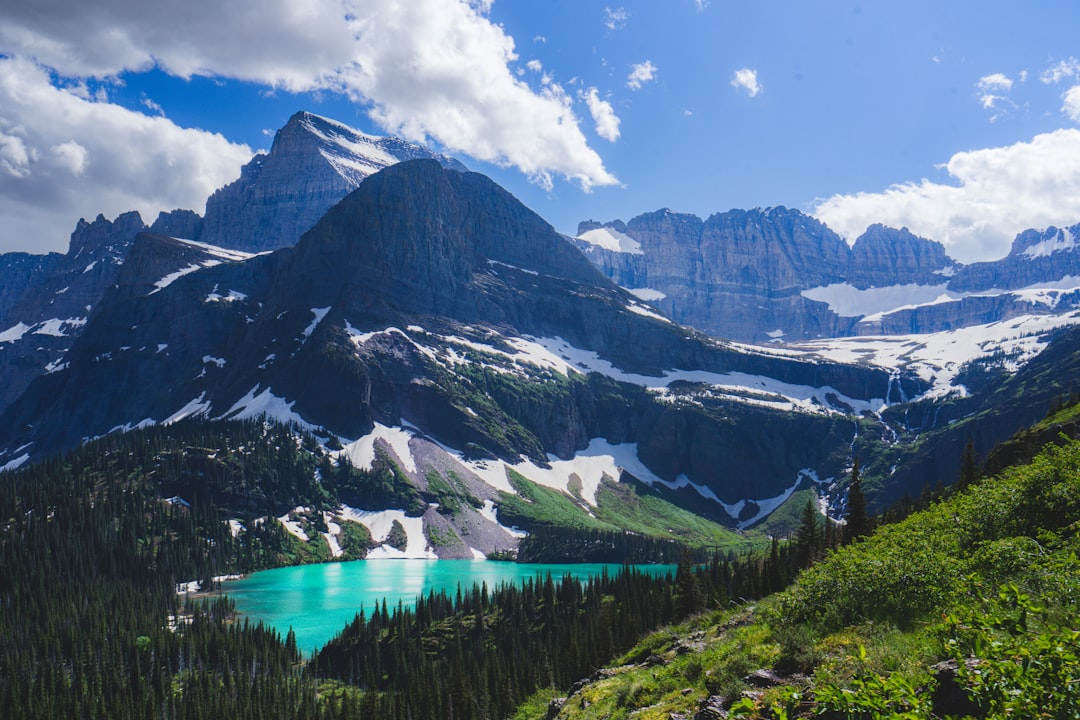
Going-to-the-Sun Road opens in late June when the plows break through Logan Pass. For two or three months, you can drive across the Continental Divide on one of America's most scenic highways. The Many Glacier area buzzes with hikers accessing alpine lakes. Wildflowers carpet the meadows. The glaciers themselves are smaller each year, which is precisely why summer matters: see what remains while it remains.
- 5.
 98
98Redwood
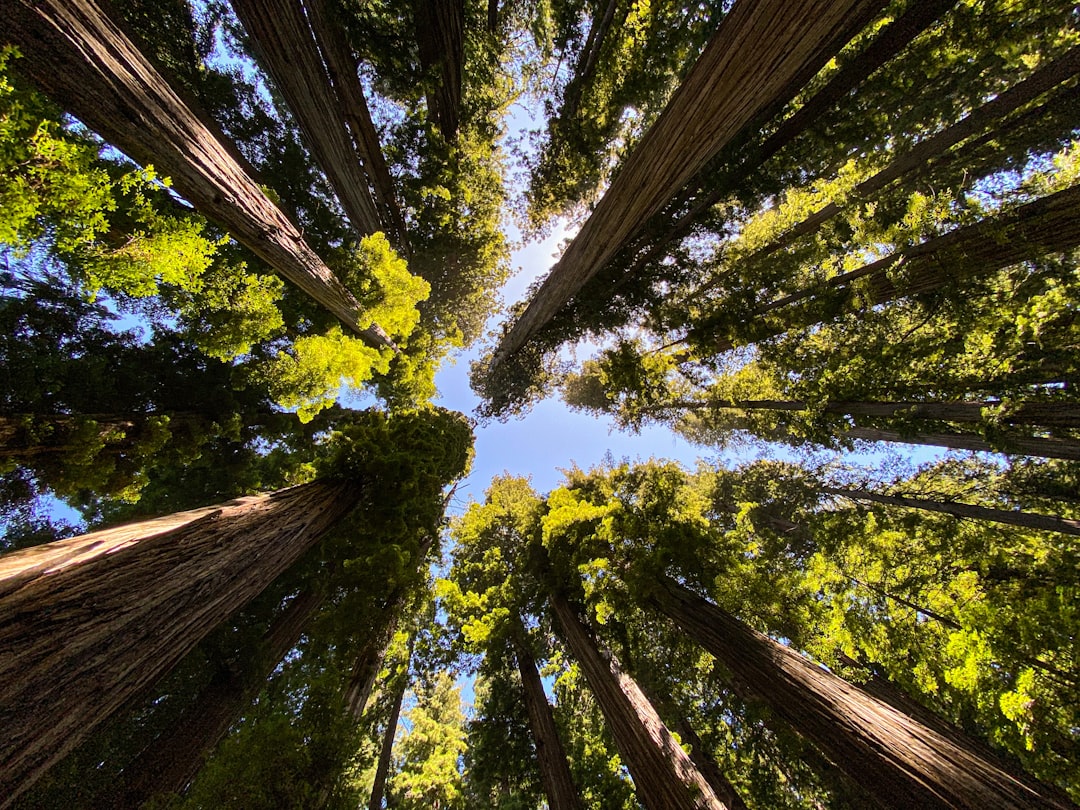
Summer fog keeps the redwood coast cool while the rest of California bakes. The tallest trees on Earth thrive in this coastal moisture, with forests that feel like cathedrals. Fern Canyon's walls drip with five species of ferns; elk herds graze the prairies above Gold Bluffs Beach. Summer crowds thin compared to the Sierra parks, and the cool temperatures make hiking comfortable when Yosemite Valley is unbearable.
Explore:Park Profile - 4.
 98
98Olympic
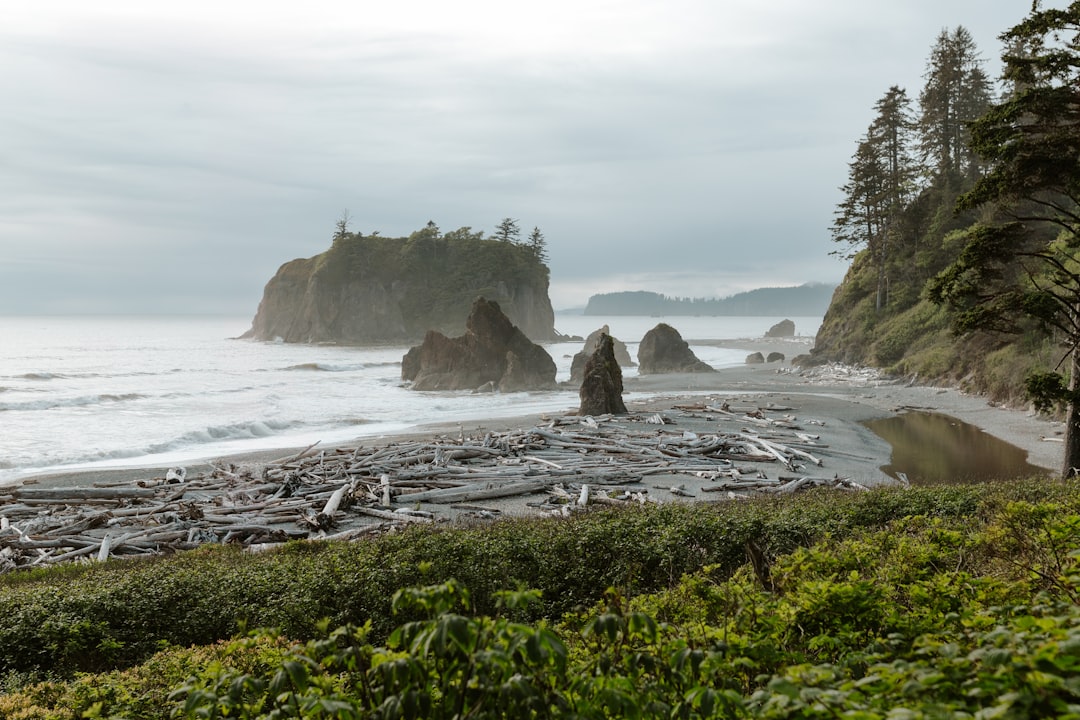
Three ecosystems, one park, and summer is the only time all of them are fully accessible. Hurricane Ridge Road opens when the snow melts, revealing alpine meadows full of wildflowers. The Hoh Rain Forest stays lush but walkable. And the coastal wilderness beaches between Rialto and Shi Shi can be backpacked without storm-watching anxiety. By October, the weather turns; summer is when Olympic delivers everything.
- 3.
 99
99Wrangell-St. Elias
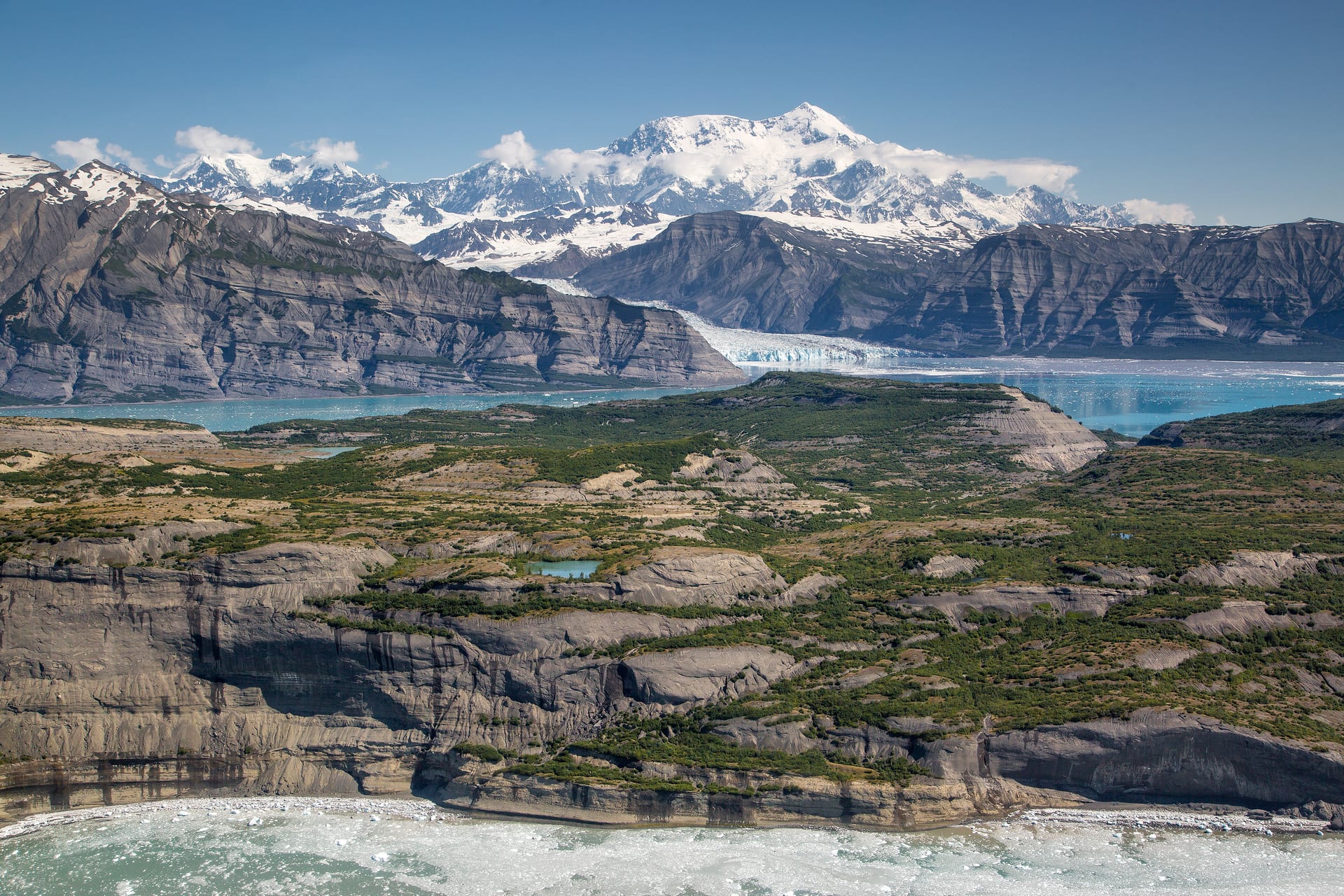
The McCarthy Road opens when the snow melts, usually by mid-May, granting access to America's largest national park. Summer means 18-hour days for hiking, river rafting on the Copper and Chitina, and flights over glaciers that would be icefields anywhere else. The Kennecott copper mine ruins are accessible only during these months. Come September, the first snows close the road again, and the park returns to wolverines and moose.
Explore:Park Profile - 2.
 99
99Lake Clark
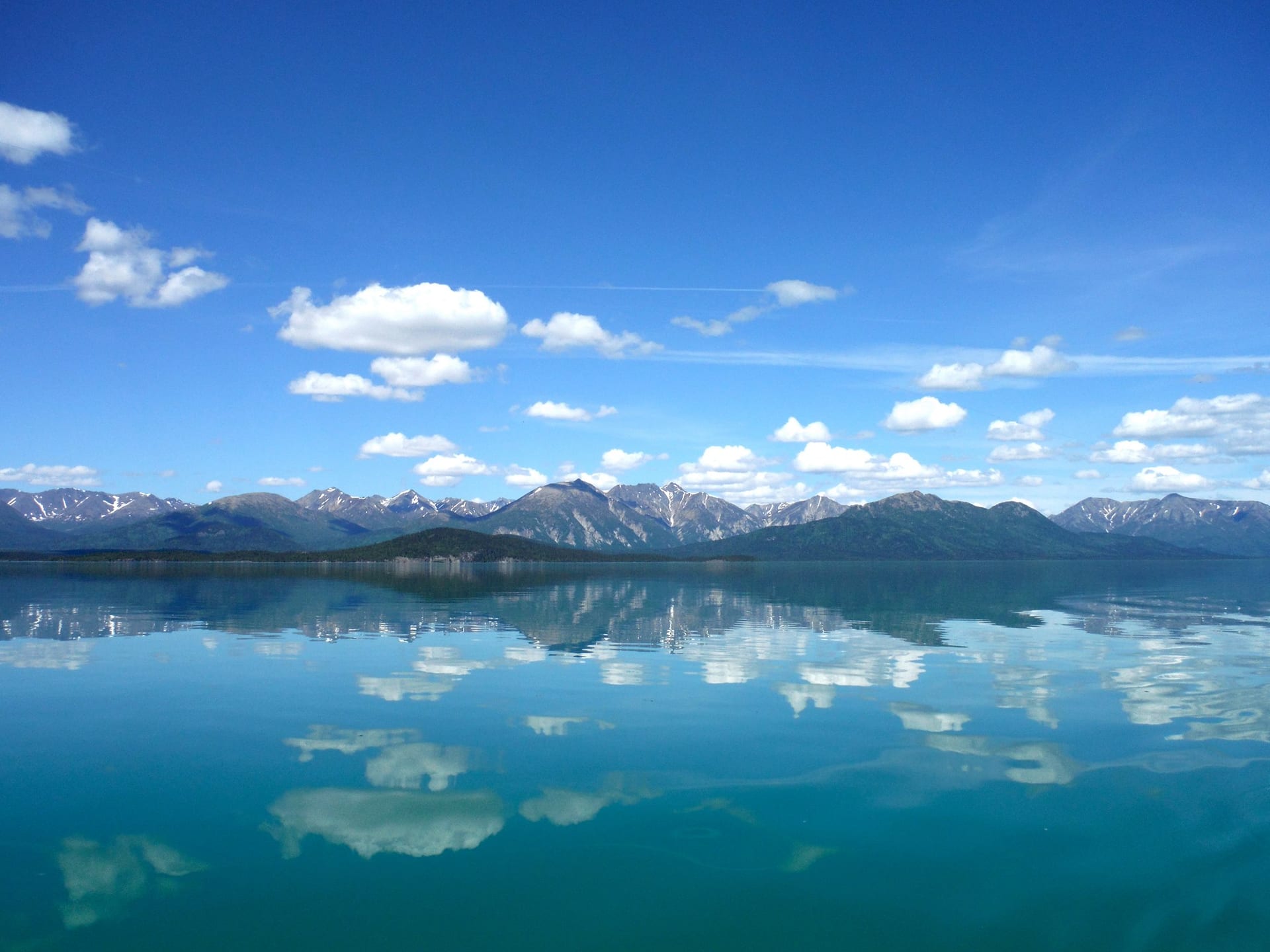
Summer brings salmon, and salmon bring bears. Lake Clark's coastal bear viewing ranks among the best in Alaska, with brown bears fishing the rivers while visitors watch from small planes and boats. The park has no roads, so floatplanes from Anchorage or the Kenai Peninsula are the only access. Turquoise lakes, active volcanoes, and four million acres of wilderness: all available only during a few months of midnight sun.
Explore:Park Profile - 1.
 100
100Kenai Fjords
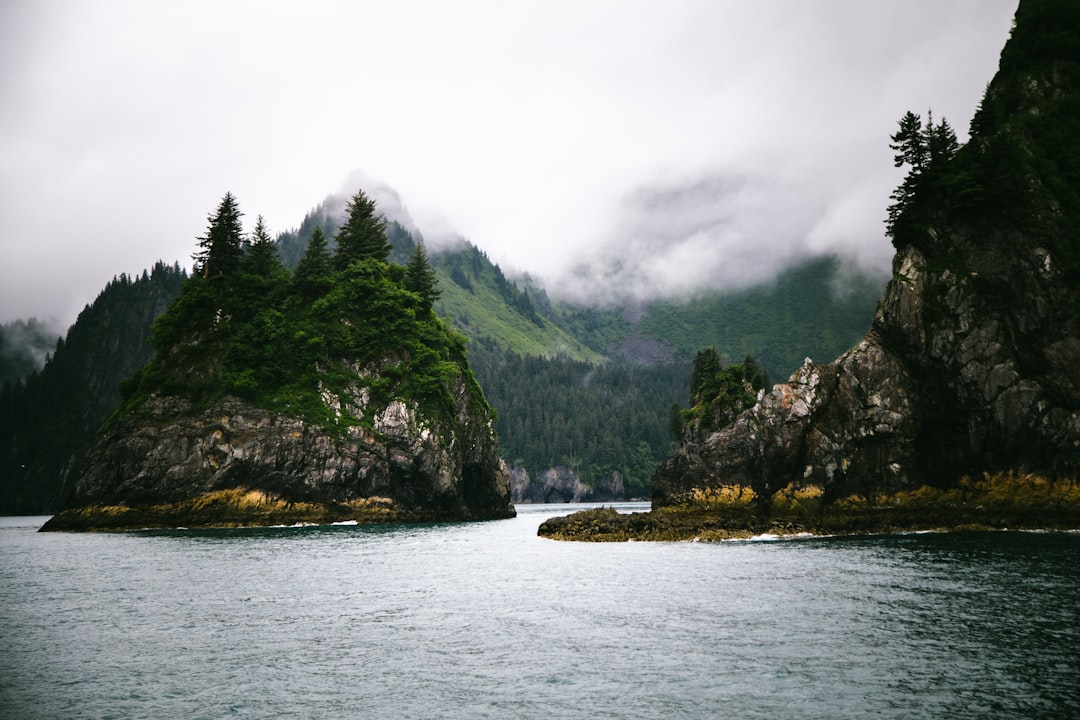
Tidewater glaciers calving into the sea, humpback whales breaching in resurrection bay, puffins nesting on rocky islets. Kenai Fjords comes alive in summer when boat tours from Seward can reach the park's glacier-carved coastline. Exit Glacier is the only road-accessible glacier in the park, and the Harding Icefield Trail offers one of Alaska's great day hikes: eight miles through increasingly barren terrain to views across 700 square miles of ice. By September, the boat tours end and the road closes.
Explore:Park Profile
185 parks scored on 85 criteria
Discover your perfect park
Find a destination that matches how you actually want to travel.
Get Started